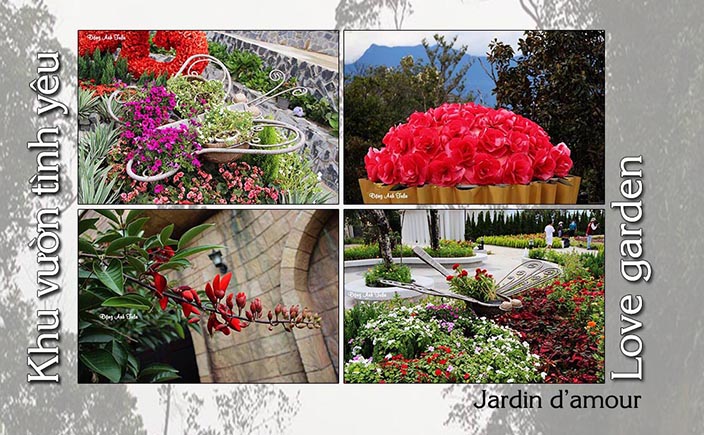
Colline Bà Nà (Đà Nẵng)


Version française

English version 

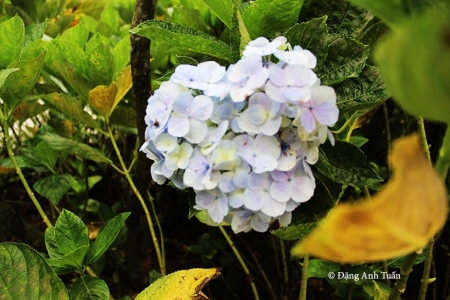
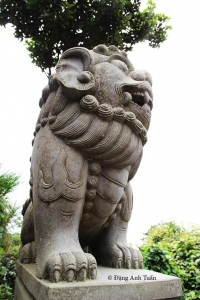
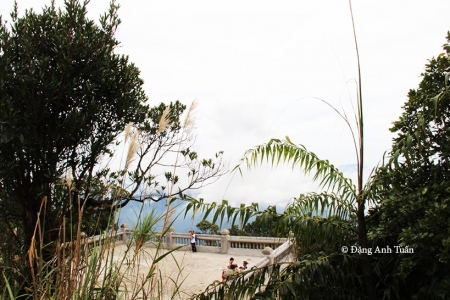
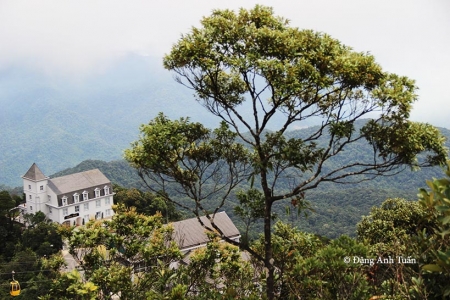
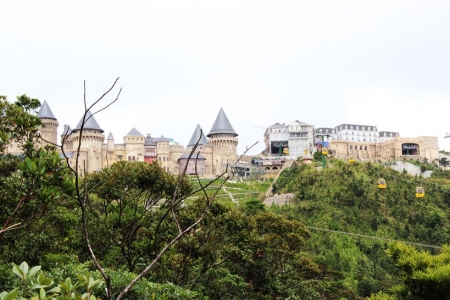
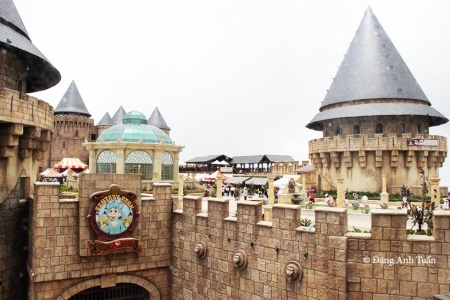
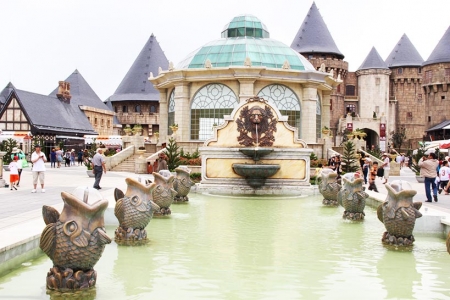
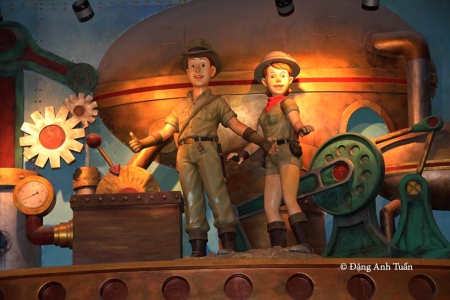
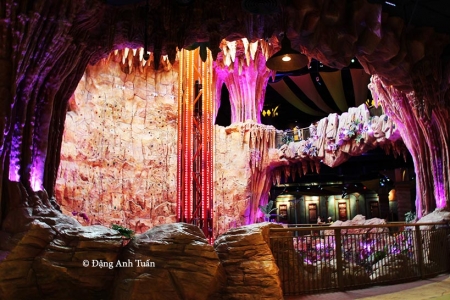
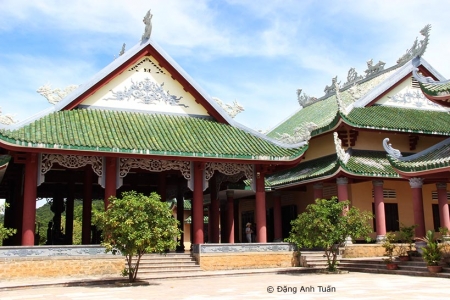
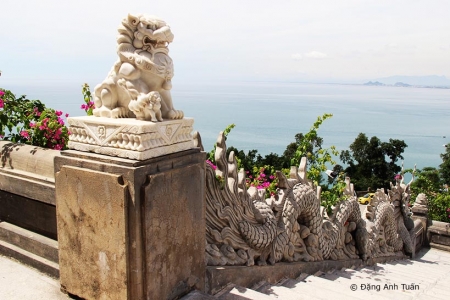
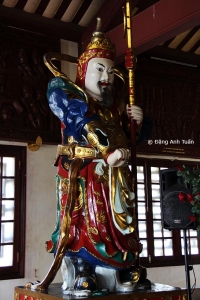
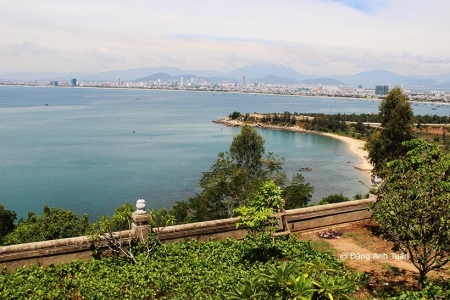
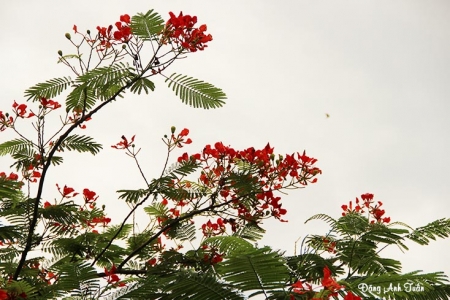
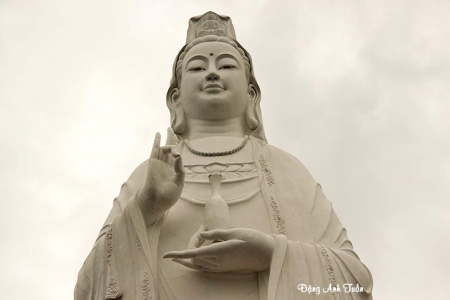
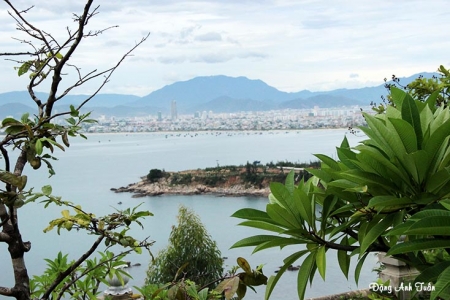
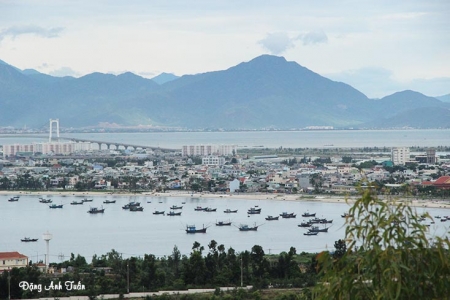
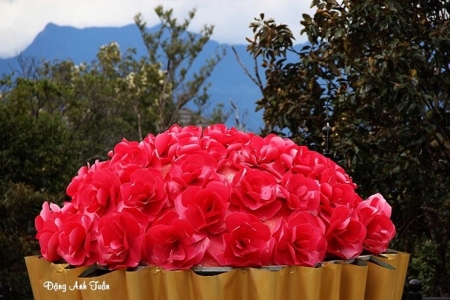
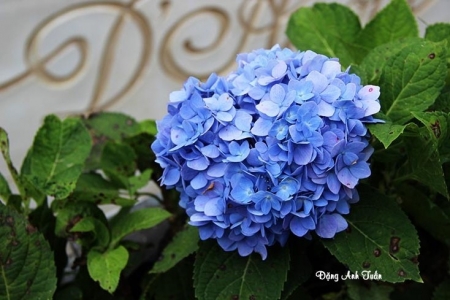
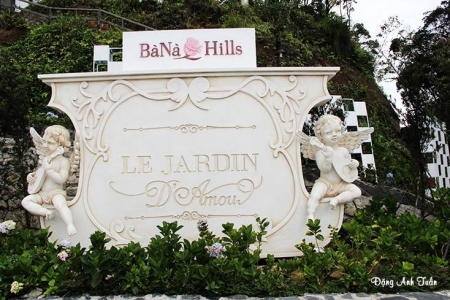
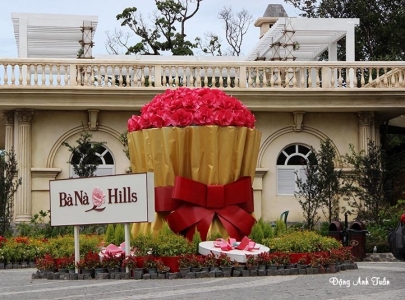
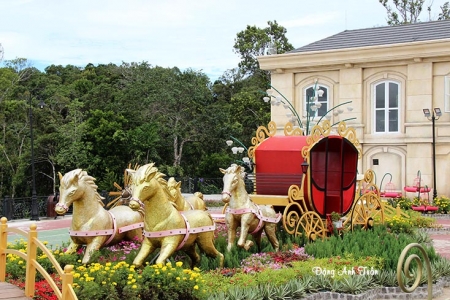
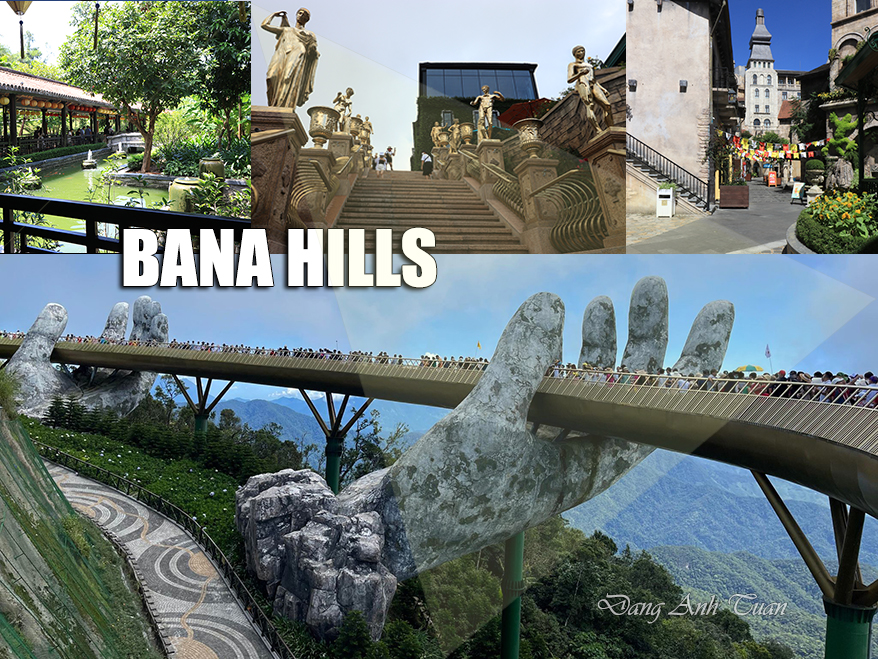
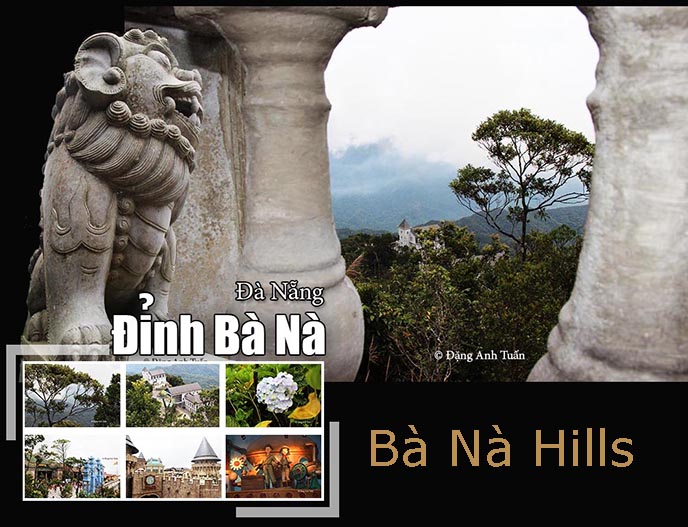
Năm 1894, nhà toàn quyền Đông Dương ông Paul Doumer có ý định tìm kiếm một nơi bình dị để quân đội Pháp được nghỉ ngơi và phục hồi sức khỏe. Để làm được điều này, ông đã yêu cầu một nhóm sĩ quan, trong đó có một người  trẻ tuổi tên là Debay để  thực hiện dự án nầy. Sau nhiều năm nghiên cứu không có kết quả, Debay đã khám phá ra ở phía đông dãy núi Trường Sơn, vào năm 1901 có một ngọn đồi Bà Nà đáp ứng được các tiêu chí mong muốn để  hoàn thành dự án nầy. Nhờ thế nơi nầy đã trở thành khu nghỉ dưỡng của quân đội Pháp sau khi chiến tranh thế giới thứ nhất bùng nổ. Rồi trải qua hàng chục năm chiến tranh tàn phá, Bà Nà rơi vào quên lãng. Chỉ đến năm 2000, Bà Nà mới trở thành điểm du lịch của các doanh nhân thuộc về tập đoàn Sun. Địa danh nầy  từ nay được nằm trong danh sách những địa điểm du lịch mà thành phố Đà Nẵng thường hay đề nghị trong các chuyến thăm quan của du khách. Dù ở độ tuổi nào đi nửa, du khách vẫn tìm thấy được  sở thích của mình ở nơi nầy. Ở đây, du khách nhận  thấy  không những có sự hiện diện của một công viên giải trí (Fantasy park), các ngôi chùa hay đền (Linh Ứng, Linh Phong Thiền Tự, Miếu Bà)  mà còn có cả một khu làng Pháp mà trong đó có một bản sao nhỏ của thánh đường Saint Denis (Ba Lê) hay lầu đài Chenonceau  (Val de Loire),  những khách sạn sang trọng, các nhà hàng và có cả luôn  một  hầm rượu  do người Pháp xây cất  bỏ hoang sau khi rời bỏ Đông Dương mà lại  có tuổi đời gần một trăm năm và một bảo tàng sáp.

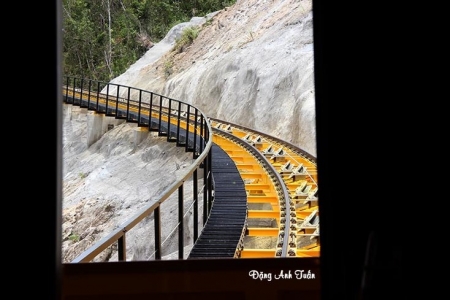
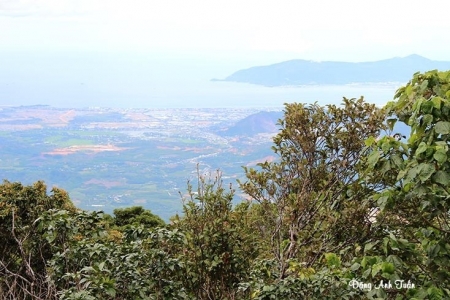
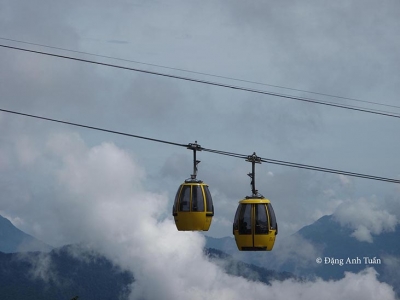
Chỉ có thể đến các địa điểm này bằng cáp treo mà thôi. Được xây dựng theo tiêu chuẩn châu Âu bởi công ty người Áo Doppelmayr, địa danh nầy đạt được kỷ lục thế giới có cáp làm bằng kim loại dài nhất thế giới với tổng chiều dài hơn 5.771 mét và có 86 ca-bin, mỗi ca-bin đó có thể chứa 10 người. Điều nầy cho phép vận chuyển được 1.500 hành khách mỗi giờ. Nằm ở độ cao khoảng 1500 thước trên đỉnh Bà Nà, địa danh này vẫn tiếp tục lưu giữ cho đến ngày nay, ngoài vẻ đẹp hoang sơ, một môi trường gần như còn nguyên vẹn. Có hệ động vật khá phong phú với hơn 256 loài động vật có xương sống. Một số loài động vật bị đe dọa tuyệt chủng (như  gấu đen châu Á, trĩ sao, vượn má vàng, vân vân …) vẫn còn hiện diện ở đây. Hệ thực vật cũng rất đa dạng (544 loài cây). Tương tự như vùng Sapa ở miền Bắc Việt Nam, Bà Nà Hills cũng có được bốn mùa trong một ngày. Buổi sáng là mùa xuân, buổi trưa là mùa hè, buổi chiều  là mùa thu và đêm lại  là mùa đông.

[Return TOURANE]

Version francaise

En 1894, Paul Doumer, gouverneur général d’Indochine, eut l’intention de chercher un endroit idyllique pour permettre à l’armée française de se reposer et de se ressourcer. Pour cela, il demanda à un groupe d’officiers parmi lesquels figurait un jeune de nom Debay, de concrétiser ce projet. Après tant d’années de recherches infructueuses, Debay découvrît en 1901 à l’est de la chaîne de la cordillère annamitique Trường Sơn, la colline Bà Nà répondant aux critères souhaités pour la réalisation d’un tel projet. Cet endroit devint ainsi la station de villégiature pour l’armée française après le déclenchement de la première guerre mondiale. Puis au fil des décennies de guerre et de ruines, la colline Bà Nà tomba dans l’oubli. C’est seulement en l’an 2000 que la colline Bà Nà revint d’actualité pour devenir un site touristique avec les entrepreneurs de Sun Group. Il fait partie désormais de la liste des sites touristiques que la ville de Đà Nẵng ne manque pas de proposer au touriste lors  de son passage. Quel que soit son âge, celui-ci trouverait probablement son goût et sa préférence. 
dananang_bana_hill

Le touriste y trouve non seulement  un parc d’attractions (parc Fantasy), des pagodes et temples (Linh Ứng, Linh Phong Thiền Tự, Miếu Bà) mais aussi une zone villageoise où on peut voir une copie miniaturisée conforme de l’église Saint Denis (Paris) ou du château Chenonceau (Val de Loire),  des hôtels de luxe, des restaurants et même un cave construit et délaissé par les Français lors de leur départ en Indochine et ayant presque 100 ans d’âge et un musée de cire. Ce site n’est accessible qu’en téléphérique.(*) Etant construit aux normes européennes par la société autrichienne Doppelmayr, ce site obtient le record du monde du plus long câble métallique du monde avec une longueur totale de plus de 5 771 mètres et dispose de 86 cabines dont chacune peut accueillir 10 personnes, ce qui permet d’avoir une capacité totale de 1500 passagers par heure. Localisé à peu près de 1500 mètres d’altitude sur la colline Bà Nà, ce site touristique continue à garder aujourd’hui, outre sa beauté sauvage, un environnement encore presque intact. On y trouve une faune assez riche où on recense plus de 256 vertébrés. Quelques animaux menacés d’extinction (comme les ours noirs d’Asie, l’Argus ocellé, le gibbon à joues jaunes etc..) y sont présents. La flore est aussi variée (544 espèces d’arbres). Analogue à la région Sapa dans le Nord du Vietnam, Bà Nà retrouve dans une journée les quatre saisons. Le matin c’est le printemps, l’après-midi l’été, le soir l’automne et la nuit l’hiver.
[Return TOURANE]

English version 

In 1894, Paul Doumer, Governor General of Indochina, had the intention to look for an idyllic place to allow the French army to rest and unwind. To do so, he asked a group of officers, including a young man named Debay, to make this project a reality. After so many years of fruitless research, Debay discovered in 1901 in the east of the Trường Sơn annamitic cordillera chain, the Bà Nà hill meeting the desired criteria for the realization of such a project. This place thus became the resort for the French army after the outbreak of the First World War. Then over the decades of war and ruin, Bà Nà Hill fell into oblivion. It was only in the year 2000 that Bà Nà Hill came back into the news to become a tourist site with the Sun Group entrepreneurs. It is now part of the list of tourist sites that the city of Đà Nẵng does not fail to offer to the tourist when he visits. Regardless of his age, he would probably find his taste and preference.
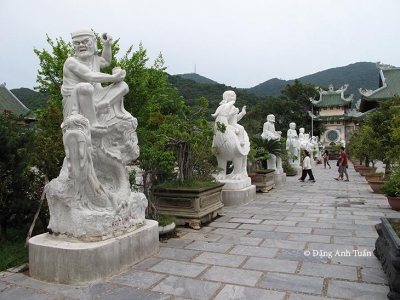
The tourist can find not only an amusement park (Fantasy Park), pagodas and temples (Linh Ứng, Linh Phong Thiền Tự, Miếu Bà) but also a village area where one can see a miniaturized exact copy of Saint Denis Church (Paris) or Chenonceau Castle (Loire Valley), luxury hotels, restaurants, and even a cellar built and abandoned by the French when they left for Indochina and being almost 100 years old and a wax museum. This site is only accessible by cable car (*) Built to European standards by the Austrian company Doppelmayr, this site holds the world record for the longest wire rope in the world with a total length of more than 5,771 meters and has 86 cabins, each of which can accommodate 10 people, giving a total capacity of 1,500 passengers per hour.

Located at about 1500 meters above sea level on the Bà Nà hill, this tourist site continues to keep today, in addition to its wild beauty, an environment still almost intact. There is a rather rich fauna where we count more than 256 vertebrates. Some animals threatened with extinction (such as the Asiatic black bear, the ocellated Argus, the yellow-cheeked gibbon etc.) are present. The flora is also varied (544 species of trees). Similar to the Sapa region in northern Vietnam, Bà Nà has the four seasons in one day. In the morning it is spring, in the afternoon it is summer, in the evening it is autumn and at night it is winter.
[Return TOURANE]

Pagode Linh Ứng (Đà Nẵng)


danang_linh_ung

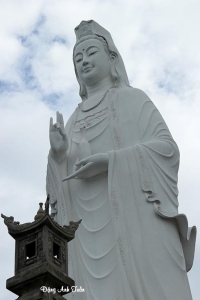
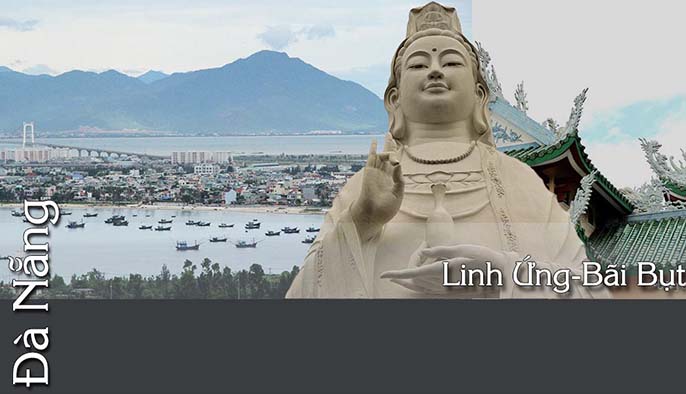
La pagode de Linh Ứng est située dans une zone appelée localement Bãi Bụt (le sanctuaire du Bouddha), sur la péninsule de Son Trà. Elle est considérée comme la pagode la plus magnifique de Đà Nẵng au niveau architectural et artistique.

Chùa Linh Ứng tọa lạc tại khu vực địa phương gọi là Bãi Bụt (thánh địa Phật giáo), trên bán đảo Sơn Trà. Đây được coi là ngôi chùa tráng lệ nhất Đà Nẵng về mặt kiến ​​trúc và nghệ thuật.

The Linh Ứng pagoda is located in an area locally called Bãi Bụt (the sanctuary of the Buddha), on the Son Trà peninsula. It is considered the most magnificent pagoda in Đà Nẵng in terms of architecture and art.


[Return TOURANE]

[Return RELIGION]


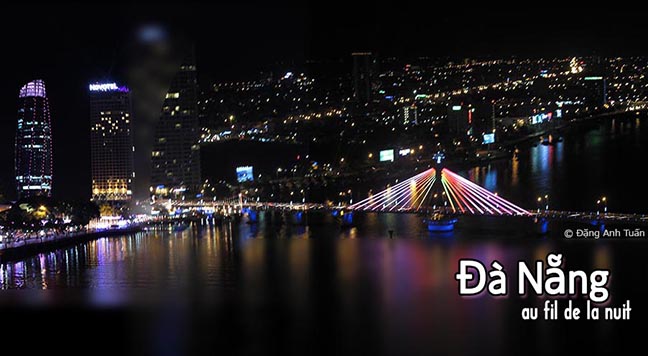
Đà Nẵng au fil de la nuit (Về Đêm)

danang_au_fil_de_la_nuit

[Return TOURANE]

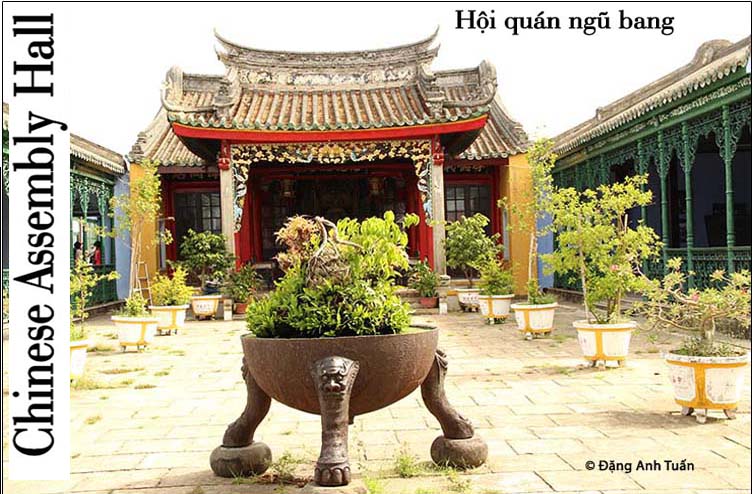
Hội An et ses 5 congrégations (Ngũ Bang)


Version française
Version anglaise
Galerie des photos

hoian_et_congregations

Siège des congrégations chinoises

64 Rue Trần Phú

Từ khi có thông lệnh của Mạc phủ (Bakufu) ở Nhật cấm người dân xuất ngoại thì nguời dân Nhật buộc lòng rời bỏ Hội An trở về. Khiến Hội An trở thành từ đây là thành phố của người Hoa nhất là có một biến cố quan trọng ở Trung Hoa vào giữa thế kỷ 17 với sự sụp đổ triều đại nhà Minh. Có một cuộc di tản đáng kể của người Hoa đến Vietnam luôn cả ở Hội An. Họ đến từ 5 vùng phiá nam của Trung Quốc: Quảng Đông, Triều Châu, Phúc Kiến, Hải NamGia Ứng (hay Hẹ).

Ở Hội An họ được các chúa Nguyễn cho phép họ có quyền tự chủ. Cụ thể là họ có quyền bầu người đại diện, giữ các phong tục và tập quán của họ cũng như có quyền lập các hội quán theo vùng họ đến. Có thể nói mỗi hội quán phản ánh phương ngữ bản địa, là thánh đường, là phòng thương mại (nơi để giải quyết tất cả công ăn việc làm của người Hoa mới đến định cư) và cũng là nơi trừng phạt những hành vi sai trái của mỗi thành viên. Vì vậy ít khi họ có các cuộc đụng chạm với người bản xứ và cần nhờ đến nhà chức trách. Chính cũng là một hệ thống giúp đở vô cùng hữu hiệu. Các hội quán có quyền thu thuế để xây cất trường học, bệnh viện và đền chùa riêng tư. Các hội quán đều nằm trên con đường chính Trần Phú cả vì thời đó Hội An chỉ có một con đường nầy mà thôi. Về sau nhờ việc bồi đất mới có thêm hai con đường song song đó là đường Nguyễn Thái Học và Bạch Đằng. Bởi vậy mới có câu mà người Hội An thường nói:

Thượng chùa cầu, hạ Âm Bổn

có nghĩa là ở đầu đường phiá tây có chùa cầu còn ở cuối đường phiá đông có chùa ông Bổn tức là chùa thờ Phục Ba tướng quân (Mã Viện), ngày nay là hội quán của người Triều Châu. Có nhiều sử gia cho rằng chùa cầu là do người Nhật xây cất, có phải họ xây cất thật sư hay mướn người Hoa cất. Đây là một điều bí ẩn mà cho đến nay chưa có sáng tõ rỏ ràng. Các nhà hội quán người Hoa dù có đến từ vùng khác nhau đi nữa đều có ba cổng dẫn đến một cái sân.

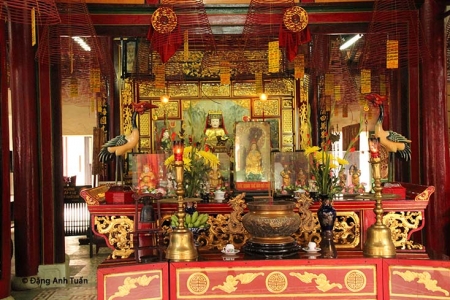
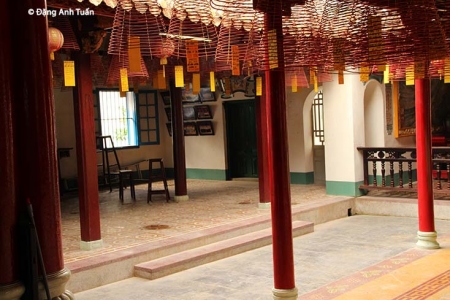
Tựa như đình của người dân Việt, các hội quán còn là nơi thờ cúng các nhân vật trong các chuyện thần thoại của Trung Hoa nhất là bà Thiên Hậu Thánh Mẫu, bà có công giúp người vượt sóng đại dương hay là các bậc anh hùng như Khổng Tử, Quan Vũ (hay Quan Công), Mã Viện, Tôn Đật Tiên vân vân.. Bởi vậy luôn luôn ở các hội quán có hai không gian: một gian dành cho việc thờ cúng còn gian còn lại dùng để giải quyết tất cả những việc liên quan đên cộng đồng. Khi họ đến Hội An họ thường cùng nhau ở chung một khu riêng biệt. Vì vậy người Việt thường gọi là khu khách trú. Bởi vậy mới gọi người Hoa là “khách trú” từ đó mà ra. Còn “ba tàu” cũng dùng để kêu họ vì dạo đó có 3 chiếc tàu của người Hoa do hai tướng nhà Minh Dương Ngan ĐịchHoàng Tiến xin định cư ở đất Chân Lạp (Mỹ Tho) với chúa Nguyễn Phúc Tần.

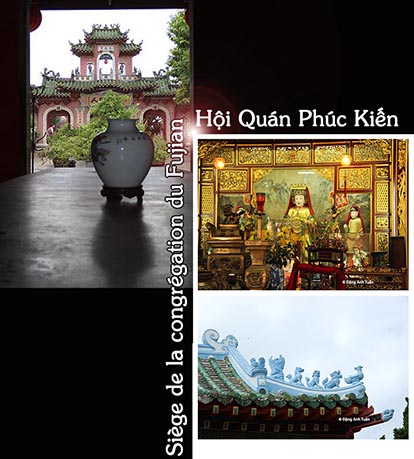
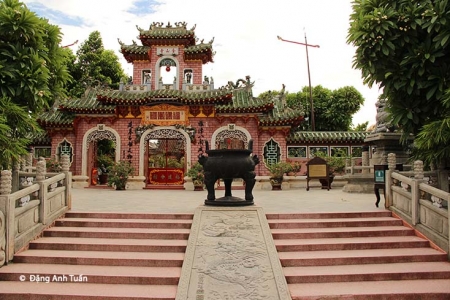
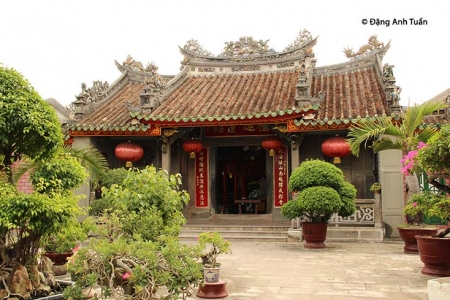
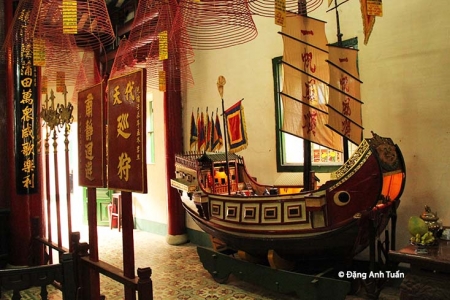
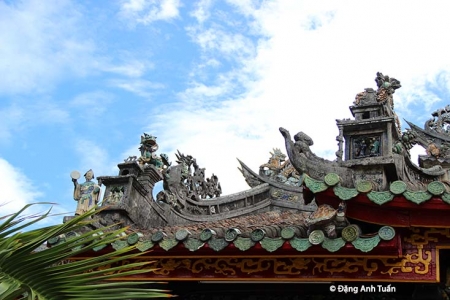
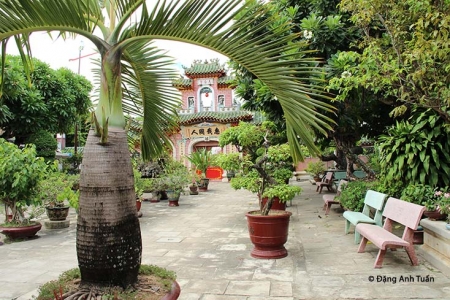
Muốn tham quan các hội quán trên đường Trần Phú thì người du khách có thể đi từ Chùa cầu đến am ông Bổn như vậy sẻ không thiếu sót một một hội quán nào cả. Nhưng trong các hội quán nầy, người du khách thường được biết đến nhiều khi đến Hội An đó là hội quán của người Phúc Kiến. Nơi nầy có cả mô hình của một chiếc thuyền cổ vượt biển vào thời đó và nhất là trên cổng chùa có những pho tượng thú như đã thấy ở trên mái của Điện Thái Hoà ở Tử Cấm Thành (Bắc Kinh).. Các con thú nầy được bài trí thứ tự được nhắc trong cuốn Đại Thanh hội điển (Da Qing Hui Dian), nhìn trông thấy lạ và thích thú.

Version française

Depuis le rapatriement forcé des Japonais lié à la politique isolationniste (ou Sakoku) du shogun Lemitsu Tokugawa , cela provoqua non seulement le déséquilibre démographique entre les deux communautés japonaise et chinoise à Hội An mais aussi la régression du quartier japonais jusqu’au point où on trouve seulement aujourd’hui le pont-pagode japonais, témoin unique d’une époque d’échange commercial entre le Japon et le Vietnam. Les commerçants chinois commencèrent à remplacer progressivement les Japonais en achetant leur maison et leur terre. Ils devinrent ainsi les acteurs principaux de l’économie commerciale de Hội An. Comme ils étaient issus des cinq régions: Kouang Toung (Quảng Đông), Tsao Chéou (Triều Châu), Foukien (Phúc Kiến), Hai Nan (Hải Nam) et Gia Ung (Gia Ứng, Hakka) de la Chine méridionale, ils bénéficiaient d’un certain degré d’autonomie. Ils pouvaient élire librement leurs représentants, garder leurs us et coutumes et constituer leur association selon leur appartenance régionale. Chaque congrégation avait pour but d’apporter l’entraide aux nouveaux venus et surtout à ceux qui se lançaient dans le commerce. On trouve à Hội An autant de congrégations que de régions de la Chine méridionale dont étaient issus les migrants chinois. Le siège de chaque congrégation est en fait un lieu de rencontre et de discussion sur les affaires de chaque communauté.

Ayant la même fonction de la maison communale (đình) des Vietnamiens, il est un lieu de culte des personnages de la mythologie chinoise ( la reine Thiên Hậu portant secours aux naufragés en pleine mer) ou des héros de la Chine ( Guan You (Quan Công), Phục Ba Tướng Quân Mã Viện (Ma Yuan), Sun Yat Shen (Tôn Dật Tiên) etc…). C’est pour cette raison que dans chaque siège de la congrégation, il y a toujours deux espaces: l’un réservé au culte et l’autre destiné à assumer et à planifier les activités communautaires. Lors de leur arrivée, les Chinois vivaient regroupés selon leur appartenance régionale et séparés des Vietnamiens dans leur quartier qu’on a l’habitude d’appeler en vietnamien « khu khách trú » (quartier des résidents). C’est pour cette raison qu’on les appelle dès lors « khách trú ». C’est le mot employé par les Vietnamiens pour désigner les Chinois. Pour pouvoir visiter toutes les congrégations chinoises de Hôi An, il suffit pour le touriste de prendre la rue principale Trần Phú car à une certaine époque Hôi An n’avait que cette rue. Il faut commencer la visite à partir du pont pagode japonais. De passage à Hôi An, aucun touriste ne perd l’occasion de connaître la pagode Fou Kien (congrégation des habitants de Fou Kien) car elle est le symbole de Hôi An avec son porche imposant, sa cour embellie de fleurs et sa toiture où il y a un  grand nombre de figurines animaux comme celles trouvées sur les bâtiments de la cité interdite de Pékin.

English version

Since the forced repatriation of the Japanese linked to the isolationist policy (or Sakoku) of Shogun Lemitsu Tokugawa, this not only caused a demographic imbalance between the Japanese and Chinese communities in Hoi An, but also led to the decline of the Japanese quarter to the point where today only the Japanese pagoda bridge remains, the sole witness to an era of trade between Japan and Vietnam. Chinese merchants gradually began to replace the Japanese by buying their houses and land. They thus became the main players in Hội An’s commercial economy. As they came from five regions of southern China: Guangdong, Chaozhou, Fujian, Hai Nan, and Gia Ung  (Hakka), they enjoyed a certain degree of autonomy. They were free to elect their representatives, maintain their customs and traditions, and form associations based on their regional origins. The purpose of each congregation was to provide mutual aid to newcomers, especially those who were starting businesses. There are as many congregations in Hội An as there are regions in southern China from which the Chinese migrants originated. The headquarters of each congregation is in fact a place for meeting and discussing the affairs of each community.

Serving the same function as the communal house (đình) of the Vietnamese, it is a place of worship for figures from Chinese mythology (Queen Thiên Hậu, who rescues shipwrecked sailors at sea) or Chinese heroes (Guan You (Quan Công), Phục Ba Tướng Quân Mã Viện (Ma Yuan), Sun Yat Shen (Tôn Dật Tiên), etc.). For this reason, each congregation headquarters always has two areas: one reserved for worship and the other for organizing and planning community activities. When they arrived, the Chinese lived grouped together according to their regional origins and separated from the Vietnamese in their neighborhood, which is commonly referred to in Vietnamese as “khu khách trú” (residents’ neighborhood). This is why they are now called “khách trú.” This is the word used by the Vietnamese to refer to the Chinese. To visit all the Chinese congregations in Hoi An, tourists need only take the main street, Trần Phú, because at one time Hoi An had only this street. The tour should start at the Japanese pagoda bridge. No tourist visiting Hoi An should miss the opportunity to visit the Fou Kien Pagoda (congregation of the inhabitants of Fou Kien), as it is the symbol of Hoi An with its imposing porch, its courtyard embellished with flowers, and its roof decorated with a large number of animal figurines similar to those found on the buildings of the Forbidden City in Beijing.

Galerie des photos 

NGU_BANG

[Return HOI AN]

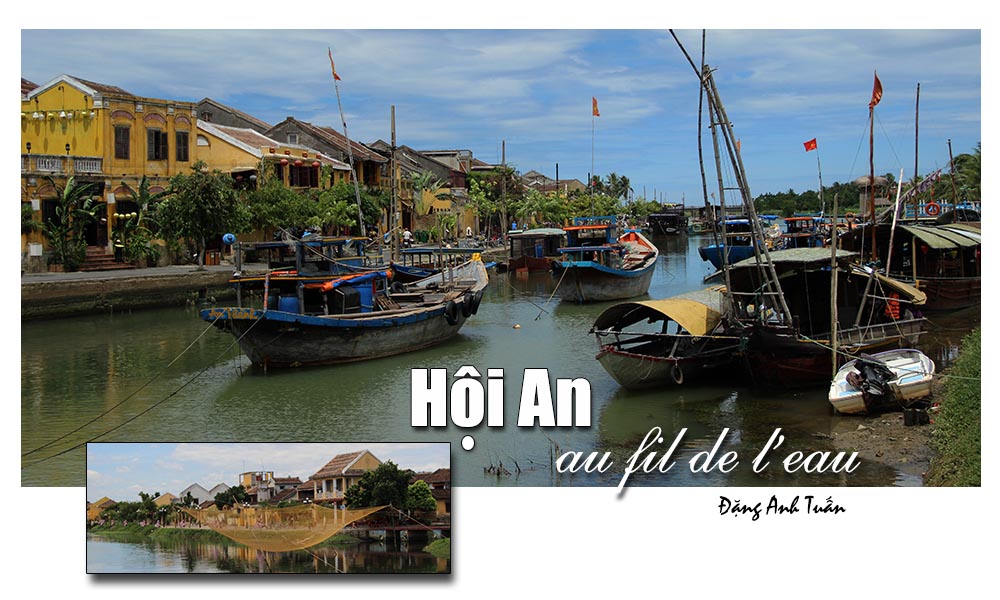
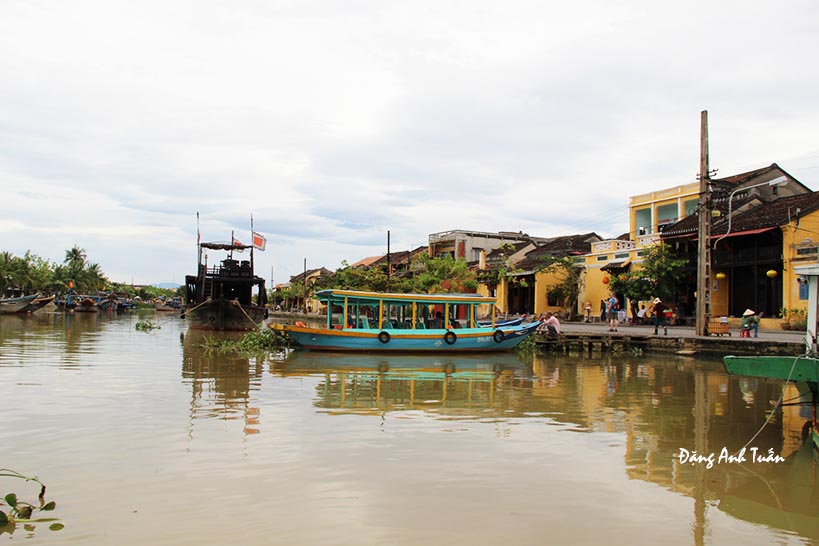
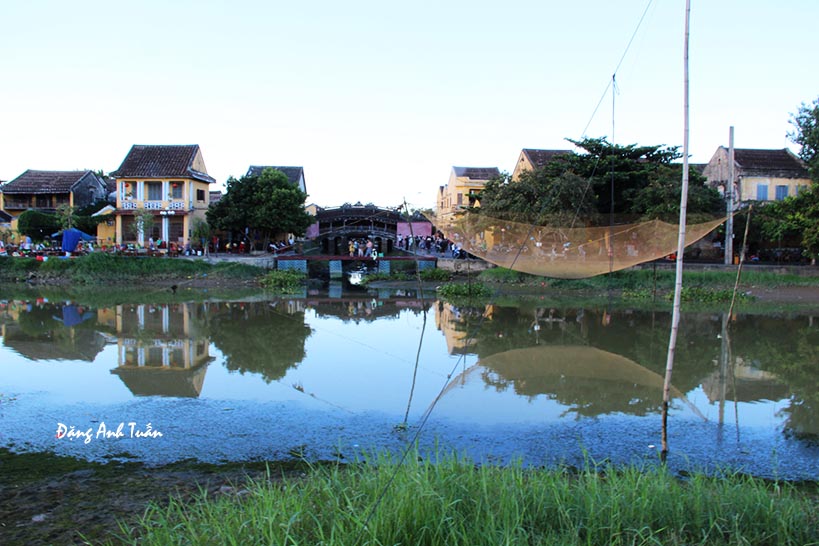
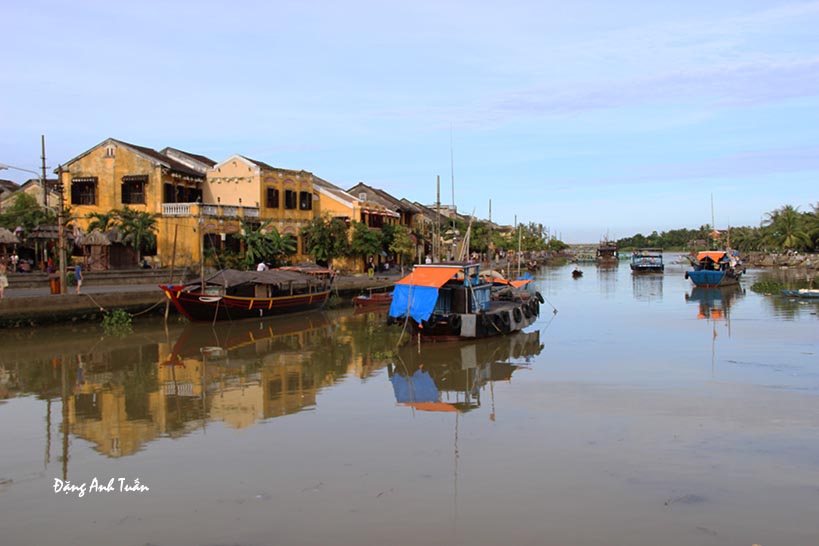
Hội An au fil de l’eau


hoian_au_fil_de_eauVen bờ sông Đoài 


Hoi An et ses maisons historiques (2ème partie)

hoian_et_ses_maisons

Version anglaise

Version vietnamienne

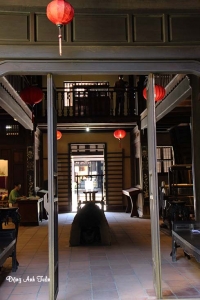
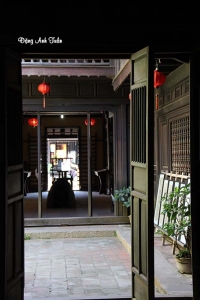
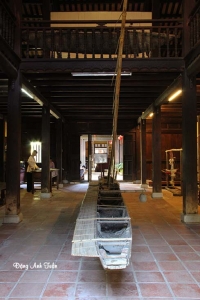
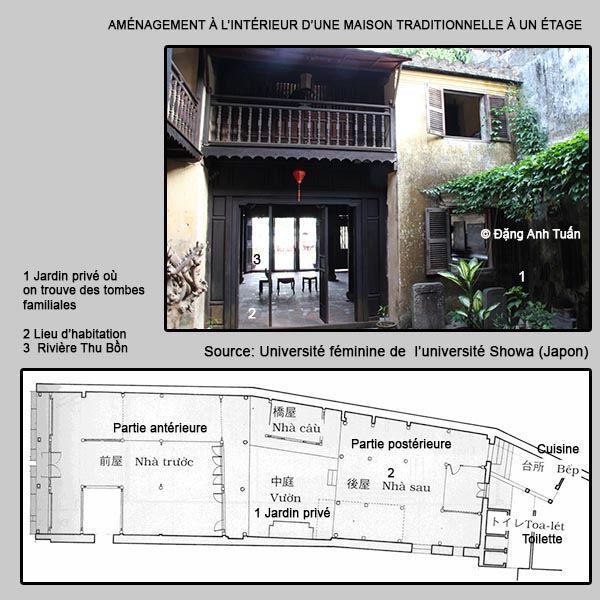
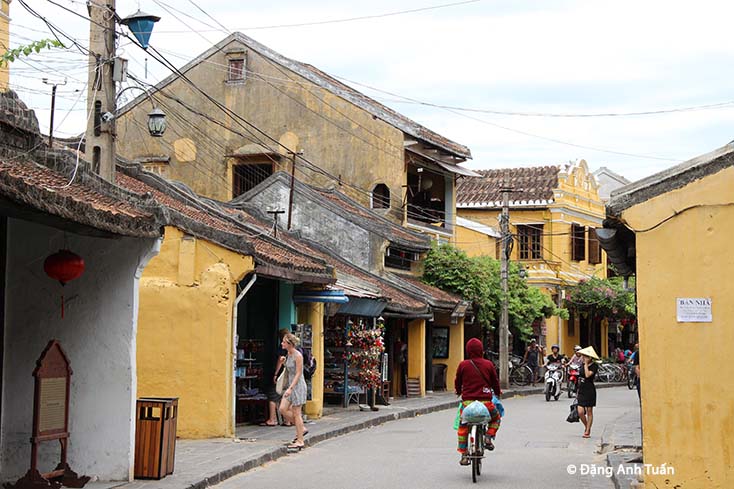
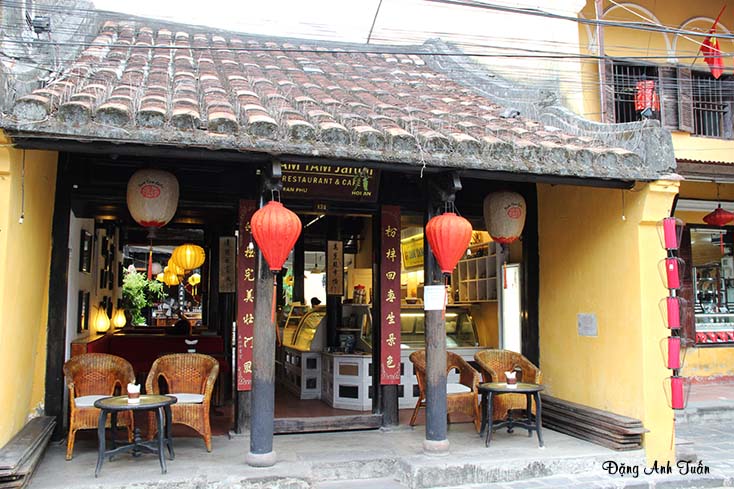
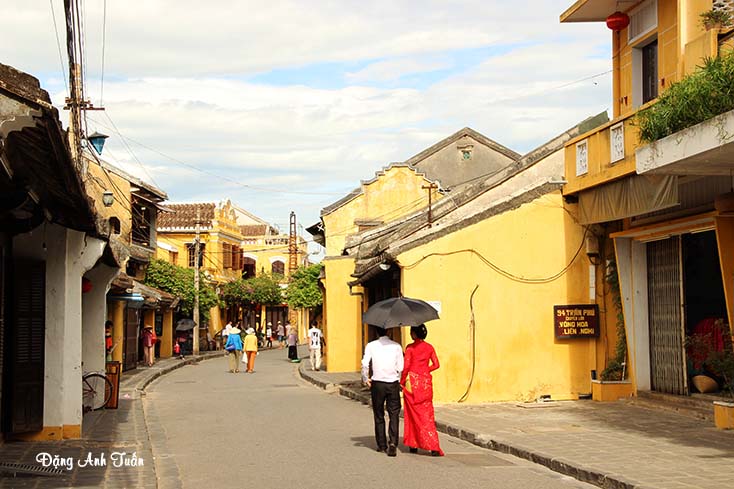
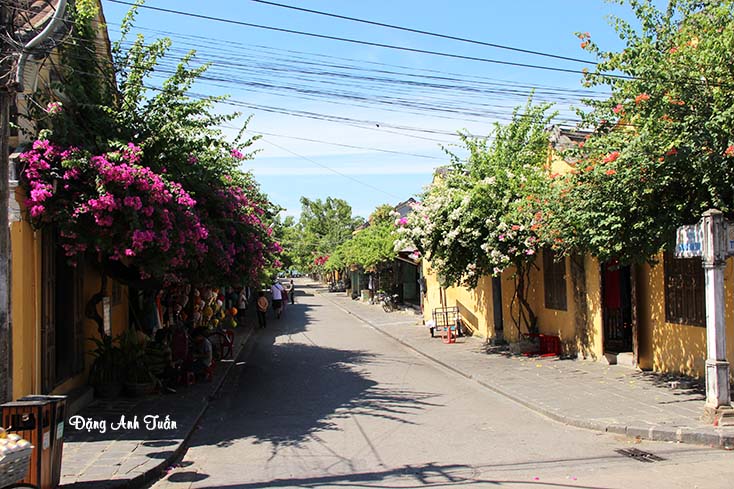
On trouve aujourd’hui à Hội An deux types de maisons: maisons donnant sur la rue (nhà phố) et maisons analogues à celles trouvées dans les champs de rizières (nhà rường). Quel que soit le type de maison, sa construction nécessite au préalable l’étude du terrain bâti et de l’aménagement intérieur en accord avec les règles de la géomancie ou Feng Shui (Phong Thủy) dans le but de chercher l’énergie positive de l’environnement permettant d’apporter santé, richesse et bonheur au nouveau propriétaire. Les maisons donnant sur la rue sont en fait des boutiques accessibles à la fois à la rue et à la rivière. Leur devant sert à accueillir les clients tandis que leur arrière permet de faciliter le transport et l’évacuation des marchandises par la rivière. Contrairement aux temples ou aux sièges des congrégations, ces maisons n’ont ni verdure ni clôture. D’une manière générale, elles doivent remplir plusieurs fonctions à la fois: boutique, habitation et emmagasinage. Pour répondre à cette exigence, ces maisons ont été construites selon un ordre linéaire très précis en profondeur:

   véranda–bâtiment principal–cour–bâtiment postérieur — cuisine et toilette

Les maisons traditionnelles se font remarquer surtout par leur longueur. Pour cette raison, elles sont appelées souvent sous un autre nom « nhà chuột (trou des rats) ». Sur la rue, elles sont alignées étroitement les unes sur les autres et sont séparées par des impasses (ou ruelles ) assez larges et éclairées . C’est une autre particularité trouvée auprès des maisons traditionnelles.

En fonction de la profondeur de la maison (allant de 10 à 40 m), le nombre de bâtiments peut varier. Mais la maison « nhà phố » doit comporter au minimum deux bâtiments séparés soit par une cour et un petit jardin en miniature soit un passage couvert. Cela permet de relier la structure d’avant destinée à servir les clients et à accueillir les invités, à celle de derrière consacrée à l’emmagasinage des marchandises et à l’habitation familiale. À l’arrière du bâtiment postérieur de la maison, se trouve un espace où on installe la cuisine, le puits et la toilette.

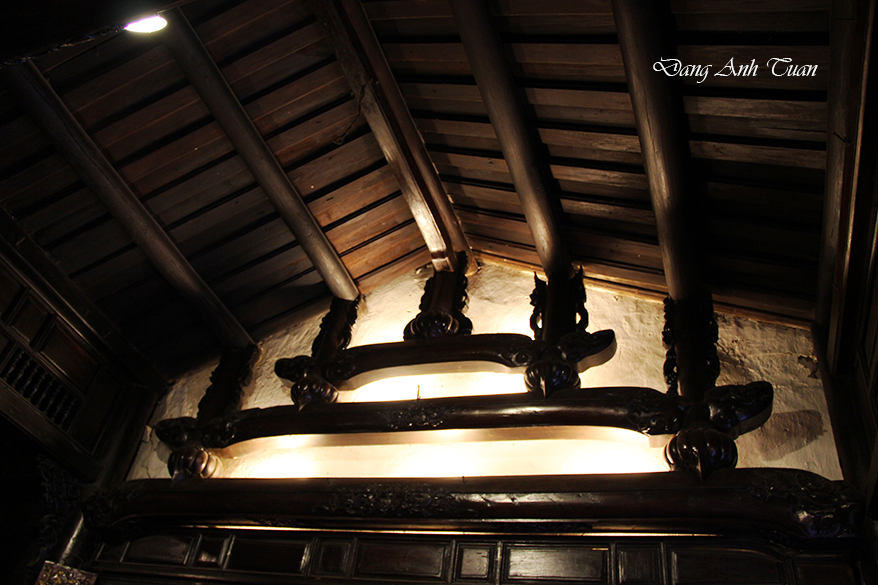
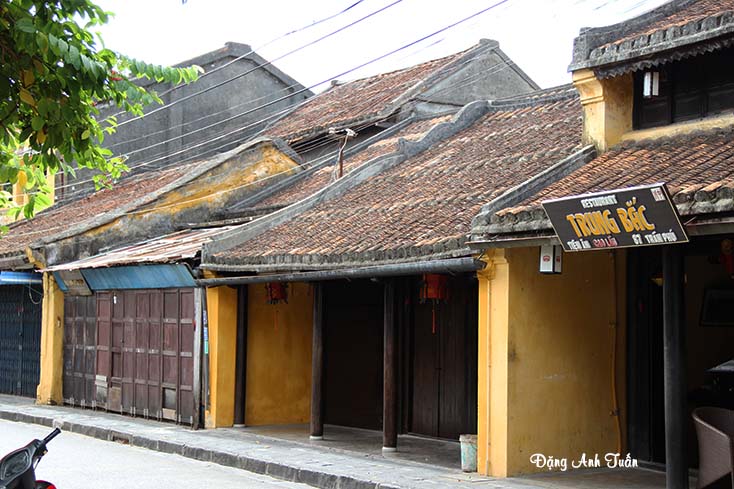
On a l’habitude d’attribuer aussi à ces maisons traditionnelles le nom de « maisons- couloirs » car on prend soin de séparer toujours le couloir de l’espace réservé au commerce et à l’habitation pour faciliter non seulement la circulation mais aussi l’aération. On constate que le couloir occupe une partie particulièrement importante dans la superficie totale de la maison. De plus, pour faciliter l’aération de chaque bâtiment, on est habitué à mettre en place la double toiture (constituée d’un grand et d’un petit toit) et à surhausser les chevrons (rui nhà) de chaque toit grâce à la structure de style Gassho (2) et celle d’un seul pilier. Cela permet de stabiliser les deux toits dont chacun est bien fixé sur son propre angle et d’empêcher la filtration d’eau dans la maison en les alignant de façon parallèle. Plus les chevrons sont élevés, plus le commerce fonctionne mieux.(Rui cao, làm ăn tốt). C’est le maxime des Japonais mais c’est peut-être aussi l’une des explications de l’utilisation fréquente de cette technique dans la construction des maisons traditionnelles à Hội An. Il ne faut pas oublier que la plupart de leurs maisons ont été ré-achetées par les commerçants chinois et que leur influence dans la construction n’a pas décliné au fil des années.
Dans la région de Thừa Thiên Huế comme celle de Quảng Trị, les structures de style Gassho et d’un seul pilier sont fréquemment rencontrées et elles sont particulièrement importantes. Ce sont des structures qui sont considérées souvent comme celles de style vietnamien. Même, à l’intérieur de la cité interdite de Huế, on constate que son architecture a une structure mélangeant à la fois les styles vietnamien et chinois. À cause de la proximité de Huế, certains spécialistes trouvent que la structure des maisons traditionnelles de Hội An ont une étonnante ressemblance à celle de la cité impériale de Huế. C’est à partir de cette constatation qu’on les considère désormais comme un héritage précieux de la culture du Centre du Vietnam. Lire la suite (Tiếp theo)

Hội An với những nhà cổ truyền thống

hoian_et_ses_maisons traditionnelles


Dù là kiểu nhà nào đi chăng nữa thì việc xây dựng nhà cũng cần phải có sự nghiên cứu sơ bộ về khu đất xây dựng và cách bố trí nội thất  để được phù hợp với quy luật địa lý phong thủy và nhằm tìm kiếm năng lượng tích cực của môi trường hầu mang lại sức khỏe, sự giàu có và hạnh phúc cho chủ căn nhà mới. Những ngôi nhà quay mặt ra đường thực chất là những cửa hàng được thông ra cả đường lẫn sông. Mặt trước của nhà được sử dụng để tiếp đón khách hàng trong khi phía sau nhà thì thuận lợi cho việc vận chuyển và di tản hàng hóa bằng đường sông. Không giống như các ngôi đền hoặc các nhà của hội đoàn, những ngôi nhà này không có cây cỏ hoặc hàng rào. Nói chung, các nhà nầy phải thực hiện một số chức năng cùng một lúc: cửa hàng, nhà ở và kho chứa đồ. Để đáp ứng yêu cầu này, những ngôi nhà này được xây cất  mang tính chất nói tiếp nhau theo đường thẳng  và rất chính xác với chiều sâu:

Hiên nhà – tòa nhà chính – sân trong – tòa nhà phía sau – bếp và nhà vệ sinh.

Những ngôi nhà truyền thống đặc biệt nầy được nổi bật nhờ chiều dài. Vì lý do này, chúng thường được gọi dưới một cái tên khác là « nhà chuột (ổ chuột) ». Ở mặt đường, các nhà được nối tiếp nhau một cách chặc chẽ và được cách xa nhau bởi những ngõ cụt khá rộng và sáng suốt. Đây là một đặc thù khác được tìm thấy với những ngôi nhà truyền thống.

Tùy theo độ sâu của ngôi nhà (từ 10 đến 40 thước) mà số lượng  toà nhà có thể thay đổi. Nhưng  ngôi nhà mà đựợc  gọi là « nhà phố” phải gồm ít nhất hai toà nhà cách xa nhau bởi một  cái sân và một khu vườn nho nhỏ hay là một lối đi có mái che. Điều này làm cho ngôi nhà có thể kết nối  lại cấu trúc ở phiá trước đây  nhằm để phục vụ khách hàng và tiếp đón khách với cấu trúc  ở phía sau dành cho việc lưu trữ hàng hóa và nơi ở của gia đình. Ở phía sau của toà nhà ở đằng sau của ngôi nhà thì có một không gian được bố trí  để có một gian bếp, một cái giếng và nhà vệ sinh.

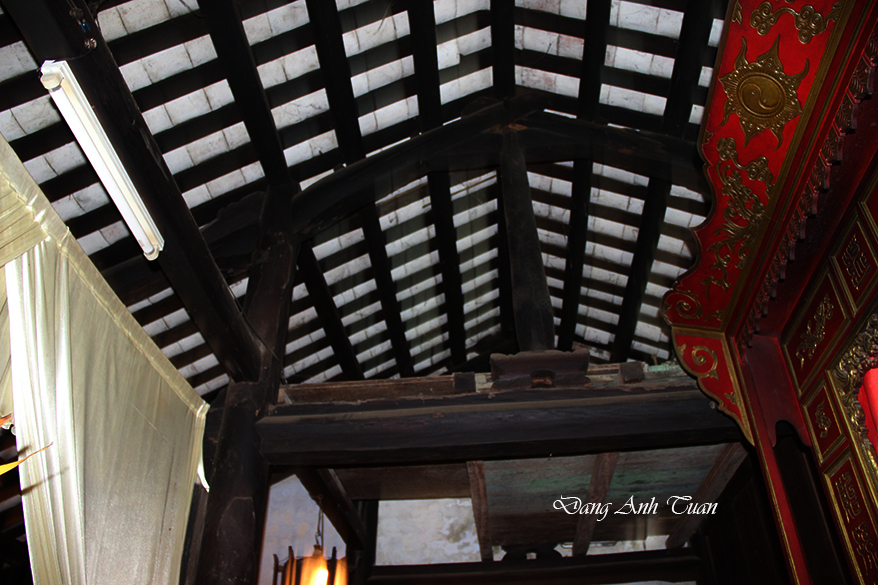
Người ta c ó thói quen hay  gán cho những ngôi nhà truyền thống này cái tên « nhà hành lang » vì họ luôn chú ý việc tách hành lang ra khỏi không gian dành cho mậu dịch và nhà ở để tạo điều kiện thuận lợi không chỉ cho sự giao thông mà còn tiện bề cho sự thông gió. Có thể thấy được hành lang chiếm một phần đặc biệt quan trọng trong tổng diện tích của ngôi nhà. Ngoài ra, để tạo sự thông thoáng cho mỗi tòa nhà, người ta  thường sử dụng cách lắp đặt mái đôi (gồm một mái lớn và một mái nhỏ) và nâng cao các rui nhà của mỗi mái nhờ cấu trúc của một trụ duy nhất và theo kiểu Gassho (2).

Điều này giúp việc ổn định hai mái nhà, mỗi mái được bố trí ở một góc độ  riêng và ngăn cặn được nước không vào nhà bằng cách sắp xếp hai mái được song song. Rui nhà càng cao thì việc buôn bán càng thuận lợi (Rui cao, làm ăn tốt). Đây là câu châm ngôn của người Nhật nhưng có lẽ cũng là một trong những lời giải thích cho việc sử dụng thường xuyên kỹ thuật này trong  việc xây dựng các ngôi nhà truyền thống ở Hội An.

Cần nên nhớ rằng hầu hết các ngôi nhà của họ đã được các thương nhân Trung Quốc mua lại và ảnh hưởng của họ trong lĩnh vực xây dựng không hề suy giảm qua nhiều năm.

Ở khu vực Thừa Thiên Huế như Quảng Trị, phong cách Gassho và các cấu trúc cột đơn thường xuyên được gặp và có ý nghĩa đặc biệt quan trọng. Đây là những cấu trúc thường được coi là mang phong cách riêng của người dân Việt. Ngay bên trong Tử Cấm Thành Huế, chúng ta có thể thấy kiến ​​trúc có cấu trúc đựợc pha trộn giữa phong cách Việt Nam và Trung Quốc. Vì gần với Huế, một số học giả nhận thấy rằng cấu trúc của các ngôi nhà truyền thống của Hội An có sự tương đồng đáng ngạc nhiên với kiến ​​trúc của kinh thành Huế. Chính từ nhận định này, các ngôi nhà được  xem coi là một di sản quý giá của văn hóa miền Trung Việt Nam.       [Đọc tiếp: Phần 3]

Forme de triangle pentu de deux éléments inclinés regroupés ensemble au
sommet comme deux mains jointes en prière (Gassho). 

Version anglaise

Today in Hội An, there are two types of houses: houses facing the street (nhà phố) and houses similar to those found in rice fields (nhà rường). Regardless of the type of house, its construction requires prior study of the built terrain and interior layout in accordance with the rules of geomancy or Feng Shui (Phong Thủy) in order to seek the positive energy of the environment that brings health, wealth, and happiness to the new owner. The houses facing the street are actually shops accessible both from the street and the river. Their front serves to welcome customers while their back facilitates the transport and evacuation of goods by river. Unlike temples or the headquarters of congregations, these houses have neither greenery nor fences. In general, they must fulfill several functions at once: shop, residence, and storage. To meet this requirement, these houses were built according to a very precise linear order in depth:
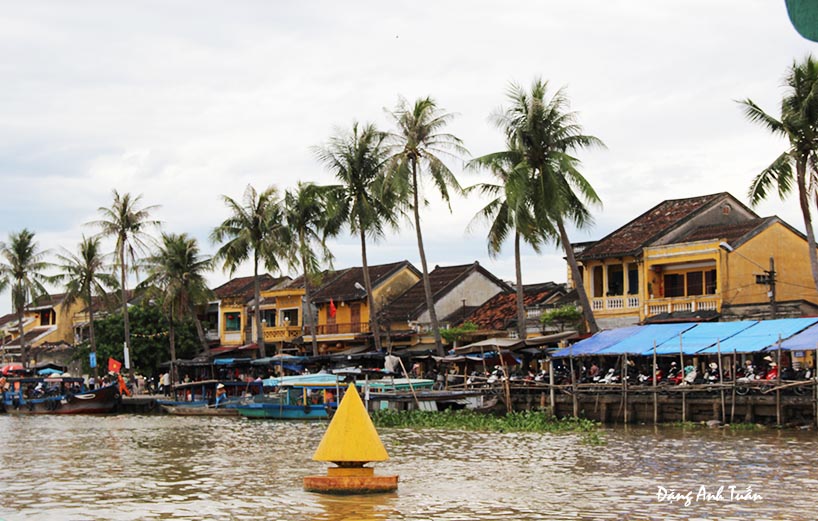
veranda–main building–courtyard–rear building — kitchen and toilet

Traditional houses are especially notable for their length. For this reason, they are often called by another name « nhà chuột (rat hole). » On the street, they are closely aligned with each other and separated by fairly wide and well-lit alleys (or lanes). This is another characteristic found in traditional houses.

Depending on the depth of the house (ranging from 10 to 40 meters), the number of buildings can vary. But the « nhà phố » house must have at least two buildings separated either by a courtyard and a small miniature garden or a covered passage. This allows connecting the front structure, intended to serve customers and welcome guests, to the rear one dedicated to storing goods and family living. Behind the rear building of the house, there is a space where the kitchen, well, and toilet are installed.

These traditional houses are also commonly referred to as « corridor houses » because care is always taken to separate the corridor from the areas designated for commerce and habitation, to facilitate not only movement but also ventilation. It is observed that the corridor occupies a particularly significant portion of the total area of the house. Furthermore, to facilitate the ventilation of each building, it is customary to implement double roofing (consisting of a large and a small roof) and to raise the rafters (rui nhà) of each roof using the Gassho-style structure (2) and that of a single pillar. This stabilizes the two roofs, each firmly fixed at its own corner, and prevents water from leaking into the house by aligning them parallel to each other. The higher the rafters, the better the business performs (Rui cao, làm ăn tốt). This is a Japanese maxim but may also be one of the reasons for the frequent use of this technique in the construction of traditional houses in Hội An. It should not be forgotten that most of their houses were repurchased by Chinese merchants and that their influence on construction has not diminished over the years.

In the Thừa Thiên Huế region, as well as in Quảng Trị, Gassho-style and single-pillar structures are frequently encountered and are particularly important. These are structures often considered to be of Vietnamese style. Even within the Imperial City of Huế, it is observed that its architecture has a structure blending both Vietnamese and Chinese styles. Due to the proximity of Huế, some specialists find that the structure of traditional houses in Hội An bears a striking resemblance to that of the Imperial City of Huế. It is based on this observation that they are now regarded as a precious heritage of Central Vietnam’s culture.    [Reading more :Part 3]


Bibliographie

  • Hội An. Hữu Ngọc- Lady Borton. Editeur Thế Giới
  • Patrimoine architectural, urbain, aménagement et tourisme: la ville Hội An, Việtnam. Huỳnh Thị Bảo Châu, thèse doctorat de l’université Toulouse 2, Juillet 2012.
  • Ancient town of Hội An thrives today. World heritage Hội An. Showa Women’s university of International Culture. Japan.

Hội an et ses maisons historiques

hoian_mai_nha_xua

Version vietnamienne
Version anglaise

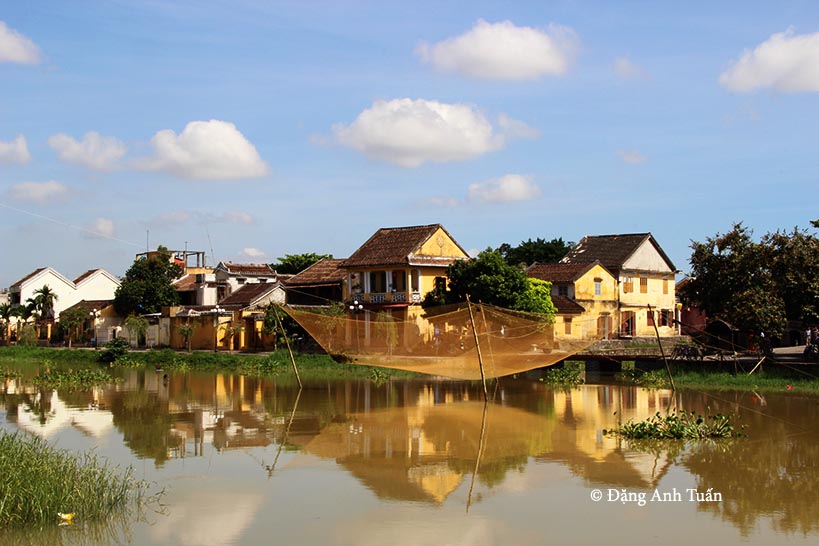
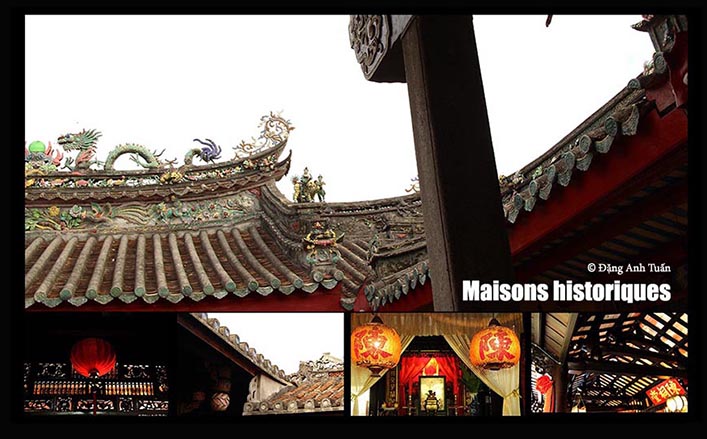
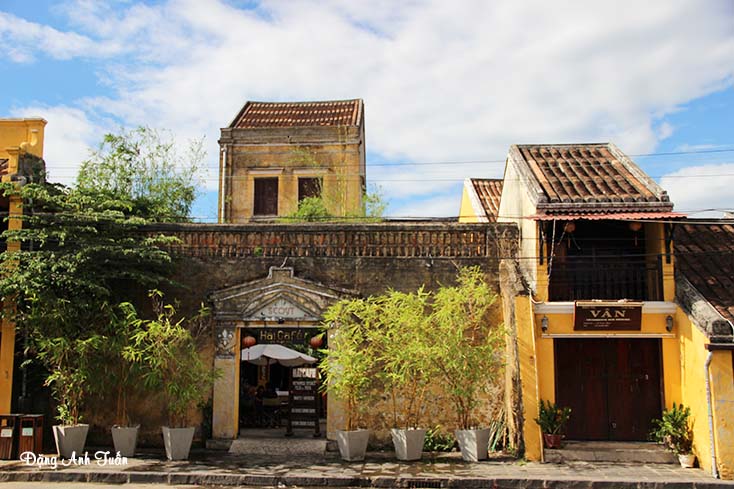
Malgré l’exposition fréquente de la ville Hội An aux calamités naturelles (inondations, humidité, chaleur, moussons etc.) et aux événements historiques (ravages provoqués par les troubles de Tây Sơn, changements dynastiques en Chine et au Vietnam), on s’aperçoit que la structure traditionnelle de ses maisons demeure inchangée au fil du temps. Le bois reste l’élément de base dans la construction et la perfection de son emploi atteint un très haut degré de réalisation artistique et architecturale. Par contre la fragilité du bois ne permet pas à ces maisons de résister aux dégradations provoquées par les changements climatiques. C’est pourquoi très peu de maisons existent encore aujourd’hui durant la période (1700-1850).(1). Ce sont les maisons traditionnelles sans étage avec la façade et le mur en bois. (Voir la classification chronologique de la construction et de la forme de la façade de ces maisons). On voit apparaître également un autre type de maison traditionnelle à la fin de cette période. C’est le modèle de la maison avec étage dont la façade est en bois ou en brique, avec ou sans grenier. Du fait de l’appartenance à des commerçants chinois, la plupart de ces maisons ont été construites tout en préservant le style et le décor de la région dont les propriétaires étaient issus. Certains commerçants exigeants n’ont pas hésité à faire venir non seulement le bois d’œuvre et les matériaux de construction de leur pays mais aussi les charpentiers hautement qualifiés de leur région. La multiplication des constructions allait de pair avec l’accroissement du potentiel commercial des Chinois et l’expansion territoriale due à l’acquisition de nouveaux terrains aux alentours de Hội An et au colmatage sur la berge de la rivière Thu Bồn.  Lire la suite (Tiếp theo)

Hội An với những nhà cổ

Mặc dù thành phố Hội An hay thường xuyên có thiên tai (lũ lụt, ẩm ướt, nắng nóng, gió mùa, vân vân…) và các biến cố lịch sử (sự tàn phá do nhà Tây Sơn gây ra, sự thay đổi triều đại ở Trung Quốc và Việt Nam), chúng ta nhận thấy rằng cấu trúc truyền thống của các ngôi nhà ở Hội An vẫn không thay đổi với thời gian. Gỗ vẫn là vật liệu cơ bản trong việc xây dựng và sự hoàn hảo sử dụng nó đạt đến mức độ rất cao  trong các thành tựu nghệ thuật và kiến ​​trúc. Mặt khác, tính dễ vỡ của gỗ không cho phép những ngôi nhà này chống lại được sự suy thoái do sự biến đổi khí hậu.

Đây là lý do tại sao rất ít có các ngôi nhà được còn tồn tại cho đến ngày nay trong thời kỳ từ 1700 đến 1850 (1). Đây là những ngôi nhà một tầng truyền thống với mặt tiền và vách tường bằng gỗ. (Xem bảng phân loại theo niên đại của cách xây dựng và hình thức mặt tiền của những ngôi nhà này). Chúng ta cũng thấy có  sự xuất hiện của một kiểu nhà truyền thống khác vào cuối thời kỳ này. Đây là mẫu nhà 2 tầng với mặt tiền bằng gỗ hoặc gạch, có gác mái hay không. Vì thuộc về các thương nhân Trung Quốc, hầu hết những ngôi nhà này được xây dựng và bảo tồn theo phong cách và lối trang trí của vùng đất mà các chủ nhà xuất thân đến. Một số thương nhân sành điệu đã không ngần ngại mang về đây không chỉ gỗ và vật liệu xây dựng từ đất nước của họ mà còn có cả những thợ mộc có tay nghề cao đến từ khu vực của họ. Sự gia tăng các công trình xây dựng được đi đôi với sự gia tăng tiềm năng thương mại của người Trung Quốc và sự mở rộng lãnh thổ do việc mua lại các vùng đất mới xung quanh ở Hội An và việc bồi đất ở bên bờ sông Thu Bồn.  (Đọc tiếp theo: phần 2)


Version anglaise

Despite the frequent exposure of the city of Hội An to natural disasters (floods, humidity, heat, monsoons, etc.) and historical events (damage caused by the Tây Sơn disturbances, dynastic changes in China and Vietnam), it is noticeable that the traditional structure of its houses remains unchanged over time. Wood remains the basic element in construction, and the mastery of its use reaches a very high level of artistic and architectural achievement. However, the fragility of wood does not allow these houses to withstand the deterioration caused by climatic changes. That is why very few houses from the period (1700-1850) still exist today. These are traditional houses without upper floors, with wooden façades and walls. (See the chronological classification of the construction and façade design of these houses). Another type of traditional house also appears at the end of this period.

This is the model of a two-story house with a facade made of wood or brick, with or without an attic. Due to the ownership by Chinese merchants, most of these houses were built while preserving the style and decor of the region from which the owners originated. Some demanding merchants did not hesitate to bring not only the lumber and construction materials from their country but also highly skilled carpenters from their region. The increase in constructions went hand in hand with the growth of the commercial potential of the Chinese and the territorial expansion due to the acquisition of new lands around Hội An and the filling in along the bank of the Thu Bồn River.[Reading more :Part 2]


(1) Architecture de la vieille ville de Hội An. Université féminine de Showa, Volume 3. 1996. Editeur Thế Giới, Hànội 2003