
 Oshino Hakkai (Nhật Bản)
Version française
Version anglaise
Galerie des photos
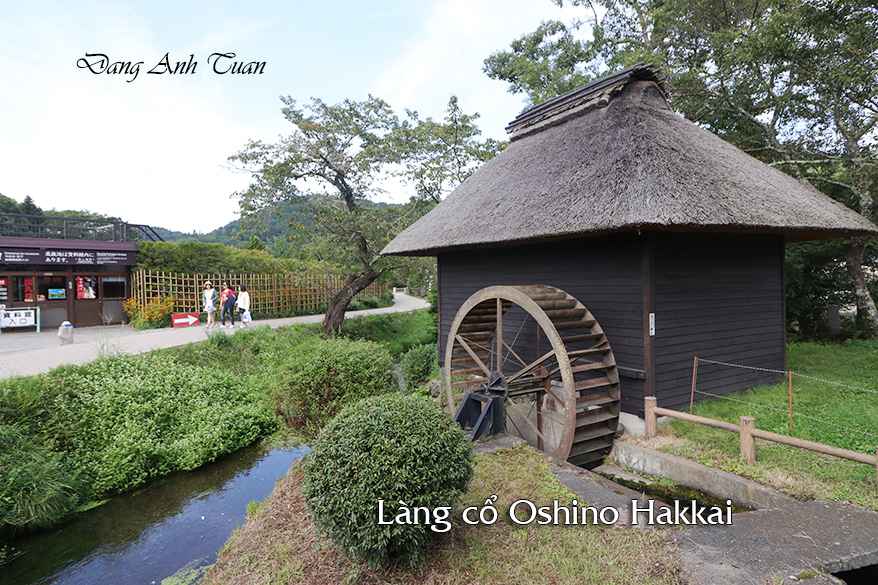
Sáng nay, ngày thứ tư, mình được cùng phái đoàn được viếng thăm một làng cổ trứ danh của nước Phù Tang ở dưới chân núi của núi Phú Sĩ thuộc về tỉnh Kanagawa cách xa thủ đô Tokyo 116 cây số trong khu vực ngũ hồ. Cũng như làng cổ Đường Lâm ở miền bắc Viêt Nam, Oshino Hakkai không những là một ngôi làng cổ thuần túy với phong cách kiến trúc ở thời kì Edo mà còn có vẽ đẹp thanh bình hoà hợp với môi trường. Nét đẹp của làng cổ thanh bình nầy đuợc thấy qua các mảnh vườn trồng rau, ngô, chè xanh và các khu vườn cây thông bao quanh các ngôi nhà mái lá cùng các buị bông ven đường. Ở đây còn sót lại 8 hồ nhỏ được tạo ra ở thời kì núi Phú Sĩ còn phun lửa. Dân cư ở đây phần đông làm ruộng nhưng rất giàu có chỉ nhìn qua các nhà họ xây dựng. Nhờ kiến trúc cá biệt, làng nầy được công nhận là một di sãn thế giới vào năm 2013 bởi UNESCO. Tuy nhiên đến đây khó mà chụp ảnh vì người dân ở đây họ muốn giữ cái yên tĩnh họ đã có từ bao nhiêu năm nay.
Le village antique d’Oshino Hakkai
Ce matin, au quatrième jour de mon voyage au Japon, j’ai eu l’occasion de visiter avec mon groupe touristique, un village antique très connu au Japon situé au pied du mont Fuji dans la zone de cinq lacs de la province Kanagawa et loin de la capitale Tokyo de 116 kilomètres. Analogue au village ancien Đường Lâm (Sơn Tây) dans le nord du Vietnam, Oshino Hakkai est un village très ancien. Il se distingue non seulement par son caractère authentique avec son style d’architecture de l’époque Edo mais aussi par son charme paisible en harmonie avec l’environnement. On trouve son attrait à travers ses jardins potagers (légumes, maïs, théier etc.) et ses parcs de pins bonsaï autour de ses maisons aux toits de chaume. Ici il reste 8 petits lacs crées au moment de l’éruption du volcan Fuji. Sa population est constituée essentiellement par les agriculteurs qui sont assez riches. Grâce à son architecture singulière, le village Oshino Hakkai fut reconnu en 2013 par UNESCO comme le patrimoine mondial culturel du Japon. Malgré sa réputation, il est difficile pour un touriste de faire des photos car ses habitants n’apprécient pas le regard des touristes et n’aiment pas à être dérangés non plus dans leur quiétude.
The ancient village of Oshino Hakkai
This morning, on the fourth day of my trip to Japan, I had the opportunity to visit with my tour group a very famous ancient village in Japan located at the foot of Mount Fuji in the Five Lakes area of Kanagawa Prefecture, 116 kilometers away from the capital Tokyo. Similar to the ancient village of Đường Lâm (Sơn Tây) in northern Vietnam, Oshino Hakkai is a very old village. It stands out not only for its authentic character with its Edo period architectural style but also for its peaceful charm in harmony with the environment. Its appeal lies in its vegetable gardens (vegetables, corn, tea plants, etc.) and its bonsai pine parks around houses with thatched roofs. Here remain 8 small lakes created at the time of Mount Fuji’s eruption. Its population mainly consists of farmers who are quite wealthy. Thanks to its unique architecture, the village of Oshino Hakkai was recognized in 2013 by UNESCO as a cultural world heritage site of Japan. Despite its reputation, it is difficult for tourists to take photos because the inhabitants do not appreciate the gaze of tourists and also do not like to be disturbed in their tranquility.