Nền văn minh Tam Tinh Đôi—Sự Tiếp nối của nền văn minh Lương Chử
Người Lương Chử đã đi đâu?
Nền văn hóa Lương Chử đã di cư đến đâu sau khi bị hủy diệt bởi một trận đại hồng thủy 4.300 năm trước? Đây là một câu hỏi rất thú vị, xét cho cùng, một nền văn minh tiên tiến và phức tạp như vậy, với dân số có lẽ hơn 5 triệu người, đã bị hủy diệt trong một trận đại hồng thủy. Mặc dù tổn thất dân số ở thành cổ Lương Chử cũng rất lớn, nhưng đối với những người thợ lành nghề đó, điều đó không nghiêm trọng bằng sự hủy diệt hoàn toàn. Vì vậy, miễn là những tài năng này vẫn còn, thì dù trận đại hồng thủy có thể kéo dài 20-110 năm, những tài năng này vẫn có thể sử dụng kỹ năng của mình ở một nơi không có lũ lụt. Và nó có thể được truyền lại cho đời sau. Do đó, sự hủy diệt hoàn toàn của nền văn minh Lương Chử cũng không có khả năng xảy ra.
Xét về quá trình phát triển lịch sử Trung Quốc, hướng di truyền chính của văn hóa Lương Chử là chảy về Nhị Lý Đầu ở phía bắc. Xét cho cùng, độ cao ở Nhị Lý Đầu tương đối cao và là một khu vực tương đối bằng phẳng. Bằng cách này, văn hóa thương mại quy mô lớn của Lương Chử có thể được kế thừa một cách hiệu quả, và cuối cùng, nền văn hóa huy hoàng của nhà Thương đã được hình thành, và sau đó được truyền bá đến Trung Quốc hiện đại. Hành lang Hà Tây, được hình thành sau trận Đại Hồng Thủy, đã kết nối Trung Quốc với thế giới phương Tây một cách hiệu quả, tạo nên một Con đường Tơ lụa huy hoàng trên đất liền.
Do đó, sau trận Đại Hồng Thủy, hướng di cư quan trọng nhất của người tị nạn do khí hậu ở thành cổ Lương Chử là hướng bắc. (Xiao, Shang & Jia, et al. 2023), do đó, nền văn minh Lương Chử có thể được thay thế bằng nền văn minh Hạ, đại diện là Nhị Lý Đầu (Winters. 1983) (Shaowu. 2006). So với văn hóa của thành cổ Lương Chử, văn hóa Nhị Lý Đầu cùng thời kỳ rất lạc hậu, do đó, sau khi thành cổ Lương Chử bị phá hủy, những người thợ thủ công và những tài năng khác có thể đóng vai trò quan trọng sau khi họ đến Nhị Lý Đầu. Những tài năng kỹ thuật này cũng đã thúc đẩy sự phát triển của văn hóa đồ đồng ở Nhị Lý Đầu.
Tuy nhiên, trong chương này, tôi muốn tập trung nhiều hơn vào việc viết về văn hóa Tam Tinh Đôi đã biến mất trong lịch sử. Mặc dù so với văn hóa Trung Nguyên, vốn kế thừa tinh thần quan trọng nhất của văn hóa Lương Chử, văn hóa Tam Tinh Đôi có phần lạc hậu hơn, nhưng nó cũng là một nền văn hóa có những đặc trưng riêng. Xét theo các bằng chứng khác nhau hiện có, văn hóa Tam Tinh Đôi đã có tác động sâu sắc đến văn hóa của Vương quốc Nam Việt và văn hóa của nhiều dân tộc miền Nam Trung Quốc.Khi phân tích hướng di cư tị nạn do biến đổi khí hậu ở Lương Chử, chúng ta dễ dàng bỏ qua một yếu tố quan trọng, đó là công nghệ đóng tàu của nền văn hóa Lương Chử rất tiên tiến, đặc biệt là công nghệ chế tạo xuồng. Xuồng do người Lương Chử chế tạo đã có thể di chuyển trên biển xa, nên khi lũ lụt đến, toàn bộ mực nước biển dâng cao 100 mét do tác động của đập ở quần đảo Ryukyu, dẫn đến một lượng lớn nước biển tràn vào, khiến cả hai bờ trung lưu và hạ lưu sông Dương Tử đều là đại dương. Ví dụ, thành phố Vũ Hán ở miền Trung Trung Quốc, hiện chỉ cao hơn mực nước biển 15 mét, người ta tin rằng khi mực nước biển dâng cao 60-100 mét, toàn bộ thành phố Vũ Hán sẽ bị ngập trong lũ, và độ sâu có thể lên tới hàng chục mét. Hiện tại, độ sâu của đập Tam Hiệp là 109m trong khu vực hồ chứa Tam Hiệp, và mực nước ban đầu của Tam Hiệp cũng được tính vào.
Do đó, một trận lũ lớn như vậy đã tràn vào khu vực hồ chứa Tam Hiệp, và trên thực tế, Tam Hiệp không quá dốc. Một hiện tượng khác do nước biển tràn vào gây ra là dòng chảy ở trung lưu và hạ lưu sông Dương Tử trở nên rất chậm, vì vậy ngay cả khi chèo thuyền từ cửa sông Dương Tử, bạn cũng có thể dễ dàng chèo thuyền đến Tam Hiệp Trùng Khánh với một chút sức lực, và sau đó trong nhiều thập kỷ, người dân thành phố cổ Lương Chử tiếp tục chèo thuyền đến Tứ Xuyên bằng thuyền độc mộc, và cuối cùng đến được một vùng đất tương đối cao nơi lũ lụt không quá sâu. Có lẽ nó đã đổ bộ vào khu vực Trùng Khánh. Sau khi đổ bộ, tất nhiên, những người Lương Chử này không dám ở lại Trùng Khánh với số lượng lớn vì xét cho cùng, một trận lũ lớn như vậy đã để lại một bóng đen lớn trong tâm lý của họ.Vì vậy, họ tiếp tục đi về phía bắc, và về phía tây, họ đến đồng bằng Thành Đô. Vì đây là một đồng bằng tương đối rộng lớn, nên nó phù hợp hơn với tập quán của người Lương Chử, những người đã quen sống ở vùng trung và hạ lưu sông Dương Tử và khu vực vịnh Hàng Châu. Chính những nhân viên kỹ thuật lành nghề này đã dần dần bám rễ tại đồng bằng Thành Đô. Đây có thể là một trong những nền văn hóa Hậu kỳ Đồ đá mới sớm nhất được khai quật tại di chỉ Tam Tinh Đôi. Xét về mặt thời gian, một số lượng lớn hiện vật văn hóa Lương Chử (Li. 2021) đã được khai quật tại di chỉ Bảo Đôn (Baodun) (HUANG, MA & ZHU, et al. 2022), bắt đầu khoảng 4500 năm trước, và cũng có thể liên quan chặt chẽ đến sự phá hủy thành cổ Lương Chử.
Ngoài ra, nghiên cứu cũng phát hiện ra rằng các hoạt động trồng lúa đã tăng lên đáng kể tại di chỉ Bảo Đôn vào khoảng 4200 năm trước Công nguyên (năm trước hiện tại) (Zhang, Lv& Lu, et al. 2021) (Guedes, Jiang & Jiang, et al. 2013), điều này có thể phản ánh sự xuất hiện của một số lượng lớn người thuộc tông người Lương Chử. Mặc dù số lượng người Lương Chử đến Tam Tinh Đôi ở Quảng Hán (Guang Han) bằng xuồng có thể không nhiều, nhưng những người này rất thành thạo về kỹ thuật, nghĩa là Họ thuộc nhóm những người có kỹ thuật cao tại thành cổ Lương Chử. Sau khi nhóm người này đến di chỉ Tam Tinh Đôi, họ bắt đầu phát huy tối đa chuyên môn về công nghệ sản xuất.
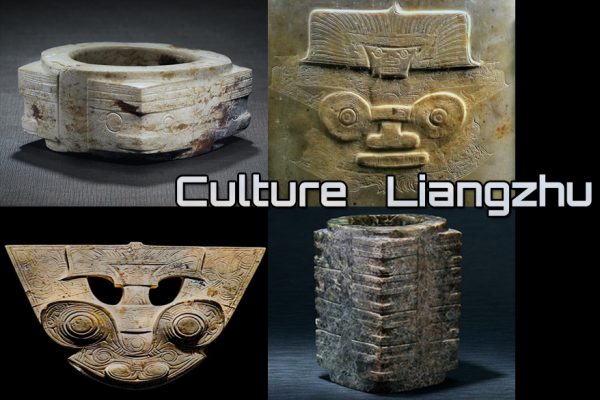
Do đó, nhiều loại đá ngọc bích cũng đã được tìm thấy trong các di tích đầu của Tam Tinh Đôi (Flad. 2012). Những di vật văn hóa này hẳn là thuộc về văn hóa Lương Chử, và với dân số ngày càng tăng tại thành cổ Tam Tinh Đôi, những người có kỹ thuật này dần dần truyền lại kỹ năng của mình cho các thế hệ tương lai, và các thế hệ tương lai có thể dần dần phát huy những công nghệ này. Có thể thấy từ các hiện vật ngọc bích được khai quật tại di chỉ Tam Tinh Đôi cho thấy tay nghề thủ công và độ tinh xảo của chúng đã vượt trội hơn ngọc bích của văn hóa Lương Chử (Yu. 2023), và hình dạng cũng phức tạp hơn, cho thấy văn hóa Tam Tinh Đôi đã kế thừa và phát triển công nghệ sản xuất ngọc bích của văn hóa Lương Chử.Chức năng của ngọc bích cũng đã chuyển từ vai trò trung gian trao đổi tiền tệ ban đầu sang các vật phẩm như nghệ thuật, trang trí và công cụ thiết thực. Tất nhiên, điều này có liên quan đến môi trường tương đối khép kín của thành cổ Tam Tinh Đôi. Tại thành cổ Lương Chử, đây là một vùng vịnh, hoạt động ngoại thương diễn ra rất thường xuyên, và cần một lượng tiền tệ lớn để trao đổi, do đó, một ngành công nghiệp chế tác ngọc bích tiên tiến đã được hình thành, hay còn gọi là ngành sản xuất tiền tệ. Nhưng khi những người xưa ở thành cổ Lương Chử di cư đến thành cổ Tam Tinh Đôi, họ nhận thấy rằng việc giao thương không còn thường xuyên nữa, nên chức năng tiền tệ của ngọc bích dần suy yếu.
Đổi lại, việc chế tác và sản xuất những viên ngọc bích này đã trở thành các tác phẩm nghệ thuật đa dạng và một số công cụ thiết thực hơn. Không giống như thời đại Lương Chử, công nghệ mà con người làm chủ cũng đang phát triển nhanh chóng. Sự ra đời của đồng và vàng đồng nghĩa với sự xuất hiện của một ngành công nghiệp hoàn toàn mới. Đồng thau ở Trung Nguyên được đúc thành nhiều loại vũ khí khác nhau. Nền văn minh Tam Tinh Đôi tương đối khép kín, và giống như ngọc bích, đồng và vàng được sử dụng để đúc nhiều loạitác phẩm nghệ thuật và nhu yếu phẩm hàng ngày.Chấn thương tâm lý mà trận lụt để lại cho người dân Lương Chử thời xưa có thể bao gồm cả nỗi sợ hãi thần linh. Hóa ra, mọi người đều không mấy tin tưởng vào thần linh, và cảm thấy năng lực của thần linh vốn đã rất mạnh mẽ. Tuy nhiên, sau khi trận lụt ập đến, nhiều người cho rằng quả thực có một vị thần rất quyền năng điều khiển cuộc sống của con người. Do đó, trong thời kỳ văn hóa Tam Tinh Đôi, người ta chú trọng hơn đến việc thờ cúng thần linh. Vào thời điểm này, sự xuất hiện của đồ đồng khiến người ta cảm thấy rằng đây có thể là lời ám chỉ của thần linh đối với họ, và những đồ dùng bằng kim loại này có thể được sử dụng để đúc ra nhiều vật phẩm khác nhau mà thần linh cần.
Người dân Tam Tinh Đôi bắt đầu thờ cúng thần linh với số lượng lớn, điều này cũng để lại cho chúng ta hàng ngàn năm di tích văn hóa chạm khắc bằng đồng và vàng Tam Tinh Đôi. Hiện tại, 8 hố tế lễ đã được khai quật tại di chỉ Tam Tinh Đôi (Wang, Tang & Shen. 2022), thể hiện lòng thành kính của người dân Tam Tinh Đôi. Cầu xin thần linh. Đây là một sự giao thoa rõ ràng với văn hóa Trung Nguyên thời bấy giờ, và nó cũng giữ lại nhiều đặc điểm quan trọng của riêng mình (Guo, Xiang & Ran, et al. 2023).Sự chuyển giao chuỗi công nghiệp Lương ChửMột trận lụt 4.300 năm trước đã khiến toàn bộ thành cổ Lương Chử biến mất. Điều này cũng có nghĩa là sau nhiều thập kỷ bị nhấn chìm, tất cả kiến trúc và văn hóa tại địa điểm thành cổ Lương Chử đã biến mất và không có cách nào để xây dựng lại. Bởi vì trận lụt đã mang theo một lượng lớn phù sa phủ kín toàn bộ đất và đá vỉa hè, vốn không có chất lượng tốt, nên thành cổ Lương Chử cuối cùng đã trở thành một đồng cỏ sau khi lũ rút. Lũ lụt không chỉ nhấn chìm toàn bộ thành phố mà còn phá hủy nhiều chuỗi công nghiệp của cổ thành Lương Chử.
Bao gồm cả các ngành công nghiệp như dệt may, vốn bị thiệt hại nặng nề nhất. Không còn ai sản xuất sợi lanh nữa. Ngay cả khi có khung cửi, nó cũng vô dụng, vì không có nguồn cung cấp nguyên liệu thô, và bạn không thể dệt vải. Ngay cả khi bạn chỉ có thể dệt vải, bạn cũng chỉ có thể trao đổi với người khác. Bởi vì trận đại hồng thủy ập đến cũng đã phá hủy ngành đúc tiền ở cổ thành Lương Chử. Cổ thành Lương Chử ban đầu buôn bán ngọc bích, vốn rất dồi dào trước trận lụt, và nhiều người thậm chí còn dùng những đồ vật bằng ngọc bích này để chôn cất sau khi chết để thể hiện sự giàu có. Nhưng khi trận lụt đến, người dân phải mang theo rất ít ngọc bích khi chạy nạn, và ngọc bích bị chôn vùi trong trầm tích do lũ mang đến. Tất nhiên, ngành đóng tàu cũng vậy, nó đã phải hứng chịu một thảm họa. Do diện tích bị lũ lụt bao phủ rộng lớn, nhiều chuỗi công nghiệp liên quan đến toàn bộ ngành đóng tàu cũng đã bị thiệt hại.Trong số này, điều duy nhất có thể tồn tạicó lẽ là ngành khai thác gỗ. Việc chế biến gỗ, vốn cần được thực hiện trong khu công nghiệp ở rìa thành phố, cuối cùng sẽ bị ngập lụt. Tuy nhiên, lũ lụt chủ yếu xảy ra ở các vùng trũng thấp. Ở vùng sâu trong đất liền, chẳng hạn như Chiết Giang,Giang Tây,Hồ Nam, Hồ Bắc và những nơi khác có độ cao tương đối lớn, nước lũ vẫn có thể rút nhanh chóng. Ngay cả nhiều vùng cao hơn ở nội địa cũng chưa bị ngập lụt.
Trong trường hợp này, nhiều chuỗi công nghiệp ở thành cổ Lương Chử cũng có thể được di dời đến các khu vực sâu trong đất liền này. Chuỗi công nghiệp tiên tiến được di dời từ nền văn minh Lương Chử cũng đã thúc đẩy sự thịnh vượng của các khu vực sâu trong đất liền, do đó đưa thời kỳ đồ đá của Trung Quốc chuyển từ giai đoạn chủ yếu là văn hóa hàng hải sang giai đoạn chủ yếu là văn hóa lục địa và văn hóa sông lớn. Đây cũng là một sự bổ sung.Suy cho cùng, có rất nhiều công nghệ có thể được sử dụng tốt hơn ở vùng sâu trong đất liền. Ví dụ, sự phát triển của công nghệ luyện kim đã dẫn đến sự xuất hiện đồ đồng ở các vùng nội địa. Cuối cùng, điều này dẫn đến sự phát triển hơn nữa của công nghệ luyện kim, giúp luyện được sắt có nhiệt độ nóng chảy cao hơn. Tất nhiên, điều này có nghĩa là nền văn minh Trung Quốc đã bước vào một giai đoạn phát triển mới và cao hơn. Tất nhiên, văn hóa hàng hải Lương Chử nguyên thủy, vốn chủ yếu dựa vào đóng tàu, vẫn chưa biến mất. Trong khi các chuỗi công nghiệp như dệt may và khai thác gỗ được chuyển đến đất liền, ngành đóng tàu được chuyển đến Ôn Châu ở phía nam, các vùng ven biển Phúc Kiến và khu vực đồng bằng sông Châu Giang bị cuốn trôi sau lũ lụt.Do đó, sau văn hóa Lương Chử, sau hơn 3000 năm TCN, một số kỹ thuật đóng thuyền xuồng tiên tiến hơn thường xuất hiện ở Phúc Kiến, Quảng Đông và các nơi khác.
Ví dụ, một chiếc xuồng rất lớn đã được khai quật ở Mẫn Hầu, Phúc Châu, tỉnh Phúc Kiến (Qu. 2023), cho thấy sau khi thành phố cổ Lương Chử bị lũ lụt,nhiều kỹ thuật viên đóng thuyền xuồng đã dần dần di chuyển về phía nam từ vịnh Hàng Châu đến Phúc Kiến và Quảng Đông, đóng vai trò rất quan trọng trong việc thúc đẩy sự phát triển của công nghệ đóng tàu thời kỳ đồ đá ở Phúc Kiến và Quảng Đông. Tất nhiên, Phúc Kiến khác với Chiết Giang, nơi chủ yếu là đồi núi, nên không có hệ thống giao thông đường thủy phức tạp như vịnh Hàng Châu ở Chiết Giang, dẫn đến việc ứng dụngcác loại xuồng phù hợp hơn để đi thuyền trên nước ngọt tương đối nhỏ.Do đó, trên cơ sở sản xuất xuồng, Phúc Kiến đã phát triển một loại « tàu Fu » phù hợp hơn cho việc di chuyển trên biển (QIUPENG. 2002). Đây là một chiếc thuyền vánvới đáy sắc nhọn, rất lý tưởng để phá sóng trên biển. Đây là loại « tàu Fu » được Trịnh Hòa sử dụng trong các chuyến hải hành xuyên lục địa vào thời nhà Minh (Church. 2005) (Church, Gebhardt & Little. 2010).
Điều này phản ánh thực tế rằng sau khi thường xuyên sử dụng xuồng để di chuyển trên biển, những người đóng tàu ở Phúc Kiến đã có thể khéo léo sử dụng các cơ chế thủy động lực học để điều khiển việc di chuyển của tàu thuyền trên biển.Sự phát triển của các kỹ thuật đóng thuyền xuồng này ở Phúc Kiến đã thúc đẩy sự di cư của người cổ đại thời kỳ đồ đá ở miền nam Trung Quốc đến các vùng biển và những nơi khác xa hơnvề phía nam, hình thành nên một số lượng lớn cư dân nguyên thủy nhất của các đảo Thái Bình Dương và Úc. Người ta đã xác nhận rằng hoạt động sớm nhất của con người ở Nam Mỹcó từ 13.000 năm trước. Nhiều khả năng những người tiền 13.000 này đã di cư từ châu Á đến Úc và sau đó đến Nam Mỹ qua các đảo ở Nam Thái Bình Dương. Hiện tại, hầu hết các bằng chứng đều chỉ ra nguồn gốc chung của những người cổ đại này là Phúc Kiến và các nơi khác. Đây chủ yếu là bằng chứng về ngôn ngữ (Bellwood. 1991) (Bellwood. 1984) (Bellwood, Fox & Tryon. 1995);Mặc dù các chuỗi công nghiệp này cuối cùng đã được chuyển giao thành công, nhưng do thiếu một hệ thống thương mại thuận tiện như Vịnh Hàng Châu, các chuỗi này bắt đầu trở nên kém thịnh vượng hơn sau khi đến khu vực mới. Ví dụ, nếu ngành chế tác ngọc bích không có chức năng tiền tệ như thành cổ Lương Chử, nó chỉ tồn tại như một loại trang sức, và sự sẵn lòng của những người thợ lành nghề trong sản xuất sẽ tự nhiên giảm sút. Kết quả là, công nghệ và quy mô chế tác ngọc bích trong các thời kỳ sau kém xa so với thành cổ Lương Chử. Điều này cũng dễ hiểu.
Ngọc bích Tam Tinh Đôi
Sự kế thừa từ văn hóa Tam Tinh Đôi sang văn hóa Lương Chử cũng có thể được thấy qua các loại hiện vật ngọc bích được khai quật. Tất nhiên, trong văn hóa Tam Tinh Đôi, do ngọc bíchđã mất chức năng trao đổi tiền tệ, nên ngọc bích trong di tích Tam Tinh Đôi chủ yếu là một số đồ trang trí nghệ thuật, đồ tế lễ, v.v., nhưng từ hình dáng và phong cách nghệ thuật củanhững viên ngọc bích này, chúng ta vẫn có thể thấy rõ sự kế thừa của chúng từ văn hóa Lương Chử. Ví dụ,một loại ngọc bích như ngọc bích, trên thực tế, một số lượng lớn ngọc bích như vậy đã được tìm thấy trong các di vật văn hóa được khai quật từ di chỉ văn hóa Lương Chử. Trong văn hóa Lương Chử, ngọc bích được cho là chủ yếu được nam giới sử dụng để chỉnh sửa tóc (Fang.2020).
Tất nhiên, có nhiều chuyên gia suy đoán rằng nó nên là một vật tế lễ tôn giáo, vì vậy nó không có chức năng thực tế và thuộc về một biểu tượng văn hóa cụ thể. Ngay cả khi dùng làm mũ đội đầu, nó cũng có thể được sử dụng theo nhiều cách khác nhau, và nếu các nền văn hóa khác khác biệt đáng kể so với nền văn hóa Lương Chử, thì sẽ không thể tạo ra được loại ngọc bích có hình dạng này.Tuy nhiên, chúng tôi đã tìm thấy một số lượng lớn các công ngọc như vậy trongngọc được khai quật tại di tích Tam Tinh Đôi.Ngoài ra, chúng tôi có thể thấy rằng nhiều hiện vật ngọc trong văn hóa Lương Chử có biểu tượng nữ thầntrên đó (Guo & Weng. 2023). Điều này được thể hiện trong Hình 3-1. Khuôn mặt của biểu tượng nữ thần là hình vuông, và tư thế khá kỳ lạ. Đây là một hình thức điêu khắc tương đối trừu tượng, khác biệt đáng kể so với các tác phẩm điêu khắc của nền văn minh Hy Lạp và Lưỡng Hà cổ đại. Khi so sánh các tác phẩm điêu khắc bằng đồng được khai quật tại di tích Tam Tinh Đôi, chúng tôi có thể thấy rằng mặc dù những tác phẩm điêu khắc bằng đồng này tinh xảo hơn, nhưng chúng tôi cũng có thể thấy rằng phong cách nghệ thuật của chúng rõ ràng phù hợp vớihình dạng của biểu tượng nữ thần như vậy của văn hóa Lương Chử. Tất nhiên, còn có những tác phẩm điêu khắc và tác phẩm nghệ thuật bằng đồng ngọc khác ít nhiều tiếp nối các phong cách nghệ thuật khác nhau của văn hóa Lương Chử, điều này đủ để chứng minh rằng văn hóa Tam Tinh Đôi có cùng nguồn gốc với văn hóa Lương Chử.
Thuyền độc mộc của người Lương Chử ở đâu?
Một câu hỏi khác là nếu cư dân của thành cổ Tam Tinh Đôi di cưtừ thành cổ Lương Chử ở trung và hạ lưu sông Dương Tửbằng thuyền độc mộc, vậy tại sao không có thuyền độc mộc nào được khai quật tại di chỉ Tam Tinh Đôi? Vấn đề nàyrất dễ giải quyết, theo ước tính trước đây của tôi, có thể thấy rằng vào thời đại Hà Mộc Độ của nền văn hóa Lương Chử 7.000 năm trước, số lượng thuyền độc mộc trên toàn Trung Quốc đã lên tới 5.000 chiếc. Nhưng với số lượng thuyền độc mộc lớn như vậy, cuối cùng chỉ còn lại một hoặc hai xác thuyền độc mộc được khai quật hàng nghìn năm sau đó. Trận lụt đã khiếnmột lượng lớn người có công nghệ cao ở thành cổ Lương Chử trôi dạt bằng thuyền độc mộc dọc theo dòng nước ngược đến đồng bằng Tứ Xuyên, nhưng số lượng thực tế không nhiều. Nhiều nhất cũng chỉ có một hoặc hai trăm chiếc.
Nhiều nhất cũng chỉ một hoặc hai trăm chiếc xuồng. Khi những chiếc xuồng này đến thành cổ Tam Tinh Đôi, họ sẽ nhận ra chúng thực ra vô dụng, nên sau khi nước lũ rút, một số chiếc lại trôi ra biển, và phần lớn sẽ bị bỏ lại trên sông Dương Tử. Sau trận lụt sông Dương Tử và sự hao mòn theo năm tháng, những chiếc xuồng này cuối cùng cũng sẽ biến mất. Tất nhiên, nhu cầu về xuồng ở đồng bằng Thành Đô không nhiều, đó là lý do tại sao chúng ta không thể khai quật xuồng ở di tích Tam Tinh Đôi.
Nguồn gốc sáng tạo của người dân Tam Tinh Đôi
Sức sáng tạo nghệ thuật của văn hóa Tam Tinh Đôi rất mạnh mẽ, ngay cả trong thời đại khoa học công nghệ hiện đại của chúng ta đã rất phát triển, nhìn lại các tác phẩm điêu khắc Tam Tinh Đôi hơn 3.000 năm trước, chúng ta cũng có thể thấy sự tinh xảo của những tác phẩm điêu khắc này và trí tưởng tượng sáng tạo không hề thua kém các nghệ sĩ hiện đại. Tất nhiên, có một số lý thuyết kỳ lạ xếp chúng vào loại tác phẩm của người ngoài hành tinh, điều này thật nực cười. Mặc dù người dân thành cổ Lương Chử cũng là người Trái Đất, nhưng tại sao những người dân thành cổ Lương Chử lại trở nên sáng tạo như vậy sau khi họ đến thành cổ Tam Tinh Đôi? Thực ra, điều này là do nhiều yếu tố. Đầu tiên, đó là sự xuất hiện của đồ đồng, bản thân chúng tương đối dễ chế tác. Việc đầu tiên cần làm là tạo khuôn từ đất sét. Sau khi tạo ra các khuôn với nhiều hình dạng khác nhau, dung dịch đồng hòa tan được đổ vào chúng, và các tác phẩm điêu khắc tương ứng có thể được tạo ra một cách nhanh chóng.
Điều này cũng mang đến cho các nghệ sĩ Sanxingdui khả năng sáng tạo tác phẩm nghệ thuật vô hạn. Lý do thứ hai là người Lương Chử đến thành cổ Tam Tinh Đôi đều là những nhân tài công nghệ cao với chỉ số IQ rất cao. Đồng thời, hàng ngàn năm mưa thuận gió hòa đã cho phép họ tích lũy khả năng truyền đạt kỹ năng mà không cần dùng đến ngôn từ. Đây cũng là lý do tại sao họ có thể tạo ra những tác phẩm nghệ thuật xuất sắc tại thành cổ Tam Tinh Đôi. Lý do thứ ba là sự cải thiện khả năng sáng tạo của con người. Tất nhiên, điều này không có nghĩa là trí tuệ của người dân thành cổ Lương Chử đã được cải thiện đáng kể sau khi đến Tam Tinh Đôi. Theo quy luật tiến hóa của loài người, điều này sẽ nâng cao trình độ trí tuệ lên một tầm cao mới trong một hoặc hai nghìn năm, điều này cũng hơi khó khăn.
Nhưng theo quan điểm nhiệt động lực học, nếu một hệ nhiệt động lực học bị nén nhanh chóng từ một thể tích hoặc không gian rất lớn xuống một không gian rất nhỏ, quá trình này được gọi là nén đoạn nhiệt, khiến nhiệt độ của toàn bộ hệ thống tăng nhanh chóng, và tất nhiên sự giãn nở đoạn nhiệt sẽ khiến nhiệt độ của hệ thống giảm nhanh chóng. Quá trình này có thể được sử dụng để giải thích sự phát triển và sụp đổ của nền văn hóa Tam Tinh Đôi. Vào đầu trận đại hồng thủy, người dân ở thành cổ Lương Chử tiếp tục đổ về từ trung lưu và hạ lưu sông Dương Tửđến thành cổ Tam Tinh Đôi, và không gian sống của người dân bị nén lại nhanh chóng, đây là một quá trình nén đoạn nhiệt.Quá trình nén đoạn nhiệt đã dẫn đến sự nén nhanh chóng không gian xã hội của thành cổ Tam Tinh Đôi, dẫn đến sự gia tăng nhanh chóng nhiệt độ xã hội của toàn bộ thành cổ Tam Tinh Đôi, và sự gia tăng nhanh chóng này phản ánh sự cải thiện nhanh chóng về mặt sáng tạo của các nghệ sĩ thành cổ Tam Tinh Đôi, từ đó tạo ra một sáng tạo nghệ thuật đáng kinh ngạc trông giống như một nền văn minh ngoài hành tinh. Tất nhiên, sau khi văn hóa của thành cổ Tam Tinh Đôi dần ổn định, nhiệt độ của toàn bộ xã hội sẽ dần giảm xuống, và sự giảm nhiệt độ xã hội này sẽ dẫn đến sự suy giảm tính sáng tạo của các nghệ sĩ tại thành cổ Tam Tinh Đôi, và cuối cùng dẫn đến sự biến mất dần dần của nền văn minh của toàn bộ thành cổ Tam Tinh Đôi.
Khu vực đô thị và các ngôi mộ ở Tam Tinh Đôi
Ngoài ra, chúng ta cũng cần lưu ý rằng di chỉ Tam Tinh Đôi có diện tích 12 km²(Chinadaily. 2024), một diện tích rất lớn. Nói cách khác, sự phát triển của cổ thành Lương Chử và sự phát triển của cổ thành Tam Tinh Đôi trên thực tếlà tương tự nhau. Tuy nhiên, vì cổ thành Lương Chử nằm trong khu vực trung tâm của vịnh Hàng Châu, nên nền văn minh Lương Chử có thể lan truyền nhanh chóng thông qua hệ thống giao thông đường thủy tiên tiến. Nhưng đối với cổ thành Tam Tinh Đôi, nó nằm trong một môi trường tương đối khép kín, bốn bề là núi non, và khó khăn hơn trong việc mở rộng nền văn hóa của riêng mình như ở vùng vịnh Hàng Châu. Điều này cũng hạn chế sự phát triển hơn nữa của văn hóa Tam Tinh Đôi. Đây cũng có thể là một lý do quan trọngcho sự diệt vong tự nhiên cuối cùng của văn hóa Tam Tinh Đôi.Văn hóa mộ táng của Tam Tinh Đôi cũng có thể phản ánh một số đặc điểm quan trọng của văn hóa Tam Tinh Đôi. Xét từ các ngôi mộ trong thành cổ Tam Tinh Đôi, Mặc dù đã được khai quật, nhưng sự phân bố các ngôi mộ ở đây về cơ bản giống với các ngôi mộ được khai quật tại cổ thành Lương Chử. Trong số các ngôi mộ được khai quật tại Di tích Văn hóa Bảo Đôn Tam Tinh Đôi, chỉ có giai đoạn sau của thời kỳ thứ tư mới có số lượng đồ tùy táng tương đối phong phú (Ran. 2022). Điều này cũng cho thấy so với văn hóa Lương Chử, mức sống của người cổ đại Tam Tinh Đôi đã suy giảm đáng kể.
Ở Trung Nguyên, sau văn hóa Hạ Nhị Lý Đầu cùng thời kỳ, truyền thống cổ xưa về « mộ không bia mộ » đã bắt đầu dần biến mất. Do đó, vào cuối thời nhà Thương, nhiều ngôi mộ lớn đã bắt đầu xuất hiện ở Trung Nguyên, và ngay cả mộ của một số hoàng tử vẫn có những lối đi mộ phức tạp. Ví dụ, mộ của những phụ nữ được khai quật rất xa hoa (Yue, Zhu & Tang. 2021).
Điều này cho thấy rằng trong nền văn hóa Ân Thương của người Nhị Lý Đầu ở Trung Nguyên, văn hóa mộ phần của họ đã đi chệch khỏi phong tục thời cổ đại. Nhưng hiện tượng này không thấy ở văn hóa Tam Tinh Đôi. Tất cả các ngôi mộ của người xưa Tam Tinh Đôi vẫn theo hệ thống cổ xưa của thời đại Lương Chử 10.000 năm trước. Trong bối cảnh tang lễ cổ xưa này, bất kể cấp bậc, mộ của tất cả mọi người đều nằm chung một khu vực. Cũng không có bia mộ sang trọng. Vì vậy, khi khai quật mộ, chúng ta không biết chủ nhân của ngôi mộ là ai. Mặc dù hệ thống cổ xưa là « mộ không bia mộ », nhưng cũng có một cái gọi là tục chôn cất dày đặc trong các tục lệ tang lễ cổ xưa. Do đó, trong văn hóa Tam Tinh Đôi, từ những ngôi mộ được khai quật, chúng ta cũng có thể thấy rằng có rất nhiều đồ tùy táng tinh xảo. Bao gồm ngọc bích, đồng thau, v.v. Trong số đó có tám hố tế rộng lớn đã được khai quật. Bằng chứng chính cho thấy hiện nay chúng ta có thể xác định chúng là hố hiến tế là các hiện vật trong những hố này liên tục được chôn cất tại đó vào những thời điểm khác nhau. Điều này liên quan đến một quá trình lâu dài về mặt con người và vật chất. Ngay cả trong những vật hiến tế này, các mục đích hiến tế khác nhau cũng có thể được phân loại (Jingsong, 2005). Một bằng chứng quan trọng khác cũng cho thấy rằng, ít nhất là cho đến nay, chưa có ngôi mộ nào của những người cai trị tối cao của Tam Tinh Đôi được khai quật.
Do đó, từ đây cũng có thể thấy rằng hệ thống mai táng của văn hóa Tam Tinh Đôi là sự tiếp nối hoàn chỉnh của hệ thống mai táng của văn hóa Lương Chử. Văn hóa Hạ ở Nhị Lý Đầu bắt đầu dần dần đạt đến cuối thời Ân Thương, và các phong tục mai táng đã dần dần đi chệch khỏi hệ thống cổ xưa, và nhiều lăng mộ xa hoa đã dần dần được hình thành. Tất nhiên, việc xây dựng những lăng mộ xa hoa như vậy cũng cung cấp cho chúng ta những di tích văn hóa phong phú để khám phá nền văn minh thời đại đồ đồng. Đây cũng là một lý do quan trọng tại sao văn hóa Hạ và Ân Thương mà văn hóa Nhị Lý Đầu đại diện có thể được bảo tồn tương đối nguyên vẹn. Văn hóa Tam Tinh Đôi, giống như văn hóa Lương Chử, có rất ít cơ hội được ghi chép.
Nghề trồng lúa và di sản chữ viết của người Tam Tinh Đôi
Chúng ta biết rằng một biểu tượng quan trọng của văn hóa Lương Chử là nghề trồng lúa. Nếuvăn hóa Tam Tinh Đôi di cư từ thành cổ Lương Chử, thì văn hóa lúa của người Tam Tinh Đôi cũng có thể kế thừa hoặc ít nhất là truyền lại văn hóa lúacủa người Lương Chử. Hiện nay, về mặt khảo cổ học, người ta đã phát hiện ra di tích lúa than hóa của văn hóa Tam Tinh Đôi. Những cây lúa than hóa này rất cổ xưa, có niên đại khoảng 4500 năm (Guedes, Jiang & Jiang. 2013). Năm 2021, Viện Di tích Văn hóa và Khảo cổ học Thành Đô đã tiến hành một cuộc khảo sát khảo cổ tại di chỉ văn hóa Bảo Đôn sơ khai của nền văn minh Tam Tinh Đôi và xác nhận sự tồn tại của các di chỉ lúa khoảng 4500 năm trước (Yi, Liu & Hu. 2021).Xét đến các yếu tố như sai số đo lường của carbon-14, thời điểm này phù hợp với sự di cư của một lượng lớn người nhập cư từ thành cổ Lương Chử đến thành cổ Tam Tinh Đôi ở Quảng Hán, điều này không thể là ngẫu nhiên. Nói cách khác, có thể trước đây đồng bằng Thành Đô không có lúa gạo, nhưng do sự di cư của nhiều người nhập cư từ thành cổ Lương Chử, họ cũng đã mang theo công nghệ trồng lúa. Từ điểm này, cũng có thể thấy rằng sự trỗi dậy của văn hóa Tam Tinh Đôi và sự diệt vong của văn hóa Lương Chử diễn ra trong cùng một thời điểm.
Tất nhiên, hạt giống lúa có thể được tìm thấy ở bất cứ đâu tại miền Nam Trung Quốc, nhưng nếu muốn trồng lúa trên quy mô lớn, thì chỉ có thể đạt được ở văn hóa Lương Chử. Ví dụ, diện tích trồng lúa được tìm thấy tại di tích Shi’ao ở thành phố Chiết Giang đã lên tới 900.000 mét vuông, và diện tích trồng lúa được tìm thấy tại di tích văn hóa Baodun ở đồng bằng Thành Đô đã lên tới 600 mét vuông, điều này cho thấy việc canh tác lúa quy mô lớn đã tồn tại trong nền văn minh Tam Tinh Đôi. Kỹ thuật canh tác lúa quy mô lớn này chỉ có thể được kế thừa từ nền văn hóa Lương Chử. Một điểm tương đồng quan trọng khác giữa văn hóa Lương Chử và văn hóa Tam Tinh Đôi là cả hai nền văn hóa đều không có chữ viết. Bởi vì họ đã phát triển một nền văn minh khác có thể được truyền lại mà không cần lời nói. Điều này có thể liên quan đến văn hóa gia đình siêu lớn ở cổ thành Lương Chử và cổ thành Tam Tinh Đôi. Khi tất cả cư dân của một cổ thành đều là thành viên của một gia đình, nhiều thành tựu của nền văn minh có thể được truyền lại hàng ngàn năm thông qua truyền miệng trực tiếp. Hiện tại, chỉ tìm thấy một số ký hiệu rất khó hiểu tại di chỉ Lương Chử và Tam Tinh Đôi. Những ký hiệu này khó có thể được gọi là nghĩa đen (Jiaoling, Xiaofang& Jiesheng. 2023).
Điều này hoàn toàn khác với văn bia xương thần Ân Thươngcủa nền văn minh Nhị Lý Đầu. Văn tự hoàn chỉnh đã xuất hiện thời kỳ Ân Thương cũng cho phép nền văn minh Trung Nguyên sử dụng chữ viếtđể ghi chép và truyền lại. Tuy nhiên, văn hóa Lương Chử và văn hóa Tam Tinh Đôikhông có chữ viết, nên sự kế thừa của họ chủ yếu dựa vào truyền miệng và các tác phẩm điêu khắcvà chạm khắc. Và cách truyền miệng này được hỗ trợ bởi văn hóa gia đình, và nó cũng có thể được kế thừa rất tốt, bao gồm các tôn giáo nguyên thủy, các ý nghĩa khác nhau, v.v. (von Falkenhausen, Boschung & Queyrel. 2017). Các tác phẩm điêu khắc bằng ngọc bích và đồng có thể được chạm khắc để ghi lại các sự kiện lịch sử trừu tượng hơn. Đây cũng làlý do tại sao hai nền văn minh này có thể tồn tại hơn 5.000 năm và hầu như không bị gián đoạn.
Chủ nghĩa tư bản Tam Tinh Đôi
Văn hóa Tam Tinh Đôi là một nền văn hóa rất khép kín. Bản thân đồng bằng Thành Đô chỉ rộng hơn 10.000 km2 và được bao quanh bởi núi non. Những cư dân sống ở đồng bằng Thành Đô về cơ bản rất khó giao tiếp với thế giới bên ngoài do bị núi non che chắn. Trong những năm Đại Hồng Thủy, một lượng lớn nước biển đã đổ vào sông Dương Tử. Nước sông Dương Tử chảy ngược dòng, cho phép xuồng ở các vùng ven biển trôi ngược dòng đến vị trí của đập Tam Hiệp.Vào thời điểm này, người dân thành cổ Tam Tinh Đôi ở đồng bằng Thành Đô ít nhất cũng có thể giao tiếp và buôn bán với thế giới bên ngoài. Tuy nhiên, dòng chảy tương đối thông suốt của những tuyến đường thủy này có thể chỉ kéo dài hơn 9 năm. Sau hơn 9 năm, khi nước biển rút và dòng nước sông Dương Tử trở lại theo hướng ban đầu từ tây sang đông, Tam Hiệp lại trở thành một hiểm họa tự nhiên, khiến cư dân thành cổ Tam Tinh Đôi không còn đủ khả năng giao tiếp với vùng trung lưu và hạ lưu sông Dương Tử, đồng bằng Trung tâm hay vùng đồng bằng sông Châu Giang bằng đường bộ và đường thủy.Tất nhiên, Tam Tinh Đôi không hoàn toàn bị cô lập với các khu vực khác, nhưng tần suất và mật độ của những cuộc trao đổi như vậyngày càng ít đi. Theo các cuộc khai quật khảo cổ học, hơn 4.300 vỏ sò đã được tìm thấy trong lớp đất sơ khai của hố tế lễ Tam Tinh Đôi, khoảng 3.600 năm trước. Xét về chủng loại của những vỏ sò này, chúng chắc chắn không phải được sản xuất tại địa phươngở Tam Tinh Đôi.
Kết hợp với hơn 8.000 vỏ sò được khai quật từ lăng mộ của Hồ Hạo ở Trung Nguyên cùng thời điểm (Zheng. 2014), Tam Tinh Đôi đáng lẽ đã có một số tương tác với triều đại Ân Thương ở Trung Nguyên trong giai đoạn này (Hu. 2017) (Rawson. 1994). Tuy nhiên, xét theo số lượngvỏ sò, sự trao đổi này không thường xuyên. Cuối cùng, những vỏ sò này được dùng làm tiền xu đã được chôn cất như lễ vật hiến tế, và cũng có thể thấy rằng bên trong Tam Tinh Đôi, loại tiền này không rất hữu ích. Vào giai đoạn sau của Tam Tinh Đôi, về cơ bản không còn vỏ sò nào được khai quật nữa,điều này chứng tỏ loại vỏ sò tiền xu này đã bị bỏ hoang. Tất nhiên,một số nhà khảo cổ học tin rằng những vỏ sò này là bằng chứng về sự trao đổi giữaTam Tinh Đôi và các nền văn minh ở lưu vực Ấn Độ Dương (Yu. 2020, tháng 6). Dù sao đi nữa,xét theo số lượng vỏ sò, hoạt động buôn bán này rất hiếm.Từ đây có thể thấy nền văn minh Tam Tinh Đôi đang dần hướng đến sự khép kín.
Trong một nền văn hóa khép kín như vậy, giao thương thương mại rất khó khăn. Do đó, giao dịch tiền tệ và buôn bán hàng hóa tư bản chủ nghĩa vốn rất phát triển trong văn hóa Lương Chử lại rất hiếm thấy trong văn hóa Tam Tinh Đôi. Điều này có thể thấy rõ qua các hiện vật được khai quật. Một mặt, vỏ sò, vốn thường được sử dụng làm tiền tệvào thời Ân Thương, rất hiếm thấy trong di tích Tam Tinh Đôi, và mặt khác, di tích Tam Tinh Đôi đã khai quật được nhiều tác phẩm chạm khắc ngọc bích, công cụ ngọc bích, v.v. tinh xảo hơn, phù hợp hơn để thưởng thức và sưu tầm. Và ngay cả trong thời đại đồ đồng,cũng không có hình thức sử dụng đồng để đúc tiền. Chúng ta có thể thấy từ những tác phẩm điêu khắc và chạm khắc bằng đồng tinh xảo được khai quật tại di chỉ Tam Tinh Đôi rằng mặc dù giá trị nghệ thuậtcủa những tác phẩm điêu khắc này rất cao, nhưng chúng không thể được trao đổi như tiền tệ. Do đó, trong văn hóa Tam Tinh Đôi, chủ nghĩa tư bản đang dần lụi tàn. Bởi vì nền kinh tế tự nhiên không thể phát triển nếu không có thương mại quy mô lớn, nên không có gì ngạc nhiên khi cuối cùng nền văn minh Tam Tinh Đôi hoàn toàn thoái hóa thành một nền kinh tế nông dân quy mô nhỏ khép kín.
Sự suy tàn của nền văn minh Tam Tinh Đôi
Sau khoảng hai hoặc ba nghìn năm phát triển, nền văn minh Tam Tinh Đôi cuối cùng đã lụi tàn. Vậy mối quan hệ giữa sự suy tàn của nền văn minh Tam Tinh Đôi và sự suy tàn của văn hóa Lương Chử là gì? Chắc chắn rằng sự suy tàn của nền văn minh Tam Tinh Đôi không phải do thiên tai gây ra. Hiện tại, xét theo các cuộc khai quật khảo cổ, khí hậu của đồng bằng Tứ Xuyên dường như tương đối ổn định, tất nhiên, có thể có một số vấn đề về điều kiện địa chấT. Có một số bằng chứng khảo cổ học cho thấy đồng bằng Thành Đô đã nguội đi đáng kể sau 4300 năm, và những thay đổi về điều kiện địa chất phù hợp với các cuộc khai quật tại nhiều địa điểm khác nhau (Wen, Bai & Zhang. 2013). Ngoài ra, có bằng chứng khảo cổ học cho thấy lưu vực Tứ Xuyên sẽ xảy ra một trận động đất lớn với cường độ 2008 mỗi 1000 năm, bắt đầu từ 5000 năm trước. (Lin & Wang. 2017). Rõ ràng là những trận động đất này đã ảnh hưởng rất nghiêm trọng đến cuộc sống hàng ngày của người cổ đại. Tuy nhiên, cần lưu ý rằng thời kỳ đồ đá không có những tòa nhà nặng nề như hiện đại của chúng ta, và ngay cả khi một trận động đất lớn xảy ra, nó cũng chỉ kéo dài vài ngày, vì vậy người xưa có thể dễ dàng phục hồi. Nó không hề bị tàn phá nặng nề như thành cổ Lương Chử đã chìm dưới biển cả trăm năm. Do đó, có thể có những lý do khác dẫn đến sự sụp đổ của nền văn minh Tam Tinh Đôi.
Không có lũ lụt hay sóng thần, ít bão, và tác động của các yếu tố động đất tương đối nhẹ, nên khả năng văn hóa Tam Tinh Đôi bị hủy diệt do thiên tai là tương đối thấp. Tuy nhiên, mặt khác, khi phân tích quá trình phát triển của văn hóa Tam Tinh Đôi, chúng ta có thể tìm thấy một hiện tượng rất quan trọng. Cổ thành Tam Tinh Đôi là một hệ thống văn hóa rất khép kín. Trong hệ thống này, không chỉ việc truyền bá thông tin văn hóa bị hạn chế, mà còn do sự bất tiệnvề giao thông, đặc biệt là cổ thành Tam Tinh Đôi không có hệ thống giao thông đường thủy phát triển như cổ thành Lương Chử, dẫn đếnhiệu quả lưu thông người và vật liệu trong cổ thành Tam Tinh Đôi rất thấp.
Do đó, sau quá trình sinh sản liên tục của con người, dân số của cổ thành Tam Tinh Đôi đang tăng nhanh chóng, và sự gia tăng dân số này cần tiêu thụ nhiềunguồn tài nguyên hơn. Tất cả những điều này đòi hỏi rất nhiều thương mại tư bản để thực hiện.Tuy nhiên, do tính chất khép kín của văn hóa Tam Tinh Đôi, sự phát triển của chủ nghĩa tư bản tại thành cổ Tam Tinh Đôi bị hạn chế. Người dân thành cổ Tam Tinh Đôi rất khó giao lưu và buôn bán với các nền văn hóa bên ngoài. Do đó, xét theo kết quả khảo cổ học, dù là ngọc bích hay đồng thau được tìm thấy tại di chỉ Tam Tinh Đôi, chúng đều hiếm khi được sử dụng làm tiền tệ. Một số lượng nhỏ vỏ sò có thể được sử dụng làm tiền tệchỉ xuất hiện trong các lớp đất sớm của di chỉ Tam Tinh Đôi. Vẫn còn nhiều hiện vật dưới dạng tác phẩm nghệ thuật, đồ trang trí và một số công cụ thực hành. Điều này cũng cho thấy rằng chủ nghĩa tư bản trong văn hóa Tam Tinh Đôi còn rất yếu, còn lâu mới đạt đến trình độ rất cao của văn hóa Lương Chử. Nghiêm trọng hơn là chủ nghĩa tư bản được mang đến từ thời đại văn hóa Lương Chử cũng đã bắt đầu dần biến mất trong văn hóa Tam Tinh Đôi theo thời gian.
Đây chính là mắt xích còn thiếu trong sự phát triển của nền văn minh Tam Tinh Đôi.Do thiếu giao thương với thế giới bên ngoài, cùng với dân số ngày càng tăng, việc tiêu thụ tài nguyên ngày càng tăng, cuối cùng dẫn đến sự bế tắc trong việc phát triển nền văn minh Tam Tinh Đôi sau hơn 2.000 năm phát triển, hạn chế sự phát triển hơn nữa của nền văn minh Tam Tinh Đôi.Sự thoái trào của thương mại, đến lượt nó, đã khiến việc truy đuổi của người dân thành cổ Tam Tinh Đôi trở nên thiết thực hơn. Ban đầu, sau khi người dân thành cổ Lương Chử chuyển đến Tam Tinh Đôi, ít nhất họ nhận ra rằng việc tạo ra các tác phẩm nghệ thuật khác nhau để thực hiện nghi lễ hiến tế dường như giúp ích cho sự sinh tồn của chính họ. Nhưng sau này, nhữngcon cháu trẻ tuổi này sẽ nhận ra rằng ngay cả những bức tượng đồng đẹp nhất được tạo ra, để dùng làm vật hiến tế cũng không hữu ích như truyền thuyết. Vì vậy, càng về sau, những tác phẩm nghệ thuật này ngày càng trở nên thô sơ. Và tính nghệ thuật tương ứng ngày càng yếu đi. Những kỹ năng này cuối cùng có thể bị mai một qua nhiều thế hệ. Cuối cùng, không ai có thể tái hiện được tổ tiên Lương Chử nguyên thủy, những người vừa di cư đến và đúc tượng đồng với công nghệ rất tinh xảo.
Đây cũng là một lý do quan trọng dẫn đến sự biến mất dần dần của nền văn minh Tam Tinh Đôi. Hiện tại, có thể thấy từ một bức tượng đồng được khai quật từ lăng mộ của vua Nam Việt thời Tây Hán (204-111 TCN) rằng phong cách nghệ thuật của nó về cơ bản giống với phong cách của tác phẩm điêu khắc bằng đồng ở Tam Tinh Đôi. Tuy nhiên, bức tượng được khai quật từ lăng mộ vua Nam Việt, dù về kích thước, hình dáng hay tính sáng tạo, đều kém xa về độ tinh xảo và đồ sộ so với các tác phẩm điêu khắc bằng đồng được khai quật ở Tam Tinh Đôi. Cũng từ đây có thể thấy rằng vào thời tiền Tần, tài năng của thành cổ Tam Tinh Đôi về cơ bản đã biến mất hoàn toàn. Và công nghệ đúc tượng đồng tương ứng đã bị thất truyềnTất nhiên, do tình trạng đóng cửa của thành cổ Tam Tinh Đôi, nên việc buôn bán tại Tam Tinh Đôi gặp rất nhiều khó khăn. Toàn bộ hoạt động thương mại diễn ra rất bất ổn. Vào thời điểm này, nhiệt độ toàn cầu của Trái Đất bắt đầu giảm dần và trở lại ổn định. Các bằng chứng địa chất và khảo cổ học cũng cho thấy đồng bằng Thành Đô cũng đã trải qua một quá trình giảm nhiệt độ (Wen, Bai & Zhang, 2013). Nhiệt độ toàn cầu giảm đồng nghĩa với việc mực nước sông Dương Tử và mực nước biển cũng giảm. Điều này càng làm cho sự cô lập của toàn bộ thành phố cổ Tam Tinh Đôi với thế giới bên ngoài trở nên nghiêm trọng hơn. Tuy nhiên, mực nước biển hạ thấp đã dẫn đến sự hình thành các đồng bằng phù sa rộng lớn ở trung và hạ lưu sông Dương Tử, trung và hạ lưu sông Hoàng Hà, và đồng bằng sông Châu Giang. Những đồng bằng phù sa này cung cấp đất đai rất màu mỡ, có thể sản xuất ra nguồn lương thực dồi dào hơn, đáp ứng nhu cầu sinh tồn và phát triển của con người.
Do đó, trong giai đoạn này, cửa sông Dương Tử, cửa sông Hoàng Hà và đồng bằng sông Châu Giang đã phát triển nhanh chóng, tạo nên một sức hút lớn đối với nhân tài đại lục. Cũng giống như những năm 80 và 90 của thế kỷ 20, công cuộc cải cách và mở cửa của khu vực đồng bằng sông Châu Giang đã thu hút một lượng lớn nhân tài đến phương Nam (Lin & Lin. 1997).Đối với thành cổ Tam Tinh Đôi, mặc dù đang trong tình trạng rất khép kín, nhưng tuyến đường giao thông ra vào của người dân thành cổ Tam Tinh Đôi vẫn chưa bị chặn hoàn toàn. Do đó, vẫn còn một số ít người dân ở thành cổ Tam Tinh Đôi di cư ra ngoài. Khi những người di cư này mang theo sự thịnh vượng mà họ đã chứng kiến ở Hoàng Hà, Dương Tử và đồng bằng sông Châu Giang trở về thành cổ Tam Tinh Đôi, điều này sẽ thu hút thêm nhiều nhân tài đến những khu vực này. Điều này dẫn đến tình trạng mất mát nhân tài ở thành cổ Tam Tinh Đôi.Một ví dụ rất đơn giản, quy trình đúc đồng đó, mặc dù đã bắt đầu dần biến mất ở thành cổ Tam Tinh Đôi, nhưng vẫn rất tiên tiến so với các nền văn hóa bên ngoài. Do đó, nếu những người thợ lành nghề này sử dụng những công nghệ này để kiếm sống ở Thành cổ Tam Tinh Đôi, họ thậm chí sẽ không thể đảm bảo được cái ăn cái mặc, bởi vì Thành cổ Tam Tinh Đôi không còn cần đến những tác phẩm nghệ thuật đúc đồng này nữa. Nhưng nếu một người bình thường có một chút kỹ năng này bị lưu đày đến Vương quốc Nam Việt ở đồng bằng sông Châu Giang, anh ta sẽ thấy rằng ở Vương quốc Nam Việt, công nghệ đúc tượng đồng của anh ta thậm chí còn được hoàng gia ưa chuộng, và đúc được một số tác phẩm nghệ thuật tượng đồng cho hoàng gia. Giống như những bức tượng đồng mà chúng tôi khai quật được trong lăng mộ của Vua Nam Việt.
Mặc dù giá trị nghệ thuật của bức tượng này không thể so sánh với những bức tượng được khai quật ở Tam Tinh Đôi, nhưng nó vẫn rất đẹp và tiên tiến trên toàn Vương quốc Nam Việt.Biết bao người sẽ phải kinh ngạc khi chứng kiến. Có thể thấy, ngay cả những nhân tài kỹ thuật không mấy thành thạo ở cổ thành Tam Tinh Đôi cũng có thể trở thành khách quý của hoàng cung sau khi đến Vương quốc Nam Việt, và dĩ nhiên họ cũng có thể kiếm được rất nhiều tiền. Do đó, những nhân tài này chỉ có thể sống tạm bợ cuộc sống của người dân thường ở cổ thành Tam Tinh Đôi, nhưng một khi rời khỏi cổ thành Tam Tinh Đôi, họ có thể sống một cuộc sống vương giả, với một nhóm vợ và phi tần. Điều này rất hấp dẫn đối với những nhân tài kỹ thuật cao vẫn còn ở cổ thành Tam Tinh Đôi. Ngoài ra, đối với Tam Tinh ĐôiNgoài ra, đối với Thành cổ Tam Tinh Đôi, còn một vấn đề nữa là đội ngũ kỹ thuật chỉ có một số ít kỹ thuật mà họ có thể sử dụng. Ban đầu, thành cổ Lương Chử cũng bao gồm sự tồn tại của nhiều chuỗi công nghiệp khác nhau nhưsản xuất dệt may, chế tác ngọc bích, thuyền độc mộc, v.v.
Tại thành cổ Tam Tinh Đôi, chỉ có lò luyện đồng và một số ít xưởng chế tác và sản xuất ngọc bích. Do đó, một khi những tài năng này bị mất đi, về cơ bản, những tài năng công nghệ cao của toàn bộ Tam Tinh Đôisẽ bị mất đi. Một lượng lớn tài năng công nghệ cao và kỹ thuật đã chảy ra khỏi thành cổ Tam Tinh Đôi, biến thành phố cổ từng rất thịnh vượng này thành một thành phố trống rỗng. Gia đình và con cái của họ trở thành những người già và những đứa trẻ bị bỏ lại. Tất nhiên, cuối cùng, những người này phải theo chân những người lao động trẻ, trung niên và công nhân lành nghề này để làm việc trong nền văn hóa thịnh vượng của vùng đồng bằng Trung Nguyên và duyên hải, điều này cuối cùng dẫn đến sự biến mất của nền văn minh Tam Tinh Đôi.
Ngôn ngữ chữ viết của nền văn minh Lương Chử và Tam Tinh Đôi
Hiện nay, nền văn minh Lương Chử và Tam Tinh Đôi đã được công nhận rộng rãi về mức độ phát triển, và thực tế đã vượt qua nền văn minh
Những nền văn minh cùng thời đại hoặc thậm chí hàng ngàn năm sau đó. Tuy nhiên, đáng tiếc là nền văn minh Lương Chử và văn minh Tam Tinh Đôi cho đến nay vẫn chưa tìm thấy một hệ thống chữ viết hoàn thiện. Vậy nếu không có một hệ thống chữ viết hoàn thiện, liệu một nền văn minh có thể tiếp tục tồn tại?
Xét từ những di tích văn hóa được khai quật từ nền văn minh Lương Chử và văn minh Tam Tinh Đôi, câu trả lời là không còn nghi ngờ gì nữa. Nói cách khác, ngay cả khi không có chữ viết,vẫn có thể phát triển thành quả của một nền văn minh rất phát triển. Điều đáng suy ngẫm hơn nữa là nếu không có chữ viết để ghi lại lịch sử, văn hóa Lương Chử và văn hóa Tam Tinh Đôi sẽ không còn mang nặng dấu ấn lịch sử, và có thể dành nhiều năng lượng hơn cho sự phát triển trong tương lai. Điều này cũng đã tạo nên một tinh thần thực dụng hơn của con người trong khu vực văn hóa Lương Chử và Tam Tinh Đôi.
Trên thực tế, nếu chúng ta nhìn vào sự phát triển của các nền văn minh cổ đại trên khắp thế giới và một số nền văn minh hiện đại, chúng ta có thể thấy rằng chữ viết chỉ là một công cụ rất quan trọng cho sự phát triển của nền văn minh. Nhưng có rất nhiều cách để duy trì nền văn minh ngoài chữ viết. Ví dụ, các tôn giáo trên khắp thế giới, các hoạt động tôn giáo này có thểtruyền tải nhiều thành quả của nền văn minh đến các vùng nông thôn xa xôi và hoàn toàn mù chữ thông qua truyền miệng. Có thể nói đây chính là cách mà nền văn minhtiếp tục tồn tại ở một số vùng nông thôn xa xôi. Từ góc độ của mạng xã hội hiện đại, phương tiện truyền thông văn bản là một phương thức giao tiếp phổ biến trên các tờ báo truyền thống ban đầu và các phương tiện truyền thông khác, nhưng với nhiều người có ít văn hóa cũng có thể thể hiện bản thân thông qua các video ngắn, sự tiếp nối của nền văn minh chỉ có thể được hoàn thành với sự trợ giúp của video ngắn. Do đó, nếu chúng ta phải so sánh nền văn minh Lương Chử và Tam Tinh Đôi với những nền văn minh có chữ viết đó, thì chúng ta có thể so sánh Ai Cập cổ đại và các nền văn minh khác với chữ viết với báo chí và blog, trong khi nền văn minh Lương Chử và Tam Tinh Đôi là TV và TikTok.
Quay trở lại nền văn minh Lương Chử và văn minh Tam Tinh Đôi, chúng ta có thể thấy mặc dù hệ thống chữ viết của họ còn rất non trẻ, nhưng họ vẫn có rất nhiều công cụ để biểu đạt. Hiện tại, trong số các di vật văn hóa mà chúng tôi đã khai quật, chúng tôi có thể thấy các tác phẩm chạm khắc, điêu khắc và các tác phẩm nghệ thuật khác thậm chí còn phức tạp hơn các tác phẩm nghệ thuật hiện đại, và chúng cũng rất trừu tượng. Điều đó có nghĩa là, thông tin mà chúng truyền tải trừu tượng hơn các vật thể hữu hình mà chúng ta nhìn thấy, và cụ thể hơn ngôn từ. Nhưng không thể phủ nhận rằng những tác phẩm chạm khắc hoặc điêu khắc này thực sự mang rất nhiều thông tin.Chúng cũng là một công cụ truyền tải thông điệp rất hiệu quả. Do đó, tất nhiên, chúng cũngmang một lượng thông tin rất phong phú về di sản của nền văn minh. Đây cũng là lý do cơ bản tại sao nền văn minh này có thể tiếp tục tồn tại hơn 8.000 năm từ nền văn minh Lương Chử đến nền văn minh Tam Tinh Đôi. Chúng ta có thể xem qua một ví dụ. Ví dụ này là ví dụ phổ biến nhất Biểu tượng nữ thần của văn hóa Lương Chử (Guo & Weng. 2023). Như thể hiện trong Hình 3-1. Từ biểu tượng nữ thần này, chúng ta có thể thu thập được rất nhiều thông tin. Phía trên cùng của toàn bộ biểu tượng nữ thần là một đầu người, với một chiếc mũ rất lớn. Một số đường sọc được khắc trên đó có thể xác định rằng chiếc mũ là tóc hoặc vương miện lông vũ. Vì vậy, thông điệp ở đây là người này phải là một người phụ nữ.
Bởi vì về mặt sinh lý, tóc của phụ nữ sẽ mọc dày hơn nhiều. Và khi bạn già đi, tóc bạn sẽ ít rụng hơn. Vì vậy, để đạt được mức độ dày như vậy, chỉ có phụ nữ mới có thể làm được. Và khi đàn ông già đi, nhiều người sẽ bị hói. Vì vậy, đây là bằng chứng quan trọng nhất cho thấy đầu của người trên bức chạm khắc này là một người phụ nữ. Sau đó, chúng tôi cẩn thận cắt tỉa tóc của người này, và việc chải chuốt này sẽ mất rất nhiều thời gian. Thông điệp ở đây là người phụ nữ này phải có rất nhiều người làm việc cho bà ấy. Vì vậy, địa vị của bà ấy phải tương đối cao quý. Nếu không, nó sẽ không được thể hiện như một hình ảnh trên nhiều tác phẩm chạm khắc ngọc bích ở Lương Chử, đặc biệt là trên một số đồ vật bằng ngọc bích có đặc tính vũ khí nhất định. Ngoài ra, chúng ta có thể lấy cảm hứng từ kiểu tóc này từ các kiểu tóc truyền thống của phụ nữ được lưu giữ trong các triều đại Trung Quốc cổ đại như nhà Hán và Nhật Bản. Có thể thấy rằng mức độ tương đồng giữa chúng vẫn rất cao. So với kiểu tóc đồ sộ, người phụ nữ này có khuôn mặt nhỏ hơn và không có râu. Tất nhiên, điều này cũng khẳng định rằng thông điệp mà tác phẩm điêu khắc này muốn truyền tải đến chúng ta là hình ảnh một người phụ nữ có địa vị rất cao. Kiểu dáng mắt, mũi và miệng của người phụ nữ rất giống với hình ảnh của những tác phẩm điêu khắc bằng đồng và vàng ở Tam Tinh Đôi. Việc chạm khắc rõ ràng các đặc điểm trên khuôn mặt như mắt, mũi và miệng này có thể là một hình thức thể hiện thông tin đại diện cho các nhân vật tích cực trong văn hóa Tam Tinh Đôi và Lương Chử. Và nếu đó là một nhân vật phản diện, thì các đặc điểm trên khuôn mặt của anh ta sẽ không rõ ràng như vậy.
Do đó, xét theo đường nét khuôn mặt của người phụ nữ có hoa văn chạm khắc này, rõ ràng bà là một hình ảnh tích cực trong nền văn minh Lương Chử, và bà xứng đáng được mọi người kính trọng. Bà là người phụ nữ có địa vị cao nhất trong toàn bộ thành cổ Lương Chử. Quay trở lại nền văn minh Lương Chử và văn minh Tam Tinh Đôi, chúng ta có thể thấy mặc dù hệ thống chữ viết của họ còn rất non trẻ, nhưng họ vẫn có rất nhiều công cụ để biểu đạt. Hiện tại, trong số các di vật văn hóa mà chúng tôi đã khai quật, chúng tôi có thể thấycác tác phẩm chạm khắc, điêu khắc và các tác phẩm nghệ thuật khác thậm chí còn phức tạp hơn các tác phẩm nghệ thuật hiện đại, và chúng cũng rất trừu tượng. Điều đó có nghĩa là, thông tin mà chúng truyền tải trừu tượng hơn các vật thể hữu hình mà chúng ta nhìn thấy, và cụ thể hơn ngôn từ. Nhưng không thể phủ nhận rằng những tác phẩm chạm khắc hoặc điêu khắc này thực sự mang rất nhiều thông tin.Chúng cũng là một công cụ truyền tải thông điệp rất hiệu quả. Do đó, tất nhiên, chúng cũng mang theo một lượng thông tin rất phong phú về di sản của nền văn minh. Đây cũng là lý do cơ bản tại sao nền văn minh này có thể tiếp tục tồn tại hơn 8.000 năm từ nền văn minh Lương Chử đến nền văn minh Tam Tinh Đôi
Tóm tắt lý do nền văn minh Tam Tinh Đôi được thiết lập bởi người nhập cư Lương ChửCác bằng chứng bao gồm:Thứ nhất, xét theo những khám phá khảo cổ học hiện tại, nền văn minh cổ đại Tam Tinh Đôi xuất hiện và biến mất một cách đột ngột. Sự tồn tại của nền văn minh Tam Tinh Đôi hoàn toàn phụ thuộc vào những khám phá khảo cổ học. Những gì chúng ta biết hiện naythực ra không thể chứng minh rằng một nền văn minh có thể đột ngột và độc lập tạo ra nhiều nền văn hóa rất phức tạp như vậy mà không cần dựa vào sự trao đổi thông tin từ bên ngoài. Bao gồm văn hóa ngọc, văn hóa lúa nước, văn hóa đồ đồng, v.v. Điều này cho thấynền văn minh cổ đại Tam Tinh Đôi hẳn phải có mối quan hệ kế thừa. Một mặt, mối quan hệ kế thừa này có thể có mối liên hệ nhất định với nền văn minh nhà Hạvà nhà Thương ở Trung Nguyên, nhưng xét theo các di tích văn hóa đã được khai quật, nền văn minh Tam Tinh Đôi dường như rất khác so với nền văn minh nhà Hạ và nhà Thương nền văn minh nhà Hạ và nhà Thương từng phát triển rực rỡ ở Trung Nguyên. Do đó, xét theo các cuộc khai quật văn hóa xung quanh, nền văn minh Tam Tinh Đôi giống hơn với nền văn minh thành cổ Lương Chử ở trung và hạ lưu sông Dương Tử.Cả hai nền văn hóa đều không được ghi chép lại, nhưng cả hai đều có thể được khám phá Cả hai nền văn hóa đều không được ghi chép, nhưng cả hai đều có thể được phát hiện thông qua các cuộc khai quật khảo cổ. Tất nhiên, trong những trường hợp đặc biệt, chẳng hạn nhưnước biển tràn vào, v.v., qua sông Dương Tử, vốn là một kênh vận chuyển mà người cổ đại thời kỳ đồ đá mới rất thành thạo, người cổ đại ở thành cổ Lương Chử có thể dễ dàng đến di chỉ văn hóa Tam Tinh Đôi bằng xuồng và các phương tiện vận chuyển khác.Bằng chứng thứ hai là việc trồng lúa tại di chỉ văn hóa Tam Tinh Đôi. Xét từ gạo than hóa được khai quật tại di chỉ Tam Tinh Đôi, lúa đã được thuần hóa.Điều đó có nghĩa là, không có quá trình thuần hóa lúa hoang tại các di chỉ văn hóa Tam Tinh Đôi, như ở Hang Tiên Nhân hay các di chỉ văn hóa Thượng Sơn. Xét về mặt thời gian, mẫu vật than hóa lúa gạo của di tích văn hóa Tam Tinh Đôi được tìm thấy lần đầu tiên vào khoảng 4300 năm trước, trùng hợp với thời điểm thành cổ Lương Chử bị ngập lụt. Điều này có nghĩa là, việc thuần hóa lúa gạo tại Di tích văn hóa Tam Tinh Đôi được con người mang từ thành cổ Lương Chử đến và trồng tại Di tích văn hóa Tam Tinh Đôi. Nếu không có sự ngập lụt của nước biển do lũ lụt tại thành cổ Lương Chử, con người thời kỳ đồ đá mới sẽ không thể mang kỹ thuật trồng lúa đến di tích văn hóa Tam Tinh Đôi qua sông Dương Tử. Bằng chứng quan trọng thứ ba là các hiện vật ngọc bích được khai quật từ nền văn hóa Tam Tinh Đôi.Hình dạng và công nghệ chế tác của những hiện vật ngọc bích này về cơ bản cùng loại với công nghệ chế tác ngọc bích và chế tác của thành cổ Lương Chử. Đặc biệt, các di tích văn hóa Tam Tinh Đôi đã được khai quật, bao gồm cả ngọc bích, một hình dạng ngọc bích độc đáo trong các di tích văn hóa của thành cổ Lương Chử, điều này cũng có thể chứng minh đầy đủ rằng văn hóa Tam Tinh Đôi được kế thừa trực tiếp từ văn hóa thành cổ Lương Chử.Bằng chứng thứ tư là phong cách nghệ thuật của các bức tượng đồng ở Tam Tinh Đôi về cơ bản giống với phong cách chạm khắc ngọc bích của nền văn hóa thành cổ Lương Chử.Hình khắc mặt nạ bằng đồng ở di chỉ Tam Tinh Đôi rất phù hợp với phong cách chạm khắc biểu tượng thần trên ngọc bích được khai quật ở thành cổ Lương Chử,thuộc về hình dạng trừu tượng hơn. Và hình dạng này cũng rất phù hợp vớiphong cách mặt nạ của « Nuo Opera » vẫn tiếp tục đến thời hiện đại, và tất nhiên bao gồm cả sự thay đổi diện mạo trong « Tứ Xuyên Opera » hiện đang phổ biến ở Tứ Xuyên. Điều này cho thấy chúng có mối quan hệ kế thừa rất chặt chẽ với nhau. Bằng chứng thứ năm là di chỉ văn hóa Tam Tinh Đôi là một môi trường rất khép kín, vì vậy rất khó để nó phát triển một nền văn hóa rất tiên tiến một cách độc lập trong mộtdi chỉ văn hóa khép kín như vậy. Điều này cũng có thể thấy từ việc nền văn minh Tam Tinh Đôi dần biến mấtsau khi phát triển đến một mức độ nhất định. Suy cho cùng, chỉ khi có sự tồn tại của thương mại quy mô lớn như vịnh Hàng Châu, toàn bộ nền văn minh Lương Chử mới có thể phát triển đến mức độ vô cùng thịnh vượng và huy hoàng. Mặc dù nền văn minh Tam Tinh Đôi kế thừa tinh hoa của văn hóa Lương Chử, nhưng lại thiếu môi trường thương mại quy mô lớn này, dẫn đến điểm nghẽn của nền văn minh Tam Tinh Đôi trong quá trình phát triển sau này,và cuối cùng dẫn đến sự suy tàn của nền văn minh Tam Tinh Đôi.