Ốc Tích Thú (wujishou)

Version française
Version anglaise

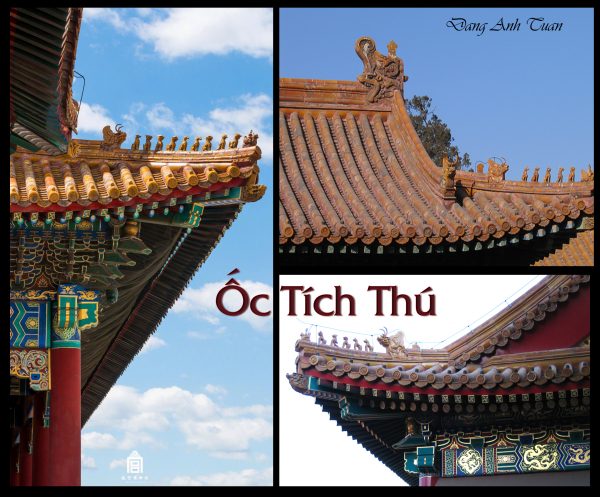
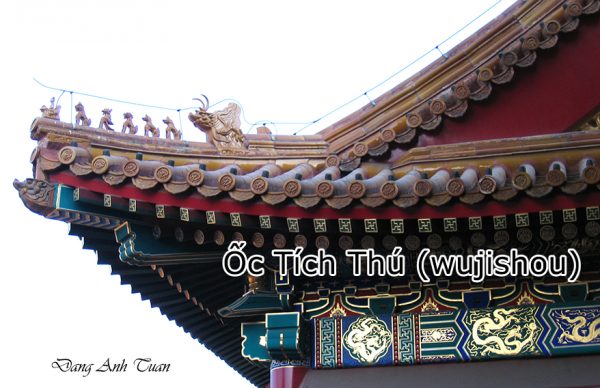
Thông thường khi bạn đi tham quan Tử Cấm Thành (Bắc Kinh) thì bạn hay thường  đi theo người hướng dẫn của công ty du lịch. Vì vậy ít khi bạn nhìn lên và để ý đến cung điện nào bạn viếng thăm lắm. Bởi vậy muốn biết rõ nơi nào bạn đến, bạn  hãy nhìn lên trên mái cung  số lượng các  linh vật mà người Hoa họ gọi là Ốc Tích Thú (chữ Hán: 屋脊). Nhờ số lượng mà bạn sẽ được biết tầm quan trọng và vị thế của cung điện nầy và cũng nhờ đó mà bạn biết phân biệt chỗ ở của hoàng đế hay của hoàng hậu so với các kiến trúc khác.  Bạn không cần  chỉ đích danh một cá nhân cụ thể nào cả.

Số lượng thần thú  trên  góc mái hiên  của  cung điện  có thể  gồm từ  1 đến 10. Tùy theo vai trò  quan trọng  quy mô của cung điện  và tùy theo đẳng  cấp  của chủ nhân trong triều đình mà con số  nầy nó  có thể thay đổi. Số lượng thần thú nầy được chỉ định trong bộ sách  ghi chép lại   tất cả  những điển pháp  dưới nhà Thanh  và được biết với cái tên là  Đại Thanh Hội Điển (Da Qing Hui Dian).  Các thần thú   nầy được sắp xếp theo số lẻ (số Dương)  1-3-5-7-9   trên  góc mái hiên   và theo thứ tự rõ ràng như sau:  rồng, phượng, sư tử, thiên mã, hải mã, toan nghê, áp ngữ, giải trãi, đấu ngưu và khỉ.

Con số 9 là con số Dương cao nhất dành cho cho vua  như Cung Càn Thanh (Palais de la Pureté Céleste)  và cho hoàng hậu như Cung Khôn Ninh (Palais de la Tranquillité Céleste). Cung nầy  chỉ còn có 7 linh vât, không có 3 con từ toan nghê tính đi. Số lượng linh vật trên mái nhà của các Quý phi và Phi tần thì phải thấp hơn cũng như nơi ở của Hoàng tử nằm ở  trong  khu vực  Đông Ngũ Sở.  

Nơi  nầy  gồm có năm dãy nhà  thì chỉ còn có từ 3 đến 5 con linh vật mà thôi. Chỉ có một điều ngoại lệ dưới triều đại nhà Thanh lúc bà Từ Hi Thái  hậu buông rèm nhiếp chính. Cung của bà (Điện Trữ Tú)(Palais des Elégances  Accumulées) là nơi bà cư trú lúc còn làm phi tần, được nâng cấp lên đến 9 con để ngang hàng với hoàng đế. Ở Việt Nam chỉ thấy Ốc Tích Thú ở vài chùa trong Chợ Lớn hay ở Hội An với chùa Phúc Kiến, những nơi có ảnh hưởng quan trọng của người Hoa.

Luôn luôn dẩn đầu các thần thú  nầy bởi một vị tiên cởi gà hay phượng thường đựơc gọi là hoàng tử Min. Bên cạnh những sinh vật kỳ ảo này, ở gần phần chót nóc mái, luôn có hình đầu một loài vật có sừng với khuôn miệng đang mở (đây là người con thứ chín của rồng).

Có một việc ngoài lệ đó là điện Thái Hoà có đến 10  thần thú trên  các góc mái hiên  vì ở nơi nầy hoàng đế  tổ chức các lễ hội quan trọng (như lễ tấn phong, lễ cưới, lễ  sinh nhật, lễ  tất niên vân vân….).

Các con linh vật  trên mái nhà đều có ý nghĩa sâu sắc về phong thủy. Chúng còn giữ vai trò  tựa như các  « vị thần » bảo vệ cung điện khỏi hỏa hoạn, thiên tai và tà ma. Chúng được bố trí sắp xếp theo qui tắc chỉ định khó dời chỗ và nhờ đó mà bạn có thể biết địa vị  chủ nhân của toà nhà nầy.

Sau đây là ý nghĩa  phong thủy của từng thần thú trên mái cung điện:

 Tiên nhân cưỡi phượng đi đầu. Theo truyền thuyết kể lại,  một vị vua khi bị kẻ địch truy đuổi đến bờ vực thẳm  đã được một con chim phượng hoàng bay đến cứu thoát. Biến nguy thành an.

1°) Long (Dragon). Trong phong thủy, rồng là thần mưa, có khả năng phun nước để trấn áp hỏa hoạ. Đây là nỗi sợ lớn nhất ở cố cung vì tất cả cung điện đều xây cất bằng gỗ. Rồng cũng là biểu tượng của thiên tử và hoàng đế.

2°) Phượng (Phénix). Phượng hoàng xuất hiện khi  quốc thái dân an, thiên hạ được  thái bình. Phượng  được xem là vua của các loài chim và biểu tượng của hoàng hậu.

3°)  Sư tử (Lion). Trong phong thủy, sư tử có lòng dũng cảm và uy nghiêm nên có tác dụng để trấn an, xua đuổi tà ma và đem lại bình yên ở cung điện.

4°) 5°) Thiên mã (Destrier céleste) & 6. Hải mã (Hippocampe)

 Đôi tượng mã nhỏ này  tượng trưng cho  uy quyền từ trên trời xuống biển sâu. Chúng còn biểu thị cho năng lực thông thiên đạt địa của hoàng quyền và khả năng lướt sóng, ngăn chặn thủy tai.

6°) Toan nghê (Suanni)

Trong phong thủy, nó mang  lại sự may mắn, bảo bọc và thu hút năng lượng ôn hòa.  Nó còn là một đứa con của rồng, có hình dáng giống sư tử nhưng thích khói lửa và sự tĩnh lặng.

7°) Áp ngữ (Yaju) Trong truyền thuyết,  loài cá thần có khả năng gọi mưa dập lửa. Đây là linh vật  có  trách  nhiệm  phòng chống hỏa hoạn cho công trình.

8°) Giải trãi (Xiezhi)

Linh thú một sừng có khả năng phân biệt ngay thẳng và tà ác. Khi thấy kẻ gian, nó sẽ dùng sừng húc thẳng vào. Loài này tượng trưng cho sự công lý của  pháp luật và sự minh triết của triều đình thể hiện qua chính sách lấy dân làm gốc.

9°)  Đấu ngưu (Douniu)

Đây là linh vật chót cuối cùng trong nhóm thần thú có nhiệm vụ khắc chế hỏa hoạn. Đây cũng là loài rồng có sừng bò, có khả năng phun mây nhả khói để tạo mưa.

10°) Háng thú (Hangshi)

Có ngoại hình giống khỉ nhưng có cánh và tay cầm chùy sét,  tựa  giống Lôi Thần (Thần sấm sét). Sự xuất hiện của Hành thập (Háng thú) có ý nghĩa phong thủy là chống sét đánh  để  bảo vệ  tòa nhà cao nhất Tử Cấm Thành.

Version française

Lorsqu’on visite la Cité interdite de Pékin, on est habitué à suivre  généralement le guide de l’agence de voyage. C’est pour cela qu’on ne lève même pas les yeux pour observer de près le bâtiment qu’on va visiter. Pourtant, pour saisir la véritable portée d’une construction, il convient d’observer sa toiture et de compter les figurines d’animaux mythiques appelées *wujishou* (屋脊兽) en chinois. Le nombre de ces figurines révèle l’importance et le statut du bâtiment, ce qui  permet de distinguer ainsi les palais de l’empereur ou de l’impératrice vis-à-vis des autres édifices. On n’a pas besoin d’identifier une personne en particulier.

 Groupées toujours en nombre impair (số Dương)  1-3-5-7-9, les figurines  marquent non seulement l’importance de l’édifice impérial mais aussi la fonction occupée par le propriétaire dans la hiérarchie impériale. Le nombre des figurines est fixé par le recueil de lois et de décrets de la dynastie des Qing connu sous le nom « Da Qing Hui Dian » (Đại Thanh hội điển).  Le chiffre 9 est le nombre Yang le plus élevé réservé à l’empereur (Palais de la Pureté Céleste). Quant au chiffre 7, il est destiné à l’impératrice (Palais de Kunning)

Les figurines  représentant chacune un symbole et une qualité, sont établies dans un ordre très précis: dragon (rồng), phénix (phượng hoàng), lion (sư tử), destrier céleste (thiên mã), hippocampe (hải mã), yaju (áp ngư), suanni (toan nghê), Xiezhi (hải trãi), douniu (đấu ngưu) hangshi (khỉ).

Le nombre 9 est le nombre Yang le plus élevé, réservé à l’empereur comme le palais de la Pureté céleste, et à l’impératrice comme le palais de la Tranquillité terrestre. Ce dernier ne compte plus que 7 figurines, sans compter les 3 autres créatures  à partir de la figurine suanni. Le nombre de figurines sur les toits des palais des nobles concubines et des concubines impériales devait être inférieur  ainsi que celui de la résidence des princes impériaux située dans la zone orientale nommée « les Cinq Résidences ». Cet endroit comprend cinq rangées de bâtiments et ne compte plus que 3 à 5 créatures. Une seule exception eut lieu sous la dynastie Qing, lorsque l’impératrice douairière Cixi gouverna derrière le rideau. Son palais (le palais des Élégances Accumulées), l’endroit où elle résidait lorsqu’elle était encore concubine, fut élevé à 9 créatures, au même rang que l’empereur. Au Vietnam, on ne trouve que les Ốc Tích Thú (wujishou) dans  quelques pagodes à  Cholon ou à Hội An où la communauté chinoise est importante. 

 Elles sont toujours précédées par un immortel taoïste appelé parfois le « prince Min» qui est  sur le dos d’un coq ou d’un phénix. À côté de ces animaux chimériques près du sommet du toit, se trouve toujours une tête d’animal cornu à gueule ouverte (neuvième fils du dragon). Il y a une exception à cette règle d’alignement.

C’est le cas du palais de l’Harmonie Suprême Taihe (Ðiện Thái Hòa) où 10 figurines sont toutes présentes sur l’arête de sa toiture car c’est ici que l’empereur a organisé les festivités importantes (intronisation, mariage, anniversaire, nouvel an, solstice d’hiver etc.). L’utilisation de ces figurines est destinée à protéger les édifices contre le feu  et les esprits malfaisants  et à montrer la puissance et la suprématie de l’empereur

Les créatures mythiques sur les toits ont toutes une profonde signification dans le feng shui. Elles jouent également un rôle semblable à celui de « divinités » protégeant les palais contre les incendies, les catastrophes naturelles et les esprits maléfiques. Elles sont disposées selon des règles précises qui ne permettent guère de les déplacer, ce qui permet de connaître le statut du propriétaire du bâtiment. Voici la signification feng shui de chacune des créatures mythiques situées  sur le toit du palais:

 L’immortel chevauchant un phénix en tête. Selon la légende, un roi poursuivi par ses ennemis jusqu’au bord d’un précipice fut sauvé par un phénix venu à son secours. Le danger se transforme ainsi en sécurité.
1°) Dragon (Rồng). Dans le feng shui, le dragon est le dieu de la pluie. Il est  capable de cracher de l’eau pour maîtriser les incendies. C’est la plus grande crainte dans la cité interdite car tous les palais y étaient construits en bois. Le dragon est également le symbole du Fils du Ciel et de l’empereur.

2°) Phénix (Phượng). Le phénix apparaît lorsque le pays est prospère et  lorsque le monde connaît la paix. Le phénix est considéré comme le roi des oiseaux et le symbole de l’impératrice.

3°) Lion. Dans le feng shui, le lion possède le courage et majesté. Il sert donc à rassurer, chasser les esprits maléfiques et apporter la paix au palais.
4°) 5°) Destrier céleste et  Hippocampe(Thiên mã và cá ngựa)
Ces deux figurines symbolisent l’autorité descendue du ciel jusqu’aux profondeurs marines. Elles représentent le pouvoir impérial capable de communiquer avec le ciel et de maîtriser la terre, ainsi que la capacité de chevaucher les vagues et de prévenir les catastrophes hydrauliques.
6°) Suanni (Toan nghê)
Dans le feng shui, il apporte la chance et la  protection et il attire une énergie paisible. C’est également un enfant du dragon, ayant l’apparence d’un lion et appréciant la fumée, le feu et la tranquillité.

7°) Yaju  (Cá ngừ)  Dans les légendes, ce poisson divin a le pouvoir d’appeler la pluie pour éteindre les incendies. C’est une créature sacrée chargée de protéger les édifices contre les incendies.

8°) Xiezhi (Giải trãi)

C’est une créature sacrée à une corne capable de distinguer immédiatement le bien  du mal. Lorsqu’elle voit un homme malhonnête, elle le charge directement avec sa corne. Cette espèce symbolise la justice de la loi et la sagesse de la cour impériale en prenant le peuple comme la base de sa gouvernance.
9°) Đấu ngưu (Douniu)
Il s’agit de la dernière créature sacrée du groupe des animaux divins chargés de prévenir les incendies. C’est également un dragon doté de cornes de taureau, capable de souffler des nuages et de rejeter de la fumée afin de provoquer la pluie.
10°) Háng thú (Hangshi)
Son apparence ressemble à celle d’un singe, mais il possède des ailes et il tient dans sa main une massue de la foudre, à l’image du Dieu du Tonnerre. Son apparition  revêt une signification dans le feng shui: protéger le plus haut bâtiment de la Cité interdite contre la foudre.

Version anglaise

When visiting Beijing’s Forbidden City, people are generally accustomed to following the travel agency’s guide. Consequently, they do not even look up to closely observe the building they are about to visit. Yet, to grasp the true significance of a structure, one should examine its roof and count the figurines of mythical animals called *wujishou* (屋脊兽) in Chinese. The number of these figurines reveals the building’s importance and status, thus distinguishing the emperor’s or empress’s palaces from other structures. There is no need to identify any particular person.

Always grouped in odd numbers (số Dương), 1-3-5-7-9, the figurines indicate not only the importance of the imperial building but also the function held by its owner within the imperial hierarchy. The number of figurines was established by the collection of laws and decrees of the Qing dynasty known as the “Da Qing Hui Dian” (Đại Thanh hội điển). The number 9 is the highest Yang number, reserved for the emperor (Palace of Heavenly Purity). As for the number 7, it is designated for the empress (Palace of Kunning).

The figurines, each representing a symbol and a quality, are arranged in a very precise order: dragon (rồng), phoenix (phượng hoàng), lion (sư tử), celestial steed (thiên mã), seahorse (hải mã), yaju (áp ngư), suanni (toan nghê), xiezhi (hải trãi), douniu (đấu ngưu), hangshi (khỉ). The number 9 is the highest Yang number, reserved for the emperor, as in the Palace of Heavenly Purity, and for the empress, as in the Palace of Earthly Tranquility. The latter has only 7 figurines, not counting the 3 other creatures starting with the suanni figurine.

The number of figurines on the roofs of the palaces of noble consorts and imperial concubines had to be lower, as did that of the residence of the imperial princes located in the eastern area called “the Five Residences.” This place comprises five rows of buildings and has only 3 to 5 creatures. A single exception occurred under the Qing dynasty, when Empress Dowager Cixi ruled from behind the curtain. Her palace (the Palace of  Accumulated Elegances), where she resided when she was still a concubine, was raised to 9 creatures, equal in rank to the emperor. In Vietnam, Ốc Tích Thú are found only in a few pagodas in Cholon or Hội An, where the Chinese community is significant.

They are always preceded by a Taoist immortal, sometimes called “Prince Min,” who rides on the back of a rooster or phoenix. Next to these mythical animals near the top of the roof, there is always the head of a horned, open-mouthed animal (the dragon’s ninth son). There is one exception to this alignment rule.
This is the case of the Palace of Supreme Harmony Taihe (Điện Thái Hòa), where all 10 figurines are present along the ridge of its roof, because this is where the emperor held important festivities (enthronement, wedding, birthday, New Year, winter solstice, etc.). The use of these figurines is intended to protect the buildings from fire and evil spirits and to demonstrate the emperor’s power and supremacy.

The mythical creatures on the roofs all have profound significance in feng shui. They also play a role similar to that of “deities,” protecting palaces against fires, natural disasters, and evil spirits. They are arranged according to precise rules that allow little room for relocation, making it possible to determine the status of the building’s owner. Here is the feng shui significance of each of the mythical creatures located on the palace roof:

The immortal rides a phoenix at the front. According to legend, a king pursued by his enemies to the edge of a cliff was saved by a phoenix that came to his aid. Danger thus transforms into safety.
1°) Dragon (Rồng). In feng shui, the dragon is the god of rain. It is capable of spitting water to control fires. This is the greatest fear in the Forbidden City because all the palaces there were built of wood. The dragon is also the symbol of the Son of Heaven and the emperor.
2°) Phoenix (Phượng). The phoenix appears when the country is prosperous and when the world is at peace. The phoenix is considered the king of birds and the symbol of the empress.
3°) Lion. In feng shui, the lion possesses courage and majesty. It therefore serves to reassure, drive away evil spirits, and bring peace to the palace.

4°) 5°) Celestial Steed and Hippocampus (Thiên mã và cá ngựa)
These two figurines symbolize authority descended from heaven to the depths of the sea. They represent imperial power capable of communicating with heaven and mastering the earth, as well as the ability to ride the waves and prevent water-related disasters.
6°) Suanni (Toan nghê)
In feng shui, it brings luck and protection and attracts peaceful energy. It is also a child of the dragon, having the appearance of a lion and enjoying smoke, fire, and tranquility.
7°) Yaju (Cá ngừ) In legends, this divine fish has the power to summon rain to extinguish fires. It is a sacred creature tasked with protecting buildings from fires.
8°) Xiezhi (Giải trãi)
It is a sacred one-horned creature capable of immediately distinguishing right from wrong. When it sees a dishonest man, it charges directly at him with its horn. This species symbolizes the justice of the law and the wisdom of the imperial court, which takes the people as the foundation of its governance.
9°) Đấu ngưu (Douniu)
This is the last sacred creature in the group of divine animals tasked with preventing fires. It is also a dragon with bull’s horns, capable of blowing clouds and expelling smoke to bring about rain.
10°) Háng thú (Hangshi)
Its appearance resembles that of a monkey, but it has wings and holds a lightning club in its hand, like the God of Thunder. Its appearance has a meaning in feng shui: protecting the tallest building in the Forbidden City from lightning.


Nguyễn An, un Vietnamien hors pair (Cité interdite de Pékin)

Nguyễn An, một người Việt kiệt xuất.


Version française
Version anglaise
Galerie des  photos

Nguyễn An sinh ra và lớn lên ở Hà Đông (nay thuộc về thành phố Hà Nội)  trong một bối cảnh lịch sử với nhà Trần suy yếu. Thừa dịp đó Hồ Qúi Ly cướp ngôi, đổi tên đất nước thành Đại Ngu và  dự  định dời đô về Thanh Hoá  sau khi xây dựng Tây Đô nhưng lòng dân không theo. Nhà Minh lấy cớ đó xâm chiếm nước ta  với  tướng Trương Phụ.  Không chỉ bắt cha con Hồ Qúy Ly mà luôn cả những thợ thủ công tài hoa nhất trong đó  có  Nguyễn An và  cả hàng ngàn người Việt ưu tú đem về phương Bắc.

Nguyễn An từ nhỏ đã bộc lộ những phẩm chất xuất chúng. Lúc 16 tuổi ông đã tham gia vào nhóm thợ giỏi nhất để xây dựng, sửa sang cung điện của vua Trần Thuận Tông ở Thăng Long. Ông bị bắt làm tù binh  đưa về Trung Quốc để  xây dựng kinh đô mới của triều Minh ở  Bắc Kinh dưới thời Minh Thành Tổ (Chu Đệ). Lúc đó  ông mới ngoài 20 tuổi. Không thân nhân và t ù nhân, ông phải chịu bị hoạn để làm thái giám trong cung dưới thời nhà Minh. Nhờ đó ông phục vụ qua 5 đời vua (từ Minh Thành Tổ đến Minh Tông/Cảnh Tông) và có tên là A Lưu trong Minh Sử.

Nhờ nổi tiếng có tài tính toán chính xác, liêm khiết và thông minh nên đã được nhà vua tin tưởng giao trọng trách tham gia giám sát việc xây dựng Tử Cấm Thành  Bắc Kinh. Ông giỏi tính toán kích thước  nên rất  chuẩn xác không cần đo đạc phức tạp.

Nhờ tài năng xuất chúng, ông mới nghĩ  thiết kế theo quan niệm vũ trụ trời tròn đất vuông. Như sao Bắc Đẩu ở  trên thiên giới, Tử  Cấm Thành là nơi vua ngự  trị  ở hạ giới. Để thiết kế 4 tháp tại bốn góc thành, Nguyễn An vô tình quan sát lồng con dế yêu của mình để lấy cảm hứng từ đó  tạo nên bố cục kiến trúc độc đáo và thiết kế một cách ngẫu nhiên, được Vĩnh Lạc khen ngợi. Đấy là giai thoại truyền miệng được nhắc đến trong bộ phim Đức « Chinas Verbotene Stadt »   được phát hành vào cuối năm 2007 trên  các kênh Arte và ZDF.

Nhờ tính liêm khiết của ông nên ông được vua Minh Thành Tổ tin cậy nên ông được tham giao vào nhóm kiến trúc sư và thiết kế Thái Tín (Cai Xin), Trần Khuê (Chen Gui), Ngô Trung (Wu Zhong) và Khoái Tường (Kuai Xiang) với chức vụ Tổng Đốc Công. Chức nầy được xem là là chức vụ đứng đầu việc quy hoạch, thiết kế và chỉ đạo thi công các đại công trình ở thời phong kiến.

Có thể nói ông chỉ là thợ thủ công lúc đầu, được Minh Thành Tổ  tin cậy mới giao chức vụ  trọng trách như vậy  chớ làm gì có thể  hơn được các quan như Trần Khuê, Ngô Trung trong thời kỳ Trung Hoa còn chế độ phong kiến nhất là ông họan quan thuộc về thành phần hạ cấp bị khinh bĩ trong xã hội. Trần Khuê giữ tước vị Túc Ninh hầu là người tổng chỉ huy, điều hành toàn bộ nhân lực, vận chuyển vật liệu và ngân sách.

Còn Ngô Trung, ông là thượng thư Bộ Công (chức vụ này mới thực sự tương đương Bộ trưởng Bộ Xây dựng / Bộ Giao thông ngày nay).  Còn Thái Tín thời đó ông là kiến trúc sư trưởng với Khoái Tường, kiến trúc sư về mỹ thuật. 

Minh Thành Tổ Chu Đệ không tin tưởng vào các quan vì mang tiếng tham ô quá nhiều nên chỉ tin vào các thái giám vì họ chỉ lệ thuộc trực tiếp với ông. Có thể nói Nguyễn An là « tai mắt » của Chu Đệ, là cận thần thân tín của Chu Đệ với nhiệm vụ Tổng Đốc Công. Chức nầy được xem là chức vụ đứng đầu việc quy hoạch, thiết kế và chĩ đạo thi công các đại công trình ở thời phong kiến.

Dưới triều đại nhà Minh  việc bổ nhiệm một quan chức hoặc viên chức vào vị trí then chốt đòi hỏi phải có văn bản chính thức do chính đích thân hoàng đế ban hành. Chỉ về sau  mới có văn bản chính thức dưới thời vua Minh Anh Tông  phong ông làm Tổng công trình sư tối cao từ năm 1436.

Vua Minh Anh Tông muốn xây dựng hệ thống tháp sừng sững tại 9 cửa thành bao quanh Bắc Kinh.Thị lang Bộ Công là Thái Tín tâu rằng: Công trình này quá lớn, phải cần tới 18 vạn dân phu và phải mất ít nhất 5 năm mới làm xong. Nhà vua không tin tưởng Bộ Công nên đã gạt Thái Tín sang một bên, giao toàn quyền Tổng đốc công cho Nguyễn An. Ông nhận lệnh và chứng minh thiên tài quản lý của mình: Thay vì dùng 18 vạn dân phu gây kiệt quệ sức dân, ông chỉ dùng hơn 1 vạn binh sĩ.

Ông tự tay vạch kiểu, tính toán chi tiết nhân lực và vật liệu. Bộ Công luôn cả Khoái Tường và các thợ thuyền đành chịu khoanh tay, bái phục, nghe ông chỉ bảo, sai khiến, thật là người đại tài và xuất chúng.  Công việc của ông làm chính là kết hợp nhiệm vụ của một kiến trúc sư công trình, một nhà quy hoạch, một kỹ sư xây dựng lẫn một nhà quản lý dự án, như ở thời đại ngày nay. Năm Chính Thống thứ hai (1437), ông xây dựng thành nội tức Hoàng thành, thành ngoại với 9 cửa. Tất cả được thực hiện trong vòng 3 năm mà chỉ dùng hết 1 vạn nhân công.

Sau đó,  vào tháng 3 năm 1440, ông lại được nhà vua giao cho 7 vạn thợ xây dựng và trùng tu ba điện Phụng Thiên, Hoa Cái, Cẩn Thân cùng hai cung Càn Thanh, Khôn Ninh (các tòa cung điện này đã bị sét đánh từ năm 1421 đời Minh Thành Tổ. Chỉ có năm rưỡi thì xong khiến vua  Minh Anh Tông hài lòng, thưởng cho A Lưu 50 lạng vàng, 100 lạng bạc, 8 tấn thóc và 1 vạn quan tiền.

Nhờ tài năng quản lý xuất chúng cùng đức liêm chính, ông được các hoàng đế nhà Minh tin tưởng giao phó thực hiện vô số công trình quy mô lớn khác tại Bắc Kinh cũng như trên khắp lãnh thổ đế quốc. Hoàng đế biết rằng nếu giao toàn bộ ngân sách cho ông ấy, số tiền đó sẽ được dùng cho vật liệu thay vì nó  chạy vào túi các quan lại. Ông được đánh giá trong Minh sử  là một trong số ít quan chức triều đình hoàn toàn liêm khiết. Điều đáng nói hơn là  khi ông qua đời, các sử gia kể lại  ngân quỹ của ông gần như trống rỗng. Điều này chứng tỏ ông chưa bao giờ biển thủ dù chỉ một xu từ những khoản ngân sách khổng lồ mà ông từng quản lý trong suốt cuộc đời.

Ngoài việc xây cất Tử Cấm Thành, ông còn  đảm nhiệm  chẵng hạn công việc tái thiết các bức tường thành Bắc Kinh. Ông đã giám sát quá trình hiện đại hóa bức tường thành bao quanh thành phố, thay thế các công trình bằng đất nén bằng gạch và đá dày. Trong lĩnh vực kỹ thuật thủy lợi (quản lý nguồn nước) thì ông đã trở thành một vị anh hùng dân tộc tại Trung Quốc nào với việc kiểm soát lũ lụt sông Hoàng Hà   qua các hệ thống đê điều, kênh dẫn  dòng và cửa cống vô cùng tinh vi (ba dự án thủy lợi lớn được hoàn thành với tỷ lệ thành công tuyệt đối) nào với việc nạo vét kênh Đại Vận Hà  nhằm tạo thuận lợi cho việc vận chuyển lương thực và hàng hóa đến Bắc Kinh. Một tuyến đường được xem là huyết mạch đối với nền kinh tế thời nhà Minh.

Nguyễn An (Ruan An) không chỉ được nhắc đến trong bộ *Minh sử* mà còn được  người dân Trung Quốc đương thời biết đến nhưng nó lại mang tính phân hóa rõ rệt.

Đối với công chúng nói chung, ông chỉ là một nhân vật ít được biết đến so với thái giám Trịnh Hoà cùng thời  được nhắc nhở nhiều  trong sách giáo tiếng Trung. Ngược lại  ông trở thành một tên tuổi quan trọng đối với những người đam mê lịch sử và kiến ​​trúc.

Cité interdite de Pékin

Version française

Nguyễn An est  né et a grandi à Hà Đông à une époque où la dynastie Trần était sur le déclin. Saisissant cette opportunité, Hồ Quý Ly usurpa le trône, rebaptisa le pays Đại Ngu et projeta de transférer la capitale à Thanh Hóa après avoir fait construire Tây Đô. Toutefois, il ne parvint pas à s’attirer le soutien de la population. Prenant prétexte de cette situation, la dynastie Ming envahit le pays sous le commandement du général Zhang Fu. Les envahisseurs capturèrent non seulement Hồ Quý Ly et son fils, mais aussi tous les artisans les plus talentueux dont Nguyễn An ainsi que des milliers d’autres Vietnamiens remarquables et  les emmenèrent tous vers le Nord de la Chine.

Nguyễn An fit preuve de qualités exceptionnelles dès son plus jeune âge. À seize ans, il avait déjà rejoint un groupe d’artisans d’élite chargé de la construction et de la rénovation des palais du roi Trần Thuận Tông à Thăng Long. Par la suite, il fut fait prisonnier et emmené en Chine pour participer à l’édification de la nouvelle capitale de la dynastie Ming, Pékin, sous le règne de l’empereur Yongle (Vĩnh Lạc). Il était alors âgé d’une vingtaine d’années. Seul et captif, il fut castré et servit en tant qu’eunuque de palais sous la dynastie Ming. Il servit cinq empereurs successifs — de Yongle à Jingtai et dans l’*Histoire des Ming* (Ming Shilu) il fut connu  sous le nom d’A Luu.

Réputé pour sa précision dans les calculs, son intégrité et son intelligence, il se vit confier par l’Empereur la mission importante de superviser la construction de la Cité interdite à Pékin. Il maîtrisait si bien le calcul des dimensions que ses mesures étaient d’une grande exactitude, rendant  ainsi superflues les opérations complexes de prise de mesures sur le chantier.

Grâce à son talent exceptionnel, il a conçu un plan fondé sur le concept cosmologique ancestral d’un ciel rond et d’une terre carrée. Étant considérée comme l’étoile polaire régnant sur la voûte céleste, la Cité interdite sert de siège à l’empereur sur terre. L’inspiration pour les quatre tours d’angle lui était venue de manière inattendue de la cage de son grillon apprivoisé. Cette conception architecturale unique et improvisée lui a valu les éloges de l’empereur Yongle. Cette anecdote a été relatée dans le documentaire allemand *Chinas Verbotene Stadt* (La Cité interdite de Chine), diffusé sur les chaînes Arte et ZDF fin 2007.

Grâce à son intégrité, l’empereur Yongle (Ming Chengzu) lui a accordé sa confiance et  l’a intégré ainsi à une équipe d’architectes et de concepteurs aux côtés de Thái Tin (Cai Xin) , Trần Khuê (Chen Gui), Ngô Trung (Wu Zhong) et Khoái Tường (Kuai Xiang).

Il n’aurait certainement pas pu se voir attribuer un rang supérieur à celui de fonctionnaires tels que Trần Khuê (Chen Gui) et Ngô Trung (Wu Zhong)  dans le cadre du système féodal chinois où il appartenait à une catégorie méprisée et de bas rang de la société. Ayant eu le titre de marquis de Taining (Túc Ninh), Chen Gui (Trần Khuê) occupait la fonction de commandant en chef et supervisait l’ensemble de la main-d’œuvre, ainsi que le transport des matériaux et la gestion du budget.

Quant à  Wu Zhong (Ngô Trung), il a occupé le poste de ministre des Travaux publics, une fonction véritablement équivalente à celle d’un ministre de la Construction ou des Transports d’aujourd’hui. De son côté, Cai Xin (Thái Tín) était l’architecte en chef de l’époque avec Kuai  Xiang (Khoái Tường), architecte en art.

L’empereur Yongle (Zhu Di) se méfiait des fonctionnaires en raison de leur réputation généralisée de corruption. Il préférait s’en remettre aux eunuques, qui lui étaient directement redevables. On peut dire que Nguyễn An a servi de « yeux et d’oreilles » à Zhu Di et a agi  en tant que homme de confiance. L’empereur lui accorda au début le rôle de surintendant général des travaux.  Ce poste était considéré comme la plus haute fonction chargée de la planification, de la conception et de la supervision de la construction de grands projets à l’époque féodale.

Sous la dynastie Ming, la nomination d’un fonctionnaire à un poste clé nécessitait un document officiel émanant personnellement de l’empereur. Ce n’était qu’en 1436, sous le règne de l’empereur Ming Zhengtong, qu’un décret officiel fut promulgué pour le nommer architecte en chef suprême.

L’empereur Ming Zhengtong souhaitait faire ériger des tours de guet imposantes aux neuf portes entourant Pékin. Cai Xin, vice-ministre des Travaux publics, soumit un rapport indiquant que le projet était d’une envergure excessive, nécessitant une main-d’œuvre de 180 000 ouvriers et au moins cinq années de travaux. Méfiant à l’égard du ministère des Travaux publics, l’empereur écarta Cai Xin et confia la pleine responsabilité du projet à Nguyễn An. Une fois investi de cette mission, Nguyễn An fit preuve d’un génie organisationnel remarquable: au lieu de mobiliser 180 000 ouvriers,  une mesure aurait épuisé la population. Il mena à bien le projet en s’appuyant sur un effectif d’à peine plus de 10 000 soldats.

Il a personnellement élaboré les plans et calculé avec précision les besoins en main-d’œuvre et en matériaux. Saisis d’admiration, les responsables du ministère des Travaux publics  y compris Kuai Xing ainsi que les artisans s’en remettaient à ses directives. C’était véritablement un homme d’un talent et d’une intelligence exceptionnels. Son travail conjuguait les rôles d’architecte en structure, d’urbaniste, d’ingénieur en génie civil et de chef de projet, à l’instar des professionnels polyvalents de notre époque. La deuxième année de l’ère Zhengtong (1437), il fit construire la ville intérieure (la Cité impériale) ainsi que la ville extérieure, dotée de neuf portes. L’ensemble du projet fut achevé en trois ans seulement avec une main-d’œuvre de dix mille ouvriers.

Par la suite, en mars 1440, l’empereur le chargea de diriger une main-d’œuvre de 70 000 ouvriers pour la construction et la restauration de trois salles: Palais de l’Harmonie Suprême (Phụng Thiên) (奉天), Palais de l’Harmonie Centrale (Hoa Cái) (華蓋) et Palais de l’Harmonie Préservée (Cẩn Thân)  (謹身) ainsi que de deux palais, Càn Thanh (乾清宮) (Palais de la Pureté Céleste ) et Khôn Ninh (坤寧宮) (Palais de la Tranquillité Terrestre) (des édifices frappés par la foudre sous le règne de l’empereur Yongle de la dynastie Ming). Le projet fut achevé  seulement en un an et demi à la grande satisfaction de l’empereur Ming Zhengtong, qui récompensa A Luu en lui offrant 50 taels d’or, 100 taels d’argent, 8 tonnes de céréales et 10 000 chapelets de sapèques.

Grâce à ses compétences exceptionnelles en gestion et à son intégrité, les empereurs de la dynastie Ming lui confièrent de nombreux projets d’envergure, tant à Pékin que dans le reste de l’empire. Ils savaient que si l’on lui confiait la totalité du budget, les fonds seraient consacrés aux matériaux plutôt qu’à garnir les poches de fonctionnaires corrompus. L’*Histoire des Ming (Ming Shilu)* le salue comme l’un des rares dignitaires de la cour à avoir fait preuve d’une incorruptibilité totale. Les historiens notent d’ailleurs qu’à sa mort, ses coffres personnels étaient pratiquement vides, prouvant qu’il n’avait jamais détourné le moindre sou des budgets considérables qu’il avait gérés tout au long de sa vie.

Outre la construction de la Cité interdite, il entreprit des travaux tels que la reconstruction des remparts de Pékin. Il supervisa la modernisation des fortifications de la ville en remplaçant les structures en terre damée par une maçonnerie épaisse de briques et de pierres. Dans le domaine du génie hydraulique, il devint un héros national en Chine pour avoir maîtrisé les crues du fleuve Jaune grâce à des systèmes sophistiqués de digues, de canaux de dérivation et d’écluses avec trois projets majeurs de gestion des eaux  et pour avoir fait curer le Grand Canal afin de faciliter le transport de céréales et de marchandises vers Pékin, une voie considérée comme le poumon économique de la dynastie Ming.

Nguyễn An (Ruan An) est  mentionné non seulement dans l’*Histoire des Ming (Ming Shilu) *, mais il est  également connu auprès  des Chinois d’aujourd’hui, bien que les perceptions à ce sujet varient considérablement.

Pour le grand public, il demeure une figure relativement méconnue comparée à son contemporain, l’amiral eunuque Zheng He (Trịnh Hoà),  cité fréquemment dans les manuels scolaires chinois. En revanche, il est une figure marquante pour les passionnés d’histoire et d’architecture.

English version

Nguyễn An was born and raised in Hà Đông during a time when the Trần dynasty was in decline. Seizing this opportunity, Hồ Quý Ly usurped the throne, renamed the country Đại Ngu, and planned to relocate the capital to Thanh Hóa after constructing Tây Đô. However, he failed to win the support of the populace. Using this situation as a pretext, the Ming dynasty invaded the country under the command of General Zhang Fu. The invaders captured not only Hồ Quý Ly and his son but also the most talented artisans—including Nguyễn An—along with thousands of other distinguished Vietnamese, taking them all to northern China.

Nguyễn An demonstrated exceptional talent from a very young age. By the age of sixteen, he had already joined an elite group of artisans tasked with constructing and renovating the palaces of King Trần Thuận Tông in Thăng Long. Subsequently, he was taken prisoner and transported to China to participate in the construction of Beijing—the new capital of the Ming Dynasty—under the reign of the Yongle Emperor (Vĩnh Lạc). He was in his twenties at the time. Alone and in captivity, he was castrated and served as a palace eunuch under the Ming Dynasty. He served five successive emperors—from Yongle to Jingtai—and is known in the *History of the Ming* (Ming Shilu) by the name A Luu.

Renowned for his precision in calculations, his integrity, and his intelligence, he was entrusted by the Emperor with the important mission of overseeing the construction of the Forbidden City in Beijing. He had such a mastery of dimensional calculations that his measurements were extremely accurate, thereby rendering complex on-site measuring procedures unnecessary.

Thanks to his exceptional talent, he devised a plan based on the ancient cosmological concept of a round heaven and a square earth. Viewed as the North Star reigning over the celestial vault, the Forbidden City serves as the earthly seat of the emperor. He drew the inspiration for the four corner towers unexpectedly from the cage of his pet cricket. This unique, improvised architectural design earned him the praise of the Yongle Emperor. This anecdote was recounted in the German documentary *Chinas Verbotene Stadt* (China’s Forbidden City), broadcast on the Arte and ZDF channels in late 2007.

Thanks to his integrity, Emperor Yongle (Ming Chengzu) placed his trust in him and appointed him to a team of architects and designers alongside Thái Tin (Cai Xin), Trần Khuê (Chen Gui), Ngô Trung (Wu Zhong), and Khoái Tường (Kuai Xiang).He certainly could not have been granted a rank higher than that of officials such as Trần Khuê (Chen Gui) and Ngô Trung (Wu Zhong) within the Chinese feudal system, as he belonged to a low-ranking and despised stratum of society. Holding the title of Marquis of Taining (Túc Ninh), Chen Gui (Trần Khuê) served as commander-in-chief, overseeing the entire workforce as well as the transport of materials and budget management.

As for Wu Zhong (Ngô Trung), he held the post of Minister of Public Works—a role effectively equivalent to that of a modern-day Minister of Construction or Transport. Meanwhile, Cai Xin (Thái Tín) served as the era’s chief architect, alongside the master architect Kuai Xiang (Khoái Tường).Emperor Yongle (Zhu Di) distrusted government officials due to their widespread reputation for corruption. He preferred to rely on eunuchs, who were directly beholden to him.

It could be said that Nguyễn An served as Zhu Di’s « eyes and ears » and acted as a trusted confidant. The Emperor initially appointed him General Superintendent of Works—a position considered the highest office responsible for the planning, design, and supervision of major construction projects during the feudal era. Under the Ming dynasty, the appointment of an official to a key position required an official document issued personally by the emperor. It was not until 1436, during the reign of the Ming Emperor Zhengtong, that an official decree was promulgated appointing him Supreme Chief Architect.

Emperor Ming Zhengtong wished to erect imposing watchtowers at the nine gates surrounding Beijing. Cai Xin, the Vice Minister of Public Works, submitted a report stating that the project was excessively ambitious, requiring a workforce of 180,000 laborers and at least five years of construction. Suspicious of the Ministry of Public Works, the Emperor dismissed Cai Xin and entrusted full responsibility for the project to Nguyễn An. Once charged with this mission, Nguyễn An demonstrated remarkable organizational genius: instead of mobilizing 180,000 laborers, a measure that would have exhausted the population. He successfully completed the project using a workforce of just over 10,000 soldiers.

He personally drew up the plans and precisely calculated the requirements for labor and materials. Filled with admiration, officials from the Ministry of Public Works including Kuai Xing as well as the artisans themselves, deferred to his direction. He was truly a man of exceptional talent and intelligence. His work combined the roles of structural architect, urban planner, civil engineer, and project manager, much like the multifaceted professionals of our own time.

In the second year of the Zhengtong era (1437), he oversaw the construction of the Inner City (the Imperial City) and the Outer City, the latter featuring nine gates. The entire project was completed in just three years, utilizing a workforce of ten thousand laborers. Subsequently, in March 1440, the Emperor tasked him with leading a workforce of 70,000 laborers in the construction and restoration of three halls—the Hall of Supreme Harmony (Phụng Thiên), the Hall of Central Harmony (Hoa Cái), and the Hall of Preserved Harmony (Cẩn Thân) as well as two palaces Càn Thanh (Palace of Heavenly Purity) Khôn Ninh (Palace of Earthly Tranquility). These structures had been struck by lightning during the reign of the Ming Dynasty’s Emperor Yongle. The project was completed in just a year and a half, to the great satisfaction of the Ming Emperor Zhengtong, who rewarded A Luu with 50 taels of gold, 100 taels of silver, 8 tons of grain, and 10,000 strings of cash coins.

Thanks to his exceptional management skills and integrity, Ming dynasty emperors entrusted him with numerous large-scale projects, both in Beijing and across the empire. They knew that if the entire budget were placed in his hands, the funds would be spent on materials rather than lining the pockets of corrupt officials. The *History of the Ming (Ming Shilu)* hails him as one of the few court dignitaries to have demonstrated absolute incorruptibility. Indeed, historians note that upon his death, his personal coffers were virtually empty, proving that he had never misappropriated a single penny from the vast budgets he had managed throughout his life.

In addition to the construction of the Forbidden City, he undertook projects such as the rebuilding of Beijing’s city walls. He oversaw the modernization of the city’s fortifications, replacing rammed-earth structures with thick masonry made of brick and stone. In the field of hydraulic engineering, he became a national hero in China for taming the Yellow River’s floods through sophisticated systems of dikes, diversion channels, and sluice gates comprising three major water management projects and for having the Grand Canal dredged to facilitate the transport of grain and goods to Beijing, a waterway regarded as the economic lung of the Ming Dynasty.

Nguyễn An (Ruan An) is mentioned not only in the *History of the Ming (Ming Shilu)* but is also known to Chinese people today, although perceptions of him vary considerably.

For the general public, he remains a relatively obscure figure compared to his contemporary, the eunuch admiral Zheng He (Trịnh Hoà), who is frequently cited in Chinese school textbooks. However, he is a significant figure for history and architecture enthusiasts.


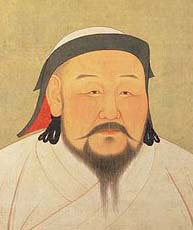
Kubilai Khan (Hốt Tất Liệt)


Hốt Tất Liệt (Kubilai Khan)

Version française
Version anglaise (in translation)
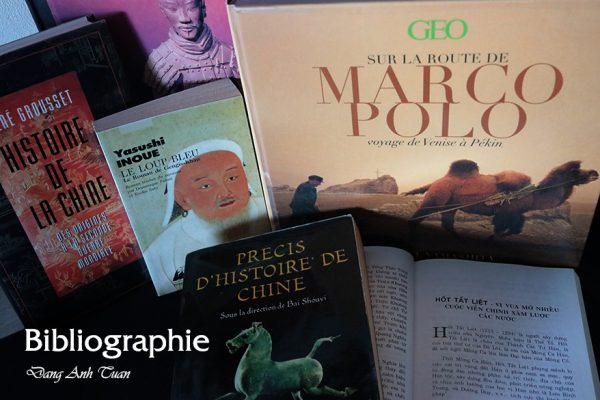
Bibliographie

Vào thế kỷ XII, vùng đất Trung Hoa hình thành cục diện chân vạc chia cắt giữa ba thế lực lớn: Nam Tống (người Hán ở phía nam với thủ đô Hàng Châu), nhà Kim (người Nữ Chân ở miền bắc Trung Hoa, thủ đô là Băc Kinh) và Tây Hạ (người Đảng Hạng ở vùng Tây Bắc, thủ đô Hưng Khánh, Ngân Xuyên). Với ý định thôn tính Trung Hoa, Thành Cát Tư Hãn mới khởi binh đánh Tây Hạ trước hết nhưng ông bị lâm bệnh, qua đời và được thay thế bởi người con trai thứ ba của ông, Oa Khoát Đài (Ögedeï). Ông trở thành Đại Hản thứ hai trong đế chế Mông Cổ.

Sau khi chinh phục được Tây Hạ. Cùng với đại quân, Oa Khoát Đài tiến từ Sơn Tây xuống Hà Nam để tấn công tỉnh này từ phía bắc, trong khi người em trai Đà Lôi (Toloui) đánh vào hậu phương nhà Kim bằng cách tiến về phía tây qua miền nam Thiểm Tây. Chiến thuật này đã tạo điều kiện để bao vây và tiêu diệt nhà Kim. Kinh đô Khai Phong của họ bị Tốc Bất Đài (Subutai) chiếm đóng, và vị vua nhà Kim phải tự sát để tránh bị quân Mông Cổ ngược đãi. Kể từ nay miền bắc Trung Hoa nằm trong tay của người Mông Cổ vào năm 1234.

Hốt Tất Liệt, cháu nội của Thành Cát Tư Hãn, con trai của Đà Lôi (con út của Thành Cát Tư Hãn), và là anh em với Húc Liệt Ngột (Hulègu) cùng Mông Kha (Mongka)—đã được Mông Kha (Đại Hãn thứ ba) giao quyền chỉ huy phần phía đông của Đế quốc Mông Cổ từ năm 1252. Sau khi Mông Kha qua đời, Hốt Tất Liệt mới được tôn làm Đại Hãn (ngày 6 tháng 5 năm 1260), nhưng phải đối mặt với sự thách thức từ người em trai A Lý Bất Ca (Arikbögè). Người này mãi đến năm 1264 mới chịu quy phục.

Muốn xâm chiếm Nam Tống thì Hốt Tất Liệt phải mất rất nhiều thời gian vì theo sử gia người Pháp René Grousset người Mông Cổ cần phải tiến hành chiến tranh theo kiểu người Hoa. Phải cần có các lực lượng bộ binh đông đảo với pháo binh đầy đủ và các loại máy công thành. Nam Tống bị chia cắt bởi vô số sông ngòi và núi non hiểm trở, rất có nhiều trung tâm đô thị khiến làm những kỵ sĩ thảo nguyên mất đi phương hướng và không quen lối vận hành như vầy. Hốt Tất Liệt phải mất đến 10 năm để tiêu diệt nhà Tống và thống nhất nước Trung Hoa. Sau khi Quảng Đông qui phục vào năm 1260, Hốt Tất Liệt mới dời đô về Bắc Kinh và xây dựng một thành phố mới được gọi là Khan balik (thành phố của Hãn). Chớ thành phố cũ Khai Phong hay Bắc Kinh hoàn toàn bi thiêu hủy khi quân Mông Cổ xâm chiếm.

Quân nầy nổi tiếng là hung bạo và hủy diệt tất cả những nơi họ đi qua chớ họ không biết đây là tài sản của họ từ đây. Họ nghĩ họ là dân du cư không thích ở vĩnh viển một nơi. Chính sự việc nầy cho thấy Hốt Tất Liệt rất khoan dung và nhân đạo trong việc hành sự của ông đối với kẻ thù cũng như với tôn giáo. Ông cấm quân Mông Cổ không được cướp bóc nhà cửa của dân Trung Hoa.
Theo sự nhận xét của sử gia người Pháp René Grousset, đây là cột mốc mà người Mông Cổ đã đạt được kể từ thời Thành Cát Tư Hãn (Gengis Khan) . Chỉ trong vòng hai thế hệ, từ những kẻ bán khai, họ đã vươn lên ngang tầm với các dân tộc văn minh cổ xưa. Chính nhờ đó ông mới thành công hiện thực được giấc mơ chinh phục toàn nước Trung Hoa. Đây là một kỳ tích mà chưa bộ tộc du mục nào từng làm được.

Từ đây Hốt Tất Liệt trở thành thiên tử, con của Trời. Ông ngự trị ở Bắc Kinh thay vì ở Karakoroum, thủ đô của đế Mông Cổ nhất là ông hán hóa triều đình của ông khiến làm biết bao nhiêu người Mông Cổ bất mãn, làm họ mất đi cuộc sống ở thảo nguyên. Chính vì vậy họ ngã theo lúc đầu ủng hộ em trai của ông là A Lý Bất Ca (Arikbögè) nhưng sau cuộc qui thuận của A Lý Bất Ca, họ quay về ủng hộ người em họ của ông là Qaïdou, cháu nội của Oa Khoát Đài.

Từ năm 1267, Qaïdou dành được toàn vùng Turkestan mà thường gọi là Hãn quốc Sát Hợp Đài (Khanat de Djaghataï). Theo lời tường thuật của thương nhân Marco Polo, Koubilai Khan phá vỡ liên minh chống ông vào năm 1287 và phải nhờ cháu nội ông là Đại Hãn Temur mới chấm dứt về sau cuộc chiến với Qaïdou. (1301).

Sau khi diệt được Nam Tống, Hốt Tất Liệt đối xử một cách nhân đạo đối với vị vua trẻ bị giam giữ, Tống Cung Đế (4 tuổi) Vị vua trẻ nầy được đưa đến xứ Thổ Phồn (Tây Tạng), bắt phải cắt tóc đi tu. Còn hoàng hậu nhiếp chính được chào đón một cách đầy trân trọng trước khi bà lui về một tu viện Phật giáo, đó là lời chứng được kể lại của thương gia người Ý Marco Polo trong quyển sách có tựa đề « Livre des Merveilles (Marco Polo du ký) lúc ông đang phục vụ tại triều đình Hốt Tất Liệt.

Còn về tôn giáo, ngoài tín ngưỡng Shaman, ông còn thể hiện thái độ thân thiện bao dung đối với các giáo phái khác nhau. Là một nhà chính trị lỗi lạc, Hốt Tất Liệt hiểu rõ lợi thế của việc đặt giới tăng lữ dưới quyền kiểm soát của mình. Số lượng hiệp ước tương ứng với số lượng các tôn giáo được công nhận chính thức. Các tổ chức Phật giáo và Đạo giáo được tổ chức như cơ quan nhà nước. Tuy nhiên theo lời tường thuật của Marco Polo thì ông nghiên về Phật giáo nhất là Phật giáo Tây Tạng. Bởi vậy có sự lạm dụng, dung túng khiến tạo không ít sự bất mãn về sau cho triều đình nhà Nguyên-Mông. Phật giáo trong truyền thống Tây Tạng cũng theo gót quân Nguyên lui về thảo nguyên sa-mạc sau khi triều đại Nguyên Mông sụp đổ. Còn Công giáo Nestorus (Cánh Đông Kinh hay Cứu thế giáo) được bành trướng mạnh mẽ nhờ chính sách dung dưỡng tôn giáo và sự liên minh hôn nhân của Đế quốc Mông Cổ, đặc biệt dưới thời đại hưng thịnh của nhà Nguyên-Mông do Hốt Tất Liệt lập ra. Các bộ lạc du mục như Kereit (Khắc Liệt), Naiman, và Ongud đã tiếp nhận đạo Nestorus từ thế kỷ 11 và mang theo đức tin này khi phục vụ dưới trướng Đại Hãn. Đấy là trường hợp mẹ ông là công chúa Toa Lỗ Hốt Tha Ni (Sorghaghtani Beki), người có công không ít trong việc truyền bá đạo nầy.

Nhờ cuộc chinh phạt của người Mông Cổ, các tín đồ Kitô giáo mới có thể khởi hành đi từ Bắc Kinh để hành hương đến Jerusalem, đi theo lộ trình Con đường Tơ lụa cổ xưa, vốn đã bị đóng cửa từ thế kỷ 11 do sự bành trướng của Hồi giáo và cũng nhờ đó mà Marco Polo mới có thể đến Trung Hoa, mới gặp được Hốt Tất Liệt và được ông ủy thác các nhiệm vụ như sứ thần đặc mệnh ở các vùng đất xa xôi như Miến Điện, Ấn Độ, Tây Tạng và các tỉnh miền Nam Trung Hoa hay là Quan sát viên để về báo cáo với Đại Hãn những vùng được chinh phục.

Dựa trên lời tường thuật của Marco Polo thì thời đó có *Örtöö* hay còn gọi là *Yam*. Đây là một mạng lưới trạm cho phép truyền tải nhanh chóng thư từ và thông tin từ các trinh sát và gián điệp, đồng thời giúp giám sát sự an toàn của những nhân vật quan trọng khi họ di chuyển. Bộ luật nhà Nguyên hướng tới việc cải thiện đời sống của nô lệ, lao động nông nghiệp và tá điền làm việc tại các điền trang lớn. So với luật pháp thời Tống, bộ luật nhà Nguyên mang lại cho những tầng lớp thấp kém này sự bảo vệ tốt hơn trước các hành vi tùy tiện của chủ nhân; ngay từ giai đoạn đầu của triều đại, luật đã quy định hình phạt một trăm lẻ bảy gậy đối với bất kỳ địa chủ nào đánh chết những người này.

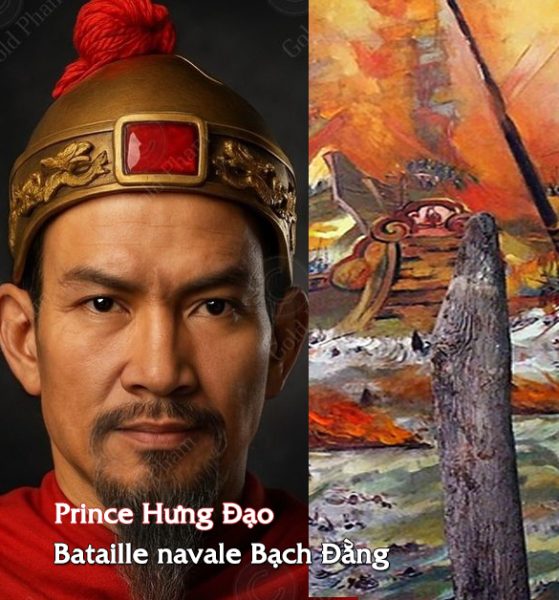
Sau khi làm chủ Trung Hoa, Hốt Tất Liệt đòi hỏi sự thần phục từ các quốc gia chư hầu ở Viễn Đông. Triều Tiên đã chấp nhận quyền thống trị của ông. Ngược lại các đạo quân mà Hốt Tất Liệt phái đi đánh Đại Việt và Chiêm Thành vào các năm 1283, 1285 và 1287 đã hoàn toàn thất bại vì không quen phong thổ và địa lợi nhất là Đại Việt có một nhà quân sự kiệt xuất Trần Hưng Đạo và một liên minh chính trị đặc biệt giữa Đại Việt và Chiêm Thành. Tuy nhiên Đại Việt, Chiêm Thành cũng như Miến Điện cũng phải hoà hoãn cầu hoà và thừa nhận quyền bá chủ của nhà Hốt Tất Liệt. Cũng dưới thời ngự trị của Hốt Tất Liệt, Nhật Bản bị xâm lược hai lần vào các năm 1274 và 1281. Lần đầu một hạm đội gồm 900 tàu và gần 30.000 binh sĩ đã đổ bộ lên đảo Kyushu. Một cơn bão dữ dội đã phá hủy một số tàu và buộc quân Mông Cổ phải rút lui. Còn lần thứ nhì thì cùng
một hạm đội khổng lồ với hơn 140.000 binh sĩ. Các võ sĩ samurai đã kiên cường cố thủ suốt nhiều tuần lễ, trước khi một cơn bão lớn ập đến và phá hủy hạm đội của quân Mông Cổ.

Theo thương nhân Marco Polo, Hốt Tất Liệt rất xứng đáng làm hoàng đế nước Trung Hoa vì từ thời ông Adam đến giờ chưa có hoàng đế nào đóng vai nghiêm túc như ông để chữa lành những vết thương của một thế kỷ chiến tranh với số người chết quá cao. Nên nhớ lại, vào 1125 nước Trung Hoa có được 100 triệu dân nay chỉ còn 59 triêu dân.

Thành tựu vĩ đại nhất của Hốt Tất Liệt có lẽ không phải là việc trở thành người đầu tiên trong lịch sử chinh phục toàn bộ Trung Quốc, mà là việc bình định được vùng đất này.

Version française

Au XIIème  siècle, la Chine était partagée entre trois puissances majeures: les Song du Sud (Hans du sud, avec pour capitale Hangzhou), la dynastie Jin (Jurchens du nord de la Chine, avec pour capitale Pékin) et les Xia occidentaux (Tangoutes du nord-ouest, avec pour capitale Xingqing/Yinchuan). Déterminé à conquérir la Chine, Gengis Khan lança d’abord une campagne contre les Xia occidentaux.  Toutefois, il tomba malade et mourut, et son troisième fils, Ögedei, lui succéda pour devenir le deuxième Grand Khan de l’Empire mongol.

Après avoir conquis les Xia occidentaux, Ögedei mena son armée principale de Shanxi vers le Henan pour attaquer la province par le nord, tandis que son frère cadet Tolui frappa les arrières de la dynastie Jin en progressant vers l’ouest à travers le sud du Shaanxi. Cette stratégie permit d’encercler et d’anéantir la dynastie des Jin. Leur capitale, Kaifeng, fut prise par Subutai, et le souverain Jin se suicida pour échapper aux mauvais traitements des forces mongoles. En 1234, la Chine du Nord était passée sous la domination mongole.

Kubilaï Khan, petit-fils de Gengis Khan, fils de Tolui (le plus jeune fils de Gengis Khan) et frère de Houlagou et de Möngke, s’était vu confier par Möngke (le troisième Grand Khan) le commandement de la partie orientale de l’Empire mongol à partir de 1252. Après la mort de Möngke, Kubilaï fut proclamé Grand Khan (le 6 mai 1260), mais il dut faire face à la contestation de son frère cadet, Ariq Böke, qui ne se soumit qu’en 1264.

La conquête de la dynastie des Song du Sud fut une entreprise de longue haleine pour Kubilai Khan ; comme l’a souligné l’historien français René Grousset, les Mongols durent adopter un mode de guerre à la chinoise. Cela nécessitait d’importants effectifs d’infanterie dotés d’artillerie et d’engins de siège. Le territoire des Song du Sud était sillonné d’innombrables rivières et de montagnes escarpées, et parsemé de nombreux centres urbains, un environnement qui déconcertait les cavaliers des steppes, peu habitués à de telles conditions. Il fallut une décennie entière à Kubilai Khan pour vaincre la dynastie des Song et unifier la Chine. Après la reddition de la ville  Guangdong en 1260, Kubilai Khan transféra sa capitale à Pékin et fit bâtir une nouvelle ville nommée Khanbaliq (la « Ville du Khan »), les anciennes cités de Kaifeng et de Pékin ayant été entièrement détruites lors de l’invasion mongole.

Ces troupes étaient tristement célèbres pour leur brutalité et pour les destructions qu’elles semaient sur leur passage, sans réaliser que les terres qu’elles traversaient finiraient par leur appartenir. Elles se percevaient comme des nomades, réticentes à toute sédentarisation durable. Ce contexte met en lumière la tolérance et l’humanité remarquables dont fit preuve Kubilai Khan dans ses relations tant avec ses ennemis qu’avec les groupes religieux. Il interdit formellement à ses troupes mongoles de piller les foyers des populations chinoises.

Comme l’a souligné l’historien français René Grousset, cela marqua une étape décisive pour les Mongols depuis l’époque de Gengis Khan. En l’espace de deux générations seulement, ils étaient passés d’un état semi-barbare à un rang d’égalité avec des nations anciennes et civilisées. C’est précisément cette transformation qui lui permit de concrétiser le rêve de conquérir la Chine tout entière,  un exploit sans précédent pour des tribus nomades.

Dès lors, Kubilaï Khan devint le Fils du Ciel. Il gouverna depuis Pékin plutôt que depuis Karakorum, la capitale de l’Empire mongol — et, le fait notable, il  sinisa sa cour.  Cette attitude aliéna de nombreux Mongols, qui avaient le sentiment de perdre leur mode de vie traditionnel lié à la steppe. Par conséquent, bien qu’ils aient initialement soutenu son frère cadet Arikbögè, ils reportèrent leur allégeance sur son cousin Qaidu,  petit-fils d’Ögedei après la reddition d’Arikbögè.

À partir de 1267, Qaidu s’assura la maîtrise de toute la région du Turkestan, communément appelée le khanat de Djaghataï. Selon le récit du marchand célèbre Marco Polo, Kubilai Khan brisa l’alliance formée contre lui en 1287, bien qu’il ait fallu attendre l’époque de son petit-fils, le Grand Khan Temur, pour  terminer  la guerre contre Qaidu  (1301).

Après avoir conquis la dynastie des Song du Sud, Kubilai Khan traita avec humanité le jeune monarque captif, l’empereur Gong des Song, alors âgé de quatre ans. L’enfant empereur fut envoyé au Tibet et contraint de se raser la tête pour devenir moine. Parallèlement, l’impératrice régente fut accueillie avec un grand respect avant de se retirer dans un monastère bouddhiste.  Ce récit était consigné par le marchand italien Marco Polo dans son *Livre des merveilles* (ou *Devisement du monde*), alors qu’il était au service de la cour de Kubilai Khan.

En matière de religion, au-delà du chamanisme, il fit également preuve d’une attitude bienveillante et tolérante envers diverses confessions religieuses. Etant homme d’état brillant, Kubilaï Khan saisit parfaitement les avantages qu’il avait  en plaçant le clergé sous son contrôle. Le nombre de concordats correspondait au nombre de religions officiellement reconnues.

En matière de religion, au-delà du chamanisme, il fit également preuve d’une attitude bienveillante et tolérante envers diverses confessions religieuses. Etant homme d’état brillant, Kubilaï Khan saisit parfaitement les avantages qu’il y avait  en plaçant le clergé sous son contrôle. Le nombre de concordats correspondait au nombre de religions officiellement reconnues.

Les organisations bouddhistes et taoïstes étaient structurées de manière analogue aux institutions étatiques. Toutefois, les récits de Marco Polo laissent entrevoir une inclination particulière pour le bouddhisme, et plus précisément pour le bouddhisme tibétain. Cette situation donna lieu à des abus et à une certaine complaisance officielle, suscitant par la suite un vif ressentiment à l’encontre de la cour mongole des Yuan.

Après la chute de la dynastie mongole des Yuan, le bouddhisme tibétain se replia vers les steppes et les déserts, suivant le mouvement de retrait des forces mongoles. Parallèlement, le christianisme nestorien (ou Église de l’Orient) connut une expansion vigoureuse, favorisé par la politique de tolérance religieuse et les alliances matrimoniales de l’Empire mongol, notamment durant l’apogée de la dynastie mongole des Yuan fondée par Kubilai Khan.

Des tribus nomades telles que les Kéraïtes, les Naïmans et les Ongüts adoptèrent le christianisme nestorien dès le XIème siècle et propagèrent cette foi alors qu’elles servaient le Grand Khan. Ce fut notamment le cas de sa mère, la princesse Sorghaghtani Beki qui joua un rôle majeur dans la diffusion de cette religion.

Basé sur les récits de Marco Polo, l’*Örtöö* — également connu sous le nom de *Yam* — existait à cette époque. Il s’agit d’un réseau de relais permettant la transmission rapide de la correspondance et des informations provenant d’éclaireurs et d’espions, tout en contribuant à assurer la sécurité des personnalités importantes lors de leurs déplacements.

Le code juridique des Yuan visait à améliorer le sort des esclaves, des travailleurs agricoles et des métayers employés dans les grands domaines. Par rapport à la législation de la dynastie Song, le code des Yuan offrait à ces classes inférieures une meilleure protection contre l’arbitraire de leurs maîtres. Dès l’avènement de la dynastie, la loi prévoyait une peine de 107 coups de bâton pour tout propriétaire terrien ayant battu à mort de telles personnes.

Après avoir pris le contrôle de la Chine, Kubilai Khan exigea la soumission des États vassaux d’Extrême-Orient. La Corée accepta son autorité. En revanche, les armées que Kubilai Khan envoya  pour envahir le  Đại Việt et le Champa en 1283, 1285 et 1287 essuyèrent un échec cuisant et  total.  Ses troupes n’étaient pas habituées au climat et au terrain locaux. Le fait déterminant  est que  le  Đại Việt disposait d’un chef militaire exceptionnel en la personne de Trần  Hưng Đạo, ainsi que d’une alliance politique inédite avec le Champa. Néanmoins, le Đại Việt (Dai Yue), le Champa et la Birmanie finirent par être contraints de rechercher la paix et de reconnaître l’hégémonie de la dynastie de Kubilai Khan.

Sous le règne de Kubilai Khan, le Japon fut envahi à deux reprises, en 1274 et en 1281. Lors de la première invasion, une flotte de 900 navires transportant près de 30 000 soldats débarqua sur l’île de Kyushu.  Toutefois, une violente tempête détruisit une partie des navires et contraignit les forces mongoles à battre en retraite. La seconde invasion mobilisa une flotte encore plus imposante, forte de plus de 140 000 soldats. Les samouraïs opposèrent une résistance acharnée  durant plusieurs semaines avant qu’une puissante tempête se soit battu sur la flotte mongole et  l’ait  détruit.

Selon le marchand Marco Polo, Kubilaï Khan était véritablement digne d’être empereur de Chine . En effet, depuis l’époque d’Adam jusqu’à ce jour, aucun empereur ne s’était attaché avec autant de sérieux à guérir les plaies d’un siècle de guerres ayant coûté la vie à tant de personnes. Il  est convenu de rappeler qu’en 1125, la Chine eut 100 millions d’habitants, alors qu’aujourd’hui elle n’en compta que 59 millions.

Le plus grand accomplissement de Kubilai Khan n’est peut-être pas de devenir la première personne de l’histoire à conquérir la Chine tout entière, mais plutôt de la pacifier.


Bibliographie

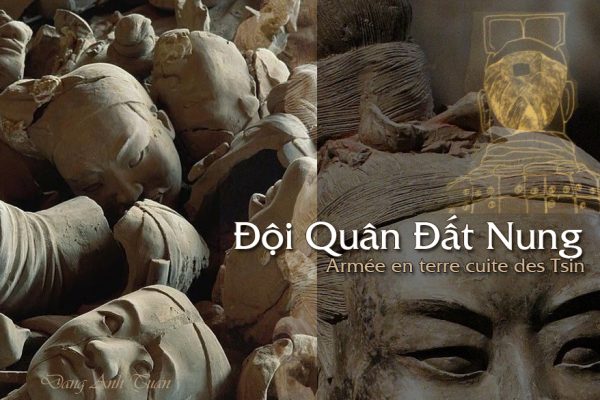
L’armée de terre cuite des Qin


Qin’s Terracotta army 

兵馬俑

Version française
Version anglaise
Bibiographie

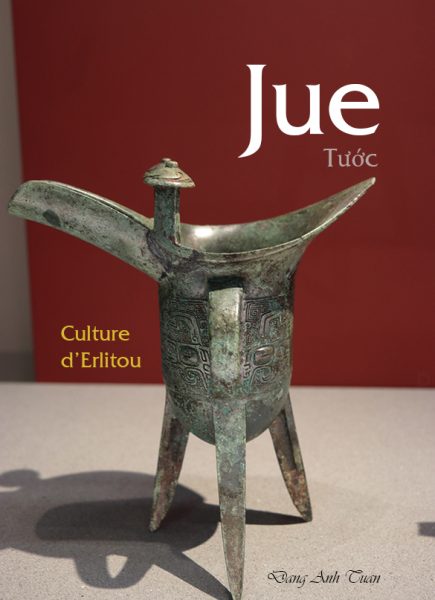
Tương tự như nhà Ân-Thương trước đó, nhà Châu (Zhou) trao quyền cai quản các vùng lãnh thổ cụ thể bao gồm cả những vùng đất mới được chinh phục, cho các thành viên trong dòng tộc của mình. Mối quan hệ huyết thống càng gần gũi với hoàng gia thì tước vị của người đó càng cao và phần lãnh thổ được ban cấp (hay còn gọi là «quốc ») cũng càng rộng lớn hơn. Hệ thống này, được gọi là *tông pháp*, bắt nguồn từ dòng dõi hoàng gia và tạo dựng mối quan hệ phụ thuộc lẫn nhau giữa nhà vua cùng các chư hầu. Mối liên kết này được thể hiện qua việc trao đổi lễ vật (chẳng hạn như các đồ đồng có khắc văn tự thiêng liêng) và các chuyến viếng thăm mang tính nghi lễ. Tuy nhiên, các chư hầu không vừa lòng với việc chỉ nắm giữ những vùng đất được ban. Trong suốt thời kỳ nhà Châu (Zhou), họ luôn tìm cách mở rộng lãnh thổ thông qua các cuộc  giao tranh lẫn nhau.

Theo nhà Hán học Mark Edward Lewis có  đến 540 cuộc xung đột giữa các quốc gia và 130 cuộc nội chiến diễn ra trong suốt 259 năm và danh sách này chắc chắn vẫn chưa đầy đủ. Những cuộc chiến triền miên này bắt nguồn từ sự thay đổi liên tục của các liên minh và tình trạng phân mảnh lãnh thổ (như nước Tấn). Nước nầy bị phân chia thành ba nước Hàn (Han), Ngụy (Wei)  và Triệu (Zhao) bởi các nhà qúi tộc của nước Tấn (Jin). Chính những yếu tố này đã làm nảy sinh vô số  các cuộc tranh chấp, rồi nhanh chóng leo thang thành các cuộc xung đột quy mô lớn hơn do sự tác động qua lại giữa các thỏa thuận ngoại giao và lợi ích chính trị. Việc mở rộng lãnh thổ của các nước chư hầu này tiếp tục làm suy yếu quyền lực trung ương của nhà Châu (Zhou).

Ban đầu, nhà Châu chỉ còn đóng vai trò như một kẻ đứng ngoài quan sát  dưới thời kỳ Xuân Thu và cuối cùng hoàn toàn bị xóa sổ  dưới thời kỳ Chiến Quốc. Chức Bá Chủ nầy lần lượt thuộc về các nước Sở và  Tấn dưới  thời kỳ Xuân Thu (Chūnqiū) nhưng về sau, vai trò của bá chủ  dần chuyển từ người bảo vệ trật tự phong kiến ​​của vương triều  nhà Châu sang người bảo đảm cho một thế cân bằng mới về chính trị, xã hội và văn hóa  dưới thời kỳ Chiến Quốc.(Zhànguó) 

Đây là thời kỳ cạnh tranh khốc liệt còn lại giữa bảy nước lớn, trong đó Tần, Sở và Tề nổi lên như ba thế lực chủ chốt tranh giành quyền định hình cục diện nhằm đạt được vị thế bá chủ. Để thành công trong bối cảnh như vậy,  bá chủ cần có sự kết hợp giữa sức mạnh quân sự, cải cách chính trị và sự đoàn kết của toàn dân trong nước.

Theo nhà sử học người Pháp René Grousset, nước Tần có một lợi thế quan trọng nhờ địa thế lãnh thổ được định sẵn cho  sự  thắng lợi. Nhờ bức bình phong tự nhiên là sông Hoàng Hà và các dãy núi che chở, khiến khó tiếp cận đi đến  nơi nầy. Nước Tần  nằm ở trên  độ cao có  cả ngàn dậm so với vùng đất còn lại của Trung Hoa. Với 20.000 quân lính, nước Tần có thể đương đầu với một triệu quân lính của nước địch. Nước Tần có thể xua quân tràn xuống các vương quốc khác, tựa như ta cầm cái bình đất nung đầy nước  đổ xuống từ một ngôi nhà nằm cheo leo trên cao.

Sức mạnh quân sự chủ yếu dựa trên những khối lượng khổng lồ bộ binh trang bị nhẹ, các đơn vị cung thủ cưỡi ngựa giống như người Hung Nô ở Mông Cổ mà tính cơ động là một lợi thế đáng kể so với sự cồng kềnh của quân xa Trung Hoa và các  xạ thủ nỏ  chiếm một vị trí cực kỳ quan trọng. Những người này đáng sợ nhất trong quân đội Tần. Mặc dù nỏ được xuất phát   ở nước Sở và được dùng rất trể ở nước Tần nhưng  các xạ thủ nỏ của nườc Tần nầy  được xem là những người đáng gờm nhất trong thời kỳ Chiến Quốc.

Trước đây, quyền chỉ huy quân sự là đặc quyền dành riêng cho giới quý tộc. Từ nay các chức quyền  không còn được cha truyền con nối. Những cải cách của Thương Ưởng đã khuyến khích nông dân gia nhập vào  quân đội, đồng thời tạo cho họ có  cơ hội thăng tiến về địa vị xã hội và thứ bậc, ngay cả đối với những người nhập cư. Tước hiệu và phần thưởng được trao cho các binh sĩ gan dạ. Lòng dũng cảm của họ được đánh giá dựa trên số lượng đầu hoặc lỗ tai kẻ thù bị chặt đứt.

Đội quân quy mô lớn này, bao gồm cả binh sĩ chuyên nghiệp và lính nghĩa vụ, được bố trí  thông thường ở  các đồn trú dưới quyền chỉ huy của các sĩ quan cấp cao địa phương, đóng quân cách xa kinh đô, nơi nhà vua ngự trị có hàng trăm hoặc hàng nghìn cây số. Do khoảng cách địa lý như vậy nên vấn đề xác thực tính hợp pháp của các mệnh lệnh điều động hoặc chuyển quân trở nên vô cùng nhạy cảm và nan giải. Các nhà chiến lược nước Tần đã giải quyết xuất sắc vấn đề này bằng cách sử dụng một vật tín bằng đồng có hình con hổ, gọi là « hổ phù« . Vật này gồm hai nửa giống hệt nhau, trên đó có khắc các dòng chữ bằng vàng giải thích công năng của nó. Một nửa được giao cho viên tướng chỉ huy quân đồn trú, trong khi nửa còn lại do nhà vua nắm giữ. Khi có chiến tranh hoặc cần điều động binh lính, viên tướng phải nhận được nửa còn lại do nhà vua phái người mang tới.

Chỉ khi đó, biểu tượng thống nhất về quyền chỉ huy mới được tái lập, cho phép viên chỉ huy điều động binh sĩ. Tuy nhiên, trong các trận chiến quy tụ hàng ngàn người, mệnh lệnh từ cấp chỉ huy cần phải được binh sĩ tiếp nhận đồng thời và tức khắc. Trong những tình huống như vậy, việc sử dụng cờ hiệu là điều bắt buộc. Đôi khi, người ta còn cần đến cả chiêng và trống để thu hút sự chú ý, tập trung cả thính giác lẫn thị giác của binh sĩ vào một điểm cụ thể nào đó.

Cách thức tiến hành chiến tranh cho  ta thấy được cái sức mạnh và mà nước Tần đã thừa hưởng được từ khi danh sĩ Thương Ưởng (Shang Yang)  làm thừa tướng nước Tần từ thời ngự trị của  Tần Hiếu Công. Biến pháp Thương Ưởng mới được thi hành. Những qui tắc xử sự chung, mọi người phải tuân theo: phế ruộng tư, tất cả ruộng đất do nhà nước kiểm soát, thống nhất đo lường, thực hiện chế độ hộ khẩu ban hành pháp luật, buộc dân phải nghe theo không được bàn luận về pháp lệnh mới. Pháp luật  mọi người phải tuân theo luôn cả giới  qúi tộc. Vì vậy khi thái tử phạm pháp,Thương Ưởng muốn trị tội nhưng vì là người sẽ nối ngôi Tần Hiếu Công nên Thương Ưởng buộc lòng phải trừng phạt cắt mũi Thái phó của thái tử là Công tử Kiền và chạm mặt  thầy thái tử là Công Tôn Giả. Còn Thái tử Tứ phải  bị truất phế, và bị đuổi ra khỏi cung làm dân thường. Từ đó người Tần đều theo lệnh, muôn người như  một.

Bởi vậy khi Tần Hiếu Công qua đời, Thương Ưởng biết mình sẽ bị tội  nên trốn ra thành vào nhà trọ  nhưng không có hộ khẩu và danh tánh nên không được phép  cư trú. Chính biến pháp của Thương Ưởng được áp dụng luôn cả cho ông. Ông mới bị bắt và bị xe xé xác để thị uy bởi hoàng tử  Tứ  năm xưa bị trị  tội, nay là  vua Tần Huệ Văn Vương. Còn gia đình của ông bị trưu di. Luật pháp được thi hành một cách  nghiêm khắc và  không chừa ai cả luôn cả ông. Tuy nhiên  biến pháp Thương Ưởng vẫn tiếp tục áp dụng. Nhờ các cải cách được khởi xướng bởi Thương Ưởng và sau này bởi Hàn Phi, nước Tần trở nên giàu có và hùng mạnh. Nhờ đó nước Tần có ưu thế từ nay  làm bá chủ và thống nhất  nước Trung Hoa.

Nếu ta dựa  vào lời từơng thuật của sử gia Tư Mã Thiên, ta biết rằng hoàng đế Tần Thủy Hoàng đã huy động hơn 700.000 người bị kết án lao dịch để xây dựng lăng mộ của mình ngay từ khi ông ngự trị. Kế thừa truyền thống nhà Tần, ông muốn yên nghỉ sau khi chết trong một công viên tang lễ rộng lớn, được bao bọc bằng hai vòng tường thành. Nơi an nghỉ cuối cùng của ông phải thật khổng lồ và tượng trưng cho vũ trụ: Phía trên là các dấu hiệu của Trời, phía dưới là toàn bộ bố cục địa lý với hàng trăm dòng sông và biển lớn được lấp đầy bằng thủy ngân, vân vân để tạo cảm tưởng có sự chuyển động của dòng nước. Ông muốn trở thành người khởi xướng một kỷ nguyên mới và người sáng lập của một triều đại mới chỉ  được kéo dài có 13 năm thay vì  phải tồn tại hơn mười nghìn thế  hệ. Các cuộc khoan thăm dò khảo cổ xác nhận tỷ lệ thủy ngân cực kỳ cao trong lăng mộ này. Vì lo sợ ngôi mộ bị hủy hoại và những cạm bẫy chết người đối với  các kẻ xâm nhập, lăng mộ của ông đến nay vẫn còn nguyên vẹn. Ngược lại, không một tài liệu lịch sử nào, kể cả của Tư Mã Thiên, đề cập đến việc bố trí đội quân đất nung của Tần Thủy Hoàng. Điều này khiến nó trở thành một trong những khám phá gây chấn động nhất của thế kỷ này, cũng như  sự phát hiện  ngôi mộ của vua  Toutânkhamon năm 1922 tại thung lũng các vị Vua ở Ai Cập.

Trong lúc đào một cái giếng vào ngày 24 tháng 3 năm 1974, một người nông dân đã vô tình để lưỡi cuốc của mình chạm vào đỉnh của một công trình ngầm  chứa  đầy những mảnh vụn đất nung, nằm cách xa 1200 mét ở phía đông vòng tường bao bên ngoài của gò mộ che phủ lăng tẩm hoàng đế Tần Thủy Hoàng. Ông lập tức mời một nhóm nhà khảo cổ đến hiện trường. Sửng sốt và ngưỡng mộ, họ đã phát hiện ra hàng nghìn bức tượng đất nung dưới những đống đổ nát cháy xém của một vi kèo và được xếp hàng trong mười một hành lang dài hơn 200 mét trong hố số 1 (14260 mét vuông). Đây là hố  lớn nhất gồm có bộ binh. Năm 1976, ba hố mới, số 2, 3 và 4, được phát hiện thêm bên cạnh hố đầu tiên. Cái hố số 2, vốn tượng trưng cho một trại quân, cũng là nơi bố trí cung thủ, xe chiến, bộ binh và kỵ binh. Còn hố thứ ba thì có quy mô nhỏ hơn nhiều và là nơi chứa các quan lại cấp cao. Hố thứ tư thì trống rỗng: tương truyền rằng hoàng đế đã băng hà trước khi các hiện vật dự kiến ​​đặt tại đây chưa kịp hoàn thiện.  

Làm thế nào người ta có thể tập hợp đủ nguyên liệu, chuyên môn kỹ thuật và nhân lực cần thiết để tạo ra hàng nghìn bức tượng binh lính có kích thước như người thật vào thế kỷ thứ 3 trước Công nguyên?

Thông qua các nghiên cứu kỹ thuật đảo ngược, giáo sư khảo cổ Marco Martinon-Torres thuộc đại học Cambridge đã đưa ra lời giải thích như sau: các bộ phận khác nhau được sản xuất song song bởi những nhóm nhỏ. Theo đó, các bức tượng chiến binh không được sản xuất hay lắp ráp tại một xưởng duy nhất; thay vào đó, chúng được lắp ráp riêng lẻ bởi các nhóm nghệ nhân khác nhau, mỗi nhóm do một bậc thầy thợ thủ công dẫn dắt. Sau khi được sơn màu, các bức tượng sẽ được vận chuyển đến các hố chôn (quy trình tương tự cũng được áp dụng cho vũ khí). Mặc dù việc thiết lập và điều phối nhiều xưởng sản xuất đòi hỏi khoản đầu tư lớn, nhưng phương pháp này lại mang lại lợi thế rõ rệt khi cần ứng phó với những tình huống bất ngờ.  

Một trong những yếu tố khiến đội quân đất nung này trở thành một tác phẩm độc đáo trong lịch sử nhân loại chính là sự khác biệt trên từng khuôn mặt. Theo một số nhà nghiên cứu, các nghệ nhân  đã làm việc với một loạt các kiểu dáng riêng biệt được xác định rõ; khi kết hợp lại, chúng tạo nên ấn tượng về  về tính cá nhân mặc dù các khuôn mặt có thể thực hành trong   khuôn với  những khác biệt cơ thể – được tạo hình bằng công cụ dao phác và tinh luyện  qua hình dáng của bộ ria mép hay là   kiểu tóc. Khám phá này đã làm sáng tỏ cơ cấu tổ chức của quân đội nhà Tần—đặc biệt là hệ thống cấp bậc—thông qua các đặc điểm dễ nhận thấy như phụ kiện cài tóc, kiểu búi tóc, dải ruy-băng màu và trang phục đặc trưng, ​​mặc dù màu sắc nguyên bản phần lớn đã phai nhạt do tiếp xúc với không khí khô và phản ứng hóa học liên quan đến lớp sơn mài nằm bên dưới lớp sơn phủ.

Các kiểu tóc rất đa dạng, từ những lọn tóc kết cầu kỳ được búi lại cho đến kiểu búi đơn giản nằm ở phía bên phải đầu. Một số người còn đội mũ da hoặc khăn trùm đầu bằng vải, được cố định bằng dải dây buộc dưới cằm.Những chiếc áo dài nhiều màu sắc được mặc bên dưới lớp áo giáp hoặc mặc riêng, tùy thuộc vào cấp bậc của chiến binh. Phần chân được bảo vệ bằng quần có lớp đệm, giáp ống chân, hoặc đơn giản là quấn bằng vải; một số chiến binh còn quàng khăn quanh cổ để tăng thêm sự bảo vệ. Đối với phần giáp, các tấm nhỏ bằng da hoặc sắt được ghép lại với nhau bằng đinh tán kim loại để tạo thành một bộ giáp hoàn chỉnh. Mức độ bảo vệ cơ thể phụ thuộc vào cấp bậc của chiến binh. Binh lính bộ binh thường mặc áo giáp dạng yếm đơn giản, trong khi các tướng lĩnh cấp cao lại khoác những chiếc áo dài che kín cả phần vai và cổ. Bên cạnh giáp trụ và kiểu tóc, các chiến binh còn có thể thể hiện cấp bậc của mình thông qua những dải ruy-băng cài trên tấm giáp che ngực. Số lượng và vị trí của các dải ruy-băng này cho biết địa vị của họ; chẳng hạn, ba dải ruy-băng biểu thị cấp bậc tướng lĩnh cao cấp.

Để đạt được sự linh hoạt và tốc độ trong chiến đấu, binh lính thường mang giày làm bằng vải nhẹ, đặc trưng bởi phần mũi vuông và cong ngược lên trên. Tuy nhiên, một số chiến binh lại ưa chuộng loại ủng da nặng hơn để có thể đứng vững chắc trên mặt đất.  Các chiến binh chủ yếu chiến đấu bằng kiếm đồng hoặc các loại vũ khí cán dài, chẳng hạn như kích (một loại vũ khí kết hợp giữa giáo và rìu chiến), giúp họ dễ dàng tấn công kẻ thù từ xa. Một số chiến binh còn sử dụng nỏ, với hàng trăm mũi tên được đựng trong ống tên.

Vào cuối triều đại của ông, Tần Thủy Hoàng đã cố gắng tìm kiếm thuốc trường sinh bằng cách phái các sứ giả đi khắp Trung Hoa.  Sự kiện nầy được sử gia Tư Mã Thiên ghi lại trong bộ sử ký của mình. Đáng tiếc thay, ông nhận ra rằng mình cũng phải đối mặt với cái chết như bao người phàm trần khác. Tuy nhiên, nhờ sự phát hiện ra Đội quân Đất Nung của ông mà  ông trở nên « bất tử » qua nhiều năm, theo nghĩa là những thành tựu của ông để lại cho  đất nước Trung Hoa (như  sự thống nhất xứ sở, Đội Quân  Đất Nung, Vạn Lý Trường Thành)  vẫn sống mãi mãi  trong ký ức nhân loại.

Analogues aux Shang, les Zhou accordaient aux membres de leur lignée le droit de gouverner certains territoires y compris ceux qu’ils venaient de conquérir. Plus ces membres étaient proches de la famille royale, plus ils avaient une fonction élevée et une portion importante de territoire conquis (ou guo). Ce système était connu sous le nom zongfa basé essentiellement sur la lignée royale et facilitait la relation de dépendance entre le roi et ses vassaux, ce qui traduisait dans les faits par l’échange des présents (des vases en bronze recouverts des inscriptions sacrées destinées au culte des ancêtres) et des visites rituelles. Ces vassaux ne se contentaient pas seulement des territoires octroyés mais ils essayaient d’agrandir leur territoire au détriment des autres en se battant mutuellement durant l’époque des Zhou.

兵馬俑

Selon le sinologue Mark Edward Lewis, on a dénombré jusqu’à 540 conflits interétatiques et 130 guerres civiles sur une période de 259 ans, une liste presque certainement incomplète. Ces guerres incessantes résultaient d’alliances en perpétuel changement et d’une fragmentation territoriale (telle que celle de l’État de Jin, démembré par ses propres nobles en trois entités : Han, Wei et Zhao). Ce sont précisément ces facteurs qui ont engendré d’innombrables différends. Ceux-ci  ont rapidement dégénéré en conflits de plus grande envergure, alimentés par l’interaction entre les accords diplomatiques et les intérêts politiques.

L’expansion territoriale des guo de ces vassaux continua à affaiblir le pouvoir central des Zhou, le reléguer d’abord au rôle de simple spectateur à l’époque des Printemps et Automnes et finir par le faire disparaître à l’époque des Royaumes Combattants. Le titre de « Ba » échut alternativement d’abord aux états de Chu et de Jin à la période de Printemps-Automnes (Chūnqiū) puis le Ba passa progressivement d’un rôle de défenseur de l’ordre féodal du système royal des Zhou à celui de garant d’un nouvel équilibre politique, social et culturel durant la période des Royaumes Combattants. (Zhànguó) 

Ce fut une période de rivalité acharnée entre sept États majeurs  parmi lesquels  Qin, Chu et Qi s’imposaient comme les trois puissances dominantes tentant de  rivaliser et  façonner le paysage global pour l’hégémonie (Bá Chủ). Pour réussir dans ce contexte, l’hégémon avait besoin  d’allier à la fois la puissance militaire, les réformes politiques et l’unité du peuple dans son pays.     

Selon l’historien français  René Grousset, le royaume Tsin possédait un atout majeur d’avoir une configuration territoriale prédestinée à la victoire.  Grâce à la ceinture formée par le fleuve jaune et les montagnes il était difficile d’accéder au royaume car  il était suspendu à mille li au-dessus du reste de la Chine. Il pouvait déverser ses soldats sur les autres royaumes comme si l’on tenait une cruche  en terre cuite remplie d’eau et l’on renversait depuis une maison située à une altitude élevée. Avec ses 20.000 hommes, il pouvait  tenir tête à un million d’hommes armés de la lance.

La puissance militaire reposait essentiellement sur des corps  de fantassins équipés à la légère  et d’unités d’archers montés,  semblables à ceux des Xiongnu de Mongolie dont la mobilité conférait un avantage décisif sur la lourde charrerie chinoise tandis que les arbalétriers jouaient un rôle crucial. Ces derniers étaient les soldats les  plus effrayants de  l’armée Qin. Malgré l’adoption tardive de l’arbalète née au royaume de Chu (Sở), les arbalétriers de Qin étaient connus comme les plus redoutables de l’époque des Royaumes Combattants.

Jadis, le commandement militaire était un privilège réservé à la noblesse. Désormais les titres n’étaient plus héréditaires. Les réformes de Shang Yang incitèrent désormais  les paysans à s’enrôler dans l’armée et favorisèrent l’ascension sociale et hiérarchique y compris  pour les immigrés. Les titres et les récompenses étaient accordés aux soldats téméraires dont le courage se mesurait au nombre de têtes ou d’oreilles ennemis coupées.

L’armée de masse composée de soldats professionnels et de conscrits était installée en garnisons sous le commandement des officiers supérieurs locaux vivant à des centaines ou des milliers de kilomètres de la capitale où vivait le souverain. En raison de cette distance, la question de légitimité des ordres de transfert ou de mobilisation était très délicate et constituait un problème épineux. Il a été résolu brillamment par les stratèges Qin au moyen d’un objet de contrôle  en bronze ayant la forme d’un tigre (hufu ou hổ phù en vietnamien). Celui-ci se composait de deux parties identiques sur lesquelles  des inscriptions en or expliquaient sa fonction. La moitié de l’animal était  confié à l’officier chargé du commandement des troupes en garnison, l’autre moitié  étant détenu par le souverain. En cas de guerre et de déplacement des troupes, l’officier devait recevoir la partie envoyée par le souverain.

C’était seulement à ce moment là que l’unité du symbole de l’autorité était alors reconstituée  et que l’officier pouvait déplacer ses troupes. Par contre, au cours des batailles impliquant l’engagement des milliers d’individus, les ordres transmis par le commandement devaient être immédiatement reçus par les soldats en même temps.  Dans ce cas, il faut recourir aux bannières et aux drapeaux. Parfois les gongs et tambours étaient nécessaires pour retenir l’attention des oreilles et des regards sur un point particulier.

La manière de conduite de guerre témoigne de la puissance et de la discipline dont l’État de Qin a hérité de l’époque où le célèbre homme d’État Shang Yang servait en tant que chancelier sous le règne du duc Xiao de Qin. Les réformes de Shang Yang ont instauré un nouvel ensemble de règles que chacun était tenu de respecter: l’abolition de la propriété foncière privée au profit d’un contrôle étatique sur toutes les terres, la normalisation des poids et mesures, la mise en place d’un système de recensement des foyers et la promulgation de lois auxquelles la population devait obéir sans contester ni débattre des nouveaux décrets.

La loi s’appliquait à tous, y compris  la noblesse. Ainsi, lorsque le prince héritier enfreignit la loi, Shang Yang chercha à faire respecter la justice. Comme le prince était l’héritier du duc Xiao de Qin, Shang Yang fut contraint de punir plutôt les précepteurs de ce dernier: le prince Qian eut le nez coupé et Gongsun Jia  reçut un  tatouage  au visage. Quant au prince héritier Si, il fut destitué et banni du palais pour vivre comme un simple roturier. Dès lors, le peuple de Qin obéit aux décrets et agit à l’unisson. C’est pourquoi, à la mort du duc Xiao de Qin, Shang Yang, conscient qu’il s’exposait à des représailles,  s’enfuit de la ville et chercha refuge dans une auberge.  Toutefois, par manque de papiers d’identité officiels ou de domicile enregistré, il se vit refuser l’hébergement. Les réformes juridiques qu’il avait lui-même instaurées s’appliquèrent ainsi à lui aussi. Il fut par la suite capturé et exécuté par écartèlement entre des chars, un châtiment public ordonné par le prince Si (devenu le roi Huiwen de Qin), que Shang Yang avait autrefois sanctionné. Toute sa famille fut également exterminée. La loi fut appliquée avec rigueur et n’épargna personne  y compris lui-même. Néanmoins, les réformes de Shang Yang continuèrent à  rester en vigueur. Grâce aux réformes entamées par Shang Yang et celles de Han Feizi plus tard, l’État de Qin s’enrichit et devint puissant. Il s’imposa  désormais comme la force dominante et finit par unifier un siècle  plus tard la Chine.

Si on croit l’extraordinaire récit de l’historien Sima Qian, on sait que l’empereur Qin Shi Huang Di a mobilisé  plus de  700.000 hommes condamnés aux travaux forcés pour la construction de son mausolée au début de son règne. Reprenant  la tradition  des Qin, il souhaite enterrer son corps lors de sa mort dans un vaste parc funéraire clos par une double enceinte. Sa dernière demeure devait être gigantesque et représenter l’univers : En haut  étaient les signes du Ciel et en bas toute la disposition géographique avec les cent cours d’eau et la vaste mer remplie avec du mercure etc. pour donner l’illusion de son écoulement. Il voulait être l’initiateur d’une nouvelle ère et le fondateur d’une nouvelle dynastie qui ne durait que 13 ans au lieu de  perdurer plus de dix mille générations. Des forages archéologiques confirment bien un taux de mercure très élevé dans ce mausolée. Par peur de la détérioration de sa tombe  et des pièges mortels pour les intrus, son mausolée continue à rester intact jusqu’à aujourd’hui. Par contre aucun document historique y compris celui de Sima Qian ne mentionne  la mise en place de l’armée de terre cuite de Qin Shi Huang Di, ce qui est en fait l’une des découvertes les plus sensationnelles de ce siècle comme celle du jeune roi Toutânkhamon en 1922 dans la Vallée des Rois en Egypte.

Au moment du creusement d’un puits effectué  le 24 mars 1974 par un agriculteur, sa pioche heurta par hasard le sommet d’une construction souterraine jonchée de débris de terre cuite. Celle-ci était située à 1200 mètres à l’est de l’enceinte extérieure du tumulus  recouvrant  le mausolée impérial de Qin Shi  Huang Di. Il fit venir immédiatement  sur place  une équipe d’archéologues. Prise de stupeur et d’admiration, celle-ci découvrit des milliers de statues en terre cuite surgir alignés  sous les décombres calcinés d’une charpente dans onze couloirs de plus de 200 mètres de long dans la fosse n° 1(14260 mètres carrés). En 1976, trois nouvelles fosses 2, 3 et 4 venaient s’ajouter à la première. La seconde représentant un campement, abritait  des archers, des chars, l’infanterie et la cavalerie. Etant plus petite, la troisième fosse dissimulait de hauts dignitaires. La quatrième était vide du fait que l’empereur mourut trop tôt avant l’achèvement  des objets qu’elle devait renfermer.

Comment est-il possible de rassembler les matières premières, le savoir-faire technique et la main d’œuvre nécessaire pour créer  des milliers de soldats grandeur nature au 3ème siècle av. J.C. ?

Grâce à des études rétro-ingéniérie, le professeur  Marco Martinon-Torres de l’université Cambridge, a donné son explication suivante: différentes pièces étaient produites en parallèle au  sein de petites équipes. Ainsi, les guerriers n’étaient ni produits ni assemblés dans un seul atelier. Ils étaient assemblés un à un par des groupes distincts d’artisans, chacun  étant dirigé par un maître-artisan. Une fois la peinture des statues achevée, ces dernières étaient acheminées jusqu’aux fosses. (idem pour les armes). Si la création et la coordination de multiples ateliers nécessitent un investissement conséquent, cette solution tire son épingle du jeu en cas d’imprévus.   

Un des éléments qui font de cette armée  de terre cuite une œuvre unique dans l’histoire de l’humanité repose sur la singularité des visages. Selon certains chercheurs, les  artisans travaillaient avec une gamme définie d’apparences distinctes, qui, une fois mélangées, conféraient une impression d’individualité malgré la réalisation des visages dans les moules avec les différences anatomiques travaillées à l’ébauchoir  et affinées par la forme des moustaches ou les coiffures.

Lors de cette découverte, on commence à connaître  l’organisation militaire de l’armée Qin notamment sa hiérarchie  grâce à des éléments bien visibles comme des accessoires ornant les coiffures, des nœuds, des rubans colorés ou des vêtements distincts malgré la disparition des couleurs due  en grande partie au contact de l’air sec et à la réaction chimique de la couche de laque sous la peinture.

La coiffure des guerriers reflétait leur statut social et leur rang. Les styles variaient, allant de tresses complexes disposées en chignon à de simples chignons placés sur le côté droit de la tête. Certains couvraient ensuite leurs cheveux de bonnets en cuir ou de coiffes en tissu, maintenus par un ruban noué sous le menton.

De longues tuniques colorées étaient portées sous l’armure ou seules, selon le rang du guerrier. Les jambes étaient protégées par des pantalons matelassés ou des jambières, ou simplement enveloppées dans du tissu ; certains guerriers portaient également un foulard autour du cou pour une protection accrue.

En ce qui concerne l’armure, de petites plaques de cuir ou de fer étaient assemblées par rivetage à l’aide de clous métalliques pour former une armure. L’étendue de la protection corporelle dépendait du rang du guerrier. Les fantassins portaient des gilets simples, tandis que les généraux de haut rang arboraient de longues tuniques couvrant également les épaules et le cou. Outre leur armure et leur coiffure, les guerriers pouvaient également signaler leur rang en portant des rubans épinglés sur leurs plastrons. Le nombre et la disposition de ces rubans indiquaient leur statut, trois rubans désignant un général de haut rang.

Pour gagner en mobilité et en rapidité au combat, les soldats portaient des chaussures légères en tissu, généralement à bout carré et relevé vers le haut. Toutefois, certains guerriers armés préféraient des bottes en cuir plus lourdes afin de rester bien ancrés au sol. Les guerriers combattaient principalement avec des épées en bronze ou des armes à long manche, telles que les hallebardes — une combinaison de lance et de hache de guerre — ce qui facilitait l’attaque de l’ennemi à distance. Certains guerriers utilisaient également des arbalètes, avec des centaines de pointes de flèches regroupées dans leurs carquois. 

Vers la fin de son règne, Qin Shi Huang Di tenta de trouver l’elixir d’immortalité en envoyant ses  émissaires partout en Chine, c’est ce qu’a rapporté l’historien Sima Qian dans ses mémoires historiques. Malheureusement il sut désormais  qu’il allait  mourir comme tous les humains. Mais grâce à découverte de son armée en terre cuite, il devient au fil des années « immortel » dans le sens où tout ce qu’il a accompli pour la Chine (comme l’unification du pays, l’armée de terre cuite, la Muraille de Chine)   continue à rester dans la mémoire des hommes.

Analogous to the Shang, the Zhou granted members of their lineage the right to govern certain territories, including those they had just conquered. The closer these members were to the royal family, the higher the position they held and the larger the portion of conquered territory (or guo) they received. This system was known as zongfa, based essentially on the royal lineage, and it facilitated the relationship of dependence between the king and his vassals, which in practice was expressed through the exchange of gifts (bronze vessels covered with sacred inscriptions intended for the cult of ancestors) and ritual visits. These vassals were not content with only the territories granted to them, but tried to enlarge their territory at the expense of others by fighting one another during the Zhou period.

According to the sinologist Mark Edward Lewis, as many as 540 interstate conflicts and 130 civil wars have been counted over a period of 259 years, a list almost certainly incomplete. These incessant wars resulted from constantly shifting alliances and territorial fragmentation (such as that of the state of Jin, dismembered by its own nobles into three entities: Han, Wei, and Zhao). It is precisely these factors that generated countless disputes. These rapidly degenerated into larger-scale conflicts, fueled by the interaction between diplomatic agreements and political interests.

The territorial expansion of the *guo* of these vassals continued to weaken the central power of the Zhou, first relegating it to the role of mere spectator in the Spring and Autumn period and eventually causing it to disappear in the Warring States period. The title of “Ba” fell alternately first to the states of Chu and Jin during the Spring and Autumn period (Chūnqiū), then the Ba gradually shifted from a role as defender of the feudal order of the Zhou royal system to that of guarantor of a new political, social, and cultural balance during the Warring States period (Zhànguó).

It was a period of fierce rivalry between seven major states, among which Qin, Chu, and Qi emerged as the three dominant powers attempting to compete and shape the overall landscape for hegemony (Bá Chủ). To succeed in this context, the hegemon needed to combine military power, political reforms, and the unity of the people within their country.

According to the French historian René Grousset, the state of Tsin possessed a major advantage in having a territorial configuration predestined for victory. Thanks to the belt formed by the Yellow River and the mountains, it was difficult to access the kingdom because it was suspended a thousand li above the rest of China. It could pour its soldiers onto the other kingdoms as if one were holding a clay jug filled with water and tipping it over from a house situated at a high altitude. With its 20,000 men, it could stand up to a million men armed with spears.

Military power rested essentially on corps of lightly equipped infantry and units of mounted archers, similar to those of the Xiongnu of Mongolia, whose mobility gave them a decisive advantage over the heavy Chinese chariots, while the crossbowmen played a crucial role. The latter were the most terrifying soldiers in the Qin army. Despite the late adoption of the crossbow, born in the kingdom of Chu (Sở), the Qin crossbowmen were known as the most formidable of the Warring States period.

In the past, military command was a privilege reserved for the nobility. From then on, titles were no longer hereditary. Shang Yang’s reforms now encouraged peasants to enlist in the army and promoted social and hierarchical advancement, including for immigrants. Titles and rewards were granted to bold soldiers whose courage was measured by the number of enemy heads or ears cut off.

The mass army composed of professional soldiers and conscripts was stationed in garrisons under the command of local senior officers living hundreds or thousands of kilometers from the capital where the sovereign resided. Because of this distance, the question of the legitimacy of orders for transfer or mobilization was very delicate and constituted a thorny problem. It was brilliantly solved by Qin strategists by means of a bronze control object in the shape of a tiger (hufu or hổ phù in Vietnamese). This consisted of two identical parts on which golden inscriptions explained its function. Half of the animal was entrusted to the officer in charge of commanding the troops in garrison, the other half being held by the sovereign. In case of war and troop movement, the officer had to receive the part sent by the sovereign. Only at that moment was the unity of the symbol of authority reconstituted and the officer could move his troops. On the other hand, during battles involving the engagement of thousands of individuals, the orders transmitted by the command had to be received immediately by the soldiers at the same time. In this case, one had to resort to banners and flags. Sometimes gongs and drums were necessary to focus the attention of ears and eyes on a particular point.

The manner in which war was conducted attests to the power and discipline that the state of Qin inherited from the time when the famous statesman Shang Yang served as chancellor under the rule of Duke Xiao of Qin. Shang Yang’s reforms established a new set of rules that everyone was required to follow: the abolition of private land ownership in favor of state control over all land, the standardization of weights and measures, the establishment of a household registration system, and the enactment of laws to which the population had to obey without contesting or debating the new decrees.

The law applied to everyone, including the nobility. Thus, when the crown prince broke the law, Shang Yang sought to uphold justice. Since the prince was the heir of Duke Xiao of Qin, Shang Yang was forced instead to punish the prince’s tutors: Prince Qian had his nose cut off and Gongsun Jia received a tattoo on his face. As for the crown prince Si, he was deposed and banished from the palace to live as a commoner. From then on, the people of Qin obeyed the decrees and acted in unison. That is why, upon the death of Duke Xiao of Qin, Shang Yang, aware that he was exposing himself to reprisals, fled the city and sought refuge in an inn. However, lacking official identity papers or registered residence, he was refused lodging.

The legal reforms that he himself had instituted thus applied to him as well. He was subsequently captured and executed by being torn apart between chariots, a public punishment ordered by Prince Si (who became King Huiwen of Qin), which Shang Yang had once endorsed. His entire family was also exterminated. The law was applied with strictness and spared no one, including himself. Nevertheless, Shang Yang’s reforms continued to remain in force. Thanks to the reforms initiated by Shang Yang and those of Han Feizi later, the state of Qin grew wealthy and became powerful. It then established itself as the dominant force and ended up unifying China a century later.

If we believe the extraordinary account of the historian Sima Qian, we know that Emperor Qin Shi Huang Di mobilized more than 700,000 men sentenced to forced labor for the construction of his mausoleum at the beginning of his reign. Continuing the tradition of the Qin, he wished to bury his body upon his death in a vast funerary park enclosed by a double wall. His final resting place was to be gigantic and represent the universe: above were the signs of Heaven and below the entire geographical layout with the hundred waterways and the vast sea filled with mercury, etc., to give the illusion of its flowing. He wanted to be the initiator of a new era and the founder of a new dynasty which lasted only 13 years instead of enduring for more than ten thousand generations.

Archaeological drilling indeed confirms a very high level of mercury in this mausoleum. For fear of the deterioration of his tomb and of deadly traps for intruders, his mausoleum has remained intact up to the present day. On the other hand, no historical document, including that of Sima Qian, mentions the establishment of the terracotta army of Qin Shi Huang Di, which is in fact one of the most sensational discoveries of this century, like that of the young king Tutankhamun in 1922 in the Valley of the Kings in Egypt.
At the time a well was being dug on March 24, 1974 by a farmer, his pickaxe accidentally struck the top of an underground structure strewn with terracotta debris. This was located 1,200 meters east of the outer enclosure of the tumulus covering the imperial mausoleum of Tsin Huang Di. He immediately summoned a team of archaeologists to the site. Seized with astonishment and admiration, they discovered thousands of terracotta statues emerging in rows beneath the charred rubble of a framework in eleven corridors over 200 meters long in pit no. 1 (14,260 square meters).

In 1976, three new pits, 2, 3 and 4, were added to the first. The second, representing a camp, housed archers, chariots, infantry and cavalry. Being smaller, the third pit concealed high dignitaries. The fourth was empty because the emperor died too early, before the completion of the objects it was meant to contain.

How was it possible to gather the raw materials, technical expertise and workforce needed to create thousands of life-size soldiers in the 3rd century BC?

Thanks to reverse-engineering studies, Professor Marco Martinon-Torres of the University of Cambridge offered the following explanation: different parts were produced in parallel within small teams. Thus, the warriors were neither produced nor assembled in a single workshop. They were assembled one by one by distinct groups of craftsmen, each directed by a master craftsman. Once the painting of the statues was completed, they were transported to the pits. Although the creation and coordination of multiple workshops requires substantial investment, this solution proves advantageous in the event of unforeseen circumstances.

One of the elements that makes this terracotta army a unique work in the history of humanity lies in the singularity of the faces. According to certain researchers, the craftsmen worked with a defined range of distinct appearances which, once combined, gave an impression of individuality, despite the creation of the faces in molds, with anatomical differences shaped using a modeling tool and refined through the form of the moustaches or hairstyles.

This discovery has shed light on the military organization of the Qin army—particularly its hierarchy—through clearly visible details such as hair ornaments, knots, colored ribbons, and distinctive clothing, even though the original colors have largely vanished due to exposure to dry air and a chemical reaction involving the lacquer layer beneath the paint.

Hairstyle

A warrior hairstyle reflected their social status and ary rank. Styles included intricate braids made into a bun, and a simple buns positioned on the right side of the head. Some then covered their hair with leather caps or cloth headdresses secured with a ribbon tied in the chin.

Clothing

Long colourful robes were worn underneath armour  or on their own, depending on the warrior rank. Each warrior’s legs were covered with padded trousers, shin guards or were simply wrapped in cloth, and some wore neck scarves for added protection.

Armour

Small plates of leather or iron were riveted together with metal nails to form armour. How much of the body was protected depended on the warrior’s rank.  Infantrymen had simple vests while higher-ranking generals wore long tunics  that also covered their shoulders and neck.

Ribbons

In tradition to their armour and hairstyle warriors could also signify their rank by wearing ribbons pinned to their chest plates. The number and position of their ribbons indicated their status, with three signifying a high-ranking general.

Square shoes

For increased mobility and speed in battle, soldiers wore lightweight shoes made of cloth that where typically square   toed and curved upward at the front. However some weapon-wielding warriors wore heavier leather boots insteead  to keep them firmly anchored on the ground.

Weaponry

Warriors would mainly fight with bronze swords or long-shafted weapons, such as and halberds – acombined spear and battle –axe-making it easier to stab the eneny from a distance. Some warriors also used crossbows with hudred of arrowheads bundled into their quivers.

Towards the end of his reign, Qin Shi Huang Di attempted to find the elixir of immortality by sending emissaries across China—an account recorded by the historian Sima Qian in his historical memoirs. Ultimately, he came to realize that he, like all humans, was destined to die. Yet, thanks to the discovery of his Terracotta Army, he has over the years become « immortal » in the sense that his achievements for China—such as the unification of the country, the Terracotta Army, and the Great Wall—endure in human memory.

Bibliographie

La Dynastie Xia (Nhà Hạ)


La Dynastie Xia (Nhà Hạ)

Version française
Version anglaise

Nhờ sự hỗ trợ của khoa học công nghệ hiện đại, sự lan rộng của nền văn minh Lương Chử cũng đã được xác nhận bởi khảo cổ học địa chất. Sự sụp đổ của nền văn hóa Lương Chử và các nền văn hóa thời kỳ đồ đá mới khác ở hạ lưu sông Dương Tử như Thạch Gia Hà là do biến đổi khí hậu và lũ lụt liên tục, buộc cư dân phải di cư. Nhiều vùng cao nguyên nội địa Trung Quốc vẫn còn tồn tại, rất thích hợp cho việc di cư nội địa của người dân khi mực nước biển dâng cao. Do đó, số lượng người sống sót sau thảm họa này vẫn còn khá lớn. Xét về địa hình sau trận biển động, một bộ phận dân cư Lương Chử đã di chuyển về phía bắc đến khu vực Nhị Lý Đầu thuộc quận Yển Sư (Hà Nam) bằng đường bộ hay bắng đường thủy với thuyền hay xuồng độc mộc được chế tạo từ  những khối gỗ lớn. Vào thời điểm này, nền văn hóa Nhị Lý Đầu  (Erlitou) đã đạt đến một quy mô nhất định với triều đại nhà Hạ. 

Đây cũng là triều đại đầu tiên được đề cập khá chi tiết trong các thư tịch cổ còn lưu truyền. Danh sách các vị vua nhà Hạ đã được ghi lại trong « Trúc thư kỷ niên » (Bamboo Annals) và « Sử ký » của Tư Mã Thiên. Có một thời, nhà Hạ và nhà Thương đều từng bị đặt dấu hỏi.  Nhưng nhờ việc phát hiện và giải mã thành công các văn tự trên giáp cốt (xương và mai rùa) trong giai đoạn 1930-1950 mà người ta mới biết rõ chi tiết về xã hội và các sự kiện quốc gia thời Thương nên tính xác thực của danh sách nhà Thương  trong sử ký không còn là môt nghi vấn nữa. Ngược lại ngoại trừ một vài ký tự tượng hình đơn lẻ khắc trên các bình đựng rượu bằng gốm người ta vẫn chưa tìm thấy bất kỳ dạng văn tự nào của thời Hạ. Vì vậy nhiều học giả phương Tây vẫn coi nhà Hạ là triều đại mang tính huyền thoại. Cũng dưới triều đại nhà Hạ nầy  chế độ nhường ngôi cho người hiền tài không còn nữa. Sự kiện này đã mở ra kỷ nguyên thể thức cai trị « cha truyền con nối » tại Trung Quốc.

Triều đại đầu tiên của Trung Quốc rất có  khả năng bắt nguồn từ một sự kiện thiên nhiên có thật trong lịch sử. Việc phát hiện các di cốt người gắn liền với thảm họa lớn này, kết hợp với phương pháp định tuổi bằng đồng vị phóng xạ (14C) và dữ liệu địa tầng, đã cho phép xác định thời điểm xảy ra sự kiện là năm 1920 TCN, qua đó giúp  sự dung hòa niên đại lịch sử và khảo cổ học. Trận lụt này cho thấy triều đại vốn được xem là huyền thoại cùng thời cai trị của vua  Đại Vũ, đã bắt đầu sớm hơn từ hai đến ba thế kỷ so với mốc thời gian 2200 TCN thường được chấp nhận trước đây. « Nếu trận đại hồng thủy này thực sự xảy ra, thì nhiều khả năng triều đại nhà Hạ đã thực sự tồn tại, » David Cohen thuộc Khoa Nhân học, Đại học Quốc gia Đài Loan tại Đài Bắc, một trong những tác giả của bài báo đăng trên tạp chí « Science (Khoa học)» (ngày 11 tháng 8 năm 2016), cho biết trong một cuộc phỏng vấn.

Lãnh địa trực thuộc nhà vua là môt « siêu quốc gia » và là trung tâm của đế chế. Nhà vua đóng vai trò là chúa tể hoặc người đứng đầu danh nghĩa của tất cả các quốc gia trong thế giới Trung Hoa. Các chư hầu và lãnh địa phong kiến ​​có nghĩa vụ cống nạp cho nhà vua và phải chầu tại triều đình khi được triệu tập. Nhà vua thực thi công lý thay mặt cho Trời (« thế Thiên hành đạo« ) và trừng phạt những kẻ bất tuân. Các chư hầu và lãnh địa này không có chủ quyền trọn vẹn. Một số người đứng đầu các lãnh địa này từng giữ chức vụ trong triều đình nhà vua. Thí dụ lãnh chúa Tiết (Xue) từng giữ chức Xa chính (phụ trách xe cộ), còn lãnh chúa Thương (Shang) từng giữ chức Tư thổ (phụ trách đất đai) và Tư thủy (phụ trách thủy lợi). Tuy nhiên, các thực thể chính trị này không thuộc quyền sở hữu của nhà Hạ, cũng không phải là chính quyền địa phương của nhà Hạ. Họ có quân đội riêng và quyền tự chủ trong các vấn đề kinh tế – xã hội, nghĩa là họ đại diện cho các nền văn hóa khác biệt cùng tồn tại song song với văn hóa Hạ. Bởi vậy qua các nghiên cứu khảo cổ  thì thấy có  sự đồng nhất đáng kể trong các di chỉ thuộc văn hóa Nhị Lý Đầu (Erlitou). Nó được phổ biến  rộng rãi trên một vùng lãnh thổ lớn, nơi từng tồn tại sáu nền văn hóa khác nhau trong thời kỳ văn hóa Long Sơn (Long Shan).

Nền văn hóa này được đặt tên theo một di chỉ được phát hiện tại thôn Nhị Lý Đầu thuộc quận Yến Sư , tỉnh Hà Nam, phổ biến rộng rãi trên địa bàn nay thuộc hai tỉnh Hà Nam và Sơn Tây, và sau đó lan đến các vùng nay thuộc các tỉnh Thiểm Tây và Hồ Bắc.  Dù Nhị Lý Đầu phát triển nhanh chóng nhưng nó chỉ trở thành một trung tâm khu vực, xong chưa phải là nền văn minh đô thị. Văn hóa Nhị Lý Đầu thuộc về Triều Hạ. Triều đại nầy tổng cộng truyền được 14 đời với 17 vua, kế tục trong khoảng 471 năm, bị triều Thương tiêu diệt 1751  trước Công Nguyên. Triều Hạ được xem là vương triều đầu tiên theo lịch sử truyền thống Trung Quốc, có địa vị lịch sử đáng kể. Vua Đại Vũ là vị vua đầu tiên của nhà Hạ. Sử gia Tư Mã Thiên có nhắc đến vị vua  nầy  trong sử ký. Ông có công trị thủy để ổn định cuộc sống và  phát triển việc cày cấy.  Khác với cha mình là Gun (Cổn), ông cố gắng bảo vệ Trung Quốc khỏi lũ lụt bằng cách xây dựng các con đê. Vũ không tìm cách giam giữ nước mà ông đã bố trí các đường thoát nước nhằm giảm thiểu tình trạng tràn bờ. Từ các kênh đào, một hệ thống tưới tiêu đã được thiết lập để thúc đẩy việc bón màu cho đất đai. Ông được vua Thuấn nhường ngôi lại lập ra nhà Hạ  (2255 TCN – 1751 TCN)  lúc mà văn hóa Lương Chử đã biến mất. Người Hán đời sau thường tự xưng là « Hoa Hạ » và  từ  nầy trở thành danh từ đại diện cho Trung Quốc.

Trong văn hóa Lý Nhị Đầu, gỗ được sử dụng rộng rãi trong việc xây dựng các cung điện. Việc lựa chọn vật liệu này nhằm mục đích  phô trương uy tín của tầng lớp thống trị dựa trên sức mạnh và sự đoàn kết của thị tộc. Vì vậy  nên không có những công trình đồ sộ mang tính chất phù du. Sự phân hóa xã hội cũng được thể hiện rõ nét qua các loại hình nhà ở và sự đa dạng của đồ tùy táng. Các nhà khảo cổ đã phát hiện nhiều hiện vật quan trọng tại các di chỉ có niên đại từ thời nhà Hạ. Những phát hiện này bao gồm đồ gốm có khắc các ký hiệu cho thấy sự phát triển nhất định của chữ viết, các món đồ ngọc quý dùng trong nghi lễ, cùng những vật dụng bằng đồng có kỹ thuật chế tác ở mức khiêm tốn chẳng hạn như lưỡi câu, dùi, đầu mũi tên, vũ khí có lưỡi sắc và các vật dụng tương tự. Chính ở di chỉ Nhị Lý Đầu vào năm 1973, bốn chiếc bình đồng đầu tiên, có niên đại khoảng năm 1600, được tìm thấy: đó là bốn chiếc cốc hay tước « jue » ba chân với hình dáng góc cạnh cùng thân cốc mỏng manh  và không có trang trí.

Mặc dù có vẻ ngoài hơi thô sơ, những chiếc bình nhỏ này thể hiện đầy đủ các đặc điểm riêng biệt của ngành luyện kim Trung Hoa, đặc biệt là kỹ thuật đúc ngược trong các khuôn đất sét phân đoạn. Hình dáng của chúng báo hiệu sự phát triển sau này của một nghệ thuật mang tính chuyên biệt và được quy chuẩn ở mức độ cao thông qua chất liệu đồng. Nghệ thuật này từ đó trở thành một phương thức biểu đạt ưu tiên và được trân trọng bởi một tầng lớp tinh hoa hạn chế (giai cấp các thầy tế–pháp sư) trong một xã hội ngày càng có tính thứ bậc.

Các hiện vật bằng đồng thời Nhị Lý Đầu (Erlitou) hầu như hoàn toàn không có hoa văn trang trí. Chúng được chế tác bằng phương pháp đúc thay vì gò (nện búa), mô phỏng hình dáng của các loại đồ gốm. Các hiện vật này được đúc thành từng phần riêng biệt bằng khuôn đất sét. Việc sản xuất đồ đồng đúc đòi hỏi người thợ phải có lò nung nhiệt độ cao và nguồn kim loại nguyên liệu dồi dào. Là những cổ vật lâu đời nhất từng được phát hiện tại Trung Quốc, các hiện vật bằng đồng này cho phép xác định chính xác thời điểm khởi đầu của Thời đại Đồ đồng gắn liền với văn hóa Nhị Lý Đầu (Erlitou). Giai đoạn này nổi bật với những bước tiến vượt bậc về công nghệ, đồng thời đánh dấu quá trình chuyển đổi liên tục từ thời kỳ Đồ đá mới sang thời kỳ Đồ đồng trong khuôn khổ văn hóa Nhị Lý Đầu. Do đó, dựa trên những hiểu biết hiện tại về sự phát triển của kỹ thuật luyện kim ở Trung Quốc, có thể coi Thời đại Đồ đồng của Trung Quốc tương ứng với thời kỳ Tam Đại (các triều đại Hạ, Thương và Chu) trong lịch sử nước này.

Grâce au soutien de la science et de la technologie moderne, la diffusion de la civilisation Liangzhu a également été confirmée par la géo-archéologie. L’effondrement de la culture Liangzhu et d’autres cultures néolithiques dans la région inférieure du fleuve Yangtsé comme celle de Shijiahé est dû au changement climatique et aux inondations continues, forçant  ainsi les habitants à fuir. De nombreuses zones de plateau à l’intérieur de la Chine continentale sont restées intactes, ce qui favorisait la migration interne des populations lorsque le niveau de la mer s’est élevé. Par conséquent, le nombre de survivants après cette catastrophe était encore assez important. En tenant compte de la réalité du terrain après l’inondation, une partie de la population de Liangzhou a migré vers le nord, vers la région d’Erlitou. À cette époque, la culture Erlitou avait déjà atteint une certaine envergure avec la dynastie Xia.

C’est également la première dynastie dont les détails sont assez précisément mentionnés dans les anciens documents encore conservés. La liste des rois de la dynastie Xia a été enregistrée dans les « Annales de bambou » et dans les « Shiji » (Mémoires historiques) de l’historien chinois Sima Qian. Il fut un temps où les dynasties Xia et Shang étaient toutes deux remises en question. Mais grâce à la découverte et au déchiffrement réussi des inscriptions sur les os et  les plastrons de tortue entre les années 1930 et 1950, on a pu connaître en détail la société et les événements nationaux de l’époque Shang, ce qui a levé tout doute sur l’authenticité de la liste des rois Shang dans les annales historiques. En revanche, à l’exception de quelques caractères hiéroglyphiques isolés gravés sur des vases à vin en céramique, aucun type d’écriture datant de l’époque Xia n’a encore été retrouvé. C’est pourquoi de nombreux chercheurs occidentaux considèrent encore la dynastie Xia comme légendaire. C’est également sous la dynastie Xia que le système de transmission du pouvoir aux personnes vertueuses a pris fin. Cet événement a inauguré une ère de pouvoir héréditaire en Chine.

La première dynastie chinoise trouve probablement son origine dans un événement naturel historique avéré. La découverte de restes humains liés à cette catastrophe majeure et leurs datations radiocarbones 14C, associés aux données stratigraphiques ont permis d’en fixer la date à 1920 avant notre ère, réconciliant ainsi chronologies historiques et archéologiques. Ce déluge ferait débuter cette dynastie mythique, et le règne de l’empereur Yu, deux à trois siècles avant la date traditionnellement retenue de 2200 avant notre ère. « Si cette grande crue s’est véritablement produite, il est probable que la dynastie Xia a réellement existé », a déclaré lors d’une interview David Cohen, du département d’anthropologie de l’Université nationale de Taïwan, à Taipeh, un des cosignataires de l’article publié dans Science (11 août 2016).

Le territoire directement soumis au roi était une  entité supranationale et le centre de l’Empire. Le roi jouait le rôle de seigneur ou de chef nominal de tous les pays du monde chinois. Les vassaux et fiefs féodaux avaient l’obligation de verser un tribut au roi et devaient se présenter à la cour lorsqu’ils y  étaient convoqués. Le roi rendait  la justice au nom du Ciel (« Thế Thiên Hành Đạo ») et punit les récalcitrants. Ces vassaux et territoires ne jouissaient pas d’une pleine souveraineté. Certains dirigeants de ces territoires avaient autrefois occupé des fonctions à la cour du roi. Par exemple, le seigneur Tiết (Xue) a été chargé de la fonction de chef des chars (responsable des véhicules), tandis que le seigneur Thương (Shang) a exercé la fonction de responsable des terres (Tư thổ) et de responsable de l’irrigation (Tư thủy). Cependant, ces entités politiques n’étaient pas la propriété de la dynastie Xia, ni des autorités locales de la dynastie Xia. Elles disposaient de leurs propres armées et d’une autonomie dans les affaires économiques et sociales, ce qui signifie qu’elles représentaient des cultures distinctes coexistant parallèlement à la culture Xia. C’est pourquoi, à travers les recherches archéologiques, on observe une homogénéité notable dans les sites relevant de la culture d’Erlitou (Nhị Lý Đầu). Elle s’est largement diffusée sur un vaste territoire où avaient coexisté six cultures différentes durant la période de la culture de Longshan (Long Sơn).

Cette culture tire son nom d’un site découvert dans le village d’Erlitou, situé dans le district de Yanshi (province du Henan). Elle s’étendait sur les territoires correspondant aux actuelles provinces du Henan et du Shanxi, avant de gagner des régions faisant aujourd’hui partie du Shaanxi et du Hubei. Bien que la culture d’Erlitou se soit développée rapidement pour devenir un centre régional, elle ne constituait pas une civilisation urbaine à part entière. Elle est associée à la dynastie Xia. Cette dynastie a connu dix-sept rois répartis sur quatorze générations et a duré environ 471 ans avant d’être renversée par la dynastie Shang en 1751 av. J.-C. Dans l’historiographie chinoise traditionnelle, la dynastie Xia est considérée comme la première dynastie et revêt une importance historique majeure. Yu le Grand fut le premier souverain de la dynastie Xia. L’historien chinois Sima Qian le mentionne dans ses « Mémoires historiques ». On a attribué à You  la maîtrise des crues dans le but d’améliorer les conditions de vie des gens  et développer l’agriculture.  Contrairement à son père Gun (Cổn)  qui tenta de protéger la Chine des inondations en construisant des digues, You ne chercha pas à emprisonner l’eau mais il aménagea des voies d’écoulement afin de minimiser les débordements. À partir des canaux, un système d’irrigation fut mis en place  afin de favoriser la fertilisation des terres.

C’est pourquoi l’empereur Shun lui céda le trône. Il fonda ainsi la dynastie Xia (2255 av. J.-C. – 1751 av. J.-C.), à une époque où la culture de Liangzhu avait déjà disparu. Les Han des générations suivantes se désignaient toujours eux-mêmes comme « Hua Xia ». Ce terme devient ainsi un nom représentant la Chine

Dans la culture d’Erlitou, le bois était largement utilisé dans la construction des palais. Le choix de ce matériau avait pour objectif d’afficher le prestige de la classe dominante, fondé sur la force et la cohésion du clan. Il n’existait donc pas de constructions grandioses à caractère éphémère. La stratification sociale se manifestait également très nettement à travers les types d’habitations et la diversité des objets funéraires. Les archéologues ont mis au jour de nombreux artefacts importants sur des sites datant de la dynastie Xia. Ces découvertes comprennent des poteries gravées de signes indiquant un certain développement de l’écriture, des objets précieux en jade utilisés dans les rites, ainsi que des ustensiles en bronze dont la technique de fabrication reste modeste, tels que des hameçons, des poinçons, des pointes de flèches, des armes tranchantes et des objets analogues. C’est précisément sur le site d’Erlitou qu’en 1973, les quatre premières vases en bronze, datées d’environ 1600, ont été découvertes : il s’agit de quatre coupes ou gobelets « jue » à trois pieds, aux formes anguleuses et aux parois minces et dépourvus de décor.

Malgré leur aspect un peu frustre, ces petites vases présentent tous les caractères distinctifs de la métallurgie chinoise, notamment la technique de la fonte renversée dans des moules d’argile segmentés. Leur forme préfigure le développement ultérieur d’un art hautement spécialisé et codifié à travers le bronze. Cet art est devenu ainsi  un mode d’expression privilégié et apprécié par une élite restreinte (la classe des prêtes-chamans) dans une société de plus en plus hiérarchisée.

Les objets en bronze de l’époque Erlitou sont presque totalement dépourvus de motifs décoratifs. Ils ont été façonnés par la technique de la fonte plutôt que par le martelage dans l’imitation de la forme des céramiques. Ces objets ont été moulés en différentes parties distinctes à l’aide de moules en argile. La production de bronzes moulés exigeait que l’artisan dispose de fours à haute température et de ressources abondantes en métal brut. Etant les plus anciennes antiquités jamais découvertes en Chine, ces objets en bronze permettent de déterminer le début de l’âge du Bronze lié à la culture Erlitou. Il s’agit d’une phase de profondes innovations technologiques marquant également une transition continue de l’époque néolithique à l’âge du Bronze dans la culture d’Erlitou. Ainsi, en nous fondant sur les connaissances actuelles du développement de la métallurgie en Chine, nous pouvons considérer que l’âge du Bronze chinois correspond à la période des Trois Dynasties (Xia, Shang, Zhou) dans l’histoire de la Chine.

Thanks to the support of modern science and technology, the spread of Liangzhu civilization has also been confirmed by geo-archaeology. The collapse of the Liangzhu culture and other Neolithic cultures in the lower Yangtze River region, such as Shijiahé, was due to climate change and continuous flooding, thus forcing the inhabitants to flee. Many plateau areas in inland mainland China remained intact, which facilitated internal population migration when sea levels rose. Therefore, the number of survivors after this catastrophe was still quite large. Taking into account the post-flood terrain conditions, some of the Liangzhou population migrated northwards to the Erlitou region. At that time, Erlitou culture had already reached a certain scale with the Xia dynasty.

It is also the first dynasty whose details are mentioned with sufficient precision in ancient documents that have been preserved. The list of the kings of the Xia dynasty was recorded in the “Bamboo Annals” and in the “Shiji” (Historical Records) by the Chinese historian Sima Qian. There was a time when both the Xia and Shang dynasties were called into question. But thanks to the discovery and successful deciphering of inscriptions on bones and turtle plastrons between the 1930s and 1950s, it became possible to know in detail the society and national events of the Shang period, which dispelled any doubt about the authenticity of the list of Shang kings in the historical annals. By contrast, with the exception of a few isolated hieroglyphic characters engraved on ceramic wine vessels, no form of writing dating from the Xia period has yet been found. This is why many Western scholars still consider the Xia dynasty to be legendary. It was also under the Xia dynasty that the system of transferring power to virtuous people came to an end. This event inaugurated an era of hereditary power in China.

The first Chinese dynasty probably finds its origin in a known historical natural event. The discovery of human remains linked to this major catastrophe and their 14C radiocarbon dating, combined with stratigraphic data, made it possible to fix its date at 1920 BCE, thus reconciling historical and archaeological chronologies. This flood would mark the beginning of this mythical dynasty and the reign of Emperor Yu, two to three centuries earlier than the traditionally accepted date of 2200 BCE. “If this great flood really occurred, it is likely that the Xia dynasty actually existed,” said David Cohen of the Department of Anthropology at the National University of Taiwan in Taipei, one of the co-authors of the article published in Science (11 August 2016), during an interview.

The territory directly subject to the king was a supranational entity and the center of the Empire. The king played the role of lord or nominal leader of all the lands of the Chinese world. Vassals and feudal fiefs were obliged to pay tribute to the king and had to present themselves at court when summoned. The king dispensed justice in the name of Heaven (“Thế Thiên Hành Đạo”) and punished those who defied him. These vassals and territories did not enjoy full sovereignty. Some leaders of these territories had previously held positions at the king’s court. For example, Lord Tiết (Xue) was assigned the role of chief of chariots (responsible for vehicles), while Lord Thương (Shang) held the position of overseer of lands (Tư thổ) and overseer of irrigation (Tư thủy). However, these political entities were not the property of the Xia dynasty, nor of the local authorities of the Xia dynasty. They had their own armies and autonomy in economic and social affairs, which means they represented distinct cultures coexisting alongside Xia culture. This is why, through archaeological research, one observes a notable homogeneity in the sites belonging to the Erlitou (Nhị Lý Đầu) culture. It spread widely over a vast territory where six different cultures had coexisted during the Longshan (Long Sơn) period.

This culture takes its name from a site discovered in the village of Erlitou, located in the Yanshi district (Henan province). It extended over territories corresponding to the present-day provinces of Henan and Shanxi, before reaching regions that are now part of Shaanxi and Hubei. Although the Erlitou culture developed rapidly to become a regional center, it did not constitute a fully fledged urban civilization. It is associated with the Xia dynasty. This dynasty had seventeen kings over fourteen generations and lasted about 471 years before being overthrown by the Shang dynasty in 1751 BC. In traditional Chinese historiography, the Xia dynasty is considered the first dynasty and holds major historical significance. Yu the Great was the first ruler of the Xia dynasty. The Chinese historian Sima Qian mentions him in his “Historical Records.” Yu is credited with controlling floods in order to improve people’s living conditions and develop agriculture. Unlike his father Gun (Cổn), who tried to protect China from floods by building dikes, Yu did not seek to imprison the water but instead created drainage channels to minimize overflowing. From these canals, an irrigation system was put in place to promote the fertilization of the land.

That is why Emperor Shun ceded the throne to him. In this way he founded the Xia dynasty (2255 BC – 1751 BC), at a time when the Liangzhu culture had already disappeared. The Han of later generations still referred to themselves as “Hua Xia”. This term thus became a name representing China
In Erlitou culture, wood was widely used in the construction of palaces. The choice of this material aimed to display the prestige of the ruling class, founded on the strength and cohesion of the clan. There were therefore no grandiose constructions of a temporary nature. Social stratification also manifested itself very clearly through the types of dwellings and the diversity of funerary objects. Archaeologists have uncovered many important artifacts at sites dating from the Xia dynasty.

These discoveries include pottery engraved with signs indicating a certain development of writing, precious jade objects used in rites, as well as bronze utensils whose manufacturing technique remains modest, such as fishhooks, awls, arrowheads, cutting weapons and similar objects. It was precisely on the Erlitou site that in 1973 the first four bronze vases, dated to around 1600, were discovered: they consist of four “jue” cups or goblets with three legs, angular shapes, thin walls and devoid of decoration.
Despite their somewhat rough appearance, these small vases display all the distinctive characteristics of Chinese metallurgy, notably the technique of inverted casting in segmented clay molds. Their form foreshadows the subsequent development of a highly specialized and codified art through bronze. This art thus became a privileged mode of expression appreciated by a restricted elite (the class of priest-shamans) in an increasingly hierarchical society.

The bronze objects from the Erlitou period are almost completely devoid of decorative motifs. They were shaped using casting techniques rather than hammering, in imitation of the forms of ceramics. These objects were cast in different, separate parts using clay molds. The production of cast bronzes required that the artisan have high‑temperature furnaces and abundant resources of raw metal. Being the oldest antiquities ever discovered in China, these bronze objects make it possible to determine the beginning of the Bronze Age associated with the Erlitou culture. This is a phase of profound technological innovations that also marks a continuous transition from the Neolithic period to the Bronze Age in Erlitou culture. Thus, based on current knowledge of the development of metallurgy in China, we can consider that the Chinese Bronze Age corresponds to the period of the Three Dynasties (Xia, Shang, Zhou) in Chinese history.

Bibliographie:
Maurizio Scarpari :  Chine ancienne. Des origines à la dynastie Tang . Edition Gründ
Corinne Debaine-Francfort : La redécouverte de la Chine ancienne. Edition Découvertes Gallimard Archéologie 1998.
Victor Sit : Xia Dynasty: Civilisation in the Early Bronze Age. Xia dynasty set the foundation for China’s civilization.

[Chine, Empire du Milieu]

La vieille ville de Lijiang (Yunnan)

Version française
Version anglaise
Galerie des photos

Được mệnh danh là « Tiểu Venice của phương Đông », phố cổ Lệ Giang, nằm ở tỉnh Vân Nam, tây nam Trung Quốc, dưới chân núi Ngọc Long Tuyết Sơn, nổi bật với vẻ đẹp quyến rũ như tranh vẽ. Vẻ đẹp này đến từ sự hiện diện của hàng trăm con kênh phân nhánh từ ba con sông  trên núi. Những con kênh này uốn lượn qua các con phố hẹp và đan chen lấn  với  nhau khiến tạo cho du khách có cảm tưởng đang thất  lạc ở trong mê cung.  Năm 1997,  phố cổ  Lệ Giang  được ghi vào danh sách  Di sản Thế giới với tư cách là « một thành phố cổ kính nổi bật nằm trong khung cảnh ngoạn mục ». Từ thế kỷ 12, phố cổ Lijiang đã là một trung tâm thương mại quan trọng giữa Tứ Xuyên, Vân Nam và Tây Tạng, cho phép phần phía nam của Con đường Tơ lụa kết nối với các tuyến đường trà và ngựa cổ xưa.

Đến đây, du khách sẽ ngẩn ngơ trước vẻ đẹp hoài cổ  của viên ngọc qúi kiến trúc Mộc Phủ, nơi đây đã từng là dinh thự của dòng họ Mộc, những người cai trị vùng Lệ Giang suốt 470 năm từ thế kỷ 13 đến đầu thế kỷ 20. Chỉ cần đi một vòng ở phố cổ, bạn sẽ bị cuốn hút bởi các mái ngói nhà cổ kính, các  cầu gỗ, những con ngõ  hẽm nhỏ lát đá, tràn ngập sắc hoa và  các đèn lồng đỏ. 

Đây cũng là nơi sinh sống của người Nạp Tây (Naxi), một dân tộc thiểu số trong 56 dân tộc thiểu số của Trung Hoa ngày nay. Người Nạp Tây có nguồn gốc từ  những người Khương sống du cư ở vùng đất Tậy Tạng  vào thời cổ . Chính vì vậy trong văn hóa của họ thường thấy có sự pha trộn văn  hóa của người Tạng với người Hán nhất là trong âm nhạc. Họ còn  hệ thống chữ viết tượng hình Đông Ba  duy nhất trên thế giới còn được sử dụng cho đến ngày nay, gắn liền với văn hóa và tín ngưỡng của họ.

Người Nạp Tây sinh ra cho đến khi qua đời, đều sống trong nhà của mẹ tức là họ là những người theo chế độ mẫu hệ.  Vì có cấu trúc gia đình mẫu hệ nên sau khi hôn nhân  thì người chồng cư trú bên vợ, người thừa kế tài  sản là phụ nữ.

Surnommée la « Petite Venise de l’Orient » et  située dans la province du Yunnan, au sud-ouest de la Chine, au pied de la montagne enneigée du Dragon de Jade, la vieille ville de Lijiang, est réputée pour sa beauté pittoresque. Celle-ci tient à la présence de centaines de canaux prenant leur source dans les trois rivières de montagne. Ces canaux serpentent à travers d’étroites ruelles et s’entrelacent, ce qui donne aux visiteurs l’impression de se perdre dans un labyrinthe. En 1997, la vieille ville de Lijiang a été inscrite sur la Liste du patrimoine mondial en tant que « ville ancienne exceptionnelle dans un cadre spectaculaire ». Depuis le XIIème siècle, la vieille ville de Lijiang est un important carrefour commercial entre le Sichuan, le Yunnan et le Tibet, permettant  la partie sud de la Route de la Soie de rejoindre  les anciennes routes du thé et des chevaux. C’est ici que les visiteurs seront captivés par la beauté empreinte de nostalgie du manoir de la famille Mu, un joyau architectural précieux servant jadis de résidence à la famille Mu, qui régna sur Lijiang durant 470 ans, du XIIIème  au début du XXème  siècle. Une promenade dans la vieille ville vous enchantera avec ses anciens toits, ses ponts de bois, ses ruelles pavées et étroites débordant de fleurs et de lanternes rouges.

Cette région est abritée également par le peuple Naxi, l’une des 56 minorités ethniques de  la Chine d’aujourd’hui. Les Naxi sont issus  du peuple nomade Qiang qui vivait autrefois au Tibet. C’est pourquoi  leur culture présente souvent un mélange d’influences tibétaines et chinoises Han, notamment dans leur musique. Ils possèdent également le système d’écriture pictographique unique Dongba, le seul de son genre au monde encore utilisé aujourd’hui et étroitement associé à leur culture et à leurs croyances.

Les Naxi vivent dans la maison de leur mère de la naissance jusqu’à la mort, ce qui correspond à un système matriarcal. De ce fait, après le mariage, ils vivent  toujours chez leur épouse et l’héritage revient aux filles.


Nicknamed the « Little Venice of the East » and located in Yunnan province, in southwestern China, at the foot of the snow-capped Jade Dragon Mountain, the old town of Lijiang is renowned for its picturesque beauty. This is due to the presence of hundreds of canals originating from the three mountain rivers. These canals wind through narrow alleys and intertwine, giving visitors the impression of getting lost in a labyrinth. In 1997, the old town of Lijiang was inscribed on the World Heritage List as an « exceptional ancient town in a spectacular setting ». Since the 12th century, the old town of Lijiang has been an important trading hub between Sichuan, Yunnan and Tibet, allowing the southern part of the Silk Road to join the ancient tea and horse routes.

Here, visitors will be captivated by the nostalgic beauty of the Mu family mansion, a precious architectural gem that once served as the residence of the Mu family, who ruled Lijiang for 470 years, from the 13th century to the early 20th century. A stroll through the old town will enchant you with its ancient roofs, wooden bridges, narrow cobbled streets overflowing with flowers and red lanterns.

This region is also home to the Naxi people, one of the 56 ethnic minorities in China today. The Naxi descend from the nomadic Qiang people who once lived in Tibet. That is why their culture often presents a mix of Tibetan and Han Chinese influences, especially in their music. They also possess the unique Dongba pictographic writing system, the only one of its kind in the world still in use today and closely associated with their culture and beliefs.

The Naxi live in their mother’s house from birth until death, which corresponds to a matriarchal system. As a result, after marriage, they always live at their wife’s home and inheritance goes to the daughters.

Picture gallery


[Return CHINA]

Little Potola (Tùng Tán Lâm)

Tùng Tán Lâm

[Return Shangrila]

Grottes du saut du tigre (Yunnan)


Hổ Khiêu Hiệp

Version française
Version anglaise
Galerie des photos

Hổ Khiếu Hiệp mà người Hoa gọi là hẻm núi hổ nhảy được hình thành trên dòng sông Kim Sa (Jinsha), một nhánh của sông Dương Tử. Nó là một danh thắng nổi tiếng nằm cách xa thành phố Lệ Giang 60 cây số về phía bắc thuộc tỉnh Vân Nam và xa Trung Đạo (Zhong Dao) nay là Shangrila một trăm cây số. Nó dài khoảng 16 cây số nằm giữa hai núi Tuyết Ngọc Long (Yulong Xue Shan) cao 5596 thước và núi tuyết Cáp Ba (Haba Xue Shan) cao 5396 thước với một loạt 18 ghềnh thác được bao quanh bởi những vách đá dựng đứng, vực sâu hun hút, có 2000 thước, và được cho là hẻm núi sông sâu nhất thế giới.

Truyền thuyết còn kể rằng có một con hổ đã nhảy từ bờ này sang bờ kia để thoát khỏi một thợ săn… nhưng lối đi hẹp nhất hiện nay chỉ là 30 thước. Khi bạn nhìn thấy sức mạnh của dòng sông cuồn cuộn ở phía dưới chân bạn thì bạn sẽ hiểu vì sao cú nhảy ấy nó lại trở thành huyền thoại.

Dân cư sống ở nơi nầy là người Nạp Tây (Naxi). Đây là một trong 56 dân tộc thiểu số sống ở Vân Nam và tộc người duy nhất còn dùng hình tượng chữ (dongba). Họ có nguồn gốc từ người Khương sống định cư trên cao nguyên Tây Tạng vào thời cổ. Họ sống rải rác ở các làng mạc của các thị trấn và mưu sống bằng nghề sản xuất ngũ cốc và du lịch ngày nay. Chớ trước đó họ cùng người Hán, người Tạng hay thường dùng qua nhiều thế kỷ các con đường mòn dành cho lừa đi về những nơi tiêu thụ trà và các hàng hóa khác như lông thú, xạ hương,muối vân vân.. ở các vùng cao nguyên Tây Tạng và Trung Quốc (Đại Lý, Lệ Giang và Đức Kinh (Shangrila). Bởi vậy màng lưới của các con đường mòn nầy nó mới có tên gọi là đường trà hay trong tiếng quan thoại chámgudào dù nó không nổi tiếng như con đường tơ lụa mà chúng ta biết nhưng phong cảnh nó rất ngoạn mục theo lời kể của những người thích đi bộ đường dài (trekking).

Etant connues sous le nom chinois 虎跳峡 (Hu tiào xiá), les gorges du Saut du Tigre,  se sont formées sur la rivière Jinsha, un affluent du Yangtsé. Ce site pittoresque se situe à 60 kilomètres au nord de Lijiang, dans la province du Yunnan, et à 100 kilomètres de Zhongdao (aujourd’hui Shangri-La). Longues d’environ 16 kilomètres, elles s’étendent entre le Yulong Xue Shan ( 5596 mètres d’altitude) et le Haba Xue Shan (5396 mètres d’altitude), offrant un série de 18 rapides et de cascades entourés de falaises abruptes et d’une gorge profonde de 2000 mètres, ce qui leur vaut d’être considérées comme les gorges fluviales les plus profondes du monde.

La légende raconte qu’un tigre aurait sauté d’une rive à l’autre pour échapper à un chasseur… mais le passage le plus étroit ne mesure que 30 mètres de large. Face à la puissance de la rivière tumultueuse, on comprend aisément pourquoi ce saut est devenu légendaire.

Les habitants de cette région sont les Naxi. Ils font partie des 56 minorités ethniques du Yunnan et sont les seuls à utiliser encore l’écriture Dongba (pictogramme). Ils descendent du peuple Qiang, installé sur le plateau tibétain depuis l’Antiquité. Ils vivent dispersés dans les villages des bourgades, et tirent leurs revenus de la production céréalière et du tourisme. Autrefois, ils empruntaient, avec les Han et les Tibétains, les sentiers muletiers pour se rendre sur les marchés du plateau tibétain et de la Chine (Dali, Lijiang et Dejing/Shangrila) avec leurs produits (fourrure, musc, sel, thé etc. Ce réseau de sentiers est ainsi appelé la Route du Thé, ou « chámgudào » en mandarin. Bien que moins célèbre que la Route de la Soie, elle offre des paysages à couper le souffle, selon les amateurs de la randonnée.

Being known in pinying 虎跳峡 (Hu tiào xiá) by the Chinese, Tiger Leaping Gorge was formed on the Jinsha River, a tributary of the Yangtze River. It is a famous scenic spot located 60 kilometers north of Lijiang City in Yunnan Province and 100 kilometers from Zhong Dao, now Shangrila. It is about 16 kilometers long, situated between two mountains: Jade Dragon Snow Mountain (Yulong Xue Shan) at 5596 meters and Haba Snow Mountain (Haba Xue Shan) at 5396 meters, featuring a serie of 18 rapids surrounded by steep cliffs and a deep abyss of 2000 meters, considered the deepest river gorge in the world.

Legend has it that a tiger once jumped from one bank to the other to escape a hunter… but the narrowest passage today is only 30 meters. When you see the power of the rushing river below your feet, you will understand why that leap became a legend.

The inhabitants of this region are the Naxi. They are part of the 56 ethnic minorities of Yunnan and are the only ones still using the Dongba script. They descend from the Qiang people, who settled on the Tibetan plateau since ancient times. They live scattered in villages of small towns, earning their income from cereal production and tourism. In the past, they, along with the Han and Tibetans, used mule trails to reach the markets of the Tibetan plateau and China (Dali, Lijiang, and Dejing/Shangrila) with their products (fur, musk, salt, tea, etc.). This network of trails is thus called the Tea Horse Road, or « chámgudào » in pinying. Although less famous than the Silk Road, it offers breathtaking landscapes, according to hiking enthusiasts.

Galerie des photos

[Return Shangrila]

Shangrila (Yunnan)

Tu viện Tùng Tán Lâm 

Version française
Version anglaise

Shangrila nó không những là trung tâm của ba dòng sông lớn Dương Tử, Lan Thương, đoạn đầu của dòng sông huyền thoại Cửu Long (Mékong) và Nộ Giang (sông Thanlwin). Nó còn có  nghĩa là địa điểm của vận mệnh và sự may mắn theo ngôn ngữ của người Tạng.

Đây cũng là một thế giới riêng biệt được mang tên Shangri-La trong chuyến du lịch gần đây của mình ở tỉnh Vân Nam, gần biên giới Trung Quốc-Tây Tạng (cuối tháng 1 năm 2026) với chủ đích tìm hiểu dưới gốc độ tâm linh Phật giáo Mật Tông và khám phá cao nguyên huyền bí. Nó còn là thế giới đã mất được mô tả trong tiểu thuyết của James Hilton. Chính tại đây, mình tìm thấy một bầu không khí độc đáo nhờ sự hiện diện của người dân Tạng với các ngôi làng cổ và phong tục truyền thống của họ nhất là có một công trình kiến trúc  phật giáo Tây Tạng  độc đáo nhất có hơn 300 tuổi đời với tu viện Tùng Tán Lâm  được xem như là Tiểu Potola so sánh với Potola ở Lhassa. Muốn đến nơi nầy, du khách phải vượt 146 bậc thang.

Shangrila n’est pas seulement le centre de trois grands fleuves: le Yangtsé, le Lancang, la source du Mékong et le Nujiang (fleuve Thanlwin). Cela signifie aussi un lieu du destin et de chance selon la langue tibétaine.
C’est aussi un monde à part nommé Shangri-La lors de mon récent voyage dans la province du Yunnan, près de la frontière Chine-Tibet occidental (fin janvier 2026), avec l’intention de  savoir plus sous l’angle spirituel le bouddhisme tantrique et d’explorer le plateau mystérieux. C’est aussi le monde perdu décrit dans le roman de James Hilton. C’est ici que j’ai trouvé une atmosphère unique grâce à la présence des habitants tibétains avec leurs villages anciens et leurs coutumes traditionnelles, notamment un ouvrage architectural  bouddhiste tibétain unique datant de plus de 300 ans avec le monastère de Songzanlin, considéré comme le Petit Potala en comparaison avec celui de Potala à Lhassa. Pour atteindre ce lieu, les visiteurs doivent monter 146 marches.

Shangrila is not only the center of three great rivers: the Yangtze, the Lancang, the source of the Mekong, and the Nujiang (Thanlwin River). It also means a place of destiny and luck according to the Tibetan language.
It is also a world apart named Shangri-La during my recent trip to Yunnan province, near the China-Western Tibet border (end of January 2026), with the intention of learning more about tantric Buddhism from a spiritual perspective and exploring the mysterious plateau. It is also the lost world described in James Hilton‘s novel. It is here that I found a unique atmosphere thanks to the presence of Tibetan inhabitants with their ancient villages and traditional customs, notably a unique Tibetan Buddhist architectural work dating back more than 300 years with the Songzanlin Monastery, considered the Little Potala compared to the Potala in Lhasa. To reach this place, visitors must climb 146 steps.

  1. Tiger leaping gorge. Grottes du saut du tigre (Hổ khiêu hiệp)
  2. Songzanlin Monaster. Little Potola  (Tùng Tán Lâm)(Photos)
  3. Old town Lijiang. (Lệ Giang cổ trấn)
  4. Blue moon valley (Lâm Nguyệt Cốc))
  5. Jade Dragon Mountain (Ngọc Long Tuyết Sơn)

[Return CHINA]

Nụ Tầm Xuân

Nụ tầm xuân (Saule Marsault pleureur)

Version française
Version anglaise

Nụ tầm xuân là tên gọi của một loài cây thuộc chi Liễu, có tên là Liễu tơ (Pussy willow) hay Liễu dê (Salix caprea). Sở dĩ có tên gọi này là vì hoa của nó mọc ra các sợi lông tơ mềm mại như lông mèo. Nụ tầm xuân thường được xem là biểu tượng của sự sinh sôi nảy nở, đâm chồi nảy lộc, thịnh vượng và may mắn. Những nhánh cây nụ tầm xuân với hoa nhỏ mọc quanh thân đại diện cho sự khởi đầu vẹn tròn, thuận lợi và tràn đầy hy vọng.

Trên thực tế, nụ tầm xuân chỉ mang sắc trắng thuần khiết, vô cùng tinh khôi. Nhưng khi chiêm ngưỡng những nhánh nụ tầm xuân được trưng bày trong các hội chợ hoa xuân ngày Tết, bạn sẽ bắt gặp những bó tầm xuân với nhiều màu sắc rực rỡ như: đỏ, vàng, cam, xanh, hồng, tím,…

Nụ tầm xuân est le nom d’une plante appartenant au genre Saule, appelée Saule marsault (Pussy willow) ou Saule des chèvres (Salix caprea). Ce nom vient du fait que ses fleurs produisent des poils doux et soyeux semblables à ceux d’un chat. Ses bourgeons sont souvent perçus comme  le symbole de croissance, d’épanouissement, de prospérité et de chance. Les branches de cette plante, avec leurs petites fleurs qui s’épanouissent autour de la tige, représentent un nouveau départ prometteur, propice  et plein d’espoir.

En réalité, ces bourgeons  sont d’un blanc immaculé, d’une pureté exceptionnelle. Mais en admirant les branches de cette plante en fleurs exposées lors de la visite marchés aux fleurs printaniers durant le nouvel an lunaire, on découvre des bouquets de fleurs aux couleurs éclatantes : rouge, jaune, orange, vert, rose, violet, et bien d’autres encore.

Nụ tầm xuân is the name of a plant belonging to the willow genus, called Pussy willow or Goat willow (Salix caprea). This name comes from the fact that its flowers produce soft and silky hairs similar to those of a cat. Its buds are often seen as the symbol of growth, blossoming, prosperity, and luck. The branches of this plant, with their small flowers blooming around the stem, represent a promising and hopeful new beginning.

In reality, these buds are immaculate white, of exceptional purity. But when admiring the flowering branches of this plant displayed at spring flower markets during  the Lunar New Year, one discovers bouquets of flowers in bright colors: red, yellow, orange, green, pink, purple, and many more.