Formation des ethnies du Vietnam

bachviet_f

Formation of ethnic groups in Vietnam

Sự thành hình các dân tộc Bách Việt

Subgroup Chàm

  • The Chàm
  • Les Edê
  • Les Raglai 
  • Les Chu Ru  etc.

Subgroup Môn Khmer

Subgroup Việt Mường

Subgroup Tày Thái

Subgroup Meo Yao

[Back to Viet Nam and its 54 ethnies]

Liste des groupes ethniques du Việtnam

Liste des groupes ethniques du Vietnam

liste_ethniesf

List of ethnic groups in Vietnam

D’après les statistiques générales du Vietnam effectuées en 1 Avril 2019
La population vietnamienne s’élève à 0h du 1er Avril 2019 à 96.208.984 habitants parmi lesquels il y a  47.881.061 hommes (49,8%) et  48.327.923  femmes (50,2%). Avec ce résultat, le Vietnam devient le 15e pays le plus peuplé du monde mais il est en baisse de deux rangs par rapport aux statistiques relevées il y a 10 ans et le troisième en Asie du Sud-Est (après l’Indonésie et les Philippines).

Tổng dân số Việt Nam vào thời điểm 0h ngày 04/01/2019 có 96.208.984 người, trong đó dân số nam có 47.881.061 người (chiếm 49,8%) và dân số nữ có 48.327ếế23 người (chiếm 49,8%) 50,2%). Với kết quả này, Việt Nam là quốc gia đông dân thứ 15 trên thế giới, tụt 2 bậc so với cách đây 10 năm và đứng thứ 3 trong khu vực Đông Nam Á (sau Indonesia và Philippines).

The total population of Vietnam at 0:00 on January 4, 2019 was 96,208,984 people, of which the male population was 47,881,061 people (accounting for 49.8%) and the female population was 48,327,23 people (accounting for 50.2%). With this result, Vietnam is the 15th most populous country in the world, down 2 places compared to 10 years ago and ranked 3rd in Southeast Asia (after Indonesia and the Philippines).

  • 1     Việt (82.085.826)    
  • 2    Tày (1.845.492)
  • 3    Thái (1.820.950)
  • 4    Mường (1.452.095)
  • 5    Hmông (1.393.547)
  • 6    Khmer (1.319.652)
  • 7    Nùng (1.083.298) 
  • 8    Dao (891.151)
  • 9    Hoa (749.466)
  • 10  Gia-Rai (513.930)
  • 11  Ê-Đê (398.671)
  • 12   Ba Na (286.910)
  • 13   Xơ-đăng (212.277)
  • 14   Sán Chay (201398)
  • 15   Cơ-ho (200.800) 
  • 16   Sán Dìu (183.004) 
  • 17   Chàm (178.948)
  • 18   Hrê (149.460)
  • 19   Ra-glai (146.613)
  • 20   Mnông (127.334)
  • 21   Xtiêng (100.752)
  • 22   Bru-Vân Kiều (94.598) 
  • 23   Thổ (91.430)
  • 24   Khơ-mú (90.612)
  • 25   Cơ-tu (74.173)
  • 26   Giáy (67.858)
  • 27   Gié-triêng (63.332)
  • 28   Tà-Ôi (52.356)
  • 29   Mạ (50.322)
  • 30   Co (40.442)
  • 31   Chơ-ro (29.520)
  • 32  Xinh-mun 29.503)
  • 33   Hà Nhi (25.539) 
  • 34   Chu-ru (23.342)
  • 35   Lào (17.532)
  • 36   Kháng (16.180)
  • 37  La Chí (15.126)
  • 38  Phù Lá (12.471)
  • 39  La Hủ (12.113)
  • 40  La Ha (10.157)
  • 41  Pa Thẻn (8.248) 
  • 42  Chứt (7.513)
  • 43  Lự (6.757)
  • 44  Lô Lô (4.827)
  • 45  Mảng (4.650)
  • 46  Cờ Lao (4.003)
  • 47  Bố Y (3.232)
  • 48  Cống (2.729)
  • 49  Ngái (1.649)
  • 50  Si La (909)
  • 51  Pu Péo (903)
  • 52  Rơ-măm (639)
  • 53  Brâu (525 )
  • 54  Ơ-đu (428)     

Saigon: Notre Dame (Nhà thờ Đức Bà)

titre_notre_dame 

[Return SAIGON]

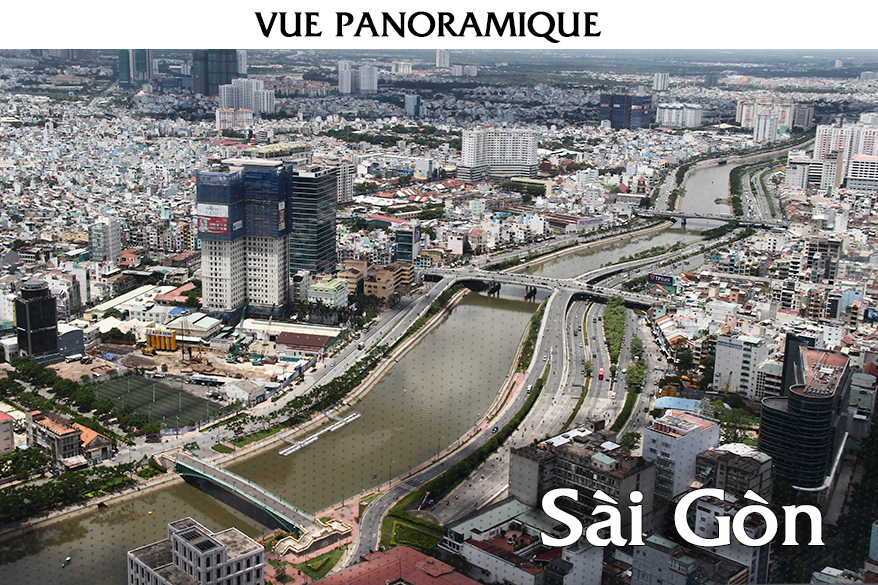
Saïgon: vue panoramique

Toàn cảnh thành phố Hồ Chí Minh

[Retour SAIGON]

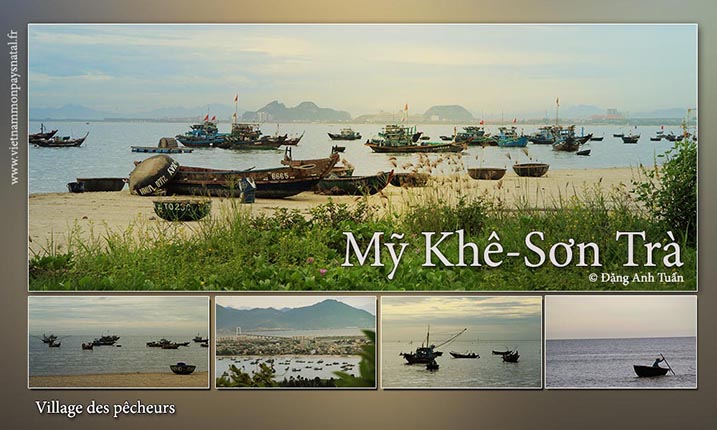
Le village des pêcheurs dans la péninsule Sơn Trà

poster_langchai_mykhe

Làng chài ở vịnh Sơn Trà

[ngg_images source= »galleries » container_ids= »146″ display_type= »photocrati-nextgen_basic_thumbnails » override_thumbnail_settings= »1″ thumbnail_width= »160″ thumbnail_height= »90″ thumbnail_crop= »1″ images_per_page= »30″ number_of_columns= »4″ ajax_pagination= »0″ show_all_in_lightbox= »0″ use_imagebrowser_effect= »0″ show_slideshow_link= »0″ slideshow_link_text= »[Montrer sous forme de diaporama] » template= »/homepages/5/d276592279/htdocs/clickandbuilds/vietnamquehuongtoi/wp-content/plugins/nextgen-gallery/products/photocrati_nextgen/modules/ngglegacy/view/gallery-caption.php » order_by= »pid » order_direction= »ASC » returns= »included » maximum_entity_count= »500″][Return TOURANE]


La plage Mỹ Khê-Sơn Trà (Đà Nẵng)


Étant considérée comme l’une des belles plages en Asie du Sud Est, Mỹ Khê est située à 6km à l’est de Danang (Tourane). Elle est connue pour ses vagues modérées et son sable fin. Elle a une étendue longitudinale de 900 mètres. Elle devient depuis quelques années la concurrente directe de Nha Trang.

Bãi biển Mỹ Khê nằm trong bán đảo Sơn Trà đuợc xem là một trong những bãi biển đẹp nhất trong vùng Đông Nam Á và cách xa 6 cây số về phía đông của  thành phố Đà Nẵng. Sóng biển ở Mỹ Khê rất  ôn hòa không mạnh và cát trắng rất mịn. Mỹ Khê còn có chiều dài khoảng chừng 900 thước. Những năm gần đây, Mỹ Khê là điểm du lịch không thua chi  bãi biển Nha Trang.

La plage Mỹ Khê dans la péninsule Sơn Trà

Mỹ Khê beach 


Being considered to be one of the most beautiful beaches in  South East Asia, Mỹ Khê is located 6 km to the east of Đà Nẵng (Tourane). It is known for its moderate waves and its fine sand. It demonstrates a strikelength of 900 meters. For some years now,  Mỹ Khê becomes the direct competitor of Nha Trang.

[ngg_images source= »galleries » container_ids= »147″ exclusions= »5309″ display_type= »photocrati-nextgen_basic_thumbnails » override_thumbnail_settings= »1″ thumbnail_width= »160″ thumbnail_height= »80″ thumbnail_crop= »1″ images_per_page= »30″ number_of_columns= »4″ ajax_pagination= »0″ show_all_in_lightbox= »0″ use_imagebrowser_effect= »0″ show_slideshow_link= »0″ slideshow_link_text= »[Montrer sous forme de diaporama] »
template= »/homepages/5/d276592279/htdocs/clickandbuilds/vietnamquehuongtoi/wp-content/plugins/nextgen-gallery/products/photocrati_nextgen/modules/ngglegacy/view/gallery.php » order_by= »sortorder » order_direction= »ASC » returns= »included » maximum_entity_count= »500″] 


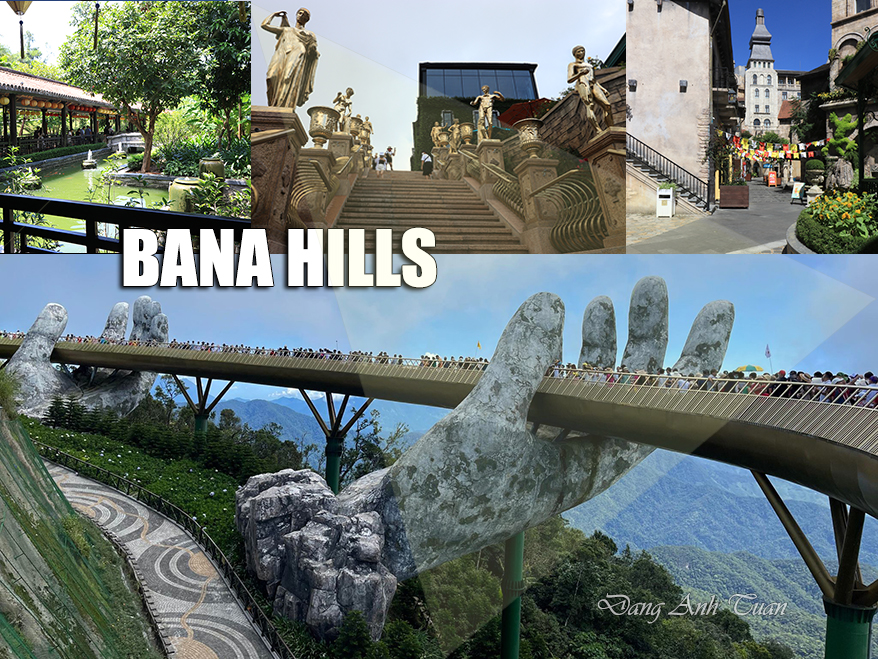
Colline Bà Nà (Đà Nẵng)


Version française

English version 

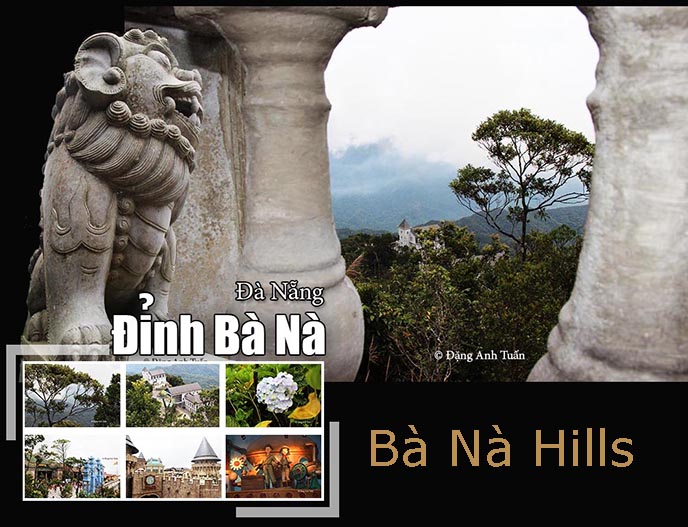
Năm 1894, nhà toàn quyền Đông Dương ông Paul Doumer có ý định tìm kiếm một nơi bình dị để quân đội Pháp được nghỉ ngơi và phục hồi sức khỏe. Để làm được điều này, ông đã yêu cầu một nhóm sĩ quan, trong đó có một người  trẻ tuổi tên là Debay để  thực hiện dự án nầy. Sau nhiều năm nghiên cứu không có kết quả, Debay đã khám phá ra ở phía đông dãy núi Trường Sơn, vào năm 1901 có một ngọn đồi Bà Nà đáp ứng được các tiêu chí mong muốn để  hoàn thành dự án nầy. Nhờ thế nơi nầy đã trở thành khu nghỉ dưỡng của quân đội Pháp sau khi chiến tranh thế giới thứ nhất bùng nổ. Rồi trải qua hàng chục năm chiến tranh tàn phá, Bà Nà rơi vào quên lãng. Chỉ đến năm 2000, Bà Nà mới trở thành điểm du lịch của các doanh nhân thuộc về tập đoàn Sun. Địa danh nầy  từ nay được nằm trong danh sách những địa điểm du lịch mà thành phố Đà Nẵng thường hay đề nghị trong các chuyến thăm quan của du khách. Dù ở độ tuổi nào đi nửa, du khách vẫn tìm thấy được  sở thích của mình ở nơi nầy. Ở đây, du khách nhận  thấy  không những có sự hiện diện của một công viên giải trí (Fantasy park), các ngôi chùa hay đền (Linh Ứng, Linh Phong Thiền Tự, Miếu Bà)  mà còn có cả một khu làng Pháp mà trong đó có một bản sao nhỏ của thánh đường Saint Denis (Ba Lê) hay lầu đài Chenonceau  (Val de Loire),  những khách sạn sang trọng, các nhà hàng và có cả luôn  một  hầm rượu  do người Pháp xây cất  bỏ hoang sau khi rời bỏ Đông Dương mà lại  có tuổi đời gần một trăm năm và một bảo tàng sáp.

Chỉ có thể đến các địa điểm này bằng cáp treo mà thôi. Được xây dựng theo tiêu chuẩn châu Âu bởi công ty người Áo Doppelmayr, địa danh nầy đạt được kỷ lục thế giới có cáp làm bằng kim loại dài nhất thế giới với tổng chiều dài hơn 5.771 mét và có 86 ca-bin, mỗi ca-bin đó có thể chứa 10 người. Điều nầy cho phép vận chuyển được 1.500 hành khách mỗi giờ. Nằm ở độ cao khoảng 1500 thước trên đỉnh Bà Nà, địa danh này vẫn tiếp tục lưu giữ cho đến ngày nay, ngoài vẻ đẹp hoang sơ, một môi trường gần như còn nguyên vẹn. Có hệ động vật khá phong phú với hơn 256 loài động vật có xương sống. Một số loài động vật bị đe dọa tuyệt chủng (như  gấu đen châu Á, trĩ sao, vượn má vàng, vân vân …) vẫn còn hiện diện ở đây. Hệ thực vật cũng rất đa dạng (544 loài cây). Tương tự như vùng Sapa ở miền Bắc Việt Nam, Bà Nà Hills cũng có được bốn mùa trong một ngày. Buổi sáng là mùa xuân, buổi trưa là mùa hè, buổi chiều  là mùa thu và đêm lại  là mùa đông.

[Return TOURANE]

Version francaise

En 1894, Paul Doumer, gouverneur général d’Indochine, eut l’intention de chercher un endroit idyllique pour permettre à l’armée française de se reposer et de se ressourcer. Pour cela, il demanda à un groupe d’officiers parmi lesquels figurait un jeune de nom Debay, de concrétiser ce projet. Après tant d’années de recherches infructueuses, Debay découvrît en 1901 à l’est de la chaîne de la cordillère annamitique Trường Sơn, la colline Bà Nà répondant aux critères souhaités pour la réalisation d’un tel projet. Cet endroit devint ainsi la station de villégiature pour l’armée française après le déclenchement de la première guerre mondiale. Puis au fil des décennies de guerre et de ruines, la colline Bà Nà tomba dans l’oubli. C’est seulement en l’an 2000 que la colline Bà Nà revint d’actualité pour devenir un site touristique avec les entrepreneurs de Sun Group. Il fait partie désormais de la liste des sites touristiques que la ville de Đà Nẵng ne manque pas de proposer au touriste lors  de son passage. Quel que soit son âge, celui-ci trouverait probablement son goût et sa préférence. 
dananang_bana_hill

Le touriste y trouve non seulement  un parc d’attractions (parc Fantasy), des pagodes et temples (Linh Ứng, Linh Phong Thiền Tự, Miếu Bà) mais aussi une zone villageoise où on peut voir une copie miniaturisée conforme de l’église Saint Denis (Paris) ou du château Chenonceau (Val de Loire),  des hôtels de luxe, des restaurants et même un cave construit et délaissé par les Français lors de leur départ en Indochine et ayant presque 100 ans d’âge et un musée de cire. Ce site n’est accessible qu’en téléphérique.(*) Etant construit aux normes européennes par la société autrichienne Doppelmayr, ce site obtient le record du monde du plus long câble métallique du monde avec une longueur totale de plus de 5 771 mètres et dispose de 86 cabines dont chacune peut accueillir 10 personnes, ce qui permet d’avoir une capacité totale de 1500 passagers par heure. Localisé à peu près de 1500 mètres d’altitude sur la colline Bà Nà, ce site touristique continue à garder aujourd’hui, outre sa beauté sauvage, un environnement encore presque intact. On y trouve une faune assez riche où on recense plus de 256 vertébrés. Quelques animaux menacés d’extinction (comme les ours noirs d’Asie, l’Argus ocellé, le gibbon à joues jaunes etc..) y sont présents. La flore est aussi variée (544 espèces d’arbres). Analogue à la région Sapa dans le Nord du Vietnam, Bà Nà retrouve dans une journée les quatre saisons. Le matin c’est le printemps, l’après-midi l’été, le soir l’automne et la nuit l’hiver.

[Return TOURANE]

[ngg_images source= »galleries » container_ids= »145″ display_type= »photocrati-nextgen_basic_thumbnails » override_thumbnail_settings= »1″ thumbnail_width= »160″ thumbnail_height= »120″ thumbnail_crop= »1″ images_per_page= »30″ number_of_columns= »6″ ajax_pagination= »0″ show_all_in_lightbox= »0″ use_imagebrowser_effect= »0″ show_slideshow_link= »0″ slideshow_link_text= »[Montrer sous forme de diaporama] » template= »/homepages/5/d276592279/htdocs/clickandbuilds/vietnamquehuongtoi/wp-content/plugins/nextgen-gallery/products/photocrati_nextgen/modules/ngglegacy/view/gallery-caption.php » order_by= »pid » order_direction= »ASC » returns= »included » maximum_entity_count= »500″]English version 

In 1894, Paul Doumer, Governor General of Indochina, had the intention to look for an idyllic place to allow the French army to rest and unwind. To do so, he asked a group of officers, including a young man named Debay, to make this project a reality. After so many years of fruitless research, Debay discovered in 1901 in the east of the Trường Sơn annamitic cordillera chain, the Bà Nà hill meeting the desired criteria for the realization of such a project. This place thus became the resort for the French army after the outbreak of the First World War. Then over the decades of war and ruin, Bà Nà Hill fell into oblivion. It was only in the year 2000 that Bà Nà Hill came back into the news to become a tourist site with the Sun Group entrepreneurs. It is now part of the list of tourist sites that the city of Đà Nẵng does not fail to offer to the tourist when he visits. Regardless of his age, he would probably find his taste and preference.
The tourist can find not only an amusement park (Fantasy Park), pagodas and temples (Linh Ứng, Linh Phong Thiền Tự, Miếu Bà) but also a village area where one can see a miniaturized exact copy of Saint Denis Church (Paris) or Chenonceau Castle (Loire Valley), luxury hotels, restaurants, and even a cellar built and abandoned by the French when they left for Indochina and being almost 100 years old and a wax museum. This site is only accessible by cable car (*) Built to European standards by the Austrian company Doppelmayr, this site holds the world record for the longest wire rope in the world with a total length of more than 5,771 meters and has 86 cabins, each of which can accommodate 10 people, giving a total capacity of 1,500 passengers per hour.

Located at about 1500 meters above sea level on the Bà Nà hill, this tourist site continues to keep today, in addition to its wild beauty, an environment still almost intact. There is a rather rich fauna where we count more than 256 vertebrates. Some animals threatened with extinction (such as the Asiatic black bear, the ocellated Argus, the yellow-cheeked gibbon etc.) are present. The flora is also varied (544 species of trees). Similar to the Sapa region in northern Vietnam, Bà Nà has the four seasons in one day. In the morning it is spring, in the afternoon it is summer, in the evening it is autumn and at night it is winter.

[Return TOURANE]

Pagode Linh Ứng (Đà Nẵng)


danang_linh_ung

La pagode de Linh Ứng est située dans une zone appelée localement Bãi Bụt (le sanctuaire du Bouddha), sur la péninsule de Son Trà. Elle est considérée comme la pagode la plus magnifique de Đà Nẵng au niveau architectural et artistique.

Chùa Linh Ứng tọa lạc tại khu vực địa phương gọi là Bãi Bụt (thánh địa Phật giáo), trên bán đảo Sơn Trà. Đây được coi là ngôi chùa tráng lệ nhất Đà Nẵng về mặt kiến ​​trúc và nghệ thuật.

The Linh Ứng pagoda is located in an area locally called Bãi Bụt (the sanctuary of the Buddha), on the Son Trà peninsula. It is considered the most magnificent pagoda in Đà Nẵng in terms of architecture and art.


[ngg_images source= »galleries » container_ids= »144″ exclusions= »1971,1973″ display_type= »photocrati-nextgen_basic_thumbnails » override_thumbnail_settings= »1″ thumbnail_width= »155″ thumbnail_height= »180″ thumbnail_crop= »1″ images_per_page= »30″ number_of_columns= »6″ ajax_pagination= »0″ show_all_in_lightbox= »0″ use_imagebrowser_effect= »0″ show_slideshow_link= »0″ slideshow_link_text= »[Montrer sous forme de diaporama] » template= »/homepages/5/d276592279/htdocs/clickandbuilds/vietnamquehuongtoi/wp-content/plugins/nextgen-gallery/products/photocrati_nextgen/modules/ngglegacy/view/gallery-caption.php » order_by= »pid » order_direction= »ASC » returns= »included » maximum_entity_count= »500″][Return TOURANE]

[Return RELIGION]


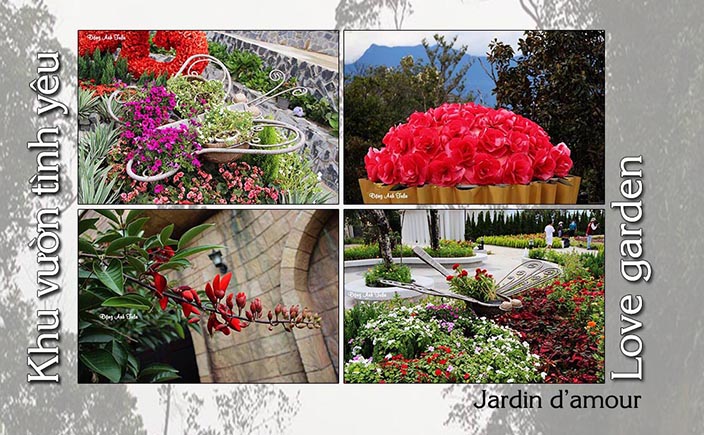
Jardin d’amour (Đỉnh Bà Nà)

bana_par_amour

 Đỉnh Bà Nà (Đà Nẵng)

[ngg_images source= »galleries » container_ids= »143″ exclusions= »1953,1957″ display_type= »photocrati-nextgen_basic_thumbnails » override_thumbnail_settings= »1″ thumbnail_width= »160″ thumbnail_height= »100″ thumbnail_crop= »1″ images_per_page= »30″ number_of_columns= »6″ ajax_pagination= »0″ show_all_in_lightbox= »0″ use_imagebrowser_effect= »0″ show_slideshow_link= »0″ slideshow_link_text= »[Montrer sous forme de diaporama] » template= »/homepages/5/d276592279/htdocs/clickandbuilds/vietnamquehuongtoi/wp-content/plugins/nextgen-gallery/products/photocrati_nextgen/modules/ngglegacy/view/gallery-caption.php » order_by= »pid » order_direction= »ASC » returns= »included » maximum_entity_count= »500″]


Galerie des photos de Sapa

Les photos témoignent de la vie journalière des Hmongs. Sapa est aussi la région où la présence des Hmongs et des Ðào rouges ne peut pas passer inaperçue.

[ngg_images source= »galleries » container_ids= »140″ exclusions= »1889,1890,1895,1896,1898,1905,1910,1912,1913,1915,1916,1917,1918,1919″ display_type= »photocrati-nextgen_basic_thumbnails » override_thumbnail_settings= »1″ thumbnail_width= »140″ thumbnail_height= »90″ thumbnail_crop= »1″ images_per_page= »30″ number_of_columns= »6″ ajax_pagination= »0″ show_all_in_lightbox= »0″ use_imagebrowser_effect= »0″ show_slideshow_link= »0″ slideshow_link_text= »[Montrer sous forme de diaporama] » template= »/homepages/5/d276592279/htdocs/clickandbuilds/vietnamquehuongtoi/wp-content/plugins/nextgen-gallery/products/photocrati_nextgen/modules/ngglegacy/view/gallery-caption.php » order_by= »pid » order_direction= »ASC » returns= »included » maximum_entity_count= »500″]