Dalat (English version)

Version française

  Thành phố sương mù

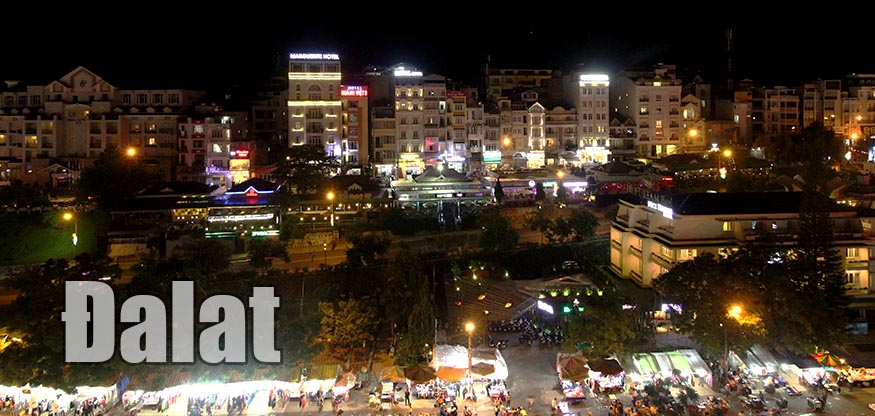
Located on the Vietnam’s Central Highlands, about 250 kilometers from Saigon and  1500 meters above sea level, Dalat continues to keep the charm of the 1920s.

In 1893, the discoverer of the plague bacillus and the Pasteur‘s disciple, Alexandre Yersin has founded at the Lang Bian mountain plateau  a fertile ground for the establishment of a sanatorium. His project was followed several years later by that of Governor Paul Doumer in transforming Dalat into  the  most select climate  resort of South East Asia.
Here is found the little Paris of the Viet Nam with its buildings erected during the colonial era:  high school Yersin, convent of the sisters named “Couvent des Oiseaux”, private villas whose style is borrowed from Basque country, as well as from to  Savoy and Normandy.

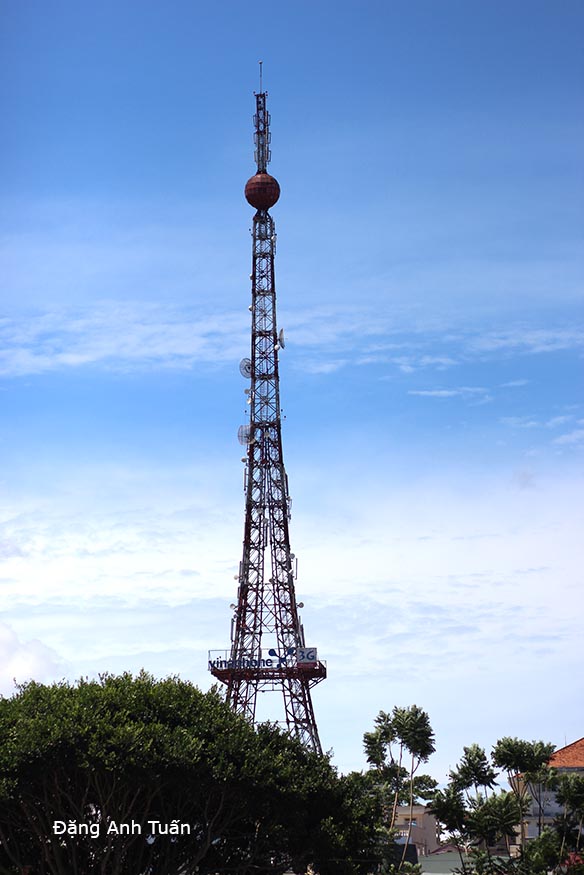
The railway station of Đà Lạt is a replica of the Deauville train station in miniature. Even the small red and white iron lady, the small Eiffel Tower is there to remind its Parisian colleague.

 Little Paris in Vietnam

Pictures gallery 

Thanks to the temperate climate (10 degrees in  winter) and 25 degrees in  summer, one can cultivate here  all citrus fruits and vegetables. That allows Dalat to become the  leading vegetable provider of the country. Flowers greenhouses are also in the honour  for the region. Known as  « the city of eternal spring« , Dalat is characterized by a large number of « no »: no air conditioning, no traffic lights, no cycle ricksaws, no cops in  the streets, no supermarkets, no motorcycle taxis (xe ôm) etc..

[Retour VILLES]

Communal house (Đình Làng : Part 4)


dinh_cham

Communal house 

Version vietnamienne
Version française

Decoration art in the communal houses

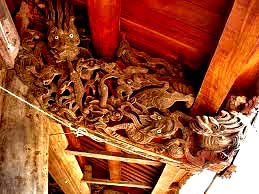
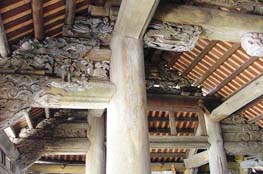
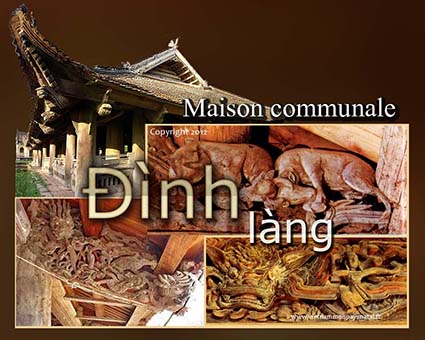
Thanks to the communal house (đình), we discover that the village life is intimately introduced in the decoration art. This one tries to liberate itself not only from classic conventional models encountered until then but also Confucian straitjacket that Vietnam has known in the feudal system. That is what we see in wooden carvings which take up all free spaces encountered inside the đình (from roof frame to columns).

All imperfections of the construction are hidden with address thanks to the technique of embellishment. In each carved piece, the motif whether it is animal, character, flower etc. is unique and cannot be found anywhere else even if it is the same theme. By contrast, one discovers in these sculptures the coexistence through centuries of two cultures, one being national and scholarly and the other popular. One finds not only in the first all motifs relating to four hieratic animals (Rồng, Lân, Rùa, Phượng) (Dragon, Unicorn, Tortoise, Phoenix), four noble plants, fairies, animals (tigers, elephants etc.) but also fantasy, imagination, innovation from peasant-sculptor despite his strict obedience to etablished standards.

In the popular sculptures, the master craftsman who is, above all, a peasant, let himself be guided by his personal inspirations, his sincere emotions, his frustrations, his spontaneity and his sentiments in the realization of his work with realism and humor. He succeeds in escaping the censoring custom by a unusual aptitude in the description of bawdy scenes through his work of art: a naked young girl taking a bath in the lotus pond or sitting with low-necked dress on a a dragon head (đình Phụ Lão, Bắc Giang), a young man groping the body of a woman under the watchful eye of his partner (đình Hưng Lộc), a mandarin disturbing a girl who is obliged to hide her body with the lotus sheet in her bath (đình Ðệ Tam Ðông, Nam Ðịnh) etc.

He dares to denounce the wrongdoings of corrupt mandarins. That is what one sees in the carved piece of the communal house Liên Hiệp. These are taboos and frustrating redtapes encountered every day in the Vietnamese confucian society. Everything found in this popular sculpture largely reflects artist’s freedom of expression, common aspirations and social life of village. The paradox is visible because the communal house is both the garden of Confucian order which is well established in Vietnamese family and social structure and the place where the peasant can find again his freedom of expression and denounce the Confucian straightjacket. By its sculptures and its architecture, the communal house constitutes an inestimable jewel for Vietnamese people. One has the habit of saying in Vietnamese: làng nước (Village Nation) because Vietnamese nation is constituted over centuries by the dissemination of villages whose communal house (Đình) is both spiritual, administrative, social and cultural centre. As a consequence, the communal house (Đình) is not only the soul of village but also that of Vietnamese nation.

[RETURN]

Communal house (Đình Làng: Part 3)

dinhlang03

Đình Làng (Part 3)

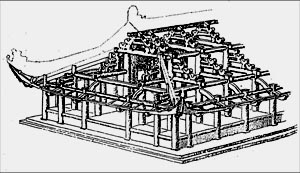
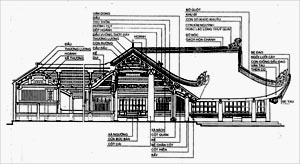
Armature ( Cấu tạo vì kèo )

Version vietnamienne

Version française

In addition to the ceremonies scheduled in the year in honor of the tutelary genius, villagers attach great importance to anniversaries of his birth and death. But there are also other occasional sacrifices caused often by a marriage, an appointment, a promotion or a old or siver wedding (khao lão). This allows you to give rise to feasts in the village and allows you to celebrate in large pump the cult in the tutelary genius. The latter may be a man or a woman. It is easy to identify this genius at the time of the procession. For the genius-man, there is always the presence of a horse in red (ngựa hồng) or white ( ngựa bạch) laquered wood. This one is of natural size and mounted on a wooden rectangular plate fitted with castors. The latter is richly harnessed and it is supposed to bring the genius soul. In the case where the genius is a woman, this horse is replaced by the palanquin in red hemp (võng đào) suspended from the beam having the ends carved with dragon head and based on two easels in the form of three crossed sticks.

Mái cong làng Ðình Bảng 

dinhlang02

For the duration of the feast, one sacrifices to the tutelary genius with solemnity by moving its char ( kiệu) accompanied by a large number of culte objects, parade weapons, dais (tán) and pennants (cờ), from the communal house (đình) to the his place of residence (nghè) (1) or from the village to another allied village in the case where these ones are united by the cult of the same genius and by organizing multiple entertainment: fighting of cocks, buffaloes and birds, chess games with human pawns, flat hand wrestling etc.

There is also a important rite which recalls the significant characteristics of genius life. Known as the « hèm » in Vietnamese and kept secret, it is always celebrated during the night for geniuses who have not done an honorable act (genius thief, genius with fists, wast collector genius etc … ).. By contrast, it is celebrated in the great day for the geniuses with a quality or an act of bravery. One avoids to pronounce also the name of the genius during the rite by modifying the pronunciation or by substituting a synonym. This is the case of genius Linh Lang for example. We are obliged to tell « khoai dây » instead « khoai lang » (potatoes), « thầy lương » for « thầy lang » (doctor) etc. This singular rite is one of the essential features of communal cults. The negligence of this rite could jeopardize the prosperity of the village.

Its construction is always operated according to a well-defined layout plan identifiable by some Chinese characters Nhất, Nhị, Tam, Ðinh, Công, Vương etc.  A communal house (đình) who stands alone with a rectangular main building (đại đình) evokes the character « Nhất ». This is the case of « đình » Tây Ðằng.By contrast, we are led to recognize the character Nhị by adding to the main building a second building (tiền tế) (or building reserved for sacrifices). This one is parallel to the first building and preceding it in the new layout. This is the case of the communal house Liên Hiệp. It is rare to find the character Tam in the construction of communal house. In a general way, the « đình » is frequently encountered in the shape of the character Công.

The posterior building Hậu Cung is connected to the main building by a small corridor or a small court (Ống muống) . This is the case of the communal house Đình Bảng, Mộng Phụ. For the character Vương, it is sufficient to connect three buildings (Hậu Cung, Đại Đình, Tiền Tế) with two corridors (Ống muống). It is in this last building « Tiền Tế » where the official ceremony for tutelary genius is performed by notables wearing a blue suit during the feast days. READING MORE

Palanquin in red hemp (Đình Cổ Loa)              


(1) ghè: Place of residence of the genius often located at the entrance of the village. At the time of the feast, invited the genius is invited to join the communal house « đình ». It is brought back to its « ghè » when the feast is terminated.

Bibliographie:

Le Ðình, maison communale du Viêt Nam.
Hà Văn Tấn, Nguyễn Văn Kự,
Editions Thế Giới, 2001

Communal house ( Đình Làng: Part 2)


dinhvn

Đình Làng: Part 2


Version vietnamienne

Version française

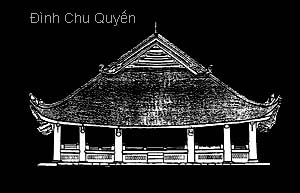
We are accustomed to say: Cầu Nam, Chùa Bắc, Ðình Ðoài with the aim of evoking the celebrity of three specific regions concerning the Vietnamese traditional architecture. Ðình Ðoài thus insinuates the region Ðoài (Hà Ðông, Sơn Tây) where there is a large number of famous communal houses. (Tây Ðằng, Mông Phụ , Chu Quyến etc. .. ). It is in this region near the mountain and forests that the precious and resistant hardwood is found essentially  for  the construction of đình.

The word « đình » has its origin in the Chinese ideogram ting. Despite this, the « đình » in the Vietnamese architecture does not correspond to the Chinese description of the ting. The latter is employed over time to designate a isolated house for cultural joys (thưởng ngoạn văn hóa) or a rest home (đình trạm) for a traveller or a mandarin in mission or a temple for the cult of the rampart genius at the time of the Han (Chinese).

In this meaning, there is the same type of ting in Viet Nam with the đình Trấn Ba within the temple Ngọc Sơn (Hànội) or Thủy Ðình ( Ðình on water) in front of the pagoda Thầy (Chùa Thầy) (Hà Tây). Based on the origin of the word Ðình, some specialists do not hesitate to think that the cult of the Chinese « ting » has inspired the Vietnamese « đình ». For Vietnamese writer and journalist Hữu Ngọc, the wall genius have been replaced by the village tutelary genius to adapt oneself to Vietnamese taste. But there are several reasons not allowing to reinforce this hypothesis.

Firstly, the Vietnamese đình which is due to its strength in an ingenious system of columns, tenons and mortices, is built on stilts (without poured foundation). This technique allows to facilitate sometimes its movement or its re-orientation in case its initial installation does not provide prosperity and happiness to the village after several decades of exploitation.This type of construction reminds us that, for some researchers, in particular French researcher Georges Coedes, the Vietnamese « đình » was undoubtedly influenced by Indonesian architectural style.
chu_quyen1

It does not call into question what one have already discovered on Vietnamese bronze drums with the house on stilts and a curved roof. (Ngọc Lữ ). We know very well that the Dongsonian (the ancestors of the Vietnamese ) were established along the coast of North Vietnam (1 millennium before J. C. ). They were considered as « Indonesian » (or Austroasians (Nam Á in Vietnamese), the Bai Yue.

According to Vietnamese researcher Trịnh Cao Tường, specialised in the study of communal houses (đình), the architecture of Vietnamese communal house on stilts testifies to the echo of the Dongsonian mind continuing to perpetuate itself yet in the daily life of the Vietnamese people. In addition, this building type is similar to sacred common building roong (nhà rồng) that one is accustomed to find among the Austroasiatic populations, in particular highland ethnic peoples (Central Highlands of Vietnam).

Analogous to the Vietnamese communal house, the building rôong cumulates a large number of social functions: board room of village committee, accommodation center for casual visitors, rallying point of all villagers etc. ..Some Vietnamese « đinh » are fitted with wooden floors serving as headquarters for meeting or sofa bed for notables and villagers. This is not the case of Chinese « ting ».

Đình Bảng (Bắc Ninh)

In the XVIII century, there are almost 11800 villages in Vietnam. This means that there are communal houses as much as villages. As the Vietnamese have the habit of saying: the water that we drink recalls the source (Uống nước nhớ nguồn), there is always within themselves a recognition, a gratitude for those who have done a great service for them and their country.

That is why nothing is surprising to see a large number of historical figures (national and local heroes) or legendary characters (Mountain genius Tan Viên for example) and benefactors considered to be part of geniuses of communal houses. Those who have done stirring deeds are not forgotten either. In addition, among these ministering geniuses, there are also the children, beggars and thieves. These ones die a violent death with a sacred hour, which gives them the supernatural powers to protect villagers against evils and misfortunes. Thanks to these communal gods, the village found not only tranquillity and prosperity but also rule, justice and morality. They are in some way the personification of this supreme authority which derives its full strength in the village itself.

Depending on their role more or less filled, they can receive royal patent (sắc phong) who grant them the grades of « genius of higher rank (or Thượng đẳng thần) » or « genius of the average rank (or Trung đẳng thần) » or the « genius of lower rank (Hạ đằng thần) « . This institution allows the king to demote those of them failing to fulfill their mission by sowing disorder in the village or letting the villagers perish. Being kept with care and jealousy in the Hậu Cung (or interior palace) these royal patents are the indescribable pride of the whole village. If the latter has not his tutelary genius, it is forced to borrow the tutelary genius of another village or to replace it by the soil genius (thổ thần). In the case where the villages are united by a common cult for the same tutelary genius, they must come to an agreement so that the feast day is fixed at a date agreed in each village and everyone can participate by sending a delegation during the procession.

Unlike the temples built and maintained at public expense, the communal houses are charged to villagers because it is in fact a local worship. The wealth found in the decoration of communal houses and their dimensions depend both on the financial prosperity and the generosity of the villagers. One found in every village, some parcels of land called rice-fields of the rites (or tế điền) or rice paddies of geniuses (ruộng thần từ) whose exploitation is used to maintain the communal house and the area of which may reach several tens of mẩu (or 0.36 ha) in some villages before 1945. It is the local hierarchical authorities who are responsible for the administration of communal house and village as « a small court ». The rules, customs and traditions are applied with severity and they are more respected than the king’s authority. Women are not allowed in the đình. That is why we have a habit of saying in Vietnamese « Phép vua thua lệ làng » (the king’s authority yields to the village custom).

[READING MORE]

Communal house (Đình Làng: Part 1)

dinhlang

Một mảnh hồn của đất nước

Part 1

Version française

Đình Làng

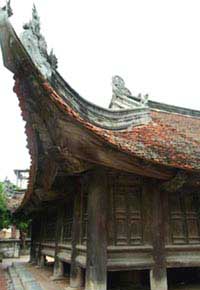
These are two words that it is difficult to separate in the spirit of the Vietnamese because everywhere there is a Vietnamese village, there is also somewhere a communal house, a « đình ». This one, always covered with tiles, is a wooden colossal building on stilts. Unlike the pagoda which closes itself off, the « đình » has neither doors nor wall and communicates directly with the outside world. Its imposing wide roof cannot go undetected with its super elevated edges ( đầu đao )Its location is the subject of meticulous studies of geomancy. Its construction is carried out in most cases on a fairly high terrain considered as a sacred space and it is oriented so as to have access to a water piece (lake, river , wells) with the aim of gathering the peak of well-being. (Tụ thủy, tụ linh, tụ phúc).

This is the case of the đình Tây Ðằng with a water piece filled with lotus in front of its porch in summer or the đình Ðồng Kỵ ( Từ Sơn, Bắc Ninh) erected in front of a river or that of Lệ Mật (Gia Lâm, Hànội) with a wide well. The Vietnamese communal house is often built within a green surroundings with the centuries-old banyan trees, frangipani, palm trees etc. ..

We cannot define better its role than that which has been summarily written by French Paul-Giran in his book entitled: Magie et Religion annamites, pp 334-335, 1912:

The đình where lives the genius protector of each village (thành hoàng) is the centre of the community’s collective life. It is here that there are the meetings of village notables allowing them to address the administration and justice issues. It is also here that one can see  religious ceremonies and  acts that are the life of the Vietnamese society.

We can say that it is somehow the town hall of a city today. But it is better considered that the latter because it is the strong emotional bond with the entire community of the village.  Through it, the Vietnamese can regain not only his roots but also the aspirations and shared memories of the village where he was born and he grew up. His deep attachment to his village, in particular his « đình »,  is not breaking the expression of his feelings that we usually find in  popular songs:

Qua đình ngả nón trông đình
Ðình bao nhiêu ngói thương mình bấy nhiêu….

Passing by, she doffs her hat towards the communal house
The đình possess many tiled roof as much as she loves you

or

Trúc xinh trúc mọc đầu đình
Em xinh em đứng một mình cũng xinh
……………………………
Bao giờ rau diếp làm đình
Gỗ lim ăn ghém thì mình lấy ta ….

The beautiful bamboo grows at the entrance of the communal house
You are nice, my sweetheart even if you are alone
……………………………………….
Whenever lettuce can be used to build a communal house 
and wood « lim » comestible, we could be married …

The image of the communal house is intimately rooted in the heart of the Vietnamese. The đình is the symbol of their identity. Already, in the XII century, under Lý dynasty, an edict stated that on all the Vietnamese territory, each village must build its own đình. This one followed the Vietnamese during their advancement to the south from the XIth to the XVIIIth century. Firstly, it was implemented in the center of Vietnam through   Thanh Hóa and Nghệ An provinces under Lê dynasty and then  Thuận Hóa and Quảng Nam provinces under Mạc dynasty and finally in the Mekong delta at the point of Cà Mau with Nguyễn lords. Its construction evolved to adapt not only to new climate, new lands acquired and new materials available found on local site but also traditions and regional customs throughout entire course over thousands of kilometers during the four centuries of expansion. Except the Central Highlands, cradle of the ancestral culture of ethnic minorities, the « đình » succeeds to distinguish itself in diversity with a style and a own architecture for each district within each region.

Built a few centuries earlier, the « đình » in the North remains the reference for the majority of Vietnamese because it is chosen not for its aesthetic character but rather for its original character. It is the authentic symbol of  rural life of the Vietnamese people over the centuries. It has been erected the first by Vietnamese village culture in the Red River delta. The đình in the north is not only an assembly of columns, main rafters and all sorts of components joined by mortises and tenons on stone foundation but it is also a wooden frame on which is based the roof reinforced by its own weight. One of the characteristics of Vietnamese communal house is found in the role of the columns  used to sustain the roof. Its look is very imposing thanks to these large main columns.

        Communal house  Ðình Bảng ( Tiên Sơn, Bắc Ninh )

dinhvn_1dinhvn_2

This is the case of đình Yên Đông destroyed by fire (Quảng Ninh) and main columns of which reach 105 cm in diameter. This impression is often illustrated by the expression that one has the habit of saying in Vietnamese: to như cột đình (colossal as the column of the đình ). That is what one see in the famous « Ðình Bảng » with its 60 wooden columns (gỗ lim) and its large roof completed by the edges elevated in the form of lotus petals. 

[READING MORE] 

 
Đình Mông Phụ (Sơn Tây)

Villes de France


Villes de France (Các thành phố Pháp Quốc)
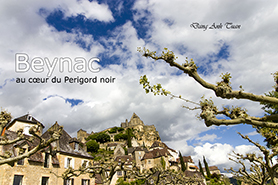
Un castel médiéval au cœur du Périgord noir.
Một lầu đài thời trung cổ ở giữa lòng của Périgord
Une ville très charmante avec ses maisons à colombage dans le quartier historique « La Petite France ».

Một thành phố Strasbourg xinh xắn với các nhà nửa gỗ ở giữa lòng khu phố cổ được gọi là "nước Pháp nhỏ bé".

Strasbourg (Marché de Noël 2017)
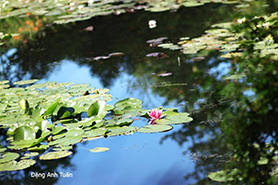
Le jardin d'eau de Claude Monet. (Giverny)

Vườn hoa súng của họa sỹ Claude Monet (Giverny).
Le jardin d’eau de Claude Monet (Giverny)

Le clos normand de Claude Monet (Giverny).
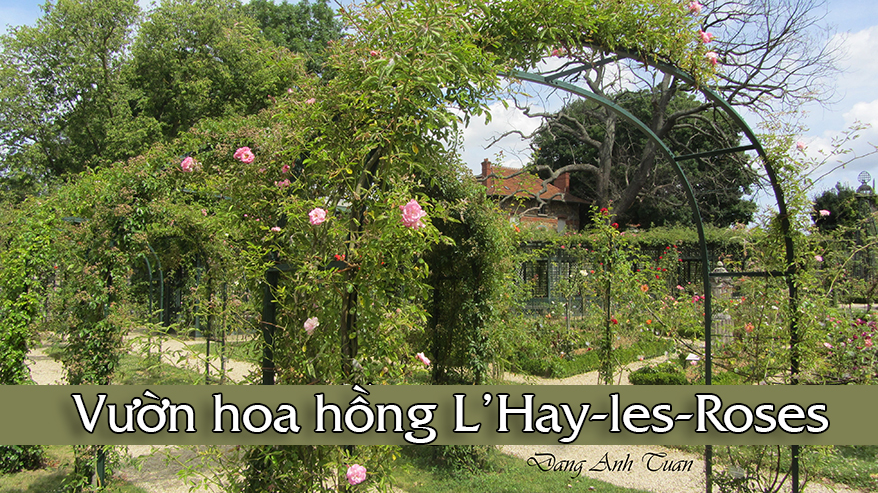
La roseraie de l'Hay-les-Roses (Val de Marne 94)
Vườn hoa hồng L'Hay-les-Roses.
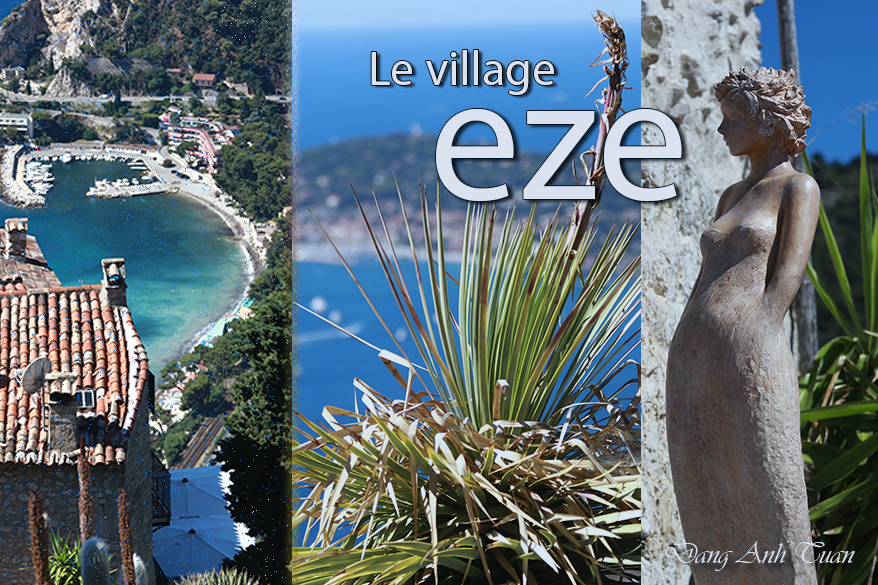
Le village médiéval Eze de la Provence. Làng thời trung cổ Eze.
Village d’Eze (le plus beau village de France)
La perle de la France (Menton). Ngọc trai của nước Pháp
Menton (Côte d’azur)
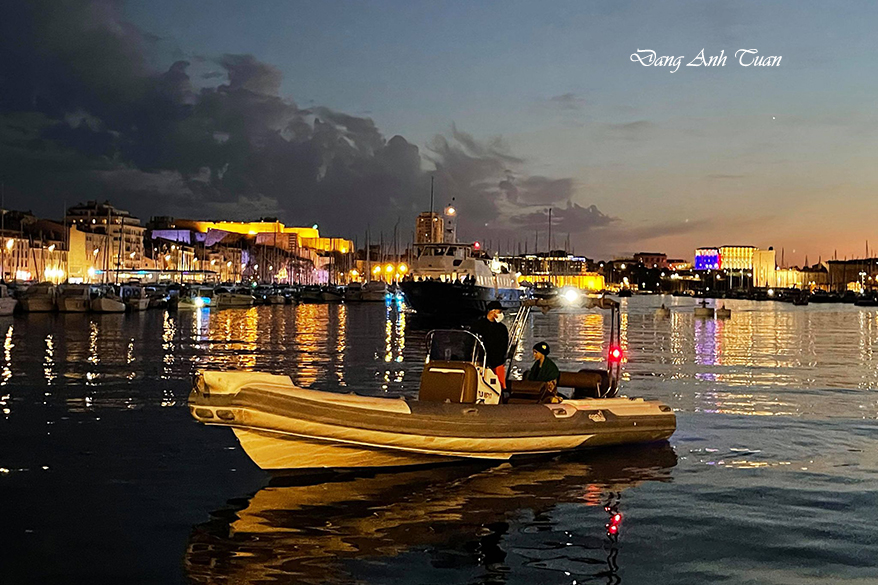
Le vieux port, symbole de la ville la plus ancienne de la France, Marseille.
Cảng cũ, biểu tượng của thành phố cổ nhất của nước Pháp, Marseille.

Marseille, la ville la plus ancienne de la France

Strasbourg (Marché de Noël 2017)


Située à deux heures de la capitale Paris au nord-est de la France avec le train TGV, Strasbourg est une ville très charmante avec ses maisons à colombage dans le quartier historique localisé sur la Grande Île, qui est classée au Patrimoine mondial de l’Humanité par l’UNESCO depuis 1988. Elle est très connue pour son vieux marché de Noël en Europe.

Located two hours from the capital Paris in north-east France by TGV train, Strasbourg is a very charming city with its half-timbered houses in the historic district on the Grande Île, which has been a UNESCO World Heritage Site since 1988. It is also famous for its oldest Christmas market in Europe.

Nằm ở phía đông bắc nước Pháp cách thủ đô Paris hơn hai giờ tàu tốc hành TGV, thành phố Strasbourg mơ mộng với những ngôi nhà xinh xắn ven các kênh đào trong khu lịch sữ La Petite France được công nhận là di sản thế giới từ năm 1988 bởi UNESCO. Strasbourg còn nổi tiếng là có chợ đêm Noël lâu đời nhất ở Âu Châu.

Bấm vào hình để xem ảnh rõ hơn (Cliquez sur l’image pour l’agrandir)

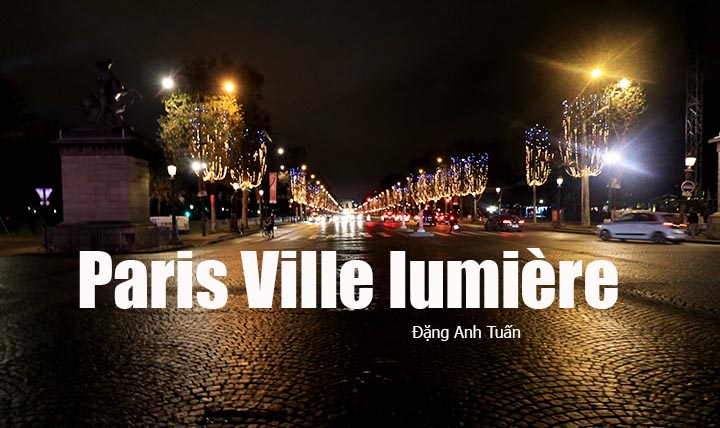
Paris 2017

paris
Paris est l’une des plus belles villes du monde, en particulier la nuit. Comme l’écrivain américain Ernest Hemingway disait qu’il n’y a que Paris pouvant lui apporter  à tout instant,  l’inspiration dans la création de ses œuvres littéraires. Pour lui, Paris était considéré  toujours comme  une fête (The Moveable feast) lors de son séjour à la fin des années 1950. Il y a non seulement la Seine coulant paisiblement  sous les ponts  ayant chacun une architecture particulière mais aussi des lieux très célèbres comme le jardin de Luxembourg, la cathédrale Notre Dame, la tour Eiffel, le musée du Louvre etc…C’est pour cela que Paris lui a exercé un attrait irrésistible même il était de passage à Paris pour une fois. C’est aussi Paris  qui a fait de lui un écrivain célèbre.

Version vietnamienne

Paris là một trong những thành phố đẹp nhất thế giới nhất là về đêm. Cũng như nhà văn hào Mỹ Ernest Hemingway nói   chỉ có Paris có thể đem lại cảm hứng sáng tác cho ông bất kỳ lúc nào. Chính vì thế ông xem Paris lúc nào cũng như ngày lễ hội.  Không những  có  sông Seine trôi lặng lẽ dưới các cây cầu có một  kiến trúc độc đáo  mà còn các nơi nổi tiếng  như vườn hoa Luxembourg,  nhà thờ Notre Dame,  tháp Eiffel, bảo tàng viện Louvre vân vân khiến   Paris trở thành nơi có sức lôi cuốn mãnh liệt đối với ông dù ông chỉ có một lần đến Paris.  Chính Paris làm ông trở thành một nhà văn hào nổi tiếng.

Paris 2017

[Return PARIS (Ville Lumière)]

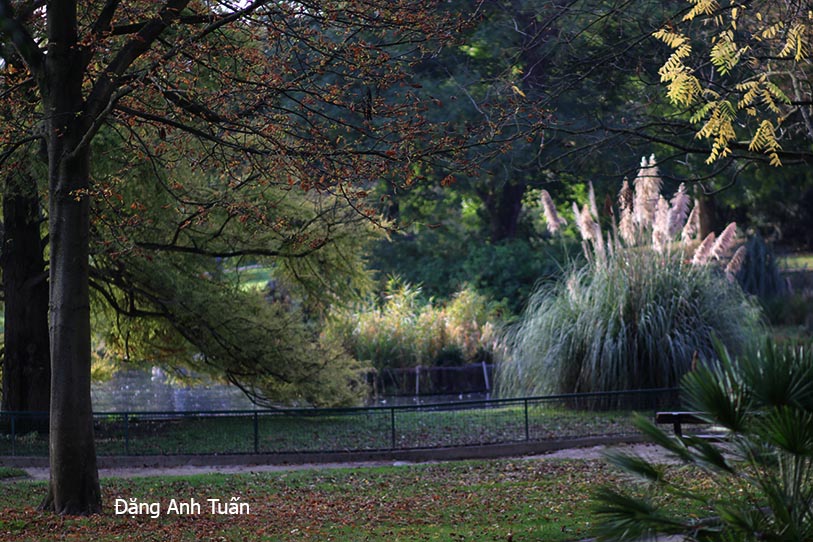
Parc de Joliot Curie (Vitry-sur-Seine)

Vườn hoa Joliot-Curie


[ngg_images source= »galleries » container_ids= »311″ display_type= »photocrati-nextgen_basic_thumbnails » override_thumbnail_settings= »1″ thumbnail_width= »160″ thumbnail_height= »80″ thumbnail_crop= »1″ images_per_page= »30″ number_of_columns= »4″ ajax_pagination= »0″ show_all_in_lightbox= »0″ use_imagebrowser_effect= »0″ show_slideshow_link= »0″ slideshow_link_text= »[Montrer sous forme de diaporama] » template= »/homepages/5/d276592279/htdocs/clickandbuilds/vietnamquehuongtoi/wp-content/plugins/nextgen-gallery/products/photocrati_nextgen/modules/ngglegacy/view/gallery.php » order_by= »pid » order_direction= »ASC » returns= »included » maximum_entity_count= »500″]

Cliquez sur la photo pour voir son agrandissement