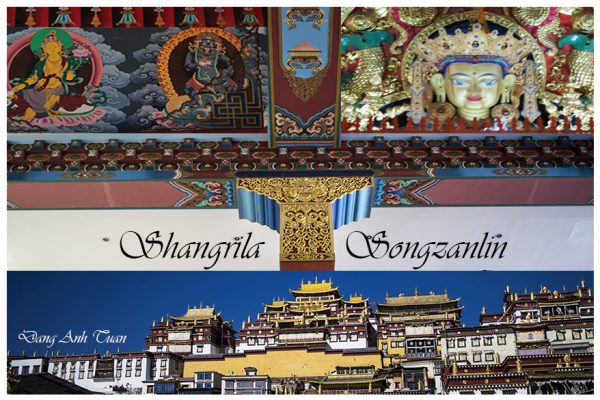
Shangrila (Yunnan)

Tu viện Tùng Tán Lâm 

Version française
Version anglaise
Galerie des photos

Shangrila nó không những là trung tâm của ba dòng sông lớn Dương Tử, Lan Thương, đoạn đầu của dòng Mékong và Nộ Giang (sông Thanlwin). Nó còn có  nghĩa là địa điểm của vận mệnh và sự may mắn theo ngôn ngữ của người Tạng.

Đây cũng là một thế giới riêng biệt được mang tên Shangri-La trong chuyến du lịch gần đây của mình ở tỉnh Vân Nam, gần biên giới Trung Quốc-Tây Tạng (cuối tháng 1 năm 2026) với chủ đích tìm hiểu dưới gốc độ tâm linh Phật giáo Mật Tông và khám phá cao nguyên huyền bí. Nó còn là thế giới đã mất được mô tả trong tiểu thuyết của James Hilton. Chính tại đây, m ình tìm thấy một bầu không khí độc đáo nhờ sự hiện diện của người dân Tạng với các ngôi làng cổ và phong tục truyền thống của họ như các  nhất là có một công trình kiến trúc  phật giáo Tây Tạng  độc đáo có hơn 300 tuổi đời với tu viện Tùng Tán Lâm  được xem nh ư là Tiểu Potola so sánh với Potola ở Lhassa. Muốn đến nơi nầy, du khách phải vượt 146 bậc thang.

Shangrila n’est pas seulement le centre de trois grands fleuves: le Yangtsé, le Lancang, la source du Mékong et le Nujiang (fleuve Thanlwin). Cela signifie aussi un lieu du destin et de chance selon la langue tibétaine.
C’est aussi un monde à part nommé Shangri-La lors de mon récent voyage dans la province du Yunnan, près de la frontière Chine-Tibet occidental (fin janvier 2026), avec l’intention de  savoir plus sous l’angle spirituel le bouddhisme tantrique et d’explorer le plateau mystérieux. C’est aussi le monde perdu décrit dans le roman de James Hilton. C’est ici que j’ai trouvé une atmosphère unique grâce à la présence des habitants tibétains avec leurs villages anciens et leurs coutumes traditionnelles, notamment un ouvrage architectural  bouddhiste tibétain unique datant de plus de 300 ans avec le monastère de Songzanlin, considéré comme le Petit Potala en comparaison avec celui de Potala à Lhassa. Pour atteindre ce lieu, les visiteurs doivent monter 146 marches.

Shangrila is not only the center of three great rivers: the Yangtze, the Lancang, the source of the Mekong, and the Nujiang (Thanlwin River). It also means a place of destiny and luck according to the Tibetan language.
It is also a world apart named Shangri-La during my recent trip to Yunnan province, near the China-Western Tibet border (end of January 2026), with the intention of learning more about tantric Buddhism from a spiritual perspective and exploring the mysterious plateau. It is also the lost world described in James Hilton’s novel. It is here that I found a unique atmosphere thanks to the presence of Tibetan inhabitants with their ancient villages and traditional customs, notably a unique Tibetan Buddhist architectural work dating back more than 300 years with the Songzanlin Monastery, considered the Little Potala compared to the Potala in Lhasa. To reach this place, visitors must climb 146 steps.

Galerie des photos

shangrila

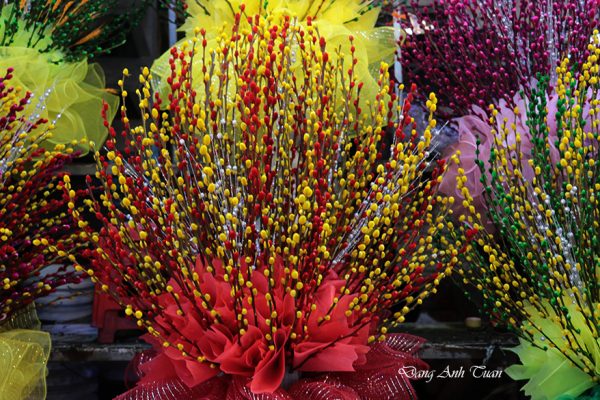
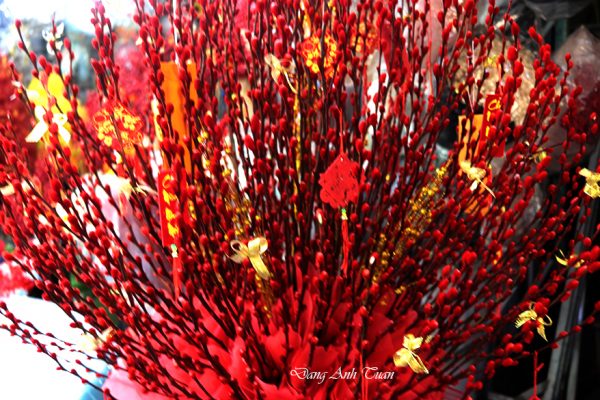
Nụ Tầm Xuân

Nụ tầm xuân (Saule Marsault pleureur)

Version française
Version anglaise

Nụ tầm xuân là tên gọi của một loài cây thuộc chi Liễu, có tên là Liễu tơ (Pussy willow) hay Liễu dê (Salix caprea). Sở dĩ có tên gọi này là vì hoa của nó mọc ra các sợi lông tơ mềm mại như lông mèo. Nụ tầm xuân thường được xem là biểu tượng của sự sinh sôi nảy nở, đâm chồi nảy lộc, thịnh vượng và may mắn. Những nhánh cây nụ tầm xuân với hoa nhỏ mọc quanh thân đại diện cho sự khởi đầu vẹn tròn, thuận lợi và tràn đầy hy vọng.

Trên thực tế, nụ tầm xuân chỉ mang sắc trắng thuần khiết, vô cùng tinh khôi. Nhưng khi chiêm ngưỡng những nhánh nụ tầm xuân được trưng bày trong các hội chợ hoa xuân ngày Tết, bạn sẽ bắt gặp những bó tầm xuân với nhiều màu sắc rực rỡ như: đỏ, vàng, cam, xanh, hồng, tím,…

Nụ tầm xuân est le nom d’une plante appartenant au genre Saule, appelée Saule marsault (Pussy willow) ou Saule des chèvres (Salix caprea). Ce nom vient du fait que ses fleurs produisent des poils doux et soyeux semblables à ceux d’un chat. Ses bourgeons sont souvent perçus comme  le symbole de croissance, d’épanouissement, de prospérité et de chance. Les branches de cette plante, avec leurs petites fleurs qui s’épanouissent autour de la tige, représentent un nouveau départ prometteur, propice  et plein d’espoir.

En réalité, ces bourgeons  sont d’un blanc immaculé, d’une pureté exceptionnelle. Mais en admirant les branches de cette plante en fleurs exposées lors de la visite marchés aux fleurs printaniers durant le nouvel an lunaire, on découvre des bouquets de fleurs aux couleurs éclatantes : rouge, jaune, orange, vert, rose, violet, et bien d’autres encore.

Nụ tầm xuân is the name of a plant belonging to the willow genus, called Pussy willow or Goat willow (Salix caprea). This name comes from the fact that its flowers produce soft and silky hairs similar to those of a cat. Its buds are often seen as the symbol of growth, blossoming, prosperity, and luck. The branches of this plant, with their small flowers blooming around the stem, represent a promising and hopeful new beginning.

In reality, these buds are immaculate white, of exceptional purity. But when admiring the flowering branches of this plant displayed at spring flower markets during  the Lunar New Year, one discovers bouquets of flowers in bright colors: red, yellow, orange, green, pink, purple, and many more.

Des histoires en marge au cœur du complexe Nguyễn Thị Thuật.

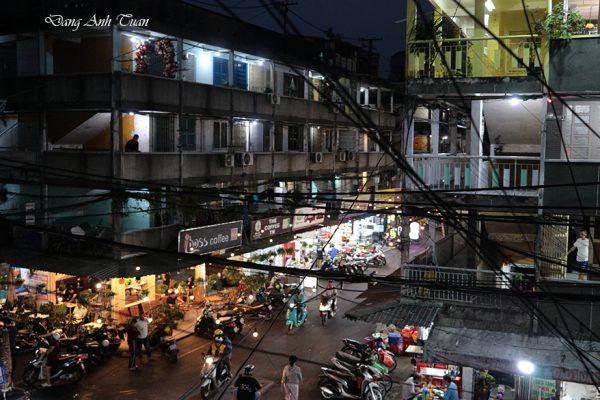
Những chuyện bên lề ở giữa lòng chung cư 

Version française
Version anglaise
Galerie des photos

Mỗi ngày, sáng hay chiều tối nào, tụi nầy cũng có thói quen từ khi đến Viêt Nam sau khi ăn cơm hay thường  la cà ngồi quán cà phê. Ngày xưa, người Việt  trò chuyện hay thường bắt đầu bằng cách têm trầu nay sự việc nầy không còn mà được thay thế bằng ly cà phê. Có thể nói, gặp nhau muốn nói chuyện gì cũng được, phải có ly cà phê. Giờ phút nầy cà phê nó không thể thiếu ở người Việt, không biết lúc nào nó lại nằm trong văn hóa  của người  Việt. Không thể thiếu nó nhất là các quán nó đua nhau mọc lên như nấm trong khu chung cư nầy. Không biết  các quán bán được bao nhiêu ly cà phê mỗi ngày mà  đi qua xem vựa, nơi mà   họ lưu trử các khối nước đá trông thấy ở chung cư, thấy mà khiếp sợ. Mới đây mùng hai Tết trên đường về bằng xe grab, cháu tài xế hỏi mình như sau: Chú có phiền không, cho cháu ghé uống một ly cà phê có được không ? Mình mới nói: uống đi cháu, chú đơị cháu. Nhưng nghĩ sao, cháu tài xế không uống, đưa thẳng mình về khách sạn. Lúc  trả tiền, mình mới nói với cháu tài xế: Chú biếu cháu 50.000 đồng tiền  lì xì (2 euros) để cháu uống cà phê đi nha. Cháu tài xế  cười toe toét. Mình muốn nói đây cái sung sướng mà mình nhận  được  trên khuôn  mặt của cháu tài xế khi nhắc đến ly cà phê.

Không nhất thiết uống nhiều ly cà phê trong ngày mới có thể ngồi ở quán, chỉ cần một ly cà phê là đủ rồi, bạn có thể ngồi nguyên ngày. Ở quán cà phê trong chung cư, dù không có thức ăn đi nữa  mình có thể kêu ở các quán bán thức ăn  gần đó mang đến cho mình ăn. Đây là một dịch vụ miễn phí chỉ có ở Việt Nam. Ngồi quán cà phê, tụi nầy có thể thư thản đọc sách,  xem điện thọai, người hay xe cộ đi qua lại  mà cũng có thể  quan sát cuộc sống hằng ngày của người dân sống ở trong chung cư.

Vừa ngồi xuống nghế chưa đầy 5 phút thì có các cháu bé  hay các bà mẹ bế con bán giấy số đến lần lượt xin tụi nầy mua giấy số. Nhưng làm sao mua nổi, người nào cũng có cả trăm tờ, mỗi tờ 10.000 đồng họ chỉ được 1000 đồng nếu họ bán được một tờ. Nếu bán không hết trong ngày, chiều lại không được trả lại. Như vậy họ làm sao có lời, chắc chắn họ phải mất tiền. Phải có  mẹo nào đó. Cách buôn bán giấy số nầy làm mình rất phân vân, có cái gì không ổn. Dĩ nhiên làm mình chạnh lòng nhưng mình chỉ cho tiền các em nhỏ bán giấy số  mà thôi chớ không mua còn anh bạn mình thi chỉ mua giấy số của các người khuyến tật, mua rồi đem tặng các bạn già ở Việt Nam. Hai đứa nầy  lúc nào cũng có ở trong đầu  nhiều câu hỏi nhưng chả bao giờ có câu trả lời chính đáng. Ở chung cư vì cuộc sống rất chật vật, không gian thì eo hẹp, gia đình đông con hay  thường thấy họ ngủ la liệt dưới đất  nên việc nấu ăn trong nhà thường ít thấy. Thông thường thấy họ la cà các  quán, ăn tại chỗ hay mua về ăn. Luôn cả cô em bà con của mình ở  chung cư  một mình hay thường mua đồ ăn ở chợ đem về nhà mà ăn.  Đôi khi cũng ngon đáo  để  như món mắm chưng hột vịt mà cô em thết đãi  tụi nầy một hôm, làm tụi nầy nhớ hoài.  Mình hay thường nghe câu nói nầy từ ông bạn mình: Thế hệ ngày nay không phải là thế hệ của má tụi mình. Phụ nữ Việt Nam không còn biết nấu ăn, chỉ biết  phê bút hay sống ảo mà thôi. Cái nhận xét nầy cũng không hoàn toàn sai. Phải cần có adrenaline  để quên đi sự phiền muộn trong cuộc sống  mong manh.

Ở giữa lòng chung cư, có nhiều nghề sống được lắm  như biết may vá, nấu ăn giỏi như cô Mai, cô Lý. Cô Mai thì nổi tiếng các món xào nhất là bà biết làm sao khi mình ăn còn mùi khói  chớ không có mùi cháy của chảo  như cơm chiên gà, mì xào giòn còn cô Lý thì món tầm bì nước dừa, bánh bèo bì, chè chuối  vân vân phải nói quá ngon làm mình vẫn còn thèm đấy. Muốn ăn các món nầy thì phải chịu khó đợi lúc nào cũng đông khách cả. Quá giờ thì không còn nữa đấy. Họ trù liệu bao nhiêu phần để bán chớ hết thì thôi ngày hôm sau trở lại chớ không như ở Paris  nhiều tiệm đỗ nước thêm để bán phở tiếp. Có một lần anh bạn mình muốn ăn thịt heo quay thôi chớ không muốn ăn bánh hỏi vì thích ăn với bánh mì  nhưng họ không bán vì họ trù liệu trước bao nhiêu bánh hỏi để bán với thịt quay rồi.

Chính ở chung cư nầy mình có duyên được gặp một hôm ở quán cà phê  môt họa sỹ nhỏ tuổi đang ngồi chăm chỉ vẽ cảnh vật ở chung cư với bút mực. Cháu nầy có bản năng vẽ không sữa không làm lem bức tranh với mực. Mình thích qu á chừng nên muốn mua bức tranh nhưng cháu rất dễ thương mới thốt lên như sau: Chú muốn, cháu tặng chú. Mình cũng không ngờ. Đây là duyên cháu có  với chú  đấy thôi. Sau đó anh bạn của mình ngỏ ý mua một tấm tranh khác để mang về Paris tặng bạn. Vui cũng có với cháu họa sỹ nầy mà buồn cũng có với em bé tạc chừng 12 tuổi  ngậm xăng phun lửa thường thấy ở chung cư. Bé nầy thường biểu diễn trước đám đông ngậm xăng phun lửa. Tình cờ mình thấy vậy mới kêu em bé lại hỏi chuyện.  Tại sao con làm vậy, con có biết xăng nó độc nay mai con sẽ bi ung thư cuống họng không? Con nhớ chú dặn con không nên làm nghề nầy nữa. Mình chỉ khuyên nó, thấy thương nó nên cho nó một trăm ngàn đồng, chả là bao nhiêu cả.  Mình cảm thấy bất lực vì mình biết mình không thể làm gì hơn.

Ở chung cư nầy biết bao nhiêu người nghèo, mình có làm được gì không?. Cháu nhờ nghề nầy mỗi ngày cháu kiếm được vài trăm ngàn để nuôi em và sống, ba má cháu ly dị?  Câu nói nầy nó vẫn còn ở trong tâm trí của mình khi mình viết về chung cư. Một con chim én đâu có đem lại mùa xuân. Nhưng không vì thế  mà mình quên đi những trẻ em nghèo nầy. Chúng nó là tương lai của đất nước nầy.

Version française

Depuis notre arrivée au Vietnam, nous avons pris l’habitude de nous attarder dans un café après les repas, matin et soir. Autrefois, les Vietnamiens entamaient les conversations en commençant par la chique du bétel. Mais ce n’est plus le cas d’aujourd’hui. Elle est remplacée par une tasse de café. On peut dire sans se tromper que, quel que soit le sujet de conversation, une tasse de café s’avère indispensable. De nos jours, le café est devenu incontournable pour les Vietnamiens. Il est difficile de dire quand il est entré dans la culture vietnamienne. Il l’est d’autant plus depuis lors  avec la poussée des cafés comme celle des champignons dans ce complexe d’appartements. Je me demande combien de tasses de café ces établissements vendent chaque jour, car le stockage des tonnes de glace dans le complexe est assez effarant. Récemment, le deuxième jour du Têt (Nouvel An lunaire), alors que je rentrais chez moi en taxi grab, le chauffeur m’a demandé : « Monsieur, cela vous dérangerait-il si je m’arrêtais pour prendre un café ? » J’ai répondu  sans hésitation: « Allez-y, je vous attends. » Mais pour une raison inconnue, le jeune chauffeur n’en a pas bu et m’a ramené directement à l’hôtel. Au moment du paiement, j’ai dit au jeune chauffeur : « Voici 50 000 dongs ( à peu près 2 euros) en cadeau de  notre Nouvel An pour vous offrir un café. » Il m’a montré un large sourire. Je voulais souligner la joie que j’avais vue sur son visage à l’évocation du café.

Il n’est pas nécessaire de boire plusieurs tasses de café par jour pour s’attabler dans un café; une seule suffit, et on peut y rester toute la journée. Au café de ce complexe d’appartements, même s’il n’y a pas de nourriture, on peut la commander auprès des vendeurs ambulants du quartier et on est servi sur place. C’est un service gratuit, typiquement vietnamien. Installés au café, nous pouvons nous détendre, lire, consulter nos téléphones, regarder le va et vient des passants et des voitures, et observer le quotidien des habitants. À peine cinq minutes après notre installation, des enfants ou des mères avec des bébés se mettaient à la queue leu leu pour nous vendre des billets de loterie. Mais comment pouvons-nous tout acheter? Chacun en avait une centaine, à 10 000 dongs le billet, et ils ne gagnaient que 1 000 dongs par billet vendu. S’ils n’arrivaient pas à tout vendre dans la journée, ils ne pouvaient pas  rendre les billets à l’endroit où ils les avaient pris. Comment pouvaient-ils faire des bénéfices ? Ils allaient forcément perdre de l’argent. Il devait y avoir une astuce.

Cette façon de vendre des billets de loterie me perturbe beaucoup ; j’ai un mauvais pressentiment. Bien sûr, cela me rend un peu triste. Je donne uniquement  de l’argent aux enfants qui vendent les billets mais  je n’en achète pas.  En revanche, mon ami n’achète des billets qu’à des personnes handicapées et les offre ensuite à ses amis âgés au Vietnam. Nous nous  posons toujours des questions, mais nous n’obtenons  jamais des réponses satisfaisantes. « Vivre dans le complexe d’appartements » est très difficile: l’espace est limité et les familles nombreuses sont obligées de  dormir souvent par terre, si bien que « cuisiner à la maison » est une rareté. On les voit généralement traîner au bistrot, y manger ou acheter des plats à emporter. Même ma cousine vivant seule dans son appartement, préfère d’acheter  souvent de quoi manger au marché.

Parfois, la bouffe achetée est incroyablement délicieuse, comme cette pâte de poisson à la vapeur avec des œufs de canard que ma cousine a achetée et  agrémentée avec des légumes, ce qui nous donne un plat insatiable. J’entends souvent mon ami dire : « La génération d’aujourd’hui n’est pas celle de nos mères. Les Vietnamiennes ne savent plus cuisiner ; elles ne connaissent que Facebook ou vivre dans le monde virtuel. » Ce constat n’est pas totalement faux. Il faut bien une dose d’adrénaline pour oublier les tracas de cette vie fragile.

Au cœur de ce complexe d’appartements, on trouve de nombreux emplois lucratifs comme la couture et la cuisine, à l’instar de ceux de Mmes Mai et Lý. Mme Mai est réputée pour ses plats sautés, notamment pour son talent à leur conserver un léger goût fumé, sans les brûler, comme le riz frit au poulet et les nouilles frites croustillantes. Les plats de Mme Ly, tels que le plat de nouilles de riz agrémentées de la couenne de porc  au lait de coco, le  gâteau de riz à la couenne, la soupe sucrée à la banane  etc. sont si délicieux que j’en ai encore l’eau à la bouche

Pour déguster ces plats, il faut s’armer de patience ; les stands de ces dames sont toujours bondés. Si on rate l’heure de fermeture, il n’y en aura plus. Ils ne proposent qu’un nombre limité de portions et, si elles sont épuisées, il faut  revenir le lendemain, contrairement à Paris où de nombreux restaurants continuent à remplir leur soupe de nouilles avec de l’eau pour maintenir leur activité. Un jour, mon ami a voulu manger uniquement le porc laqué, sans les nouilles de riz, car il préférait les déguster avec du pain. Mais on a refusé de lui en vendre, car le restaurant avait déjà prévu la quantité de nouilles à vendre avec celle du porc laqué.

 C’est dans ce complexe que j’ai la chance de rencontrer un jour, un jeune artiste dans un café. Il était en train de dessiner à l’encre  la scène du complexe avec soin. Ce jeune artiste avait un don inné pour le dessin ; l’encre ne bavait pas. J’aimais tellement son tableau que j’aurais voulu l’acheter, mais l’artiste, si gentil, m’a dit sans hésitation: « Si tu le veux, je te le donne. » J’étais surpris. C’était le destin qui avait fait que nous nous rencontrions. Ensuite mon ami a manifesté aussi  son intérêt pour l’achat d’un autre tableau pour le ramener à Paris comme cadeau offert à son ami. Je suis heureux de connaître ce jeune artiste, mais je suis aussi triste de voir souvent le petit garçon d’une douzaine d’années, qui est habitué à faire du spectacle devant la foule en crachant du feu avec de l’essence. Par hasard je l’ai interpellé un jour : « Pourquoi fais-tu ça ? Sais-tu que l’essence est toxique et que tu risques d’avoir un cancer de la gorge ? Je te conseille  d’arrêter ce métier. Pris de pitié,  je lui ai donné 100 000 đồng, une somme vraiment  dérisoire. Je me sens impuissant car je sais  que je ne peux plus rien faire pour lui.

Il y a tant de gens pauvres dans ce complexe, que puis-je faire ? Grâce à ce travail, je gagne quelques centaines de milliers de dongs par jour pour subvenir aux besoins de mon petit frère ou de ma petite sœur et vivre dignement car  mes parents sont divorcés.  Sa parole me hante encore lorsque j’écris encore tout ce qui est en rapport avec ce complexe d’appartements. Une seule hirondelle n’apporte pas le printemps. Mais  malgré cela, je ne peux pas oublier ces enfants défavorisés. Ils sont l’avenir de notre pays.

Galerie des photos

Policy of rapprochement with Việtnam


Version vietnamienne

Version française

The hospitality that Rama I extended to Nguyễn Ánh later served as the basis for the development of the future relationship between the two countries. It is not unrelated to Nguyễn Ánh’s careful conduct in seeking an appropriate solution to manage the dual suzerainty over Laos and Cambodia with the Thais. According to the Vietnamese researcher Nguyễn Thế Anh, these countries were considered at that time as children raised together by Siam and Vietnam, the former arrogating the title of father and the latter the title of mother. This dual dependence is known in the Thai language as « song faifa. » According to Siamese sources, Nguyễn Ánh sent six times from Gia Định to Bangkok silver and gold trees, a sign of allegiance between 1788 and 1801. (2). In a letter addressed to Rama I before his return to Gia Định, Nguyễn Ánh agreed to be placed under the protectorate of Siam in case he succeeded in restoring his power. Did Đại Nam (the former name of Vietnam) accept being a mandala state?

There are several reasons to refute this hypothesis. First, Đại Nam was not under the influence of Theravada Buddhism and did not have the Indianized culture as was the case with Cambodia and Laos because the religious role plays an important part in the mandala defined by the researcher O. Wolter. Siam had so far tried to extend its influence and control in regions where the Thais were more or less established and where the Indianized culture was visible.

This is not the case for Vietnam. Chakri and his predecessor Taksin had already failed in this endeavor in Cochinchina, which was nevertheless a new land because there was a significant Vietnamese colony with a different culture. Vassalage seems unlikely. The truth is never known, but one can rely on the fact that to acknowledge the benefits of Ralma I, Nguyễn Ánh could adopt this understandable behavior which was never incompatible with his temperament and especially with his Confucian spirit, in which ingratitude was not a part.

One always finds in him the gratitude and kindness that cannot later be refuted with Pigneau de Béhaine, who devoted much effort to convincing him to convert to Catholicism. During his reign, there was no persecution of Catholics, which can be interpreted as a recognition of Pigneau de Béhaine. From this point of view, one can see in him the principle of humanity (đạo làm người) by honoring both the gratitude towards those who protected him during 25 years of hardships and the revenge against those who killed all his relatives and family. (debt must be repaid, vengeance must be taken)

At the time of his enthronement in 1803 in Huế, Nguyễn Ánh received a crown offered by King Rama I but immediately returned it because he did not accept being treated as a vassal king and receiving the title that the Siamese King Rama I was accustomed to granting to his vassals. This behavior disproves the accusation that has always been made against Nguyễn Ánh.

For some Vietnamese historians, Nguyễn Ánh is a traitor because he brought in foreigners and gave them the opportunity to occupy Vietnam. The Vietnamese expression « Đem rắn cắn gà nhà » (Introducing the snake to bite the home chicken) is often attached to Nguyễn Ánh. It is unfair to label him a traitor because, in the difficult context he was in, there was no reason not to act as he did as a human being when he was at the brink of despair. Probably the following expression « Tương kế tựu kế » (Combining a stratagem of circumstance) suits him better, although there is a risk of playing into the hands of foreigners. It should also be recalled that the Tây Sơn had the opportunity to send an emissary to Rama I in 1789 with the aim of neutralizing Nguyễn Ánh using the stratagem (Điệu hổ ly sơn (Luring the tiger away from the mountain)), but this attempt was in vain due to Rama I’s refusal. (3)

Being intelligent, courageous, and resigned like the king of the Yue Gou Jian (Cẫu Tiển) from the Spring and Autumn period (Xuân Thu), he should have known the consequences of his act. There is not only Gia Long but also thousands of people who accepted to follow him and bear the heavy responsibility of bringing foreigners into the country to counter the Tây Sơn. Are they all traitors? This is a thorny question to which it is difficult to give an affirmative answer and a hasty condemnation without first having a sense of fairness and without being swayed by partisan opinions when one knows that Nguyễn Huệ remains the most adored hero by the Vietnamese for his military genius.

Disappointed by Gia Long’s refusal, Rama I showed no sign of resentment but found justification in the cultural difference. In Rama I, we find not only wisdom but also understanding. He wanted to deal henceforth on an equal footing with him. This equal treatment can be interpreted as a « privileged » bilateral relationship between the elder and the younger in mutual respect. Each of them should know that they needed the other even if it was an alliance of circumstance. Their countries were respectively threatened by formidable enemies, Burma and China.

Their special relationship did not fade over time because Rama I fell in love in the meantime with Nguyễn Ánh’s sister. It is not known what became of her (his wife or his concubine). However, there was a love poem that Rama I dedicated to her and which continued to be sung even in the 1970s during the annual royal boat procession.

As for Nguyễn Ánh (or Gia Long), during his reign, he avoided military confrontation with Thailand over the thorny Cambodian and Laotian issues. Before his death, Gia Long repeatedly reminded his successor Minh Mạng to perpetuate the friendship he had managed to establish with Rama I and to consider Siam as a respectable ally in the Indochinese peninsula (4). This was later justified by Minh Mạng’s refusal to attack Siam at the request of the Burmese.

According to researcher Nguyễn Thế Anh, in continental Southeast Asia, out of about twenty important principalities around 1400, only three kingdoms remained that managed to establish themselves at the beginning of the 19th century as regional powers, among which were Siam and Đại Việt, one advancing eastward and the other southward at the expense of the Hinduized states (Laos, Cambodia, Champa). This conflict of interests intensified increasingly after the death of Rama I and Nguyễn Ánh.

Their successors (Minh Mạng, Thiệu Trị on the Vietnamese side and Rama III on the Siamese side) were entangled in the problem of succession of the Cambodian kings who kept fighting among themselves and seeking their help and protection. They were henceforth guided by a policy of colonialism and annexation which led them to confront each other militarily twice in 1833 and 1841 on Cambodian and Vietnamese territories and to find at the end of each confrontation a compromise agreement in their favor and to the detriment of their respective protégés.

The temporary alliance is no longer taken into account. The rivalry, which was becoming increasingly visible between the two competing countries Đại Nam and Siam, now rules out any rapprochement and any possible alliance. Even their policies are completely different, one aligning with the Chinese model to avoid any contact with Western colonialists and the other with the Japanese model to advocate the opening of borders.

The Khmer capital Phnom Penh was at one time occupied by the Vietnamese army of General Trương Minh Giảng while the regions of Western Cambodia (Siem Reap, Battambang, Sisophon) were in the hands of the Thais. According to the French historian Philippe Conrad, the king of Cambodia was considered a mere governor of the king of Siam. The royal insignia (golden sword, crown seal) were confiscated and held in Bangkok. The arrival of the French in Indochina put an end to their dual suzerainty over Cambodia and Laos. It allowed the Cambodian and Laotian protégés to recover part of their territory in the hands of the Vietnamese and the Thais. Đại Nam under Emperor Tự Đức had to face the French colonial authorities who had annexed the six provinces of Nam Bộ (Cochinchina).

Thanks to the foresight of their kings (particularly that of Chulalongkorn or Rama V), the Thais, relying on the rivalry policy between the English and the French, managed to maintain their independence at the cost of territorial concessions (the Burmese and Malay territories occupied were returned to the English and the Laotian and Khmer territories to the French). They chose a flexible foreign policy (chính sách cây sậy) like the reed that adapts to the wind. It is no coincidence to see the sacred union of the three Thai princes at the dawn of the Thai nation in 1287 and the submission to the Sino-Mongol troops of Kublai Khan.

It is this synthetic policy of adaptation that allows them to stay away from colonial wars, always side with the victors, and exist today as a flourishing nation despite their late emergence (dating from the early 14th century) in mainland Southeast Asia.

Pictures of Venice of the East (Vọng các)

[Return THAILAND]


(1) Bùi Quang Tùng: Professeur, membre scientifique de EFEO. Auteur de plusieurs ouvrages sur le Vietnam.
(2) P.R.R.I, p. 113.
(3) Pool, Peter A.: The Vietnamese in Thailand, p 32, note 3.


Latent conflicts with Vietnam


Vietnamese version
French version

There are victories and defeats on both sides. Leading an army of 20,000 men and a fleet, Taksin succeeded in driving out, after a ten-day siege, Mo Shi-Lin (Mạc Tiên Tứ in Vietnamese), the son of Mạc Cửu, from Hà Tiên. He was a significant Chinese ally of the Nguyễn lords and the protector of the son of the last king of the Ayutthaya dynasty, Chao Chuy (Chiêu Thúy). The latter continued to be one of the potential contenders for the crown and a daily concern for Taksin. Due to his military setbacks at Châu Đốc and in the Sadec region, Taksin was forced to accept the peace treaty offered by Mạc Thiên Tứ and to abandon Hà Tiên in ruins in exchange for the return of Prince Chiêu Thúy, the release of Mạc Thiên Tứ’s daughter who was captured at the fall of Hà Tiên, and the maintenance on the Cambodian throne of a pro-Thai king named Ang Non.

Upon his return, Chiêu Thúy was executed along with his brother who was captured in Cambodia. As for Lord Nguyễn Phúc Thuần (later known as Duệ Tông), troubled by the rebellion of the « Tây Sơn brothers (Western Peasants), » he was forced to endorse this agreement and temporarily allow the Thais free rein in their territorial expansion policy over Laos and Cambodia. But the truce was short-lived for Mạc Thiên Tứ because in the meantime, he was pursued by the Tây Sơn who had succeeded in taking Gia Định (or Saigon) in 1776 and capturing Lord Nguyễn Phúc Thuần in Cà Mau. He had to seek refuge with his family and subordinates with Taksin in Thonburi (Thailand). However, the latter, obsessed and consumed by so much suspicion and distrust, ended up executing his family and subordinates, among whom was Prince Tôn Thất Xuân. To preserve his dignity and honor, Mạc Thiên Tứ committed suicide in September 1780 by swallowing a gold coin. Taksin’s distrust became increasingly overwhelming to the point where it turned into a mental illness accompanied by paranoid and tyrannical behavior.

It is one of the common traits of great politicians (Ts’ao Ts’ao (Tào Tháo) of the Three Kingdoms, Qin Shi Huang Di (Tần Thủy Hoàng) for example). It is this mistrust that later led him to imprison his close associates, particularly the family of his son-in-law Chakri, who was engaged in a military campaign in Cambodia against the Vietnamese of the young prince Nguyễn Ánh. Chakri (the future King Rama I) was forced to make a pact with Nguyễn Ánh’s lieutenants, Nguyễn Hữu Thùy and Hồ văn Lân. They sent him a knife, a sword, and a flag as a sign of their support against Taksin. Having managed to return in time when a coup d’état overthrew the latter, the Siamese general Chaophraya Mahakasatsuk (or Chakri) thus became King Rama I and the founder of the Chakri dynasty.

His advent allowed the closure of the Thonburi dynasty and its replacement by the new dynasty with the transfer of the capital to Bangkok. It was here that King Rama I attempted to restore the Ayutthaya style through his royal palace (Bangkok). The establishment of the new capital did not correspond to a renewal of Siamese art. Rama I was interested in continuing the unfinished work of King Taksin the Great in the march eastward. He did not hesitate to mount a military expedition to assist Crown Prince Nguyễn Ánh in his struggle against the Tây Sơn. Unfortunately, this Vietnamo-Siamese expedition was crushed in 1783 in the Rạch Gầm-Xoài Mút canals of today’s Tiền Giang province by the strategist king Nguyễn Huệ. Of the Siamese army initially composed of at least 50,000 men and 300 junks, only 2,000 men managed to pass through Cambodia to return to Thailand.

Taking advantage of the geographical unfamiliarity of the terrain (địa lợi) and the military underestimation of the enemies, Nguyễn Huệ avoided a frontal engagement at Sadec and quickly succeeded in thwarting the Siamese invasion in the canals near Mỹ Tho. Nguyễn Huệ needed a swift victory because he knew that the Trịnh in Northern Vietnam could take advantage of this opportunity to invade Qui Nhơn in central Vietnam.

Hunted like a wild beast and plunged into the abyss of sadness, Nguyễn Ánh was forced to exile himself to Bangkok, accompanied by about thirty mandarins and approximately 200 soldiers for a short period (from 1785 to 1787). He was later joined by 5,000 soldiers under General Nguyễn Huỳnh Đức. According to Vietnamese professor Bùi Quang Tùng (1), many refugees preferred to stay in Thailand and marry Siamese women.

Policy of rapprochement with Việtnam

[Return THAILAND]

Kingdom of Ayutthaya (Version anglaise)

Version vietnamienne
Version française

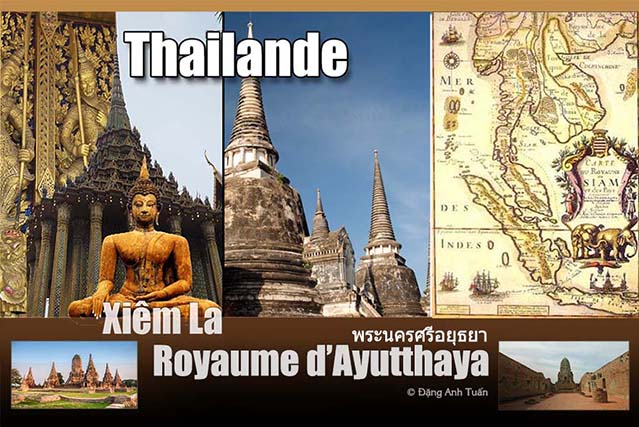
The kingdom of Sukhothai did not survive after the disappearance of the great King Rama Khamheng because his successors Lo Tai (1318-1347) and Lu Tai (1347-1368), preoccupied with religious faith, neglected to watch over their vassals among whom there was a brave and energetic prince from U Thong (*) known for his territorial ambitions. He did not hesitate to subdue Lu Tai of Sukhothai. He thus became the founder of the new dynasty by taking Ayutthaya, located in the lower valley of the Menam Chao Praya, as the capital. He took the title Ramathibodi I (or Rama the Great) (or Ramadhipati). His kingdom was not unified in the strict sense of the term but was in a way a mandala (**). The king was at the center of several concentric circles of the mandala system. The outermost circle consisted of autonomous principalities (or muäng) each governed by a member of the royal family, while the closest circle was in the hands of governors appointed by the king. An edict dating from 1468 or 1469 reported that there were 20 vassal kings paying homage to the king of Ayutthaya.

Phra Nakhon Si Ayutthaya

พระนครศรีอยุธยา


© Đặng Anh Tuấn

(*) U Thong: district located in the province of Suphanburi. It is the kingdom of Dvaravati, which the Chinese often referred to as T’o Lo po ti. It is here that the famous Chinese monk Huan Tsang (Huyền Trang) passed through during his journey to India to bring back original Buddhist texts.

(**) Mandala term used by WOLTERS, O.W. 1999. History, Culture and Religion in Southeast Asian Perspectives. Revised Edition, Ithaca, Cornell University and the Institute of Southeast Asian Studies. pp 16-28.


Despite this, his grip and authority were relative over distant principalities that could at any time assert their independence and claims with their charismatic leaders. His religious role (dharmaraja) served as a counterbalance to the potential rivalry of these vassal kings. This is why the kingdom of Ayutthaya often experienced succession wars and internal struggles during its existence.

At its peak, the kingdom of Ayutthaya occupied roughly the territory of present-day Thailand, minus the buffer kingdom of Lanna (whose capital was Chiangmai) and part of the east in Burma. According to researcher Nguyễn Thế Anh, this type of political configuration was also found for a certain time at the beginning of the 11th century in Vietnam but disappeared in favor of the centralization of power in the capital at the time of its transfer to Thăng Long (Hanoi) under the reign of Lý Thái Tổ (Lý Công Uẩn).

According to the Thai historian Charnvit Kasetsiri, this prince of U Thong came from a Chinese family. Thanks to the marital alliance with the king of Lopburi, he succeeded in imposing himself to succeed the latter. From then on, Ayutthaya became the center of Siamese political power until its destruction by the Burmese of King Hsinbyushin in 1767. Expansionist, Ramathibodi soon took Angkor in 1353. This happened again twice with Ramesuen (the son of King Ramathibodi) in 1393 and with Borommaracha II in 1431. The Khmers were forced to transfer their capital to Phnom Penh with the Khmer king Ponheat Yat. Despite their sacking of Angkor, the kings of Ayutthaya continued to willingly present themselves as heirs of the kings of the Angkorian empire. They took over not only the organization of the court and the titulature of the vanquished but also their dancers and their ornaments. The return to the tradition of the Angkorian monarchy was evident. The king became, in a way, a living god whose public appearance was rare. His subjects could no longer look him in the face except his close family members. They had to address him in a specific language used for royalty. Endowed with divine power, the king could decide the fate of his subjects. It was under the reign of Ramathibodi that a series of reforms was initiated. He brought members of the Sinhalese monastic community with the aim of establishing a new religious order.

In 1360, Theravada Buddhism became the official religion of the kingdom. A legal code incorporating Thai custom and based on the Hindu Dharmashāstra was adopted. As for Ayutthaya art, it initially evolved under the influence of Sukhothai art. Then it continued to find its inspiration in the field of sculpture before returning to Khmer models when King Trailokanatha succeeded his father on the throne in 1448. In short, the Ayutthaya style is a blend of the Sukhothai style and the Khmer style.

Described by the Abbé de Choisy, a member of a French delegation sent in 1685 by King Louis XIV to the Siamese King Narai as a cosmopolitan and marvelous city, Ayutthaya quickly became the prey of Burmese covetousness because of its wealth and grandeur. Despite the meaning of its Sanskrit name (« impregnable fortress »), it was looted and devastated by the Burmese of King Bayinnaung of Toungoo in 1569. Then it was sacked again by the Burmese of King Hsinbyushin in 1767. The Burmese took advantage of this occasion to melt down the gold that covered the Buddha statues, but they neglected another stucco Buddha in one of the capital’s temples. Yet beneath the stucco lies the statue in solid gold.


This is indeed a stratagem employed by the Siamese monks to hide the treasure at the time when the Burmese were besieging the capital. This golden Buddha is currently in the Wat Traimit located in the heart of the Chinatown district in Bangkok.

After the destruction of the Ayutthaya capital, the Burmese withdrew taking not only the loot and prisoners (at least 60,000 Siamese) but also the king of Ayutthaya and his family. From then on, the kingdom of Ayutthaya was completely dismantled with the emergence of several local lords. Its capital was no longer the center of political power. According to the American anthropologist Charles Keyes, Ayutthaya no longer received the cosmic influences necessary for its continuity. Its reason for being was no longer justified. It would soon be replaced by the new capital Thonburi, very close to Bangkok, accessible by sea (in case of Burmese invasion) and founded by the governor of Tak province named Sin. That is why he is commonly called Taksin (or Trịnh Quốc Anh in Vietnamese) or Taksin the Great in the history of Thailand.

Being of Teo Chiu (Chaozhou) Chinese origin, he managed to establish himself as the unifier and liberator of Thailand after eliminating all contenders and defeating the Burmese at Ayutthaya following two days of fierce fighting. His reign lasted only 15 years (1767-1782). Yet it was under his reign that Thailand regained not only independence but also prosperity. It also became one of the powerful states of Southeast Asia by successfully permanently freeing the rival kingdom of Lanna (Chiang Mai) from Burmese yoke in 1774 and by extending its influence and vassalage over Laos and Cambodia through military expeditions. It began to take an interest in the strategic position played at the beginning of the 18th century by the principality of Hà Tiên governed by a Cantonese Chinese Mac King Kiou (or Mạc Cửu in Vietnamese), hostile to the new Qing (Manchu) dynasty in the Gulf of Siam. It always entertained the idea of monopolizing and controlling trade in the Gulf of Siam.

It was in Laos that the Thais, led by General Chakri (future King Rama I), took the Emerald Buddha from the Laotians and brought it back to Thonburi in 1779 before permanently installing it in the royal palace of Bangkok. This Buddha thus became the protector of the Chakri dynasty and the guarantor of Thailand’s prosperity.

Having been divided into three entities: the kingdom of Vientiane, the kingdom of Luang Prabang, and the kingdom of Champassak after the death of a great king of Laos, Surinyavongsa, Laos temporarily fell under Thai rule. However, in Cambodia, taking advantage of internal dissensions related to the succession of the throne and always pursuing an expansionist policy eastward to fully control the Gulf of Siam, the Thais did not hesitate to enter into armed conflict with the Vietnamese lords Nguyễn, who until then had oversight over Cambodia, which had granted the Vietnamese facilities for settlement in its territory (Cochinchina) with King Prea Chey Chetta II in 1618.

Latent conflicts with Vietnam

[Return THAÏLAND]

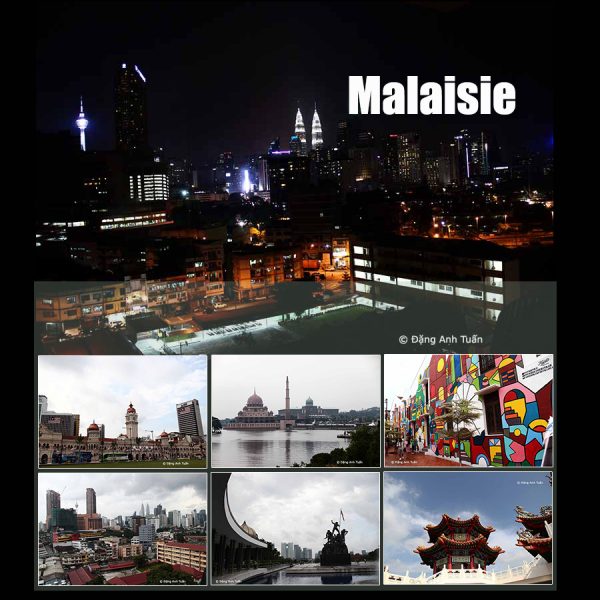
Malaisie (Mã Lai)

  • Kuala Lumpur
  • Malacca
  • Putrajava
  • Batu

[Retour PAYS DE L’ASIE DU SUD-EST]

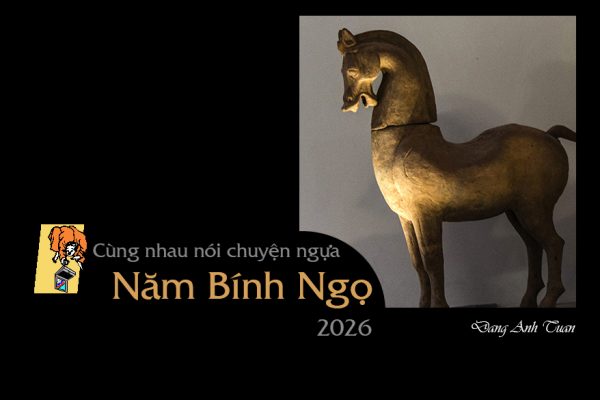
Năm Ngọ nói chuyện ngựa

Parlons ensemble de Cheval

en cette année du Cheval de feu

Version française
Version anglaise
Galerie des photos

Ngựa là loại động vật mà không biết từ lúc nào bị loài người chinh phục được, nuôi dưởng và thuần hóa nó khiến nó trở thành từ đó một gia súc có lợi trong mọi cộng tác xê dịch, vận tải và chiến chinh. Nó là con vật không chỉ có sức mạnh phi thường, dẻo dai mà còn lại rất trung thành với chủ khiến nó  đựợc xem một vũ khí lợi hại trong binh mã. Những chiến công hiển hách ở đất nước ta đều có sự tham gia của ngựa. Bởi vậy vua chúa ta hay thường tri ân ngày xưa bằng cách tạc hình ngựa voi bằng đồng bằng đá cùng các quan văn quan  võ với quân sĩ để minh chứng những thời oanh liệt của dân tộc ta chống ngọai xâm. Người với ngựa như hình với bóng trong thời chinh chíến, chia sẻ gian truân cùng chung số phận. Không chỉ nữ sĩ  Đoàn Thị Điểm đã nhắc lại sự việc nầy trong « Chinh Phụ Ngâm»:

Hơi gió lạnh người rầu mặt dạn
Dòng nước sâu ngựa nản chân bon
Ôm yên gối trống đã chồn
Nằm vùng cát trắng, ngủ cồn rêu xanh

Còn Thái Thượng Hoàng Trần Thánh Tông bùi ngùi khi trở về kinh thành sau chiến thắng giặc Nguyên Mông và thấy những con ngựa đá, chân còn dính bùn ở trước ngọ môn,  phải thốt lên trong lễ hiến phu hai câu thơ như sau:

Xã  tắc hai phen bon ngựa đá
Non sông thiên cổ vững âu vàng.

Trong truyền thuyết nước ta có hai lần nhắc đến con ngựa. Lần đầu ở  trong truyền thánh Gióng tức là Phù Đổng Thiên Vương. Dưới thời ngự trị của vua Hùng Vương thứ VI thì có giặc Ân-Thương  ở  bên Tàu rất hùng mạnh xâm chiếm nước ta. Vua buộc lòng sai người đi rao khắp nơi để kiếm người tài năng ra giúp nước diệt giặc.  Lúc bấy giờ ở làng Phù Đổng tỉnh Bắc Ninh có một đứa  trẻ  còn nằm nôi, nghe sứ giả đi mộ khắp dân gian xem có ai phá được giặc thì ban cho tước lộc. Bé dậy hỏi mẹ, mẹ mới bảo rõ ràng như vậy. Thánh Gióng mới nói: « Thế thì mẹ đem nhiều cơm đến đây cho con ăn » theo lời kể trong Việt Điện U Linh. Ngài mới ăn vài chén cơm.

Mấy tháng sau ngài cao lớn lên, rồi tự ra ứng mộ. Sứ giả thấy lạ mới đem ngài về kinh sư. Theo lời thỉnh cầu của ngài, vua  mới cho người đúc một con ngựa sắt và một chiếc roi dài cũng bằng sắt. Sau khi ăn mấy nong cơm mới thổi xong, ngài mới vươn vai một cái thì ngài cao lớn hơn 10 thước rồi ngài nhảy lên lưng ngựa, cầm côn sắt mà hét lớn « Ta là thiên tướng đấy »  rồi phi thẳng ra chiến trường. Ở nơi nầy, ngài thì hoa côn, ngựa thì phun lửa, giết vô số quân địch khiến nỗi làm côn gãy và buộc lòng nhổ tre mà đánh tiếp khiến quân Ân tẩu tán khắp nơi. Sau đó ngài phóng ngựa lên núi Sốc Sơn rồi biến mất. Vua Hùng nhớ ơn mới truyền lập đền thờ ở làng Phù Đổng thuộc huyện Gia Lâm ngoài thành Hà Nội. Năm nào cũng có lễ hội để tưởng nhớ ngài cả vào ngày mùng 8 tháng 4.

Chúng ta nên nhớ lại  nước ta rất rộng lớn lúc bấy giờ tên là Văn Lang  được  giáp  tới Nam Hải  (Quảng Đông) ở phiá đông, phía tây với  Ba Thục (hay Tứ Xuyên), ở phía bắc thì tới Ðộng Ðình hồ (Hồ Nam) và phía nam với vương quốc Hồ Tôn tức là Chiêm Thành (Chămpa). Dân tộc ta là nhóm dân Bách Việt còn sống thời đó ở vùng sông Dương Tử bên Tàu.

Trong Kinh Dịch được dịch bởi giáo sư  Bùi Văn Nguyên thì tác giả có nói đến một cuộc viễn chinh quân sự được thực hiện trong vòng ba năm bởi vua hiếu chiến của nhà Ân-Thương tên là  Vũ Định (Wu Ding)  ở  vùng Ðộng Ðình Hồ  (Kinh Châu) chống lại các dân du mục, thường được gọi là  « Qủi ». Dù biết là truyền thuyết nhưng với các cuộc khai quật gần đây, các cuộc thí nghiệm ADN, thì truyền thuyết nầy không phải chuyện hoang đường mà nó nói lên có sự xung đột giữa dân tộc ta với nhà Ân. Bởi vậy nước Văn Lang không có thiết lập bất kỳ mối quan hệ thương mại nào ở thời đó với nhà Ân-Thương cả.

Lần thứ nhì, ngựa được nhắc đến trong truyên Sơn Tinh Thủy Tinh. Trong truyền thuyết nầy, vua Hùng vương thứ 18 có một người con gái là Mị Nương, sắc đẹp lạ thường. Khi đến tuổi lấy chồng, tiếng tăm của nàng lại càng vang lên ở khắp bốn phương. Nhà vua quyết định chọn cho nàng một người chồng tài giỏi. Lúc đó có hai chàng trai, thông minh và tuấn tú, tình cờ đến cùng một lúc và xin cầu  hôn  Mị Nương. Một người được gọi là Sơn Tinh, chúa của các vùng núi non cao và các rừng sâu, còn người kia là Thủy Tinh, chúa các của các sông nòi và biển cả thăm thẳm.

Băn khoăn, vua cha không biết phải chọn người nào vì cả hai đều có tài năng vô song và quyền lực vô hạn nên mới bày ra thữ thách như sau: một trăm đĩa xôi, một con voi chín ngà, một con gà trống chín cựa, một con ngựa chín hồng mao. Người nào đem đến trước  với sính lễ nầy được làm chồng của Mị Nương.

Ngày hôm sau, lúc rạng đông, Sơn Tinh đến trước với đầy đủ lễ vật và đưa người đẹp lên núi. Vừa hoang mang vừa tức giận, Thủy Tinh lao tới, dâng cao lên mực nước, quyết định vào núi bắt cóc Mị Nương. Sơn Tinh nâng núi cao hơn nữa. Thủy Tinh trổ tài năng của mình, đánh đuổi gió bão, sấm chớp làm rung chuyển cả núi rừng. Sơn Tinh giữ núi một cách vững vàng. Thủy Tinh nhờ đến thủy binh mà xông lên theo dòng nước, xông pha toàn lực. Sơn Tinh dùng các lưới sắt, cắt  đường tiếp tế,  lăn đá lấp hồn và đè bẹp  các thủy quái trôi dạt vào bờ. Chuyện nầy được kể lại trong Lĩnh Nam Chích Quái của Trần Thế Pháp dưới tên là Truyện núi Tản Viên. Cứ hàng năm cở tháng bảy tháng tám dân ở vùng chân núi nầy hay thường bị gió to nước lớn làm ruộng đồng bị thiệt hại. 

Trong sính lễ có một con ngựa chín hồng mao. Vậy nó phải là con ngựa phi thường, nó phải như thế nào mới được chọn trong sính lễ.  Cho đến giờ  thì  người xưa có nhắc đến  Ngựa Hạc (lông trắng toát), Ngựa Kim (lông trắng), Ngựa Hởi (lông trắng, bốn chân đen), Ngựa Hồng (lông màu nâu –hồng), Ngựa Tía (lông màu đỏ thắm) vân vân  vậy con ngựa chín hồng mao tức là phải có chín cái lông màu hồng, nó  phải có nên mới có ghi chú trong truyền thuyết nhưng chắc chắn nó phải hiếm hoi như ngựa hãn huyết ((mồ hôi đỏ như máu) (Hãn huyết bảo mã)) mà  được mang về  Trường An  bởi Trương Kiên vào năm -114 trước Công nguyên. Kích thước, tốc độ và sức mạnh của các con ngựa nầy  làm hài lòng vua Hán Vũ Đế vô cùng. Ngài không ngần ngại đặt cho những con ngựa này  với cái tên là « thiên mã » (tianma) (thiên mã). (thiên mã= ngựa trời). Chính vì con ngựa nầy mà Hán Vũ Đế  buộc lòng phải tổ chức cuộc thám hiểm quân sự tốn hao quá mức không chỉ về trang bị và ngựa mà còn nhân mạng nửa  để có một kết quả không đáng với khoảng ba mươi con  thiên mã và ba nghìn con ngựa giống và ngựa cái bình thường. Nói đúng ra Hán Vũ Đế  cảm thấy bị sĩ nhục trước  sự từ chối cung cấp các con ngựa  nầy để đổi lấy quà tặng của nước Đại Uyên (Daiyuan), một tiểu vương quốc  nằm ở trong thung lũng Ferghana. Con ngựa thiên mã nầy nó trở thành biểu tượng quyền lực của Hán Vũ Đế và cũng nhờ đó mới có sự ra đời của con đường tơ lụa.

Tuy là truyền thuyết nhưng chuyện Sơn Tinh Thủy Tinh cũng nói lên một phần nào lũ lụt triên miên mà dân tộc ta phải cam chịu lúc còn cư trú ở hạ  lưu sông Dương Tử (văn hóa Lương Chử) và cho đến ngày nay  ở đất nước ta.

Nói đến ngựa chúng ta cũng không quên nhắc đến « Trảm Mã Trà ». Đây là một loại trà đước chế biến từ búp trà lên men trong bao tử ngựa khiến nó  có hương vị đặc biệt và làm giảm  đi độ chát. Cách chế biến nầy  được xuất phát từ núi Vu Sơn ở  Tứ Xuyên. Để lấy được trà này, người ta  phải bỏ đói ngựa vài ngày trước. Khi đến chân núi Vu Sơn thì ngựa được người thả ra. Bị bỏ đói gặp được rừng trà xanh non thì  ngựa vội vã ăn cho tới khi no bụng. Sau đó, con ngựa bị lùa ra khe suối gần  núi. Suối ở đây  hay th ường  có lá trà rụng xuống khiến lá bị  nát mủn nên nước suối  có màu đen và được gọi là suối Ô Long. Ngựa uống nước suối xong xuôi thì được đưa trở về nơi xuất phát. Lá trà trong bụng ngựa đã ngấm đều với nước suối Ô Long và lên men sau khoảng một ngày đường đi. Lúc nầy  con ngựa mới bị giết để lấy trà trong bao tử mà làm thành một loại trà độc đáo dành bán cho giới qúi tộc. Cách chế biến nầy cũng không thua chi cách chế biến gan ngỗng ở Pháp quốc nhưng cách biến chế nầy có phần cầu kỳ và kinh dị đấy.

Ai có đến Hà Nội  thì sẽ có  dịp đến viếng thăm đền Bạch Mã. Nó tọa lạc ngày nay ở phố Hàng Buồm. Đây là một trong tứ trấn của thành Thăng Long xưa: Đền Quán Thánh (trấn giữ phía Bắc kinh thành), Đền Kim Liên (trấn giữ phía Nam kinh thành),  Đền Voi Phục (trấn giữ phía Tây kinh thành)  và Đền Bạch Mã ((trấn giữ phía Đông). Nó được xây dựng từ thế kỷ 9 để thờ thần Long Đỗ (Rốn Rồng). Khi vua Lý Thái Tổ dởi đô từ Hoa Lư về Thăng Long thì ngài  có ý đắp thành cho vững chắc nhưng lúc nào thành cũng bị sụp nên vua sai người  đi cầu khẩn thần Long Đỗ  ở đền thì thấy một  con ngựa trắng ở trong đền đi ra. Nhờ  theo vết chân của ngựa, vua mới xây được  thành  vững  chắc.  Vua Lý Thái Tổ mới  phong thần làm thành hoàng của kinh thành Thăng Long.

Trong sách chữ Hán lại có câu: « Hồ Mã tê Bắc phong; Việt điểu sào Nam chi » có nghĩa là: Ngựa đất Hồ vào miền Trung nguyên thấy gió bắc thổi thì hí lên còn chim đất Việt vào miền Trung nguyên vẫn làm tổ ở cành phía Nam. Theo truyền thuyết thì ngoài lễ  sính vật như vàng ngọc châu báu, voi, tê giác,  Hùng Vương còn  biếu  cho vua Tàu một con bạch trĩ.  Con nầy  đựợc  nuôi trong vườn thượng uyển. Lúc nào nó cũng kiếm đậu ở các cành cây hướng về phía nam.  Bởi vậy mới có thành ngữ  « Chim Việt đậu cành Nam » để ám chỉ  người Việt dù ở nơi nào đi nữa lúc nào cũng nhớ quê hương và nước non. Còn con ngựa Hồ, đây là một phẩm cống mà Hán Vũ Đế  nhận được từ nước Hồ nằm phía bắc Trung Hoa. Nó cứ buồn rầu không ăn uống chi cả chỉ khi có gió bắc thì nó hí lên một cách thảm thiết.

Như ta được biết ngựa rất trung thành với chủ nhân cũng như chó. Bởi vậy ở Việt Nam nơi nào có chùa của người Hoa thì có thờ  Quan Vũ, một vị tướng nổi tiếng thời Tam Quốc thì bên cạnh ông luôn luôn có một con ngựa đựợc tạc tượng tên lả Xích Thố. Con ngựa nầy theo ông lập nhiều chiến công. Đến khi  Quan Vũ bị giết, con ngựa Xich Thố  này bỏ ăn rồi chết theo. Từ nay ngựa Xích Thố trong văn hóa dân gian lại gắn liền với hình tượng nhân vật Quan Vũ (Quan Công). 

Mỗi năm được tượng trưng bởi một con vật trong Âm lịch nước ta. Như vây năm 2026  là năm con ngựa (hay Ngọ) được chọn trong 12 con vật. Theo thuật số  thì có 4 con vật  xung khắc với nhau  trong các năm tuổi như đã quy đinh trong câu: « Tý Ngọ Mẹo  Dậu tứ hành xung ». Như vậy ai mà tuổi ngọ năm nay  là cái tuổi  đang nhiều vận hạn  mà còn xung khắc với các năm Mẹo, Dậu và Tý.

Ở Việt Nam nhất là ở trong Nam hay thường dung chữ «ngựa » để ám chỉ các phụ nữ  hư thân mất nết hay dữ tợn, lúc nào cũng lồng lên như ngựa thượng tứ. Ngựa nầy xuất phát từ cửa Thượng Tứ ở Huế, nơi có cái trại nuôi ngựa của hoàng gia.  Ngựa nuôi ở đây là loại ngựa chiến, rất dữ tợn, lúc nào rừng rực nhất là với mùa hứng tình lồng lộn ưa hí. Bởi vậy mới có sự kết hợp giữa từ đĩ của miền Bắc và từ ngựa Thượng Tứ ở miền Trung để rồi trở thành từ đó cái thói quen, lối chưởi của  người miền Nam đế  nói lên sự khinh miệt đối với các phụ nữ mất nết na thùy mị và đoan trang.

Version française

Le cheval est un animal dont on ne sait pas depuis quand il a été conquis, élevé et domestiqué par l’homme, ce qui en a fait depuis lors un bétail utile dans tous les types de déplacement, de transport et de guerre. C’est un animal non seulement fort et résistant, mais aussi très fidèle à son maître, ce qui en fait une arme redoutable dans la cavalerie. De nombreuses victoires glorieuses de notre pays ont été remportées grâce aux chevaux. C’est pourquoi nos rois ont souvent rendu hommage au passé en sculptant des chevaux et des éléphants en bronze ou en pierre ainsi que des mandarins et des soldats civils et militaires, pour commémorer les périodes glorieuses de la résistance de notre nation contre les envahisseurs étrangers. 

L’homme et le cheval sont inséparables en temps de guerre, partageant les difficultés et le même destin. La poétesse Đoàn Thị Điểm a rappelé cet événement dans « Chinh Phụ Ngâm (La complainte de la femme d’un guerrier) » comme suit:

Le souffle du vent froid  froisse le visage impassible
Dans l’eau profonde, le cheval découragé peine à s’avancer.
S’appuyant sur un coussin vide avec la selle posée dessus, il a été épuisé.
Couché  sur les dunes de sable blanc, il dort au milieu de monticules verdoyants et moussus.

Étant de  retour dans la capitale après sa victoire contre  les envahisseurs mongols et voyant les chevaux de pierre aux sabots couverts de boue devant la porte Ngọ Môn, l’empereur émérite Trần Thánh Tông s’exclama dans les deux vers suivants lors de la cérémonie d’offrande :

La nation a été ballottée deux fois par des chevaux de pierre,
Les montagnes et les rivières resteront inébranlables pour l’éternité.

Dans les légendes vietnamiennes, les chevaux sont mentionnés à deux reprises. La première fois, c’est dans la légende de Saint Gióng, également connu sous le nom de Phù Đổng Thiên Vương. Sous le règne du roi Hùng Vương VI, les puissants envahisseurs Yin-Shang venus de Chine déferlèrent sur leterritoire vietnamien. Le roi fut contraint d’envoyer des messagers à travers le pays afin de recruter des personnes talentueuses capables d’aider la nation à repousser les envahisseurs. À cette époque, dans le village de Phù Đổng de la province de Bắc Ninh, un bébé, encore dans son berceau, entendit les messagers parcourir le pays, recrutant des hommes pour voir si quelqu’un pourrait vaincre les envahisseurs, et leur promettant titres et récompenses. Le bébé se réveilla et interrogea sa mère, qui lui expliqua la situation. 

Selon le récit du Việt Điển U Linh, saint Gióng dit : « Mère, apporte-moi du riz en abondance. » Il n’en mangea que quelques bols. Quelques mois plus tard, il grandit et se porta volontaire pour la guerre. Surpris, le messager le conduisit à la capitale. À sa demande, le roi fit forger un cheval de fer et un long fouet. Après avoir mangé plusieurs paniers de riz fraîchement cuit, il  s’étira et grandit jusqu’à atteindre plus de dix mètres. Puis il sauta alors sur le dos du cheval. En s’emparant du fouet, il cria : « Je suis un général céleste ! » et il galopa droit vers le champ de bataille.

Là, il brandit son fouet et il tua ainsi d’innombrables soldats ennemis  avec son cheval crachant du feu,. Son bâton se brisa,  ce qui l’obligea à déraciner des bambous pour poursuivre le combat et  il dispersa l’armée Yin dans toutes les directions. Puis, il lança le cheval vers le mont Sóc Sơn et il disparut. En se souvenant de sa bravoure, le roi Hùng ordonna la construction d’un temple dans le village de Phù Đổng, district de Gia Lâm, près de Hanoï. Chaque année, un festival est organisé en son honneur le huitième jour du quatrième mois lunaire.

Nous devons nous rappeler que notre pays était très vaste à cette époque, appelé Văn Lang, bordé à l’est par la mer du Sud (Guangdong), à l’ouest par Ba Thục (ou Sichuan), au nord par le lac Dongting (Hunan) et au sud par le royaume de Hồ Tôn, c’est-à-dire Chiêm Thành (Chămpa). Notre peuple appartenait au groupe ethnique Bai Yue, encore vivant à cette époque dans la région du fleuve Yangtsé en Chine.

Dans le Livre des Mutations traduit par le professeur Bùi Văn Nguyên, l’auteur parle d’une expédition militaire menée pendant trois ans par le roi belliqueux de la dynastie Yin-Shang nommé Wu Ding dans la région du lac Dongting (Jingzhou) contre des peuples nomades, souvent appelés « Qủi ». Bien que ce soit une légende, grâce aux récentes fouilles archéologiques et aux tests ADN, cette légende n’est pas une fable mais témoigne d’un conflit entre notre peuple et la dynastie Yin. C’est pourquoi le royaume de Văn Lang n’a établi aucune relation commerciale avec la dynastie Yin-Shang à cette époque.
La deuxième fois, le cheval est mentionné dans la légende de Sơn Tinh et Thủy Tinh. Dans cette légende, le 18ème roi Hùng a une fille nommée Mị Nương, d’une beauté exceptionnelle. À l’âge de se marier, sa renommée s’étend dans toutes les directions. Le roi décide de lui choisir un mari talentueux. À ce moment-là, deux jeunes hommes, intelligents et beaux, arrivent par hasard en même temps et demandent la main de Mị Nương. L’un est appelé Sơn Tinh, seigneur des montagnes et des forêts profondes, et l’autre est Thủy Tinh, seigneur des rivières et des vastes océans.

Après trois jours et trois nuits,  Thủy Tinh  battu davantage chaque jour, fut obligé de retirer ses troupes et ramener les flots. Pour assurer sa tranquillité Sơn Tinh opéra le miracle d’élever les deux montagnes des époux au plus haut dans l’endroit  des demeures des Dieux. Plus tard, le peuple les appellera Montagne du Monsieur et Montagne de la Dame, au pied desquelles un temple fut dédié à Sơn Tinh et à Mị Nương. Cette légende a été rapportée dans l’ouvrage intitulé   » Lĩnh Nam Chích Quái (ou les contes étranges à Lĩnh Nam) » de Trần Thế Pháp sous  le nom du titre « Histoire de la montagne Tản Viên ». Tous les ans vers le mois de juillet ou Août, les habitants vivant au pied de cette montagne ont l’habitude de subir le vent puissant et violent et la grande inondation provoquant ainsi des dégâts importants au niveau de la récolte. 

Dans la dot, il y avait un cheval aux neuf crins roses. Il devait donc être un cheval exceptionnel, il fallait qu’il soit ainsi pour être choisi dans la dot. Jusqu’à présent, les anciens ont mentionné le Cheval Grue (robe et crinière toute blanche), le Cheval Or (robe blanche), le Cheval Hởi (robe blanche, quatre pattes noires), le Cheval Rose (robe de couleur brun-rose), le Cheval Pourpre (robe de couleur rouge vif), etc. Ainsi, le cheval aux neuf crins roses signifie qu’il doit posséder neuf crins de couleur rose. Il devait en avoir ainsi pour être signalé  dans la légende, mais il est certain qu’il devait être rare comme le cheval suant du sang (Hãn huyết bảo mã) que  Zhang Qian ramena à Chang An en l’an 114 avant J.-C. La taille, la vitesse et la force de ces chevaux contentèrent énormément l’empereur Han Wudi. Il n’hésita pas à donner à ces chevaux le nom de « tianma » (cheval céleste). (tianma = cheval du ciel). C’est à cause de ce cheval que l’empereur Han Wudi fut contraint d’organiser une expédition militaire extrêmement coûteuse, non seulement en équipement et en chevaux, mais aussi en vies humaines, pour un résultat qui ne valait pas la peine, avec environ trente chevaux célestes et trois mille chevaux reproducteurs et juments ordinaires. En réalité, l’empereur Han Wudi se sentit humilié par le refus de fournir ces chevaux en échange de cadeaux du royaume de Daiyuan, un petit royaume situé dans la vallée de Ferghana. Ce cheval céleste devint un symbole de pouvoir pour l’empereur Han Wudi et c’est grâce à lui que la route de la soie vit le jour.

En parlant des chevaux, nous ne pouvons pas oublier de mentionner le « Trảm Mã Trà (décapiter le cheval pour l’obtention du thé) ». C’est un type de thé fabriqué à partir de bourgeons de thé fermentés dans l’estomac d’un cheval, ce qui lui confère une saveur particulière  réduisant ainsi l’astringence. Cette méthode de préparation provient de la  montagne Wushan (Vũ Sơn) dans le Sichuan. Pour obtenir ce thé, on doit affamer le cheval durant quelques jours au préalable. Arrivés au pied de la montagne Wushan, le cheval est relâché par les hommes. Affamé, il se précipite pour manger les jeunes feuilles de thé vert jusqu’à  ce qu’il soit rassasié. Ensuite, le cheval est conduit vers un ruisseau près de la montagne. Ce ruisseau contient souvent des feuilles de thé tombées qui se désagrègent et donnent à l’eau une couleur noire. Ce ruisseau est  connu sous le nom  » Ô Long« . Après avoir bu cette eau, le cheval est ramené à son point de départ. Les feuilles de thé dans l’estomac du cheval ont absorbé l’eau du ruisseau Ô Long et ont fermenté pendant environ une journée de voyage. C’est alors que le cheval est abattu pour récupérer le thé dans son estomac. Ce thé est transformé en un thé unique destiné à la vente aux nobles. Cette méthode de préparation n’est pas moins raffinée que celle du foie gras en France, mais elle est quelque peu complexe et macabre.

Quiconque visite Hanoï aura l’occasion de découvrir le temple Bạch Mã (Cheval Blanc), situé aujourd’hui à la rue Hàng Buồm (Rue des voiles). Il fait partie des quatre temples gardiens de l’ancienne citadelle de Thăng Long: le temple Quan Thánh (gardien du nord de la citadelle), le temple Kim Liên (gardien du sud), le temple Voi Phục (gardien de l’Ouest) et le temple Bạch Mã (gardien de l’Est). Il fut construit au IXème siècle en l’honneur du génie  Long Đỗ (Nom du Dragon).

Lors du transfert de la capitale de Hoa Lư à Thăng Long, le roi Lý Thái Tổ souhaita y bâtir une citadelle imprenable mais celle-ci s’effondrait sans cesse. Il envoya alors des hommes d’aller  prier le génie Long Đỗ au temple. Ils y virent l’apparition  d’un cheval blanc. En suivant ses empreintes laissées par cet équidé dans sa marche, ils réussirent à édifier solidement la citadelle. Lý Thái Tổ conféra désormais  à ce génie le titre de dieu tutélaire de Thăng Long.

Dans les livres en caractères chinois, il y a une phrase : « Hồ Mã tê Bắc phong ; Việt điểu sào Nam chi » qui signifie : Le cheval du pays des Hồ, arrivé dans la plaine centrale, hennit quand il sent le vent du nord  tandis que l’oiseau du pays  des Vietnamiens se trouvant dans la même plaine, fait toujours son nid sur la branche du sud. Selon la légende, en plus des offrandes comme l’or, les bijoux précieux, les éléphants et les rhinocéros, le roi Hùng a également offert au roi chinois un faisan blanc. Ce dernier était élevé dans un jardin impérial. Il cherchait toujours à se percher sur les branches orientées vers le sud. C’est ainsi qu’est née l’expression « L’oiseau des Vietnamiens se perche sur la branche du sud »  faisant référence au fait que les Vietnamiens  où qu’ils soient, n’oublient jamais leur pays natal et leur patrie. Quant au cheval des Hồ, il s’agit bien  d’un tribut que l’empereur Han Wudi a reçu du royaume des Hồ, situé au nord de la Chine. Cet équidé triste, ne mangeait rien, et ne hennissait que d’une manière lamentable lorsqu’il y avait le souffle du vent venant du nord.

Comme chacun sait, le cheval est aussi fidèle à son  propriétaire comme le chien. C’est pourquoi, au Vietnam, à proximité de chaque temple chinois, se dresse toujours une statue de Guan Yu, le célèbre général de l’époque des Trois Royaumes. Son cheval nommé Xích Thố, l’accompagna dans de nombreuses victoires. À la mort de Guan Yu, le cheval Xích Thố cessa de s’alimenter et mourut avec lui. Dès lors, dans le folklore, le cheval Xích Thố  fut associé à l’image de Guan Yu (Guan Gong).

Dans le calendrier lunaire vietnamien, chaque année est symbolisée par un animal. Ainsi, 2026 est l’année du Cheval (ou Ngọ), choisie parmi les douze animaux. Selon la numérologie, quatre animaux sont en conflit au cours des années zodiacales, comme l’indique le proverbe : « Tý, Ngọ, Mẹo, Dậu sont  les quatre animaux antagonistes (Rat, Cheval, Chat, Coq). » Par conséquent, les personnes nées sous  l’année du Cheval connaissent de nombreux malheurs et sont également en conflit avec les années des animaux Mẹo (Chat), Dậu (Coq) et (Rat).

Au Vietnam, surtout dans le sud, on utilise souvent le mot « cheval » pour désigner les femmes débauchées, sans morale ou méchantes, toujours en colère comme un cheval de Thượng Tứ. Ce cheval vient de la porte Thượng Tứ à Huế, où se trouvait un lieu d’élevage de chevaux de la royauté. Ceux-ci sont des chevaux de guerre, très féroces, toujours les plus excités surtout pendant la saison des amours où ils hennissent bruyamment. C’est pourquoi il y a une combinaison entre le mot « prostituée » du Nord et le mot « cheval de Thượng Tứ » du Centre, qui est devenue ainsi cette habitude, cette manière d’insulter des gens du Sud pour exprimer leur mépris envers les femmes sans morale.

Version anglaise

The horse is an animal whose conquest, breeding, and domestication by man are of unknown antiquity, which has since made it a useful beast for all kinds of travel, transport, and war. It is an animal not only strong and hardy, but also very loyal to its master, which makes it a formidable weapon in the cavalry. Many of our country’s glorious victories were won thanks to horses. That is why our kings often paid tribute to the past by sculpting horses and elephants in bronze or stone as well as mandarins and civil and military soldiers, to commemorate the glorious periods of our nation’s resistance against foreign invaders.

Man and horse are inseparable in wartime, sharing hardships and the same fate. The poet Đoàn Thị Điểm recalled this event in “Chinh Phụ Ngâm (The Lament of the Soldier’s Wife)” as follows:

The breath of the cold wind wrinkles the impassive face
In the deep water, the discouraged horse struggles to move forward.
Leaning on an empty cushion with the saddle placed on it, it is exhausted.
Lying on the white sand dunes, it sleeps amid verdant, mossy mounds.

Back in the capital after his victory against the Mongol invaders and seeing the stone horses with mud-covered hooves in front of the Ngọ Môn gate, the retired emperor Trần Thánh Tông exclaimed the following two lines during the offering ceremony:

The nation has been tossed twice by stone horses,
The mountains and rivers will remain unshakable for eternity.

In Vietnamese legends, horses are mentioned twice. The first time is in the legend of Saint Gióng, also known as Phù Đổng Thiên Vương. During the reign of King Hùng Vương VI, the powerful Yin-Shang invaders from China swept over Vietnamese territory. The king was forced to send messengers throughout the country to recruit talented people capable of helping the nation repel the invaders. At that time, in the village of Phù Đổng in Bắc Ninh province, a baby, still in his cradle, heard the messengers traveling the country, recruiting men to see if anyone could defeat the invaders, and promising them titles and rewards. The baby woke and questioned his mother, who explained the situation to him.

According to the account in Việt Điển U Linh, Saint Gióng said: « Mother, bring me abundant rice. » He ate only a few bowls. A few months later, he grew up and volunteered for the war. Surprised, the messenger took him to the capital. At his request, the king had an iron horse and a long whip forged. After eating several baskets of freshly cooked rice, he stretched and grew until he reached more than ten meters. Then he jumped onto the horse’s back. Seizing the whip, he cried, « I am a celestial general! » and he galloped straight toward the battlefield.

There, he brandished his whip and thus killed countless enemy soldiers with his horse spitting fire. His staff broke, which forced him to uproot bamboos to continue the fight and he scattered the Yin army in all directions. Then, he sent the horse toward Sóc Sơn Mountain and disappeared. In remembrance of his bravery, King Hùng ordered the construction of a temple in the village of Phù Đổng, Gia Lâm district, near Hanoi. Each year, a festival is held in his honor on the eighth day of the fourth lunar month.

We must remember that our country was very vast at that time, called Văn Lang, bordered on the east by the South Sea (Guangdong), on the west by Ba Thục (or Sichuan), to the north by Dongting Lake (Hunan) and to the south by the kingdom of Hồ Tôn, that is Chiêm Thành (Chămpa). Our people belonged to the Bai Yue ethnic group, still living at that time in the Yangtze River region of China.

In the Book of Changes translated by Professor Bùi Văn Nguyên, the author speaks of a military expedition lasting three years led by the warlike king of the Yin-Shang dynasty named Wu Ding in the Dongting Lake (Jingzhou) region against nomadic peoples, often called « Qủi« . Although it is a legend, thanks to recent archaeological excavations and DNA tests, this legend is not a fable but attests to a conflict between our people and the Yin dynasty. That is why the kingdom of Văn Lang established no commercial relations with the Yin-Shang dynasty at that time.

The second time, the horse is mentioned in the legend of Sơn Tinh and Thủy Tinh. In this legend, the 18th King Hùng has a daughter named Mị Nương, of exceptional beauty. At marriageable age, her renown spreads in all directions. The king decides to choose a talented husband for her. At that moment, two young men, intelligent and handsome, happen to arrive at the same time and ask for Mị Nương’s hand. One is called Sơn Tinh, lord of the mountains and deep forests, and the other is Thủy Tinh, lord of the rivers and vast oceans.

After three days and three nights, Thủy Tinh, beaten more each day, was forced to withdraw his troops and bring back the floods. To ensure his peace, Sơn Tinh performed the miracle of raising the two husband-and-wife mountains to the highest place among the abodes of the Gods. Later, the people would call them the Mister Mountain and the Miss Mountain, at the foot of which a temple was dedicated to Sơn Tinh and Mị Nương. This legend was recorded in the work entitled « Lĩnh Nam Chích Quái (or the strange tales of Lĩnh Nam) » by Trần Thế Pháp under the title « The Story of Tản Viên Mountain« . Every year around July or August, the inhabitants living at the foot of this mountain are accustomed to enduring powerful and violent winds and great flooding, thus causing significant damage to the crops.

In the dowry, there was a horse with nine pink manes. It therefore had to be an exceptional horse; it had to be like that to be chosen as part of the dowry. To this day, the elders have mentioned the Crane Horse (coat and mane all white), the Gold Horse (white coat), the Hởi Horse (white coat, four black legs), the Pink Horse (brown-pink colored coat), the Purple Horse (bright red colored coat), etc. Thus, the horse with nine pink manes means that it must have nine manes of pink color.

He must have been such to be noted in legend, but it is certain that he must have been rare like the blood-sweating horse (Hãn huyết bảo mã) that Zhang Qian brought back to Chang’an in 114 BC. The size, speed and strength of these horses greatly pleased Emperor Han Wudi. He did not hesitate to give these horses the name « tianma » (heavenly horse). (tianma = horse of the sky). It was because of this horse that Emperor Han Wudi was forced to organize an extremely costly military expedition, not only in equipment and horses, but also in human lives, for a result that was not worth it, with about thirty heavenly horses and three thousand breeding stallions and ordinary mares. In reality, Emperor Han Wudi felt humiliated by the refusal to provide these horses in exchange for gifts from the kingdom of Dayuan, a small kingdom located in the Ferghana valley. This heavenly horse became a symbol of power for Emperor Han Wudi and it is thanks to it that the Silk Road came into being.

Speaking of horses, we cannot forget to mention « Trảm Mã Trà (decapitate the horse to obtain the tea). » It is a type of tea made from tea buds fermented in the stomach of a horse, which gives it a particular flavor that reduces astringency. This preparation method comes from Wushan (Vũ Sơn) mountain in Sichuan. To obtain this tea, the horse must be starved for a few days beforehand. Upon reaching the foot of Wushan mountain, the horse is released by the men. Hungry, it rushes to eat the young green tea leaves until it is full. Then the horse is led to a stream near the mountain. This stream often contains fallen tea leaves that break down and give the water a black color. This stream is known as « Ô Long. » After drinking this water, the horse is returned to its starting point. The tea leaves in the horse’s stomach have absorbed the water from the Ô Long stream and fermented during about a day’s travel. It is then that the horse is slaughtered to retrieve the tea from its stomach. This tea is processed into a unique tea intended for sale to nobles. This preparation method is no less refined than foie gras in France, but it is somewhat complex and macabre.

Anyone who visits Hanoi will have the opportunity to discover the Bạch Mã (White Horse) Temple, now located on Hàng Buồm Street (Sail Street). It is one of the four guardian temples of the former citadel of Thăng Long: the Quan Thánh Temple (guardian of the north of the citadel), the Kim Liên Temple (guardian of the south), the Voi Phục Temple (guardian of the west) and the Bạch Mã Temple (guardian of the east). It was built in the 9th century in honor of the spirit Long Đỗ (Dragon’s Name).

When the capital was moved from Hoa Lư to Thăng Long, King Lý Thái Tổ wished to build an impregnable citadel but it kept collapsing. He then sent men to pray to the spirit Long Đỗ at the temple. They saw the appearance of a white horse. By following the footprints left by this animal as it walked, they succeeded in solidly erecting the citadel. Lý Thái Tổ thereafter conferred on this spirit the title of tutelary deity of Thăng Long.

In books written in Chinese characters, there is a sentence: « Hồ Mã tê Bắc phong; Việt điểu sào Nam chi » which means: The horse of the land of Hồ, arriving on the central plain, neighs when it feels the north wind, while the bird of the land of the Vietnamese, being on the same plain, always builds its nest on the southern branch. According to legend, in addition to offerings such as gold, precious jewels, elephants and rhinoceroses, King Hùng also gave the Chinese king a white pheasant. The latter was raised in an imperial garden. It always sought to perch on branches facing south. Thus was born the expression « The bird of the Vietnamese perches on the southern branch » referring to the fact that the Vietnamese, wherever they are, never forget their native land and homeland. As for the horse of the Hồ, it was indeed a tribute that Emperor Han Wudi received from the kingdom of Hồ, located north of China. This sorrowful steed ate nothing, and only neighed in a lamentable way when there was the breath of wind coming from the north.

As everyone knows, the horse is as loyal to its owner as the dog. That is why, in Vietnam, near every Chinese temple, there is always a statue of Guan Yu, the famous general from the Three Kingdoms era. His horse named Xích Thố accompanied him in many victories. At Guan Yu’s death, the horse Xích Thố stopped eating and died with him. Since then, in folklore, the horse Xích Thố has been associated with the image of Guan Yu (Guan Gong).

In the Vietnamese lunar calendar, each year is symbolized by an animal. Thus, 2026 is the Year of the Horse (or Ngọ), chosen among the twelve animals. According to numerology, four animals are in conflict during the zodiac years, as the proverb indicates: « Tý, Ngọ, Mẹo, Dậu are the four antagonistic animals (Rat, Horse, Cat, Rooster). » Therefore, people born in the Year of the Horse experience many misfortunes and are also in conflict with the years of the animals Mẹo (Cat), Dậu (Rooster) and Tý (Rat).

In Vietnam, especially in the South, the word « horse » is often used to refer to dissolute, immoral, or mean women, always angry like a Thượng Tứ horse. This horse comes from the Thượng Tứ gate in Huế, where there was a royal horse breeding farm. These are war horses, very fierce, always the most excited especially during the mating season when they neigh loudly. That is why there is a combination between the word « prostitute » from the North and the word « Thượng Tứ horse » from the Central region, which has thus become this habit, this way of insulting people from the South to express their contempt for immoral women.

Galerie des photos

[Return TET BÍNH NGỌ]

Tết Bính Ngọ (version vietnamienne)

Tết Nguyên Đán (17 Février 2026)

Version française
Version anglaise
Galerie des photos

Nguyên nghĩa của chữ “Tết” chính là “tiết” mà tiết có trong tự điển Hán Việt thì có nghĩa đốt hay khúc tre, còn mở rộng nghĩa là một phiến đoạn thời gian trong năm. Như vậy là một khoảng thời gian nhất định trong năm. Ở Việtnam có nhiều Tết lắm như Tết Trung Thu, Tết Thanh Minh, Tết Đoan Ngọ vân vân… mà Tết quan trọng nhất là Tết Nguyên Đán  (節元旦) hay là Tết Cả trong văn hoá của người dân Việt.

Đây là cũng là thời gian mà người nông dân để ruộng đồng nghỉ ngơi với sự mong muốn sẽ có được một mùa thu hoạch tốt hơn năm sau nhờ sự phục hồi của tạo hóa. Đây là lý do tại sao trong một trong những bài ca dao nổi tiếng của Việt Nam, chúng ta tìm thấy những vần thơ  sau đây:

Một năm là mười hai kỳ
Em ngồi em tính có gì chẳng ra
Tháng giêng ăn Tết ở nhà
Tháng hai rỗi rãi quay ra nuôi tầm

Đó cũng là ngày lễ của tình bạn bè nhưng trên hết là ngày lễ cúng bái tổ tiên và các thần tài. Theo các nhà sử học, việc tổ chức lễ hội này có từ thời nhà Hán đô hộ (tức là thế kỷ thứ nhất của thời đại Thiên chúa giáo). Công việc chuẩn bị cho ngày lễ này rất tỉ mỉ và cần trước nhiều ngày. Bảy ngày trước Tết có lễ tiễn đưa  Táo quân  (ông Táo).  Ông trở lại trần gian vào đêm  ba mươi Tết  tháng mười hai âm lịch. Trong làng, trước mỗi ngôi nhà được dựng một  cây nêu cao đến vài thước.

Trên cây nêu được thấy các lễ vật, các vàng mã và các bài vị bằng đất sét nung (hay khánh) phát tiếng động khi có gió rung. Đây là một truyền thống Phật giáo có lâu đời để ngăn chặn sự xâm nhập của tà ma vào nhà. Ở làng quê ta cũng được thấy không khí lễ hội rộn ràng với những công việc chuẩn bị đón Tết.

Theo nhà văn Phạm Huỳnh, Tết là việc làm lễ theo nghi thức  tôn nghiêm, tôn vinh gia đạo và sùng bái tổ tiên. Cũng chính vào dịp này, cả nhà từ đứa bé nhỏ  nhất đến người lớn tuổi quây quần bên nồi hấp bánh chưng.  Đây cũng là dịp cả  nhà đông đủ đoàn tụ lại dưới tầm mắt của ông bà tổ tiên qua các bài vị được phát hiện ở trên bàn thờ được lau chùi một cách  cẩn thận và trang trí rất phong phú.

Vào đêm giao thừa, người chủ gia đình thắp nhang trên bàn thờ để mời các ông bà tổ tiên về ăn Tết với các con cháu. Đây cũng là dịp để người chủ gia đình truyền lại  các truyền thống thờ cúng tổ tiên lại cho các con cháu và truyền dạy các nghi thức  cúng bái. Tất cả mọi người, từ đứa bé đến người lớn tuổi, lần lượt cúi đầu trước bàn thờ, mỗi người đều có một ý nghĩ sâu sắc đối với người đã khuất và cầu xin họ giúp đỡ để có được những  ước nguyện mong muốn. Chúng ta không chỉ tìm thấy trong những ngày Tết, trên bàn thờ, tất cả các cao lương mỹ vị, các hoa quả được lựa chọn cẩn thận, các bánh đặc biệt là bánh chưng và các tách trà hoặc nước mà còn có cả những cành đào (ở miền Bắc) hay  những cành mai (ở miền Nam) đầy hoa nở. Các cành này được chọn để các hoa nở đúng lúc giữa những ngày Tết.

Các lễ vật mà các con cháu mang đến cúng tổ tiên cũng được bày trên bàn thờ để tiện cho họ mang về thế giới bên kia mà dùng. Tết không chỉ là lễ của các người còn sống mà còn là lễ của các người qua đời. Cũng chính trong ba ngày đầu tiên của Tết, những người qua đời nầy tham gia tích cực vào cuộc sống của gia đình và các con cháu của họ. Họ được  được mời dự một ngày hai lần ở hai bữa ăn cơm chính. Cuối ngày thứ ba, họ quay trở về thế giới bên kia và tiếp tục mở rộng các lợi ích bảo vệ cho con cháu.

Tết còn là thời khắc làm sống lại một truyền thống văn hóa lâu đời. Một số học giả của thời hiện đại (hoặc các ông đồ) được  thấy xuất hiện ở các nơi công cộng. Họ sẵn sàng phục vụ viết bằng mực Tàu với những nét chữ đẹp đẽ như rồng bay phượng múa trên giấy đỏ trải dài trên vỉa hè bằng sở trường của mình, những câu đối cho ai muốn có được, giữa những người khác qua đường để họ có thể  trang trí trước nhà. Những câu đối như vầy thường được thấy ở trước cổng nhà hay ở các cột của các đền chùa:

Thịt mỡ dưa hành câu đối đỏ
Cây nêu tràng pháo bánh chưng xanh.
Hay là
Thiên tăng  tuế nguyệt nhân tăng thọ
Xuân mãn càn khôn, phúc mãn đường.
Hay là
Niên niên tăng phú quí
Nhật nhật thọ vinh hoa.

Tết còn là lễ  của các thiếu nhi. Các em bé xúng xính trong những bộ quần áo đẹp đẽ và cùng nhau đốt pháo vui vẽ trên các đường phố. Chúng còn nhận được từ người lớn một phong bì đỏ trong đó có chứa một tờ tiền giấy hoặc một đồng xu may mắn quanh năm cho chúng. Còn các người lớn, họ đi viếng chùa và cố đoán trước tương lai của mình qua cách xin xăm gieo quẻ. Đây cũng là cơ hội để tôn trọng những quy tắc cơ bản mà người Việt Nam nào cũng cần phải biết: cấm nói tục chửi thề, tránh mọi cuộc cãi vã, không dùng chổi quét nhà, tránh đến nhà ai đó vào ngày đầu năm vân vân…. Đây cũng là dịp để xem Múa Lân hay múa Rồng. Con linh vật này đầu được trang trí đẹp mắt và thân thể của nó được nâng lên bởi một số vũ công uốn lượn theo nhịp điệu của âm thanh của các tiếng trống.  Nó luôn luôn đi cùng với một vũ công bụng phệ, vui cười hay vẫy quạt và mặc áo choàng màu vàng nghệ (Ông Địa). Đây là cuộc khiêu chiến giữa người và động vật, giữa Thiện và Ác, luôn luôn kết thúc bằng chiến thắng của con người trên động vật.

Lễ hội đón Tết thông thường  kéo dài cả tuần, thậm chí cả tháng ở một số làng quê. Nhưng vì cuộc sống khó khăn nên thông lệ hôm nay chỉ nghỉ làm việc trong ba ngày đầu năm.

Trong tử vi Việt Nam, các  cung hoàng đạo có được 12 cung và được tượng trưng bởi mười hai con giáp sau đây: Tý, Sửu, Dần, Mẹo, Thìn, Tị, Ngọ, Mùi, Thân, Dậu, Tuất, Hợi. Các con giáp nầy được nối tiếp nhau theo một thứ tự rất chính xác. Không giống như chiêm tinh học phương Tây, các cung hoàng đạo không được xác định bởi tháng sinh mà là năm sinh.

Mỗi người có một cung hoàng đạo được tượng trưng bởi sự kết hợp của một con giáp trong mười hai con giáp của thập nhị địa chi  tức là 12 nhánh của Đất và một hành trong ngũ hành: Thủy, Hỏa, Mộc, Kim, Thổ chẳng hạn Bính Ngọ là  năm nay. Hỏa được chọn tên trong thập thiên can kết nối thành  từng đôi từ Âm Dương và ngũ hành: Giáp, Ất, Bính, Đinh, Mậu, Kỷ, Canh, Tân, Nhâm, Qúy: [Giáp, Ất] = Mộc, [Bính, Đinh] = Hỏa, [Mậu, Kỹ ] = Thổ, [Canh, Tân] = Kim, [Nhâm, Qúy] = Thủy. Như vậy Bính thuộc về hành Hỏa.
Đây là lý do tại sao năm nay là năm Tết Bính Ngọ. Nó chỉ được  có lại sau sáu mươi năm (tức là 1906, 1966, 2026, 2086 vân vân …). Trong biên niên sử của chúng ta, có hai cái Tết mà người dân Việt vẫn nhớ lâu: đó là cái Tết mà vua Quang Trung tái chiếm thủ đô Hà Nội vào năm 1788 chống lại quân Thanh và Tết Mậu Thân năm 1968 ở miền Nam Việt Nam.

Đối với mỗi người dân Việt, Tết  là một khoảng thời gian vô cùng hạnh phúc nhất là Tết còn được trở lại mỗi năm và cho phép  mỗi người  dân Việt được sống vài ngày trong sự mừng rỡ hân hoan  và thỏa mãn bất chấp những nổi thăng trầm trong cuộc sống. Dù nghèo, cũng mong muốn có được một cuộc sống tươi sáng để đón một cái Tết như nhà thơ nổi tiếng Trần Tế Xương trong bài thơ có tựa đề: Tết đến (*)

Anh em đừng nghĩ Tết tôi nghèo,
Tiền bạc trong kho chưa lãnh tiêu,
Rượu cúc nhắm đến hàng biếng quảy,
Trà sen muốn hỏi giá còn kiêu,
Bánh đường sắp gói e nồm chảy,
Giò lụa toan làm sợ nắng thiu,
Thôi thế thì thôi đành Tết khác,
Anh em đừng nghĩ Tết tôi nghèo

Những tập tục thường thấy trước hay lúc Tết về:


Galerie des photos

Tet_nouvel_an

Temple royal des Trần (Phủ Thiên Trường)


Version française

Phủ Thiên Trường

Đây là một quần thể kiến trúc và lịch sử dành để thờ các vua nhà Trần và các quan có công phù tá. Nằm trên quốc lộ số 10 trong tỉnh Nam Định, đền nầy được xây cất lại năm 1695 trên nền thái miếu cũ được gọi là phủ Thiên Trường mà quân xâm lược nhà Minh phá hủy vào thế kỷ 15.  Cũng ở nơi nầy mà phát tích vương triều nhà Trần.  Các vua nhà Trần tạm về nơi nầy để lánh nạn trong thời gian chống giặc Nguyên Mông của Hốt Tất Liệt.

Temple royal  des Trần

C’est un  ensemble architectural et historique remarquable  dédié au culte des  rois de la dynastie des Trần  et de leurs  célèbres  serviteurs.  Situé à la route nationale n°10 dans la province de Nam Định, il fut reconstruit en 1695 sur l’emplacement de l’ancien temple royal  connu sous le nom « Phủ Thiên Trường »  détruit complètement par les envahisseurs chinois (les Ming) au XVème siècle. C’est ici qu’est née la dynastie des Trần. Les rois des Trần  y trouvaient refuge durant la guerre contre les Mongols de Kubilai Khan

Galerie des photos

[Retour Hanoi et ses sites historiques]