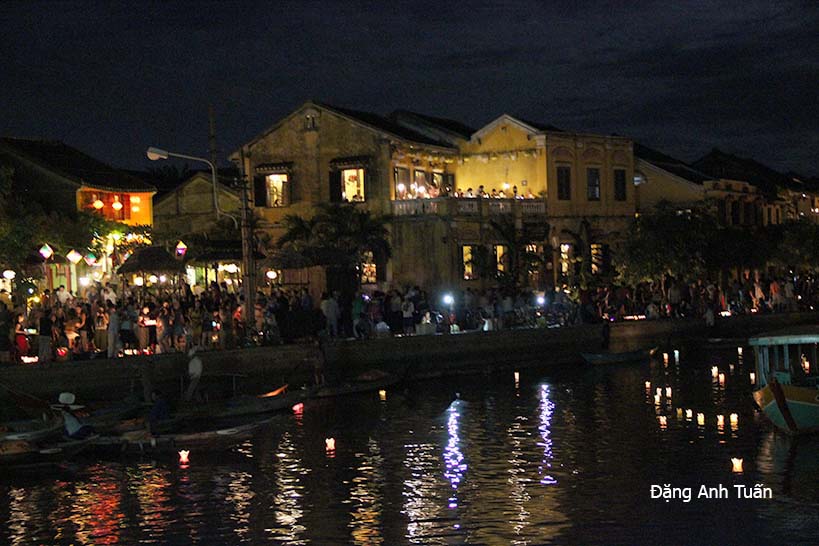
Phố ngang như những nhịp cầu
Phố dọc như những dài lâu đợi chờ.
Les rues en largeur ressemblent à des travées
Les rues en longueur à de longs moments d’attente
Un joyau d’architecture
Những khoảnh khắc ở Hội An

Phố ngang như những nhịp cầu
Phố dọc như những dài lâu đợi chờ.
Les rues en largeur ressemblent à des travées
Les rues en longueur à de longs moments d’attente
Un joyau d’architecture
Những khoảnh khắc ở Hội An
Version française
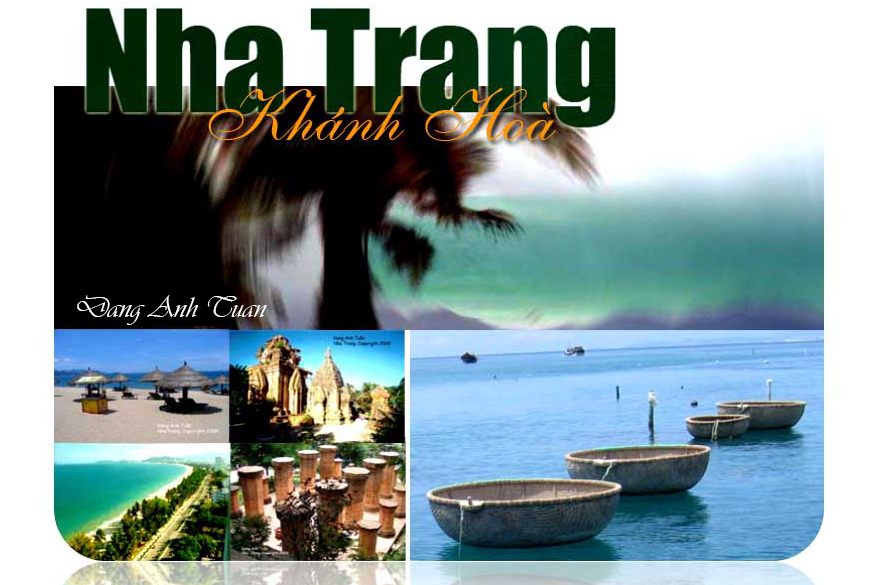
Nha Trang doit son nom à l’appellation chame de Yatran. La mer la plus poissonneuse du Vietnam, la récolte des nids d’hirondelle, la plage, les conditions idéales pour la pratique de la plongée sous-marine sont à l’origine de sa réputation.
Version vietnamienne
Nha Trang là thủ đô của tỉnh Khánh Hoà ngày nay. Tên Nha Trang là tên gọi của người Chămpa. Nha Trang nổi tiếng không những nhờ biển đẹp và có nhiều cá và có luôn yến sào một loại thực phẩm từ lâu đã được xếp vào hàng “cao lương mỹ vị” mà còn là nơi có đủ điều kiện lý tưởng để thực hành khám phá lặn dưới nước.
Galerie des photos
Plage méditerranéenne du Vietnam
It owes its name by the Cham appelation of Yatran. The most productive sea in Vietnam, the collection of bird’s nest, the beach, the ideal conditions to practice the scuba diving were a source of its reputation
Version française
Version anglaise
Mỗi bên đều có thắng lợi cũng như có thất bại. Cầm đầu một đạo binh có 20 vạn binh và một đội tàu chiến, sau mười ngày vây hãm, Taksin dành thắng lợi trong việc đánh đuổi được Mạc Tiên Tứ, con của Mạc Cửu ra khỏi Hà Tiên vì Mạc Thiên Tứ không những là đồng minh của các chúa Nguyễn mà còn là người bảo vệ con trai của vua cuối cùng của triều đại Ayutthaya đó là hoàng tử Chiêu Thúy (Chao Chuy). Đối với Taksin, Chiêu Thủy vẫn là mối lo ngại trọng đại vì vẫn tiếp tục được xem là một trong những người tranh đua kế vị ngôi vua Thái Lan. Qua những cuộc thất bại quân sự ở Châu Đốc và trong vùng Sa Đéc, Taksin buộc lòng chấp nhận một thỏa ước hoà bình mà Mạc Thiên Tứ đề nghị và từ bỏ Hà Tiên hoang tàn để đổi lại sư giao trả hoàng tử Chiêu Thúy cùng việc trả tự do cho cô con gái của Mạc Thiên Tứ bị bắt lúc Hà Tiên bị thất thủ và sự giữ lại trên ngôi vua của Cao Miên một vua thân Thái tên là Ang Non. Khi trở về Thái Lan, Chiêu Thúy cùng người em bị bắt ở Cao Miên, bị hành quyết. Còn chúa Nguyễn Phúc Thuần (sau nầy lấy tên là Duệ Tông) gặp nhiều trở ngại với việc nổi dậy của anh em nhà Tây Sơn, đành buộc lòng bảo chứng thỏa ước và tạm thời để người Thái thao túng chính sách bành trướng lãnh thổ ở Lào và Cao Miên. Nhưng cuôc hưu chiến rất ngắn ngủi nhất là với Mạc Thiên Tứ vì trong thời gian nầy ông bi đeo đuổi bởi quân Tây Sơn nhất là họ dành thắng lợi trong việc chiếm thành Gia Định (hay Saïgon) vào năm 1776 và bắt được Nguyễn Phúc Thuần ở Cà Mau. Mạc Thiên Tứ buộc lòng cùng bộ hạ và gia đình sang xin tá túc ở Thái Lan với Taksin. Lúc nào cũng ám ảnh nghi ngờ và đố kỵ, Taksin ra tay hành quyết gia dình của Mạc Thiên Tứ và tùy tùng trong đó có hoàng tử Tôn Thất Xuân. Để bảo tồn danh dự và phẩm cách, Mạc Thiên Tứ tự sát bằng cách nuốt một thỏi vàng. Bệnh đa nghi của Taksin càng ngày cảng lộ liễu cho đên nó trở thành một bệnh thần kinh tạo ra một hành vi khó hiểu, bạo ngược và hoang tưởng.
Rạch Gầm- Xoài Mút
Tranh ở bảo tàng lịch sử ở Saïgon
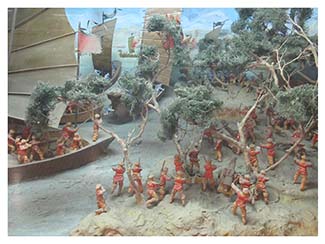
Đây là một trong những điểm chung thường thấy ở những vĩ nhân chính trị (Tào Tháo thời Tam Quốc, Tần Thủy Hoàng chẳng hạn) . Chính tính đa nghi thúc đẩy Taksin đến chổ nhốt tù các thân nhân của ông nhất là gia đình của con rể của ông, tướng Chakri đang dấn thân trong cuộc việc viễn chinh quân sự ở Cao Miên để chống chọi lại đoàn quân Việt của hoàng tử trẻ Nguyễn Ánh. Tứớng Chakri ( tức là vua Rama I trong tương lai) buộc lòng chịu thỏa hiệp với các phó tướng của Nguyễn Ánh đó là Nguyễn Hữu Thùy và Hồ văn Lân và nhận được lại một cây gươm và một lá cờ để tỏ lòng sự ủng hộ của nhà Nguyễn chống lại Taksin. Được về kịp lúc cuộc đảo chính chống Taksin và có công trong việc dẹp phiến loạn, tướng Thái Chaophraya Mahakasatsuk (hay Chakri) trở thành từ đó là vua Rama I và người lập triều đại Chakri. Việc đăng quang của Chakri kết thúc triều đại Thonburi và thay thế từ nay bởi một triều đại mới với việc dời đô về Vọng Các (Bangkok).Chính ở nơi nầy vua Rama I cố gắng phục hồi lại phong cách Ayutthaya qua hoàng cung của ông ở Bangkok. Sự dời đô không có mang lại sự đổi mới trong nghệ thuật của người dân Thái. Rama I chỉ quan tâm đến công trình dở dang của Taksin Đại Đế trong việc bành trướng ảnh hướng về phía đông. Ông không ngần ngại trợ tiếp hoàng tử Nguyễn Ánh trong cuộc chống chọi lại nhà Tây Sơn qua một cuộc viễn chinh quân sự ở trên sông Rạch Gầm- Xoài Mút trong tỉnh Tiền Giang ngày nay nhưng hoàn toàn thất bại và bị tiêu diệt bởi chiến lược thần tốc của người anh hùng áo vải Việtnam Nguyễn Huệ. Từ 50 vạn binh Xiêm La phối hợp với quân của nhà Nguyễn và 300 thuyền khởi đầu, chỉ còn lại có 2000 quân Xiêm La tẩu thoát mượn đường Cao Miên để trở về Thái Lan.
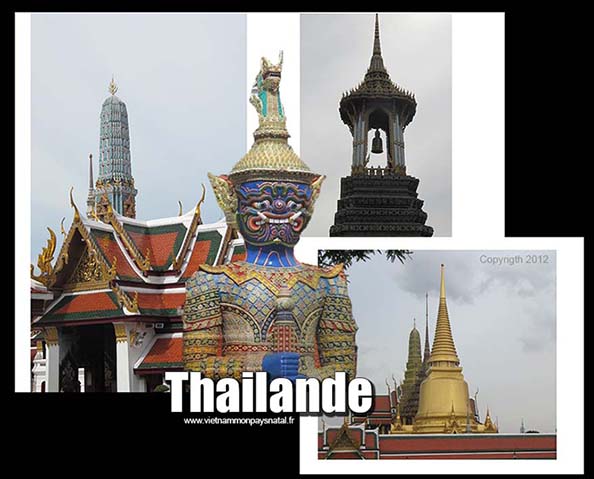
Thái Lan
Lợi dụng sự thiếu hiểu biết về địa thế và sự đánh giá thấp của quân địch, Nguyễn Huệ tránh va chạm trực diện ở Sa Đéc và thành công trong việc làm thất bại sự xâm lấn của người Xiêm La trên kênh Rạch Gầm- Xoài Mút gần ở Mỹ Tho. Nguyễn Huệ cần một cuộc chiến thắng thần tốc vì ông dư biết chúa Trịnh ở Bắc Việt có thể lợi dụng thời cơ để xâm chiếm Qui Nhơn ở miền trung Việtnam.
Bị săn đuổi như con thú và chìm trong vực thẳm của sự phiền muộn, Nguyễn Ánh buộc lòng phải lưu vong một thời gian ngắn (từ năm 1785 đến 1787) ở Bangkok cùng các cận thần thân tín và 200 quân lính. Sau đó có 5000 vệ binh của Nguyễn Huỳnh Đức sang Thái Lan theo ông. Theo giáo sư người Việt Bùi Quang Tùng (1) thì có rất nhiều người tỵ nạn chọn ở lại Xiêm La về sau và kết hôn cùng người dân Thái.
[Chính sách giao hảo với Viet Nam]
(1) Bùi Quang Tùng: Giáo sư, thành viên khoa học của viện EFEO. Tác giả của nhiều quyển sách về Vietnam.
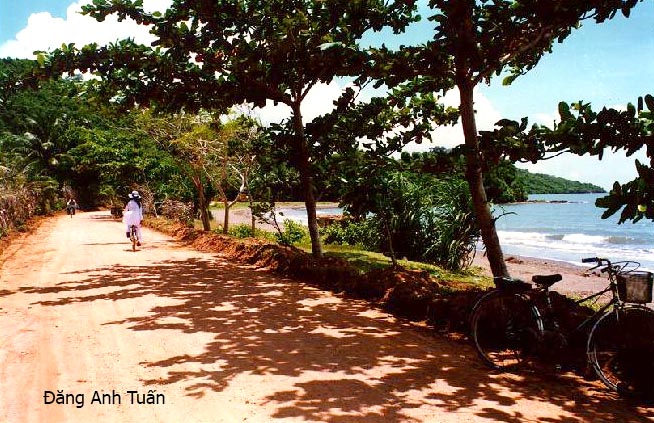
Đối diện với vịnh Xiêm La, Hà Tiên một tỉnh lị nằm cách xa khoảng 8 cây số với biên thùy Cao Miên. Đây cũng là thành phố đánh dấu sự kết thúc cuộc hành trình Nam Tiến của người dân Việt. Trước khi được biết với tên Hà Tiên, tỉnh lị nầy thường được gọi buổi đầu với tên Phương Thành sau đó có tên Mang Khảm. Lúc đầu rất hoan sơ, sau đó có sự phát triển kinh tế ở nơi nầy đó là nhờ việc di cư ồ ạt của các phần tử thân triều đình nhà Minh (hay Minh Hương) mà trong đó có một người nổi tiếng tên là Mạc Cửu.(Mac King Kiou)
Không khuất phục chính sách của Đại Thanh và rời bỏ Trung Hoa vào lúc 17 tuổi, ông sang định cư cùng gia quyến ở Nam Vang ( Cao Miên) năm 1671. Vài năm sau, ông được chức Ốc Nha phong bởi vua Chân Lạp ( Cao Miên), xem như là tri phủ hay là tỉnh trưởng thời đó của Mang Khảm. Nhờ có óc buôn bán và tính hào hiệp, ông đã thành công trong việc biến Mang Khảm một tỉnh lị nhỏ bé thành một thương cảng sầm uất , buôn bán phồn thịnh trong vùng. Để tránh tham vọng của người Xiêm La, ông cần sự bảo trợ của người dân việt nhất là của các chúa Nguyễn chớ vua Cao Miên không có đủ thế lực để bảo vệ ông. Vì lý đó, ông xin qui phục Nam Triều. Từ đó Mang Khảm thuộc về lãnh thổ Việt Nam và lấy tên Hà Tiên.
Theo truyền thuyết dân gian thì có thấy trên sông các vị tiên xuống trần tham dự cuộc du hồ (Hà có nghĩa là sông). Chính vì vậy mới gọi là Hà Tiên. Sau vài năm , Hà Tiên trở thành điểm xuát phát trong cuộc chinh phục các huyện của Chân Lạp: Long Xuyên (Cà Mau ngày nay), Kiên Giang (Rạch Giá), Trấn Giang (Cần Thơ), Trấn Di (Bạc Liêu) với con trai của Mạc Cửu: Mạc Thiên Tứ. Ông nầy là một nhân vật phi phạm. Định mệnh của ông rất liên hệ chặt chẽ với định mệnh của Nguyễn Ánh ( vua Gia Long ). Mạc Thiên Tứ trở thành công thần lừng danh của nhà Nguyễn trong việc chống chọi với nhà Tây Sơn. Với những năm lao đao của Nguyễn Ánh, Mạc Thiên Tứ buộc lòng sang Thái Lan nương thân cùng gia quyến với Tôn Thất Xuân , một người chú của Nguyễn Ánh. Để làm người Xiêm La nghi ngờ tuyệt giao, quân Tây Sơn không ngần ngại làm giả mạo mật thư nói rằng Mạc Thiên Tứ cùng bộ hạ sẻ làm nội ứng để lật đổ vua Xiêm La Trịnh Tân (Phraya Tak Sin). Tất cả gia đình của ông cùng Tôn Thất Xuân, tất cả 53 người bị Trịnh Tân giết cả. Để bảo toàn danh dự và lòng trung thành, ông tuẫn tiết bằng cách nuốt vàng lá vào miệng vào năm Canh Tý 1780, thọ hơn 70 tuổi. Mạc Thiên Tứ còn là một nhà thi sĩ nổi tiếng của thời đó. Chính ông là người làm ra tập Hà Tiên Thập vịnh để ca ngợi các thắng cảnh tuyệt vời và thiên nhiên của Hà Tiên. Tập nầy khi lúc đầu có được 10 bài sau đó được nhóm Chiêu Anh Các gồm có 31 thi sĩ, mỗi người 10 bài cho nên tổng cộng có đến 320 bài dưới sự khởi xướng của Mạc Thiên Tứ. Sau cùng Nguyễn Cư Trinh có họa thêm 10 bài khiến tập nầy có một giá trị vô giá để lưu truyền cho hậu thế.
Hình ảnh
Chúng ta cũng không thể quên bài thơ Lục Bát mà Mạc Thiên Tứ ứng khẩu để trêu nghẹo một cô gái Quảng Nam giả làm chàng thư sinh tham dự trong một buổi dạ hoa đăng:
Bên kia sen nở nhiều hoa
Người khen hoa đẹp nõn nà hơn em
Trên bờ em đứng em xem
Mọi người sao bỗng không thèm nhìn hoa
Không chút ngại ngùng, chàng thư sinh trả lời Mạc Thiên Tư như sau:
Mặt ao sen nở khắp
Trông hoa lẫn bóng người
Trên bờ ai đứng ngắm
Sao chẳng thấy hoa tươi?
Sau cuộc trao đổi thơ, Mạc Thiên Tứ mới khám phá được chàng thư sinh ấy là gái giả trai để tránh nạn cướp từ miền trung đến , theo cha vào Hà Tiên buôn bán và tên là Nguyễn Thị Xuân. Mạc Thiên Tứ lấy nàng làm vợ lẽ nhưng nàng suýt chết vì sự ghen tương của bà vợ chánh nên đành rút về tu ở một am tự để sống hết quãng đời còn lại. Trước khi mất, bà có để lại một bài thơ ví bà như một hoa sen , kể lại sự trong sạch và cao thượng của bà trong một thế giới ghê tởm và đầy ô nhục bẩn thỉu:
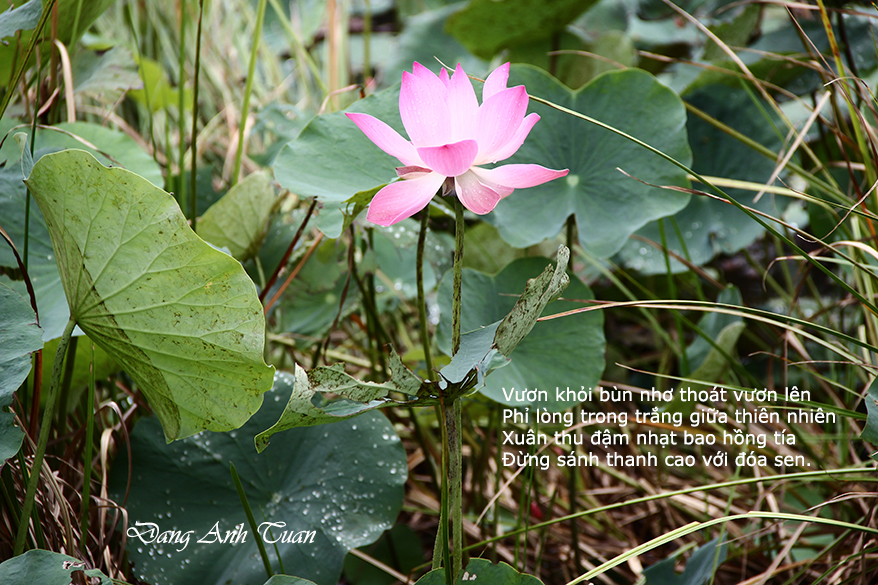
Vươn khỏi bùn nhơ thoát vươn lên
Phỉ lòng trong trắng giữa thiên nhiên
Xuân thu đậm nhạt bao hồng tía
Ðừng sánh thanh cao với đóa sen.
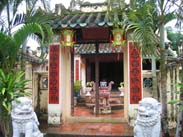 Nhắc đến Hà Tiên không thể nào không nghĩ đến Mạc Cửu và Mạc Thiên Tứ. Chính nhờ họ mà Việtnam đã thành công cuộc Nam Tiến. Cũng không có chi ngạc nhiên sự gắn bó sâu sắc và lòng kính nể mà người dân Việt dành cho Mạc Cửu và gia quyến nếu ai có lần đến thăm viếng đền của ông ở Hà Tiên.
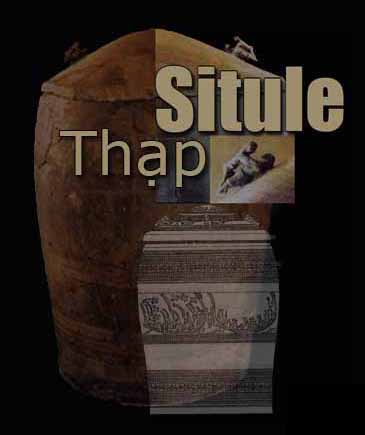
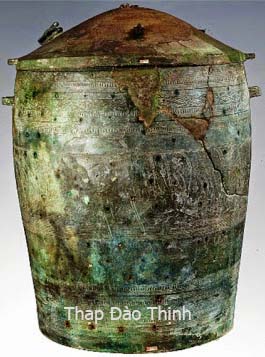
Thạp đồng Đào Thịnh
Version française
Version anglaise
Mặc dầu thạp và trống đồng được xem như hình với bóng nhưng thạp rất ít được phổ biến trong dân gian vì có nhiều lý do. Trước hết ít có sách vở ghi chép về thạp đồng. Vã lại địa vực phân bố cũng rất giới hạn. Trống đồng thường được trông thấy khắp nơi ở Đông Nam Á và phía nam của Trung Hoa thì ngược lại những thạp đồng chỉ tìm thấy phần lớn ở Viet Nam. Thạp thường tập trung ở các lưu vực các sông lớn như sông Hồng, sông Mã và sông Cả mà theo truyền thuyết dân Việt đấy là lảnh thổ của nhà nước Văn Lang dưới thời các vua Hùng. Ở Trung Hoa, chỉ có một số ít ỏi thạp đồng tìm thấy ở các tỉnh biên thùy như Quảng Tây, Vân Nam, Quảng Đông và mang tính chất trao đổi và thương mại. Cũng có một thạp đồng mà được tìm thấy ngoài lệ ở Phong Điền (Thừa Thiên Huế) cùng lúc với một trống đồng Heger loại I , một hiện vật có lẽ được trao đổi với cư dân văn hóa cùng thời Sa Huỳnh.
Văn hóa Đồng Sơn
Nhưng đó cũng là một thạp đồng duy nhất được khám phá ở vùng Thừa Thiên Huế cho đến năm 2005. Hơn một thế kỷ đi qua, từ khi khám phá được một cái nắp đầu tiên của thạp đồng nằm úp trong trống đồng Ngọc Lũ (1893-1894) cho đến ngày nay, thì trên 250 thạp đồng được biết và kiểm kê thì chỉ có 15 thạp đồng được tìm thấy ở Trung Hoa (9 thạp trong ngôi mộ của Nam Việt Vương Triệu Muội, vua thứ hai của nước Nam Việt, cháu nội Triệu Đà, 1 thạp trong một ngôi mộ ở Quảng Đông, 4 thạp trong mộ La Bạc Loan ( Quảng Tây ) và một thạp đồng trong khu vực Tianzimiao (Điền Quốc, Vân Nam).
235 thạp đồng còn lại thì rải rác ở các địa điểm khai quật của văn hóa Đồng Sơn thường thấy ở Việtnam và phân bố ra hai loại: 205 thạp không có nắp và 30 thạp có nắp. Chỉ đến năm 1930 thạp đồng được một học giả người Nhật Bản Umeshra Sueji miêu tả lần đầu tiên một cách sơ lược. Sau đó, năm 1936, thạp đựợc giới thiệu bởi nhà khảo cổ Olov Jansé, một cộng tác viên tạm thời của trường Viễn Đông Bác Cổ Pháp sau cuộc khai quật di tích Đồng Sơn.
Các thạp đồng thường thuộc về dòng dõi qúi tộc. Đó là sự nhận xét mà các nhà khảo cổ hay có sau các cuộc khai quật ở các mộ táng của giới quí tộc và các nhà lãnh tụ địa phương. Thạp đồng không phải là một biểu hiệu quyền lực như trống đồng mà nó là một sản phẩm có tính chất đa năng. Nó được sử dụng
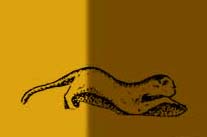
Con thú đang tha mồi được thấy
trên nắp thạp Vạn Thắng. Hànội 2008
Thông thường, thạp mà được thấy ở Viet Nam trong các mộ táng sang trọng thường có tính cách nghi lễ đối với dân tộc Lạc Việt ( hay người Đồng Sơn). Đối với các người nầy , thạp được xem không những là một vật dụng rất cần thiết trong cuộc sống hằng ngày mà nó còn là một vật mà người quá cố không thể thiếu khi về thế giới bên kia. Từ một vật dụng hằng ngày cho đến khi trở thành một đồ tùy táng đó là một việc rất thông thường đối với người Đồng Sơn vì đây là một khái niệm chia sẻ giữa người quá cố và những người thân thuộc, một truyền thống đuợc trường tồn dưới nhiều hình thức từ thời xa xưa trong các nền văn minh cổ đại nhất là trong nền văn hóa Đồng Sơn.
Thạp có hình khối trụ thuôn dần từ miệng xuống đáy và có thể có vành gờ miệng để dễ đậy nắp đồng hình vòm. Thạp thường có hai quai hình chữ U lộn ngược. Thạp không có phong phú như trống đồng bởi vì nó mang tính cách thông dụng. Trên thân của thạp có các băng phù điêu hoa văn trang trí với những mô típ mà được thường thấy trên trống đồng (vòng tròn có tiếp tuyến, những đường gẫy khúc đan vào nhau tạo hình thoi, vạch ngắn thẳng vân vân…) hay là hoa văn rất đơn giản.
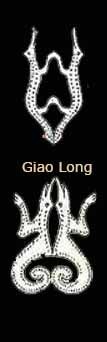
Nhưng đôi khi cũng có những thạp đồng mang vẻ đẹp vô song và trang trí rất tinh vi cũng không thua chi trống đồng. Đấy là trường hợp của các thạp Đào Thịnh (Yên Bái), Vạn Thắng ( Phú Thọ), Hợp Minh (Yên Bái ), mỗi thạp đều có nắp hình vòm, được trang trí ở ngay giữa trung tâm một ngô i sao nhiều cánh hay ở chung quanh có gắn 4 khối tượng người hay thú mà được bố trí đi ngược chiều kim đồng hồ.Trên thạp Đào Thịnh thì tìm thấy có 4 khối tượng, mỗi khối là một đôi nam nữ đang ở tư thế giao hợp còn trên nắp Vạn Thắng (Phú Thọ) thì có bốn con thú đang săn mồi hay là 4 con bồ nông trên nắp Hợp Minh (Yên Bái).
Khi quan sát và so sánh các hoa văn trang trí thuyền bè với những người hóa trang, đầu đội mũ lông chim trên thân của thạp Đào Thịnh với các hình chạm khắc trên các trống đồng Heger loại I (Ngọc Lũ, Hoàng Hạ, Cổ Loa, Sông Đà (Moulié) …) thì có cảm tưởng đây là những sản phẩm có cùng một phong cách nghệ thuật và được chạm khắc bởi những nghệ nhân khéo léo được đạo tạo từ một trường, xuất thân từ một nền văn hóa chung . Như vậy chứng tỏ những sản phẩm nầy thể hiện cùng có một chủ nhân sáng tạo chung, đó là cư dân của nền văn hóa Đồng Sơn đã có hai thiên niên kỷ trước đây. Rất khó phân loại các thạp đồng nếu dựa vào yếu tố hoa văn bởi vì các thạp đồng được tìm thấy hầu hết đều có hoa văn mang tính cách biểu tượng.
Có những nhà khảo cổ gợi ý dựa kích thước làm tiêu chuẩn trong việc phân loại các thạp nhưng vì gam thạp quá đa dạng từ to (các thạp Hợp Minh, Thiệu Dương, Xuân Lập vân vân…) đến bé như minh khí đựợc tìm thấy ở các mộ táng Châu Can (Hà Nam), Núi Nấp ( Thanh Hoá ) khiến khó dùng tiêu chí nầy được. Cuối cùng chỉ có khái niệm dùng nắp thạp là có căn bản hợp lý nhất trong việc phân biệt các thạp đồng. Dựa trên mỹ thuật trang trí văn hoa thì phải nói có sự phong phú rỏ ràng ở nơi các thạp có nắp. Và cũng nhờ có gờ miệng thì mớ i có thể biết được thạp đó có nắp hay không dù nắp thạp có thể mất hay không còn nửa.
Với các trống đồng, thạp không những là một phần tử tiêu biểu của nên văn hóa Đồng Sơn mà còn là bằng chứng cốt lõi có nguồn gốc ở địa phương. (Việt Nam)
Đôi khi nhìn thạp làm ta nhớ đến chiếc gùi bằng mây mà thường được thấy hiện nay ở các dân tộc thiểu số ở Viet Nam. Gùi cũng có các quai dùng để buộc dây xách thuận tiện cho việc di chuyển. Theo các nhà khảo cổ học , chiếc thạp là hình ảnh của chiếc gùi mà cư dân Đồng Sơn thường dùng thưở xưa với nắp để đậy khi dùng để chứa đồ. Theo sự quan sát của nhà khảo cổ học Việtnam Nguyễn Việt, những chiếc thạp nhất là chiếc được trưng bày ở bảo tàng viện Barbier-Mueller ở Genève (Thụy Sĩ) rất có thể tiếp nhận ảnh hưởng của các nghệ nhân khéo léo của vương quốc Điền ở Vân Nam. Có thể nói vào thời đó, văn hóa Đồng Sơn đuợc phát triển trong bối cảnh cởi mở, đã trao đổi lẫn nhau những thông tin và sản phẩm với Điền quốc qua sông Hồng. Lấy nguổn nước ở Vân Nam, sông Hồng được xem thời đó như là đường tơ lụa sông. Dù sao đi nửa, cũng có thể khẳng định một cách quả quyết là thạp đồng không phải là một sản phẩm của Trung Hoa mà nó mang nhiều tính chất địa phương (Viet Nam).
Référence bibliographique:
Thạp Đồng Đông Sơn Hà Văn Phùng Nhà Xuất Bản Khoa Học Xã
Những dấu vét đầu tiên của thời đại đồ đồng thau ở Việtnam, NXb Khoa học xã hội, Hànội,1963. Lê văn Lan, Phạm văn Kỉnh, Nguyễn Linh
Although the situla (or thạp in Vietnamese ) is considered with the bronze drum as shadow and picture (bóng với hình), it remains still largely unknown to the public for several reasons. First, there is little written on Dongsonian situla. And then the area dissemination about situlas is very limited. Unlike the bronze drums having been scattered everywhere in Southeast Asia and South China, the situlas have for the most part been found by constrast in Vietnam. According to Vietnamese mythology, their concentration is located in the basins of Hồng (or Red River), Mã and Cả rivers delineating the territory of Văn Lang kingdom at the time of Hùng kings. In China, there is a very small number of Dongsonian situlas found coming probably to trade and localized in the border provinces Kouang Si (Quảng Tây), Yunnan (Vân Nam) and Kouang Tong (Quảng Đông). This is also the case of the situla Phong Ðiền (Thừa Thien Huế) that was discovered at the same time as a Dongsonian bronze drum of Heger I, an object of exchange with the population of contemporary culture of Sa Huỳnh.
The tiger catches its prey. That is what we have seen on the cover
of the bronze jar in Vạn Thắng sepulture.
But it is also the sole situla discovered in this region Thừa Thiên Huế until 2005. More than a century passed, since the discovery of the first cover of the situla in the bronze drum Ngoc Lũ (1893-1894) until now, on 250 situlas known and inventoried, there are only 15 situlas found in China (9 situlas in the tomb of the second king of Nan Yue, Zhao Mei (Triệu Muội), 1 situla in a grave site in the province KouangTong, 4 situlas in the tomb Luobowan (La Bạc Loan) (Kouang Si) ) and 1 Dongsonian situla in the region of Tianzimiao (district of Cheng-gong, Yunnan). The 235 remaining situlas are localized in the Dongsonian sites so called « pure » in Vietnam and divided into two categories: 205 situlas without lid and 30 situlas with lid. It is only in 1930 that the situla was described in a summary manner for the first time by a Japanese scholar Umeshra Sueji. Then it was evocated by Swedish archaeologist Olov Janse, temporary scientific collaborator of French School of Extreme Orient (EFEO) in 1936 during the archaeological excavations. Finally the situlas belonged to the aristocracy. That is what have been frequently observed during the excavations in the graves belonging until now to noblemen and local warlords. The situla is not an emblem of power but it is a container (ustensil) with multiple uses (tính đa năng). It is used
Generally speaking, the situla which is found in Vietnam in the rich graves has a ritual character among the Luo Yue (or the Dongsonian). For the latter, the situla was considered not only as an indispensable utensil in the daily life but also an object that the deceased could not miss in the other world. The passage of an object used to a funerary object was very frequent among the Dongsonian because it is a notion of sharing between the deceased’s relatives and himself, a tradition which is perpetuated in various forms since the dawn of time in the ancient civilizations, in particular in the Dongsonian civilization.
The situla whose the shape is cylindrical and slightly narrowed in the bottom, can have a very fine rim to facilitate, at the neck level, the deposit of a convex cover. It is fitted with two handles in the shape of U reversed with double spirals. Known for its usual character, the situla is not a work of art very rich in comparison with the bronze drum.
Generally speaking, one finds on the container body, a decor in low relief organized in registers of classical geometric motifs from decoratif Dongsonian repertoire (pointed circles connected by tangents, lozenze friezes or vertical incisions etc …) or a plane decoration very simple. But we may find ourselves with situlas of unparalleled beauty the decor of which is as sophisticated as that of bronze drums. This is the case of Đào Thịnh (Yên Bái), Vạn Thắng (Phú Thọ), Hợp Minh (Yên Bái ) situlas, each having a cover adorned with a star in its center or filled with human and animal figures in relief, the arrangement of which is carried out in the clock reverse. That is what we have seen with 4 couples in intimate embrace on the Đào Thịnh situla’s cover or 4 fauves seizing prey on the Vạn Thắng situla. By contrast, 4 pelicans are sculpted in relief on the Hợp Minh situla.
Văn hóa Đồng Sơn
By comparing the figurative decoration of pirogue accompanied by men wearing tall feathers on the body of the famous situla Đào Thịnh as that of bronze drums Heger’s type I (Ngọc Lũ, Hoàng Hạ, Cổ Loa, Song Đà (Moulie) … ), one may perceive that products of the same artistic style are realized by skillful bronzemakers from a same school or rather from the brilliant civilization of Đồng Sơn since two thousand years ago. For the situlas, it is difficult to establish a classification based on the ornamentation because the latter has carries the symbolic character on most of the situlas.
History museum (Hànội)
Some suggest the dimension as a criterion for classification but there is a variety of situlas ranging from their largest size (Hợp Minh, Thiệu Dương, Xuân Lập etc. ) to their smallest miniature ( mingqi or minh khí in Vietnamese) (situlas found at Châu Can (Hà Nam), Núi Nấp ( Thanh Hoá ) etc … ), which does not allow to have a desired classification. Finally, it is the notion of cover which has been taken into account in the classification of situlas. The richness and sophistication of the decor are visible on all situlas possessing a cover. This is not the case of situlas without cover. Thanks to a slightly protruding ledge found at the level of its collar (gờ miệng), we can identify a situla with lid or not even if the latter has today disappeared.
The situla constitutes not only with the bronze drums, one of the representative elements of Ðồng Sơn culture but also the irrefutable evidence of the Dongsonian local origin in Vietnam.
It may be inspired by the wicker-look basket (gùi in Vietnamese) that is still found today among some ethnic minorities of Vietnam because the latter also has the handles to facilitate the fixing of cords during the movement. For some archaeologists, the situla is well the basket image that the Dongsonian had the habit of using formerly with the cover because it was initially designed to serve as a receptacle. According to Vietnamese archaeologist Nguyễn Việt, some situlas exhibited in particular in the Barbier-Mueller museum in Geneva (Switzerland), attest to the probable influence of skillful bronzemakers of Dian kingdom (Ðiền Quốc) in Yunnan (Vân Nam). It is possible the culture of Ðồng Sơn has developed in a context very open and exchanged each other the information and objects with Dian kingdom by Red River . By taking its source in Yunnan, this river was regarded in the past as the silk road river. But it can nevertheless be stated categorically that the Dongsonian situla is a foreign object to the Chinese tradition and it is the local craftsmanship (or Vietnamese).
Bibliography:
Thạp Đồng Đông Sơn Hà Văn Phùng
Nhà Xuất Bản Khoa Học Xã Hội
Những dấu vết đầu tiên của thời đại đồ đồng thau ở Việtnam,
NXb Khoa học xã hội, Hànội,1963. Lê văn Lan, Phạm văn Kỉnh, Nguyễn Linh
Version vietnamienne
Version française
Sống sao không thẹn với đời
Chết sao để tránh ngàn lời mĩa mai
Sống vỉ thế hệ tương lai
Chết vì đất nước tù đày không than
A great homage to Nguyễn An Ninh
through my Six-Eight verses:
To live in such a way one has no shame of living
To die in such a way to avoid thousands of ironies
Is to live for future generations
And to die for one’s country without complaining days in imprisonment.
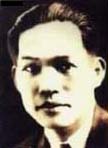
Facing Nguyễn An Ninh’s flat refusal to repent and the alarming situation caused by the imminent landing of the Japanese army in Indochina in 1943, his jailer, the warden of the Poulo Condor prison, Mr. Tisseyre decided to eliminate this burdensome prisoner who was sick and potentially dangerous in his view because the Japanese could later use him as a pawn on the Indochina chessboard.
Nguyễn An Ninh since his coming back to Vietnam, became not only, as time went by, an idol for the Vietnamese youth but also one of the most respected leaders among Vietnamese intellectuals in Cochinchina. Even during his imprisonment in Poulo Condor, he was the only one to have received the esteem of all political prisoners no matter they are communists, nationalists, Trotskists or other etc. and to have brought peace in case of stormy debates or virulent altercations between prisoners.
How come a young man like Nguyễn An Ninh arrived at becoming a « bête noire » of the colonial authorities? However at the beginning he did not have intention to resort to violence like the Nguyễn Thái Học nationalists or the Vietnamese communists. He supported himself with his pen and the newspaper « La cloche fêlée » whose director was a longtime friend of his, a French of the name Eugene de Jean de la Bâtie. He made a mistake to have dared demand with fanfare for his compatriots the freedom of expression and fundamental rights which he had fully enjoyed during his years of study at the Sorbonne in Paris, and which were lacking then in Vietnam, by using his caustic and careless critics, and succinct analyses in his newspaper. He did not even conceal his sympathy that his has always had for the leader Phan Chu Trinh, a friend of his father Nguyễn An Khương. He was the translator of Jean Jacques Rousseau‘s « Social Contract ». By means of seminars and public debates, he succeeded in provoking a collective awareness among Vietnamese intellectuals of the 1920’s and 1940’s who up until then were asleep in a seemingly happiness, freedom and justice created by the colonial authorities.
Those young intellectuals only bothered with universally human subjects such as love, family, sadness of separation etc… Although they are often alongside with the rural area, they never asked any questions about what was going on there. Not that they ignore the poverty outside urban areas but they never lived there. Even though they were not issue of large estate bourgeoisie or sons of collaborators, they nourished the dream of becoming government officials.
From his return to Vietnam in 1922, instead of going into this traditional mould like others of his age, his generation, Nguyen An Ninh, this young man of 22 years of age, with rounded hairdo, law graduate from the Sorbonne, made his way in the opposite direction by advocating the method of the Indian poet Tagore. The latter thought it would be possible to obtain independence without bloodshed from the British by means of straightening up to the intellectual level of the Indian people. That was why with the help of some of his friends he did not hesitate to launch a series of debates on themes such as » A culture for the Annamites », « The ideal of the Annamite youth » etc…, which provoked from then on visible swirls in a harbor of peace established by the Governor of Cochinchina, Mr. Cognacq.
He was the instigators of several petitions claiming not only freedom of expression but also freedom of education and freedom of the press for the natives. It was a significant worry for this governor because through his tonic speeches, Nguyễn An Ninh arrived at mobilizing and electrifying the intellectual youth of South Vietnam, casting doubts among the Vietnamese intellectuals having at the time total confidence in the French education system in Indochina. Cognacq was compelled to react because each speech animated by Nguyễn An Ninh provided the occasion to mobilize more and more people. Cognacq did not hesitate to remind him several times that there was always room at the prison of Poulo Condor for recalcitrant people like him. On the other hand, he would have access to an important post in the colonial administration if he gave up this suicidal adventure.
Despite this reminder full of threat, Nguyen An Ninh continued persevering in this political involvement, which compelled the colonial authorities to imprison him several times. His first incarceration was shortened thanks to the strong intervention of many French personalities of that time, especially that of Romain Rolland, Nobel Price winner in literature in 1915, before the colonial authorities. From then on, Nguyễn An Ninh became not only a regular visitor of the prison but a man to bring down for the colonial authorities. Having been aware of the impossibility of claiming before the colonial authorities the fundamental rights by peaceful means, he soon undertook secretly the armed struggle. He became thus the leader of the party « Hope of the Youth ( Ðảng Thanh Niên Cao Vọng ) being successful in having more than 7000 adherents during its existence and aiming at redistributing land to poor peasants in 1927.
His renown allowed him to make friend with the leaders of other political movements, especially with trotskist Tạ Thu Thâu, journalist Hồ Hữu Tường, young attorney Trịnh Ðình Thảo, communist Nguyễn Thị Minh Khai etc. He was contacted several times by the communists and the Nguyen Thai Hoc nationalists and asked to join their movements but he took the pretext of being closely watched by the colonial authorities to refuse their proposals with courtesy. Closer to the communists in his ideas and struggle, he knew however how to make a difference. He never concealed that he had in himself the ideas of Jean Jacques Rousseau and Diderot. He loved to be above the melees and political rivalries and considered himself above all a Vietnamese intellectual serving his country.
Taking advantage of the political confusion taking place in France by the dissolution of the French communist party by president Edouard Daladier ( 25 September 1939 ) and of the lack of support from the French intellectuals that Nguyễn An Ninh had up until then, it did not take the colonial authorities long to put their hand on Nguyễn An Ninh and expeditiously sent him to the Poulo Condor prison by charging him with being the troublemaker and instigator of peasant revolts.
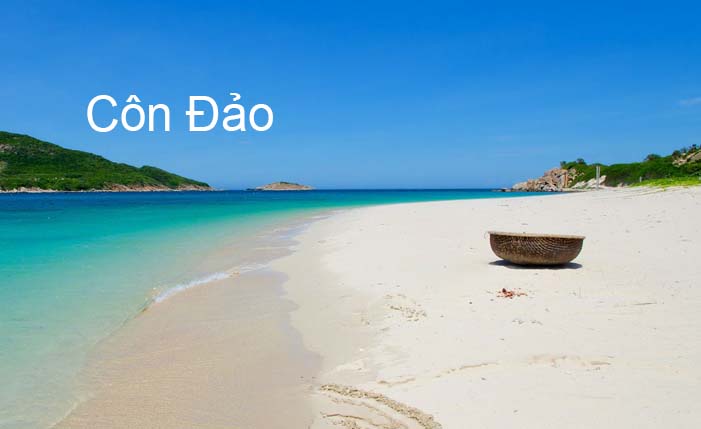
Very few Vietnamese dared talk about this prison without emotion. It is all about an archipelago of 14 small islands located at 180km from Vũng Tàu (ex Cap Saint Jacques) and accessible after 12 hours by boat. By the end of 13th century, Marco Polo noted that island Côn Sơn, the greatest of all 14 islands was uninhabited. The Poulo Condor archipelago was the object of secular dispute between the Vietnamese, Khmers and Malays. It was discovered one beautiful morning, 28 November 1861, by the lieutenant of the French Royal Navy of Napoleon III, Lespes Sebastien Nicolas Joachim. It became thus a French possession during colonial time and stood out among famous prisons.
But Nguyễn An Ninh remained the only one capable of wiping out all stormy discussions between protagonists. To relax in jail, Ninh composed many poems but the most famous remains the following found in his pocket at his interment by his prison inmates:
Sống và chết
Sống mà vô dụng sống làm chi
Sống chẳng lương tâm, sống ích gì
Sống trái đạo người, người thêm tủi
Sống quên ơn nước , nước càng khi
Sống tai như điếc, lòng đâm thẹn
Sống mắt dường đui dạ thấy kỳ
Sống sao nên phải cho nên sống
Sống để muôn đời, sử tạc ghi…
….. ….
Chết được dựng hình tên chẳng mục
Chết đưa vào sử chữ không phai.
Chết đó, rõ ràng danh sống mãi
Chết đây, chỉ chết cái hình hài
Chết vì Tổ Quốc, đời khen ngợi
Chết cho hậu thế, đẹp tương lai
Living and Dying
Living useless is not worth living
Living without a conscience is living useless
Living counter to humanism is pitiable
Living forgetting one’s country is despicable.
Living as if deaf is shameful
Living as if blind is embarrassing
Living the way one should would one live
Living as such that history engraves memory
Dying statue erected in one’s name undecayed
Dying legacy entering history unfaded
Dying that way is like living for ever
Dying as such is only physical dying
Dying for one’s country is praised at all time
Dying for posterity is a beautiful dying
His death could have gone unnoticed had there not been the check of prison guard Rognon who by coincidence verified the bag containing the bodies of prisoners dead the day before ( 14 August 1943 ) and scheduled to be sent to the morgue. Taken by pity and admiration he always had for Nguyễn An Ninh, he decided to alert Mr. Tisseyre, the director of the prison and asked him for permission to bury Nguyễn An Ninh in a coffin. But he did not know that Nguyễn An Ninh was liquidated on order of Tisseyre with a shot of arsenic. That was why Tisseyre, embarrassed by that suggestion, did not hesitate to remind Rognon that he was beginning to be interested in businesses that have nothing to do with him. Alerted by the death of her friend Nguyen An Ninh she had known at the time when she was a young student at the Sorbonne, the wife of the director of the electric company at Poulo Condor, Mme Charlotte Printanière insisted at length with Tisseyre that Nguyễn An Ninh be buried with dignity. Facing Tisseyre’s inhuman treatment, she was compelled to to tell him with irritation:
A person like him deserves being respected when it comes to a Vietnamese patriot. You would lose nothing if you bury him the way it should be. Besides, you will be appreciated for your your generosity. For what reasons do you continue to stop showing your admiration toward this true revolutionary? Who dare say in the future you will always be the winner? »
In spite of this remark, Tisseyre remained impassible. He left the body of Nguyen An Ninh in a pitiful condition with his clothes in tatters. He was buried the next day at Hàng Keo by his prison inmates. As for Mme Charlotte Printaniere, she was recalled to Saigon a few days later and was forbidden to return to the island. Her remark became a prophecy a few years later. Tisseyre was imprisoned in his turn by the Japanese army and was sentenced to 20 years in prison by General De Gaulle ‘s court martial for having surrendered without conditions to the Japanese Army.
By means of Tisseyre, the colonial authorities succeeded in killing Nguyễn An Ninh. But they forgot the phrase that Nguyễn An Ninh had recalled well in his poem « Living and Dying« . Dying here is just the physical death of the body. Actually, Ninh has gone but there are many other Ninhs who came to take his place and the torch of the struggle. Since the beginning of time, history has taught us that it is always possible to eliminate all the instigators of revolts but it is impossible to eradicate their ideas, especially those having to do with the defense of a just and legitimate cause.
Nguyễn An Ninh is not only the person having a notable influence on the intellectuals of South Vietnam in the 1920’s and 1940’s but also a person capable of waking up a generation. It was the opinion of historian Daniel Hémery in his work « Saigon 1925-1945 » published in 1972 in Paris.
Nguyễn An Ninh was not only a Vietnamese patriot but also a valiant militant revolutionary who fought for the Country and the People to the last breath of his life. It was the terms used by Phạm văn Ðồng to pay homage to Nguyễn An Ninh in the Liberated Saigon newspaper issue 14 August 1993, no. 571. When he was alive Ngô Ðình Diệm, the ex-president of the Republic of Vietnam, did not even forget what Nguyen An Ninh had done to the country by giving to Admiral Courbet street near the Bến Thành central market the name Nguyễn An Ninh and restoring his tomb in Poulo Condor island.
It is no surprise to see Nguyễn An Ninh succeed in receiving still after so many decades unanimous approvals from all Vietnamese political tendencies. He has always been considered by his compatriots as a Vietnamese intellectual in his service to his country. He had the possibility to become rich with his degree at that time, to put himself on the side of the strongest in the difficult moments of the Vietnam history but he preferred to choose another way, the one to share the misfortune with his people and to engage a political combat in the pursuit of freedom.
How many Vietnamese politicians still have this ideal like Nguyễn An Ninh on this land of legends?
Sống sao không thẹn với đời
Chết sao để tránh ngàn lời mĩa mai
Sống vỉ thế hệ tương lai
Chết vì đất nước tù đày không than
Hommage à Nguyễn An Ninh à travers mes quatre vers en Six-Huit
Comment faut-il vivre pour n’éprouver aucune honte avec cette vie?
Comment faut-il mourir pour ne pas recevoir des milliers de blâmes?
Vivre pour les futures générations
Mourir pour la patrie sans se plaindre un jour dans la prison.
Devant le refus catégorique de Nguyễn An Ninh de se repentir et devant la situation alarmante provoquée par le débarquement imminent de l’armée japonaise en Indochine en 1943, son geôlier, le directeur du bagne de Poulo Condor, Mr Tisseyre décida d’éliminer ce prisonnier encombrant, malade et potentiellement dangereux à ses yeux car les Japonais pourraient s’en servir plus tard comme un pion sur l’échiquier indochinois.
Nguyễn An Ninh, depuis son retour au Viêt-Nam, devint non seulement. au fil des années, l’idole de la jeunesse vietnamienne mais aussi l’un des leaders les plus écoutés et les plus respectés auprès des intellectuels vietnamiens en Cochinchine. Même durant son emprisonnement au bagne de Poulo Condor, il fut le seul à recevoir l’estime de tous les prisonniers politiques que ce soit communistes, nationalistes, trotskistes ou autres etc. et à ramener la paix en cas de débats houleux ou d’altercations.
Comment un jeune homme comme Nguyễn An Ninh arriva-t-il à devenir la bête noire des autorités coloniales? Pourtant il n’avait pas l’intention de recourir au début à la violence comme les nationalistes de Nguyễn Thái Học ou les communistes. Il ne vivait que de sa plume avec le journal intitulé « La Cloche Fêlée » dont le directeur était son ami de longue date, un Français de nom Eugène Dejean de la Bâtie. Il avait le tort d’oser revendiquer à cor et à cri pour ses compatriotes la liberté d’expression et les droits élémentaires dont il avait bénéficié pleinement durant ses années d’études à la Sorbonne à Paris et qui faisaient défaut jusqu’alors au Viêt-Nam par ses critiques acerbes et sans ménagement et ses analyses succinctes dans son journal. Il ne cachait pas non plus la sympathie qu’il avait eue toujours pour le leader Phan Chu Trinh, un ami de longue date de son père Nguyễn An Khương. Il était aussi l’auteur de la traduction en vietnamien de l’ouvrage « Le contrat social » de Jean Jacques Rousseau. Par le biais des séminaires et des débats publiques, il réussit à provoquer une prise de conscience collective de tous les jeunes intellectuels vietnamiens des années 1920-1940 qui étaient jusque-là endormis au Sud-Vietnam par un semblant de bonheur, de liberté et de justice crée par les autorités coloniales. Ces jeunes intellectuels ne se préoccupaient jusqu’alors que des sujets universellement humains: amour, famille, tristesse des séparations etc.
Bien qu’ils côtoyassent souvent le milieu rural, ils ne se posaient jamais des questions sur tout ce qui touchait de près ou de loin à ce dernier. Ils n’ignoraient rien de la pauvreté périurbaine mais sans jamais y vivre. Bien qu’ils ne fussent pas issus de la bourgeoisie latifundiaire ou des fils des collaborateurs, ils nourrissaient tous leur rêve de devenir fonctionnaires. De son retour au Viêt-Nam en 1922, au lieu d’être rentré dans ce moule traditionnel comme les autres jeunes de son âge, de sa génération, Nguyễn An Ninh, ce jeune homme de 22 ans, à la chevelure bombée, licencié en droit à la Sorbonne, fit le chemin inverse en prônant la méthode du poète indien Tagore. Celui-ci pensa qu’il était possible d’obtenir l’indépendance sans effusion de sang auprès des Anglais par le biais de redressement du niveau intellectuel du peuple indien. C’était pour cela qu’il n’hésita pas à donner avec l’aide de quelques amis une série de débats sur les thèmes tels que » Une culture pour les Annamites », « L’idéal de la jeunesse Annamite » etc… , ce qui provoqua dès lors des remous visibles dans un havre de paix établi par le gouverneur de la Cochinchine, Mr Cognacq. Il fut l’instigateur de plusieurs pétitions réclamant non seulement la liberté d’expression mais aussi la liberté d’enseignement et la liberté de presse pour les autochtones.
C’était un souci non négligeable pour ce gouverneur car à travers ses discours toniques, Nguyễn An Ninh arriva à mobiliser et à électriser la jeunesse intellectuelle du Sud Viet-Nam, à semer un doute auprès des intellectuels vietnamiens ayant une confiance totale jusque là dans le système d’enseignement français en Indochine. Cognacq fut obligé de réagir car chaque discours animé par Nguyễn An Ninh donna l’occasion de mobiliser de plus en plus des gens. Cognacq n’hésita pas à lui rappeler plusieurs fois qu’il y avait encore de la place au bagne de Poulo Condor pour les gens récalcitrants comme lui. Par contre, il pourrait accéder à un poste important dans l’administration coloniale s’il renonçait à cette aventure suicidaire. Malgré ce rappel empreint de menaces, Nguyễn An Ninh continua à persévérer dans cet engagement politique, ce qui obligea les autorités coloniales de l’emprisonner à maintes reprises. Son premier internement fut écourté grâce à l’intervention énergique de plusieurs personnalités françaises de cette époque, en particulier celle de Romain Rolland, prix Nobel de la littérature en 1915 auprès des autorités coloniales.
Dès lors, Nguyễn An Ninh devint non seulement un habitué de la prison mais un homme à abattre pour les autorités coloniales. Ayant pris conscience de l’impossibilité de réclamer auprès des autorités coloniales les droits élémentaires par des voies pacifiques, il ne tarda pas à s’engager secrètement dans une lutte armée. Il devint ainsi le leader du parti « Espoirs de la Jeunesse ( Ðảng Thanh Niên Cao Vọng ) » ayant réussi à avoir plus de 7000 adhérents durant son existence et ayant pour but de redistribuer la terre aux pauvres paysans en 1927.
Sa renommée lui permit de se lier d’amitié avec les jeunes dirigeants des autres mouvements politiques, en particulier avec le trotskiste Tạ Thu Thâu, le journaliste Hồ Hữu Tường, le jeune avocat Trịnh Ðịnh Thảo, la jeune communiste Nguyễn Thị Minh Khai etc.
Il était contacté à maintes reprises par les communistes et par les nationalistes de Nguyên Thái Học pour lui demander de rejoindre leur mouvement mais il prit le prétexte d’être surveillé étroitement par les autorités coloniales pour refuser avec courtoisie leur proposition. Plus proche des communistes dans les idées et la lutte, il sut montrer pourtant sa différence. Il ne cacha jamais qu’il avait toujours en lui les idées de Jean Jacques Rousseau et de Diderot. Il aima à être au dessus de toutes les mêlées et des rivalités politiques et se considéra avant tout comme un intellectuel vietnamien au service de la nation.
Profitant de la confusion politique provoquée en France par la dissolution du parti communiste français par le président Edouard Daladier (25 Septembre 1939) et du manque de soutien que Nguyễn An Ninh avait eu jusque-là auprès des intellectuels français, les autorités coloniales ne tardèrent pas à mettre la main sur Nguyễn An Ninh et l’envoyer expéditivement au bagne de Poulo Condor en le taxant d’être le fauteur de troubles et l’instigateur des révoltes paysannes.
Très peu de vietnamiens osaient parler de ce bagne sans émoi. Il s’agit bien d’un archipel de 14 îlots situé à 180 km au large, accessible depuis Vũng Tàu (ex Cap Saint Jacques) en douze heures de bateau. Lors de son passage à la fin du XIIIe siècle, Marco Polo nota que l’île de Côn Son, la plus grande des 14 îles était inhabitée. L’archipel de Poulo Condor fut l’objet de litiges séculaires entre les Vietnamiens, les Khmers et les Malais. Il fut découvert un beau matin, le 28 Novembre 1861, par le lieutenant de la marine royale française de Napoléon III, Lespes Sébastien Nicolas Joachim. Il devint ainsi français durant l’époque coloniale et se distingua par ses célèbres pénitenciers. C’était un passage obligé pour ceux qui osaient parler de la politique sur cette terre des légendes durant la période coloniale. On trouva non seulement parmi les pensionnaires du bagne des communistes célèbres comme Phạm Văn Ðồng, Lê Duẫn,Tôn Ðức Thắng, Nguyễn Văn Tạo, mais aussi des nationalistes, des trotkistes et des partisans du « Grand Viêt-Nam ( Ðại Việt ) « ..
Mais Nguyễn An Ninh resta le seul leader capable d’annihiler toutes les discussions houleuses entre ces protagonistes. Pour se détendre dans la cellule, Ninh composa beaucoup de poèmes mais le plus célèbre restait le suivant trouvé dans sa poche au moment de son enterrement par ses compagnons de prison:
Sống và chết
Sống mà vô dụng sống làm chi
Sống chẳng lương tâm, sống ích gì
Sống trái đạo người, người thêm tủi
Sống quên ơn nước , nước càng khi
Sống tai như điếc, lòng đâm thẹn
Sống mắt dường đui dạ thấy kỳ
Sống sao nên phải cho nên sống
Sống để muôn đời, sử tạc ghi…
….. ….
Chết được dựng hình tên chẳng mục
Chết đưa vào sử chữ không phai.
Chết đó, rõ ràng danh sống mãi
Chết đây, chỉ chết cái hình hài
Chết vì Tổ Quốc, đời khen ngợi
Chết cho hậu thế, đẹp tương lai
Vivre et Mourir
Vivre inutile, ce n’est plus la peine de vivre
Vivre sans conscience, ce n’est plus utile de vivre
Vivre immoral, on se sent plus pitoyable
Vivre sans patrie, on se sent plus méprisable
Vivre sourd aux cris d’injustice, on se sent éprouver de la honte intérieure
Vivre en aveugle, on se sent très gêné
Vivre comment pour se montrer digne de vivre
Vivre comment pour être mémorisé par l’histoire
Mourir c’est avoir une statue érigée et un nom qui ne se décompose pas avec le temps
Mourir c’est laisser dans l’histoire des lettres indélébiles.
Mourir de cette manière c’est faire vivre éternellement le nom
Mourir ici, c’est laisser mourir seulement son corps
Mourir pour la Patrie, c’est mériter de recevoir des louanges pour toujours
Mourir pour la postérité, c’est vouloir rendre radieux l’avenir.
Sa mort pourrait être inaperçue s’il n’y avait pas le contrôle du gardien de prison Rognon. Celui-ci vérifia par hasard le sac contenant les corps des prisonniers décédés la veille (14 Aout 1943) et prévu pour la descente dans la morgue. Saisi par la pitié et par l’admiration qu’il avait eue toujours pour Nguyễn An Ninh, il décida d’alerter Mr Tisseyre, le directeur du bagne et demanda à ce dernier de pouvoir enterrer Nguyễn An Ninh avec un cercueil. Mais il ne savait pas que Nguyễn An Ninh fut liquidé sur l’ordre de Tisseyre avec une piqûre d’arsenic. C’était pourquoi Tisseyre, gêné par cette suggestion, n’hésita pas à rappeler à Rognon qu’il commença à s’intéresser à des affaires qui ne le concernaient pas. Alertée par la mort de son ami Nguyễn An Ninh qu’elle avait connu à l’époque où elle avait été encore une jeune étudiante à la Sorbonne, la femme du directeur de la compagnie d’électricité à Poulo Condor, Mme Charlotte Printannière insista longuement auprès de Tisseyre pour que Nguyễn An Ninh fût enterré avec dignité. Face au traitement inhumain de Tisseyre, elle fut obligée de lui dire avec énervement:
Une personne comme lui mérite d’être respectée lorsqu’il s’agit d’un Vietnamien patriote. Vous ne perdez rien si vous l’enterrez comme il faut. Par contre, vous serez apprécié pour votre générosité. Pour quelle raison continuez-vous à nous empêcher de montrer notre admiration envers ce révolutionnaire authentique? Qui ose dire dans l’avenir que vous serez toujours le vainqueur?
Malgré cette remarque, Tisseyre resta impassible. Il laissa le corps de Nguyễn An Ninh dans un état lamentable avec ses vêtements en lambeaux. Il fut enterré le lendemain à Hàng Keo par ses compagnons de prison. Quant à Mme Charlotte Printanière, elle fut rappelée quelques jours plus tard à Saigon et fut interdite de séjour dans l’île. Sa remarque devint une prophétie quelques années plus tard. Tisseyre fut emprisonné à son tour par l’armée japonaise et fut condamné à 20 ans de prison par le tribunal militaire du Général De Gaulle pour sa lâcheté de capituler sans conditions devant l’armée japonaise.
Par le biais de Tisseyre, les autorités coloniales réussirent à tuer Nguyễn An Ninh. Mais ils oublièrent la phrase que Nguyễn An Ninh avait bien rappelée dans son poème « Vivre et Mourir ». Mourir ici, c’est laisser mourir seulement son corps. Effectivement, Ninh était parti pour toujours mais il y avait d’autres Ninh qui venaient prendre sa place et le flambeau de la lutte.
Depuis la nuit des temps, l’histoire nous avait appris qu’on pouvait éliminer toujours les instigateurs des révoltes mais il était impossible d’extirper leurs idées, en particulier celles ayant trait à la défense d’une cause juste et légitime.
Nguyễn An Ninh était non seulement la personne ayant une influence notable sur les intellectuels du Sud-Vietnam dans les années 1920-1940 mais aussi la personne capable de réveiller une génération. C’était le jugement de l’historien Daniel Héméry dans son ouvrage « Saigon 1925-1945 » paru en 1972 à Paris.
Nguyễn An Ninh était non seulement un Vietnamien patriote mais un militant révolutionnaire vaillant qui s’était battu pour la Patrie et pour le Peuple jusqu’au dernier souffle de sa vie. Ce sont les termes employés par Phạm Văn Ðồng pour rendre hommage à Nguyễn An Ninh dans le journal Saigon libéré paru le 14 Aout 1993 et portant le numéro 571. De son vivant, Ngô Ðình Diệm, l’ex-président de la République du Viêt-Nam, n’oublia pas non plus ce que Nguyễn An Ninh avait fait pour la nation en donnant à la rue d’Amiral Courbet qui est proche du marché central Bến Thành le nom Nguyễn An Ninh et en rénovant sa tombe à l’île Poulo-Condor.
Rien n’est étonnant de voir Nguyễn An Ninh réussir à recevoir encore après tant de décennies les approbations unanimes de toutes les tendances politiques vietnamiennes. Il est considéré toujours par ses compatriotes comme un intellectuel vietnamien au service de la nation. Il eut la possibilité de s’enrichir à cette époque avec son diplôme, de se ranger du côté des plus forts dans les moments difficiles de l’histoire du Viêtnam mais il préféra choisir une autre voie, celle de partager avec son peuple les malheurs et d’engager un combat politique courageux en quête de la liberté.
Combien d’hommes politiques vietnamiens ont-ils encore cet idéal?

A l’occasion de la fête des mères, je voudrais dédicacer cette page pour tous ceux qui ont la chance d’avoir encore une mère, de lui montrer l’affection et de lui dire un GRAND MERCI. Vous pouvez agrafer une rose sur votre veste pour témoigner de la reconnaissance mais aussi de la joie immense d’avoir ce trésor inestimable, ce qu’a suggéré le moine zhen Thích Nhất Hạnh dans son best-seller » Bông Hồng cài áo » ( une rose agrafée sur la veste) .
C’est aussi ce sentiment qu’a ressenti feu compositeur Trịnh Công Sơn : Si j’avais un bouquet de roses d’une valeur inestimable, j’aimerais bien l’offrir à ma mère. Malheureusement elle n’était plus là pour le recevoir.
Il n’y a que la rose qui peut symboliser l’affection indescriptible que tout Vietnamien aime réserver soigneusement à sa mère, à celle qui lui a donné la vie mais aussi l’amour de ce pays.
Malgré son niveau d’instruction assez peu élevé, le paysan vietnamien arrive à décrire l’amour maternel d’une manière juste et simple à travers le proverbe suivant :
Mẹ già như chuối ba hương
Như xôi nếp một, như đường mía lau
Ma mère ressemble à une banane parfumée,
Elle est comme du riz gluant cuit à la vapeur ou du sucre provenant de la canne à sucre.
Quand on a l’occasion de goûter une banane « ba hương », on découvre non seulement son saveur mais aussi son parfum et sa substance sucrée. C’est ce que ressent le paysan dans l’amour que sa mère continue à lui donner.
Le suc de cet amour le laisse toujours insatiable. De plus le paysan le trouve exquis comme du riz gluant et mielleux comme du sucre provenant de la canne à sucre.
On the occasion of the Mother’s Day, I would like to dedicate this page to those who are lucky to have again a mother. They can continue to pin a rose on their coats with the intention of showing not only the gratitude but also the immense joy to have an priceless treasure, what has suggested the Vietnamese zen monk Thích Nhất Hạnh in the novel Bông hồng cài áo (A rose pinned on the coat)
It is also this feeling which late talented composer Trinh Công Son felt:
If I had a pink bunch of a priceless value, I would like to offer it to my mother. Unfortunately she was not there to receive it.
There is only the pink which can symbolize the indescribable affection that any Vietnamese likes to reserve to his mother carefully, to the one who gave him the life but also the love of this country.
In spite of his educational level rather relatively low, the Vietnamese peasant manages to describe the maternal love in a way right and simple through the following proverb:
Mẹ già như chuối ba hương
Như xôi nếp một, như đường mía lau
My mother resembles a scented banana,
She is as sticky rice cooked with the vapor or sugar coming from the sugarcane.
When one has the occasion to taste a banana “Ba hương”, one discovers not only his savor but also his perfume and his sweetened substance. It is what the peasant feels in the love that his mother continues to give him.
The juice of this love make him always insatiable. In addition, the peasant finds it exquisite as glutinous rice and sweeter as sugar coming from the sugarcane.