Village ancien Đường Lâm (Làng cổ)

Portail du village Đường Lâm

Version vietnamienne
English version 
Pictures Gallery

Ayant occupé  à peu près 800 ha, le village  Đường Lâm est localisé approximativement à 4km à l’ouest de la ville provinciale Sơn Tây. Il est consacré pratiquement à l’agriculture. Il est rare de trouver encore  aujourd’hui l’un des villages ayant conservé les traits caractéristiques d’un village traditionnel vietnamien.  Si la baie de Hạ Long est l’œuvre de la nature, Đường Lâm est par contre l’ouvrage crée par l’homme.  Il est plus riche de signification que la baie de Hạ Long. C’est ce qu’a remarqué le chercheur thaïlandais Knid Thainatis. Effectivement Đường Lâm est riche non seulement en histoire mais aussi en tradition.

Dans les temps anciens,  il s’appelait encore  Kẻ Mia (pays de la canne à sucre). Selon  une légende populaire,  le métier de fabriquer de la mélasse de canne à sucre à Đường Lâm rapportait  comment la princesse Mi Ê a trouvé une plante semblable à un roseau. Elle a pris une section de cette plante et a senti sa douceur fraîche et son goût aromatique. Elle a tellement aimé cette plante si bien qu’elle  a conseillé aux gens de la cultiver. Au fil du temps,  la canne à sucre poussait tellement dense qu’elle couvrait une grande surface comme le bois. La population locale a commencé à produire de la mélasse ainsi que des bonbons à partir de celle-ci. D’où le nom « Kẻ Miá ».

Grâce aux fouilles archéologiques aux  alentours des contreforts de la montagne Ba Vi, on découvre que  Đường Lâm était le territoire des Proto-Vietnamiens. Ces derniers y vivaient en grande concentration à l’époque de la civilisation de Sơn Vi. Ils continuaient à s’y établir encore durant les quatre cultures suivantes: Phùng Nguyên (2000-1500 BC), Đồng Dậu (1500-1000 BC), Gò Mun (1000-600 BC) et Đồng Sơn (700 BC-100 AD).

Le village  est aussi  la terre de deux rois célèbres Phùng Hưng et Ngô Quyền. Le premier, connu sous le nom « Bố Cái Đại Vương »  (ou Grand roi père et mère du peuple) est adulé comme le  libérateur de la domination chinoise à l’époque des Tang tandis que le deuxième a réussi à mettre fin à l’occupation chinoise de 1000 ans en défiant la flotte des Han du Sud (Nam Hán) sur le fleuve de Bạch Đằng. C’est aussi ici qu’on retrouve l’autel dédié à l’ambassadeur Giang Văn Minh auprès de la cour de Chine. Ce dernier fut tué par  l’empereur des Ming  Zhu Youjian (Sùng Trinh)  car il a osé l’affronter en lui répondant du tac au tac avec le vers mémorable suivant: 

Ðằng giang tự cổ huyết do hồng (Bạch Đằng từ xưa vẫn đỏ vì máu)
Le fleuve Bạch Ðằng continue à être teinté avec du sang rouge.

pour lui rappeler    les victoires éclatantes et décisives des Vietnamiens contre les Chinois sur le fleuve Bạch Ðằng,  suite au vers arrogant qu’il a reçu de la part de l’empereur chinois: 

Đồng trụ chí kim đài dĩ lục (Cột đồng đến giờ vẫn xanh vì rêu).
Le pilier en bronze continue à être envahi par la mousse verte. (évoquant ainsi la période de pacification du territoire vietnamien par le général chinois Ma Yuan à l’époque des Han).

 Làng cổ Đường Lâm 

L’une des caractéristiques de ce village  antique réside dans la préservation  de son  portail (porte principale) par lequel tout le monde doit passer. Le visiteur peut s’égarer facilement s’il n’arrive pas à repérer la maison communale Mông Phụ.  Celle-ci est un bâtiment colossal édifié au centre du village avec son imposante charpente en bois de fer (gỗ lim). La plupart des maisons sont protégées  par des blocs de murs en   latérite et leurs porches  sont parfois des petits chefs-d’œuvre qui ne peuvent pas laisser indifférent le visiteur.  Le village Đường Lâm continue à garder son charme séculaire face à l’urbanisation galopante qu’on ne cesse pas de voir dans d’autres villages.

Version vietnamienne

Có khoảng chừng 800 mẫu, làng cổ Đường Lâm nằm cách chừng 4 cây số về phiá tây của thị xã Sơn Tây.  Làng nầy chuyên sống về canh nông.  Rất hiếm còn tìm lại được ngày nay một trong những làng cổ còn giữ được những nét cá biệt của một làng Việtnam truyền thống. Nếu vịnh Hạ Long là một tác phẩm của tạo hóa thì làng cổ Đường Lâm ngược lại là một sản phẩm do con người tạo ra. Nó còn giàu có ý nghĩa  nhiều hơn vịnh Hạ Long. Đây là sự nhận xét của nhà nghiên cứu Thái Knid Thainatis. Thật vậy Đường Lâm rất phong phú không những về lịch sữ mà còn luôn cả tập quán. 

 Thời xưa, Đường Lâm  vẫn được gọi là Kẻ Mia (vùng đất trồng mía). Theo truyền thuyết, nghề làm mật mía ở Đường Lâm liên quan đến việc công chúa Mi E tìm thấy một loại cây giống cây sậy. Cô lấy một phần của cây này và ngửi thấy vị ngọt và hương vị thơm mát của nó. Cô rất yêu thích loài cây này nên đã khuyên mọi người nên trồng nó. Theo thời gian, cây mía mọc rậm rạp phủ kín cả một vùng rộng lớn như rừng. Người dân địa phương bắt đầu sản xuất mật mía cũng như kẹo từ nó. Do đó nó có tên là « Kẻ Miá« .

Nhờ các cuộc khai quật khảo cổ xung quanh ở chân núi Ba Vi, người ta phát hiện ra Đường Lâm là lãnh thổ của người Việt cổ. Những người sau này sống tập trung ở đây  trong thời kỳ của nền văn hóa Sơn Vi. Họ  vẫn tiếp tục định cư ở nơi nầy tiếp theo cho bốn nền văn hóa sau đây: Phùng Nguyên (2000-1500 TCN), Đồng Dậu (1500-1000 TCN), Gò Mun (1000-600 TCN) và Đồng Sơn (700 TCN-100 SCN).

Nơi nầy  cũng là đất của hai vua cự phách Phùng Hưng và  Ngô Quyền. Vua đầu tiên thường  gọi là « Bố Cái Đại Vương » rất  đuợc ngưỡng mộ vì ông là lãnh tụ khởi  cuộc nổi dậy chống lại sự đô hộ của nhà Đường còn Ngô Quyền thì có công trạng kết thúc sự đô hộ quân Tàu có gần một thiên niên kỹ qua cuộc thách thức hải quân Nam Hán trên sông Bạch Đằng.  Cũng chính nơi nầy mà cũng tìm thấy nhà thờ của thám hoa Giang Văn Minh. Ông đuợc đề cử sang Tàu xưng phong dưới thời Hậu Lê. Ông bị trảm quyết bỡi  vua Tàu Minh Tư Tông Chu Do Kiểm (tức hoàng đế Sùng Trinh) vì ông không để vua Tàu làm nhục Việtnam dám đối đáp thẳng thắn  với  một  vế đối lại như sau: Ðằng giang tự cổ huyết do hồng  (Bạch Đằng từ xưa vẫn đỏ vì máu) nhắc lại những chiến công hiển hách trêng sông Bạch Đằng khi nhận một vế  ngạo mạn của vua Tàu:  Đồng trụ chí kim đài dĩ lục (Cột đồng đến giờ vẫn xanh) vì rêu  ám chỉ đến cột đòng  Mã Viện , thời kỳ quân Tàu đô hộ nước Việt dưới thời Đông Hán. 

Một trong những  đặc trưng  của làng cổ nầy là  sự gìn giữ cái cổng làng mà bất cứ ai đến làng cũng phải đi qua cả.  Người du khách có thể bị lạc đường  nếu không nhận ra hướng đi đến đình Mông Phụ.   Đây là một toà nhà to tác được dựng ở giữa trung tâm của làng với một mái hiên oai vệ bằng gỗ lim.  Tất cả nhà ở làng nầy phân đông được bảo vệ qua các bức tường bằng đá ong và các cổng vào thường là những kiệc tác khiến làm du khách không thể thờ ơ được. Làng cổ  Đường Lâm tiếp diễn giữ  nét duyên dáng muôn thưở dù biết rằng  chính sách đô thị hoá vẫn phát triển không ngừng ở các làng mạc khác.

Version anglaise

Occupying about 800 hectares, the village of Đường Lâm is located approximately 4 km west of the provincial town of Sơn Tây. It is practically dedicated to agriculture. It is rare to still find today one of the villages that has preserved the characteristic features of a traditional Vietnamese village. While Ha Long Bay is the work of nature, Đường Lâm, on the other hand, is a creation made by man. It is richer in meaning than Ha Long Bay. This is what the Thai researcher Knid Thainatis noticed. Indeed, Đường Lâm is rich not only in history but also in tradition.

In ancient times, it was still called Kẻ Mia (land of sugarcane). According to a popular legend, the craft of making sugarcane molasses in Đường Lâm tells how Princess Mi Ê found a plant resembling a reed. She took a section of this plant and felt its fresh sweetness and aromatic taste. She liked this plant so much that she advised people to cultivate it. Over time, the sugarcane grew so densely that it covered a large area like a forest. The local population began to produce molasses as well as candies from it. Hence the name « Kẻ Miá« .

Thanks to archaeological excavations around the foothills of Ba Vi mountain, it was discovered that Đường Lâm was the territory of the Proto-Vietnamese. They lived there in large concentrations during the Sơn Vi civilization period. They continued to settle there during the following four cultures: Phùng Nguyên (2000-1500 BC), Đồng Dậu (1500-1000 BC), Gò Mun (1000-600 BC), and Đồng Sơn (700 BC-100 AD).

The village is also the land of two famous kings, Phùng Hưng and Ngô Quyền. The first, known as « Bố Cái Đại Vương » (or Great King Father and Mother of the People), is revered as the liberator from Chinese domination during the Tang dynasty, while the second succeeded in ending 1,000 years of Chinese occupation by defeating the Southern Han fleet on the Bạch Đằng River. It is also here that the altar dedicated to ambassador Giang Văn Minh to the Chinese court is found. He was killed by the Ming emperor Zhu Youjian (Sùng Trinh) because he dared to confront him with a sharp retort in the memorable verse:

Ðằng giang tự cổ huyết do hồng (The Bạch Đằng River has always been red because of blood)
The Bạch Đằng River continues to be stained with red blood.

This was to remind him of the brilliant and decisive victories of the Vietnamese against the Chinese on the Bạch Đằng River, following the arrogant verse he received from the Chinese emperor:

Đồng trụ chí kim đài dĩ lục (Cột đồng đến giờ vẫn xanh vì rêu).

The bronze pillar is still green because of moss.
The bronze pillar continues to be overgrown by green moss. (thus evoking the period of pacification of the Vietnamese territory by the Chinese general Ma Yuan during the Han dynasty).

One of the characteristics of this ancient village lies in the preservation of its main gate through which everyone must pass. Visitors can easily get lost if they fail to locate the Mông Phụ communal house. This is a colossal building erected at the center of the village with its imposing ironwood frame (gỗ lim). Most houses are protected by laterite wall blocks, and their porches are sometimes little masterpieces that cannot leave visitors indifferent. The Đường Lâm village continues to retain its centuries-old charm in the face of the rampant urbanization that is constantly seen in other villages.

Làng cổ Đường Lâm

Bibliographie: 

Lê Thanh Hương: An ancient village in Hanoi, Thế Giới publishers, Hànôi 2012

[RETURN]

Tôi là người Vietnam (Être Vietnamien)

Version française

English version

Niềm tự hào tôi là người Việtnam

Theo các nguồn tin khảo cổ học được biết đến hôm nay, người Việt Nam có thể xuất phát từ nhóm Thái-Việt. Một số nhà sử học vẫn tiếp tục nhận thấy ở nơi những người Việt nầy, không những là những người nhập cư thuộc chủng  Nam Á đến từ miền nam Trung Quốc (dân Bách Việt) và định cư tại vùng đồng bằng sông Hồng qua nhiều thế kỷ trước công nguyên mà còn là những người báo hiệu của nền văn minh Trung Hoa. Vì tăng trưởng dân số trong cuộc hành trình nam tiến, họ càn quét tất cả các nền văn minh rực rỡ mà chúng ta được biết cho đến nay trên bán đảo Đông Dương (Ðồng Sơn hay Chămpa). Còn những người khác còn lại, họ tin rằng người Việt Nam là kết quả đến từ sự hợp nhất giữa các dân tộc có mặt từ lâu  ở lưu vực sông Hồng trong đó cần phải nhắc đến là người Hmong, ngừời  Hoa, người Thái và người Đồng Sơn.

Dựa vào sử tích dưa hấu có vào thời điểm của các vua Hùng, một bằng chứng cụ thể nói lên sự xuất hiện của người nước ngoài không cùng chũng tộc, đã có mang đến Việt Nam qua đường biển các hạt giống (thế kỷ thứ ba trước Công nguyên) và  qua các cuộc khai quật khảo cổ xác nhận sự tồn tại của vương quốc Nam Viêt (hay Nan Yue), người dân Việt tin rằng họ xuất phát từ dân Bách Việt với gốc  của chũng cổ Mã Lai (Indonésien) nhờ qua người Đồng Sơn. Một nơi biểu lộ sự sống động nhất của tâm hồn dân tộc Việt đó là ngôi đình làng, trông lại nó không khác chi hình nhà khắc ở trên trống đồng Đông Sơn. Niềm tin này có vẻ thuyết phục bởi vì  người ta đã tìm thấy được ở nơi các bộ tộc cổ Mã Lai: ăn trầu, xăm mình và nhuộm răng,  những đặc tính kinh ngạc mà người dân Việt đã có từ thưở trước.

Ngoại trừ vài người Pháp như ông Henri Oger đã khám phá, nhận thấy được  ở trong xã hội Viêt Nam một nền văn hóa giàu có cả nghìn năm về truyền thống và tập quán, người ta vẫn còn lầm lẫn kì lạ và nghĩ rằng là văn hóa Việtnam là một bản sao chép lại của nền văn hóa Trung Hoa. Người ta cứ chê trách người dân Việt không có một nền văn hóa xứng đáng giàu có như các nền văn hóa tìm thấy ở trên bán đảo Đông Dương (như Chămpa và Chân Lạp)  qua các đền thờ ở Mỹ Sơn và Angkor.  Đấy là do thiếu sự hiểu biết  đáng tiếc  vì muốn biết sự giàu có ở trong nền văn hóa Việt thì nên cần  thiết quan tâm nhiều  đến lịch sử và văn chương hơn là nghệ thuật.

Làm thế nào họ có thể có một nghệ thuật phi thường và độc đáo khi họ vẫn còn vùi thân đấu tranh không ngừng với sự khắc nghiệt của thiên nhiên và khi Bắc Bộ không phải một nơi giàu có về tài nguyên. Ý là chưa nói đến việc hán hóa áp đặt trong suốt nghìn năm dưới sự thống trị của người Hoa. Mặc dù vậy, người dân Việt đã thể hiện bao nhiêu lần qua kỹ thuật, sự khéo léo và trí tưởng tượng. Chính nhờ vậy một số sản phẩm Việt (đặc biệt là gốm  sứ cổ) được chiếm một cương vị đáng kể trong nghệ thuật tỉnh của Trung Hoa vào thời đó.

Để cố gìn giữ truyền thống và duy trì văn hóa, người dân Việt tự tìm cho mình một  lối thoát  qua cuộc đấu tranh triền miên. Nhờ tín ngữơng tôn giáo và môi trường gần như khắc nghiệt ngay từ đầu, người dân Việt vốn có ở nơi họ một khả năng kháng cự đáng kể trước sự đau khổ về tinh thần và thể chất. Khả năng đó nó đã trở thành trong những năm qua, một trong những sức mạnh để họ có thể dành thắng lợi qua các cuộc xâm lược từ ngoài đến. Cũng nhờ sự vất vã, kiên trì và lòng hy sinh trong cuộc sống, người dân Việt kiềm chế được sự phẩn nộ và sự thay đổi thất thường của sông Hồng. Họ còn đẩy lui được nhiều lần người Trung Hoa ra khỏi bờ cõi và vượt được dãy núi Trường Sơn vào thế kỷ 18 trong cuộc Nam tiến. Dân tộc Chămpa là nạn nhân đầu tiên, tiếp theo đó là dân tộc Khờ Me trong cuộc xung đột lâu dài nầy. Người ta có thể trách móc sự tàn ác của người dân Việt đối với các dân tộc khác nhưng người ta không được quên rằng người dân Việt đã chiến đấu không ngừng kể từ khi lập nước, để bảo vệ sự sống còn và bảo tồn truyền thống của dân tộc mà thôi.

Người dân Việt đã bị thiệt thòi từ thưở nào vỉ  gần gũi địa lý với Trung Quốc. Để ngăn chặn sự di chuyển của người Mông Cổ của Hốt Tất Liệt (Kubilai Khan) trong cuộc chinh phục xứ Chămpa, người dân Việt đã bị hai lần xâm lược vào năm 1257 và 1287. Để tìm đường thương mại với Trung Quốc, chính quyền Pháp nghĩ rẳng sẻ mựợn đường lúc đầu nhờ sông Cửu Long (Mékong) rồi sau đó sông Hồng Hà để có thế đến Vân Nam. Vì vậy họ gởi  sang Đông Dương ông Doudart Lagrée tiếp theo sau đó ông Francis Garnier để hoàn thành sứ mệnh. Chính vì vậy chính quyền Pháp mới quan tâm nhiều đến vùng Bắc Bộ và can thiệp quân sự vài năm sau đó.

Sau chiến tranh Triều Tiên, để chống lại sự bành trướng của Trung Cộng, người dân Việt bị cưởng bức qua nhiều thập niên trong cuộc xung đột giữa hai khối Đông và Tây Âu. Cũng để ngăn trở đường lối chinh tri của Bắc Kinh ở Cao Miên, người dân Việt nhận được một hình phạt qua sự xâm lược chóp nhoán của Trung Cộng vào tháng 2 năm 1980 ở biên thùy Lạng Sơn trong vòng một tháng.

Nếu người dân Việt không có lưu giữ truyền thống độc lập, không có mãnh lực bảo tồn bản sắc dân tộc và cá tính mạnh mẽ thì họ có thể không còn có mặt ở trên bán đảo Đông Dương từ lâu vì về phương diện đia lý và văn hóa, họ rất gần gũi với người Trung Hoa nhất là các người nầy có một nền văn minh khó so sánh và rực rở từ 4000 năm. Việt Nam chắc chắn sẽ trở thành ngày nay một tỉnh lỵ  của Trung Quốc và một hiện thân tầm thường của nền văn minh Trung Hoa.

Dành cho những ai đã từng biết lịch sử Viêt Nam, đã làm người dân Việt thì không bao giờ được sống bình yên cả dù nguời dân Việt trong thâm tâm họ thèm muốn lắm. Đựợc uốn nắn lớn lên với đất phù sa của đồng bằng sông Hồng, lúc nào cũng chống chọi triền miên với các cơn thịnh nộ của sông Hồng, không ngừng dừng bước trong công cuộc nam tiến qua bao nhiêu lần chinh chiến, bị đồng hóa và thống trị lâu dài nhất của người Trung Hoa, còn chưa nói đến một trăm năm đô hộ của chính quyền Pháp và 20 năm bị miễn cưởng trở thành mục tiêu của cuộc tranh chấp của hai khối Đông và Tây Âu và nạn nhân của chiến tranh lạnh, người dân Việt không bao giờ nản lòng trước những khó khăn trọng đại nầy.

Nhờ đó, người dân Việt càng thiện chiến hơn, càng thêm kiên trì, cứng rắng, giữ vững lòng tin ở quan điểm chính trị của mình và càng có khả năng để đối mặt với các cuộc chạm trán khó khăn nầy. Sự gắn bó sâu đậm và mật thiết của họ với đất nuớc và truyền thống khiến họ không nhận nhường trong cuộc đấu tranh. Đối với một số người, họ là những kẻ xâm lăng nhẫn tâm và đáng sợ nhưng cũng có một số người khác xem họ như là những kẻ bảo vệ chính đáng trong cuộc dành tự do và độc lập quốc gia.

Dù có thể nào đi nữa, người dân Việt rẩt hảnh diện trong việc thay thế ông cha để bảo vệ kiên cường đất nước của tổ tiên, sự sống còn của dân tộc và xứng đáng là con Rồng cháu Tiên. Chết vì đất nước không phải chuyện ngoài lệ với tâm tính và truyền thống của ngừời dân Việt. Đấy mới là số mệnh quá cao thượng, xứng đáng mà bao nhiêu người dân Việt tựa như Trần Bình Trong, Nguyễn Thái Học, Phó Ðức Chính, Nguyễn Trung Trực, Trần Cao Vân vân vân … can đảm lãnh  nhận trên mãnh đất huyển thoại nầy

Tôi là người Vietnam

thì phải có khả năng kháng cự lại trước hết việc đồng hóa hay là tư tưởng ngoại bang và hảnh diện có mang ở trong tĩnh mạch dòng máu của con Rồng.

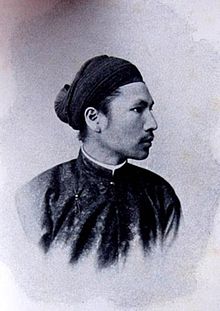
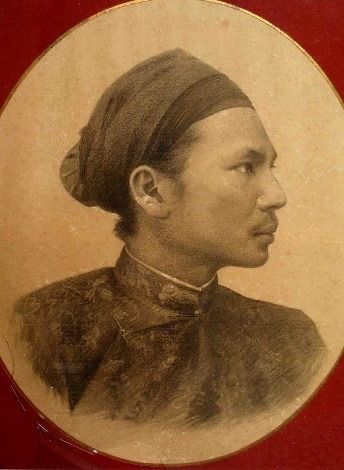
Gia Long ( Founder of Nguyễn dynasty)


Gia Long

French version
Vietnamese version
Pictures gallery

Gia Long is the imperial title prince Nguyễn Phúc Ánh took in 1802 for his reign at the time of the reunification of the Vietnam empire which extended from the border of Lạng Sơn to the point of Cà Mau on the gulf of Siam.

Gia long results from the combination of two following words: Gia and Long (Gia being a word extracted from the name Gia Định, the ancient city of Saïgon and Long that of the name Thăng Long, the ancient capital Hànội). During the 25 years of fighting against the Tây Sơn, he roamed the whole Cochinchina. He knew perfectly well all the corners of the Mekong delta. Prince Nguyễn Ánh was so attached to the people of the South and in particular to Saigon city that he was khnown at the time as « General Gia Định« .

Before the unification of Vietnam (1801), the last survivor of the Nguyen was hunted down several times by the Tây Sơn ( or the people from the West ) of Nguyễn Huệ. He owed his safe life to a French missionary Pierre Joseph Pigneaux de Behaine who shared with him his meal brought in by a confidant, P. Paul Nghi, and who did not hesitate to organize his escape in the Cancau principality of Mạc Thiên Tứ, the son of his allied Mạc Cửu Hà Tiên region) after the assassination of Nguyễn Huệ. Vương by the Tây Sơn, which is told by the British John Barrow in his book «  Voyage in Cochichina » in 1793.

The tough life he experienced during his years of vicissitude gave his partisans an occasion to interpret later his exploits and perils that he succeeded in overcoming as a sign of God’s will in helping him to regain the throne. The grotto of coins (Hang Tiên) in the region of Ha Tien, accessible nowaday by boat, evokes the souvenir of the young prince Nguyễn Ánh, who took shelter there with his troops while waiting for French reinforcements. One  finds coins left by pirates. Vietnamese sayings go with his exploits, such as:

« Kỳ đà cản mũi »

The varanus is in front of the prow

to mean a task cannot be done because of the obstruction of someone. Thanks to the presence of a monitor that blocked his junk on its way to the sea, he was narrowly saved because his enemies were waiting for him there. Another time in the region of Ha Tien, his junk was bothered by the presence of snakes. He was forced to give order to his subordinates to row faster so as not to be pursued by the snakes. This allowed him to reach Phú Quốc island sooner and avoid the trap set by his adversaries. That is why a Vietnamese saying goes:

« Gặp rắn thì đi, gặp qui thì về »

to mean it is possible to keep going when encountering snakes and it is better to go back when encountering turtles.

Thoughout historical accounts, it is noted that Nguyen Anh was lucky during the years of fighting with the Tây Sơn. One time he was chased by the enemies. He was forced to cross a river by swimming. He was aware that the river was infested with crocodiles. He had to resort to buffaloes that splashed about the riverside to take him over. Even the perilous rescue of his boat engulfed by waves by the young intrepid Lê Vân Duyệt (15 years of age ) who later became his talented general, in a stormy night was the object of prophecy discussed for so many years by the people of Long Hưng Tây village before the event took place.

In spite of these facts having something to do with legitimizing by divine protection the struggle led by Nguyễn Ánh, it is not fair to ignore the qualities in this outstanding personage. He did not have the genius of strategy of his adversary, general Nguyễn Huệ. But he had an incommensurable patience parallel only to that of Gou Jian (or Cẩu Tiễn in Vietnamese ), the prince of Yue in the North at the episode of Spring and Autumn ( thời Xuân Thu )( 476 B.C ) who waited long years to get ready for revenge against Fu Chai (Phù Sai) the Wu State’s sovereign ( nuớc Ngô của Ngũ Tử Tư ).

He was gifted at being able to recruit as subordinates individuals of valor ( Võ Tánh, Lê Văn Duyệt, Nguyễn Văn Thành etc.) and grant to frienship a particular signification during his reign, which has been noted towards French missionary Pigneaux de Behaine or his French lieutenants Jean Baptist Chaigneau ( Nguyễn Văn Thắng), Philippe Vaniera, Olivier Puymanel or Siamese king Rama I ( or Chakkri ).

In acknowledgement of the debt that Nguyễn Ánh had let him go back safe and sound with his army to rescue his imprisoned family, the latter was fast to offer many years of hospitality to prince Nguyễn Ánh and his suite when he was forced to take refuge in Bangkok after his scathing defeats against the Tây Sơn at Mỹ Tho (1785).

Nguyễn Ánh was a brave and tough man. With him it seems like there is no one in the South who dares to oppose him. To repay the debt toward his family assassinated by the Tay Son, he remained unruffled before the tortures he reserved for his adversaries. The vanquished enemies were put to death by appalling tortures. Men were torn and women and children were stamped by elephants. Their corpses were thown in the field for crows to eat. It was the fate reserved for the female general Bùi Thị Xuân, the son of emperor Nguyễn Huệ, king Nguyễn Quang Toản etc.

This pact of friendship was born in a military confrontation between his lieutenant Nguyễn Hữu Thùy and Chakkri which was still a general sent by the Siamese king Taksim (Trịnh Quốc Anh ).

Before the volte-face of Taksim imprisoning his family, Chakkri was forced to compromise with Nguyen Anh and return to Bangkok to overthrow Taksim. To recognize this debt and to assist Nguyen Anh to recover the throne, Chakkri sent an army of 50,000 men which was completely decimated in 1785 by the strategist Nguyễn Huệ in the western Mékong (Mỹ Tho).

For political reasons, he did not hesitate to kill people who had served him with devotion when he was still a young prince hunted down by the Tây Sơn. It is the case of Nguyễn Văn Thành, Ðặng Trần Thường. That is why he was ofen compared to Liu Bang (Lưu Bang), the great Han emperor having reserved the same treatment toward his comrades-in-arm. Despite that, he was also seen as a man of the heart. He was fast to render great homage to his comrade-in-arm Nguyễn Văn Thành whom he forced to commit suicide for a calomnious insinuation and burst into tear before the altar set up in honor of the latter. He ordered freedom for his family and restitution of confiscated possessions and titles. One also finds his profound attachment to his subordinates’ lives through the message addressed to his brother-in-law, general Võ Tánh in charge of defending Qui Nhơn or to Pigneaux de Behaine, his spiritual father, military advisor through the ceremony arranged at the funeral of the latter, which was reported by Father Lelabrousse at the Missions Etrangeres on April 24, 1800.

He was also a seducing warrior. His consideration toward queen Ngọc Bích, the young wife of his adversary, young king Cảnh Thịnh (son of king Quang Trung) was exemplary. She was crying out when she saw a very majestuous man standing in front of her:

-General Gia Ðịnh, what do you want of me?

He smiled and answered her with kindness:

Don’t be afraid and stop crying please. General Gia Dinh will be more gentle than a Tay Son one. This residence remains the same for you despite of the change of ownership.

Since his gentleness and his will to conquer the heart of the queen was so strong the latter could not resist. She became thus his first rank concubine and had two sons with him. She was married two times to two kings (Cảnh Thình and Gia Long) and was the last daughter of the Lê kings. That is why the two implacable adversaries became « brothers-in-law » because Nguyễn Huệ was the spouse of Ngọc Hân and Gia Long that of Ngọc Bích. It is also for the latter that a Vietnamese saying goes:

Số đâu mà số lạ lùng
Con vua mà lấy hai chồng làm vua

What a bizarre fate she has
Daughter of a king, she got twice married to kings.

In spite of his reputation of being a warrior hardened by years of war and vicissitudes, he was also as vulnerable as any ordinary man. A great number of worries has come upon him that he did not wish to hide and reveal to his confidant, Frenchmen Jean-Baptiste Chaigneau: 

Ruling country is easier than managing a harem.
This was revealed by Michel, the son of J.B. Chaigneau in his journal « Le Moniteur de la Flotte » in 1858.

Despite the treaty initialed at Versailles in 1787 by Counts de Vergennes and de Montmorin for king Louis XVI and by his son Nguyễn Phúc Cảnh witnessed by bishop of Adran, Pigneaux de Behaine, the collaboration of a great number of French subordinates in his ranks and his interest in science and Western techniques, he continued adopting a very ambiguous policy toward the Europeans, in particular the missionaries. Was this benevolent attitude due to the friendship he tried to honor toward his friend Pigneaux de Behaine or to his open mindedness like KangXi in China aiming at better utilizing the catholic missionaries’s competences?

One keeps asking these questions up to now. However, one knows that throughout the construction of the Purple City, the maintenance of the mandarinal system, the reform of the Le code based on that of the Qing in China, he appeared to be more than never an admirer of the Ming and Qing dynsties, a convinced Confucianist and a more retrograde emperor. During his last years, he began a policy of folding back by choosing as his successor prince Nguyễn Phúc Ðảm supported by most of the Confucianist mandarins in lieu of the children of prince Cảnh who deceased of an illness. The prince known under the name of Minh Mang did not hesitate to do away with the children and wife of Cảnh (Mỹ Ðường) and gave the Europeans an opportunity, especially the French government to intervene militarily, by deliberately leading an anti-western and anti-catholic policy and thus renewing a policy in line with the Chinese policy. Nguyen Anh could have become a great emperor at the image of a Japanese « Meiji » when he had the advantage of being circled by a great number of Frenchmen including his private physician (a certain Despiaux) and he had an open mind to Western techniques and sciences.

It is a shame for Vietnam to have lost an opportunity to enter the era of modernization.

It was unfortunate for the Vietnamese people to have written later their history with blood and tears

He does not deserve being forgotten in our history because he arrived at enlarging our territory and unifying the country under his banner. But he is no longer a great emperor of Vietnam because grandeur is measured by not only the enlargement of Vietnam but also by the good deeds he brought to the Vietnamese people and by the magnanimity toward his adversaries.

It is regrettable to say so because Nguyễn Ánh with the qualities he showed us during his 25 years of vicissitude could have done better to his country and people more than any other kings of Vietnam (including king Quang Trung).


Galerie des photos

[Return DYNASTIE]

Concubines under the Nguyễn dynasty (Cung tần mỹ nữ)

French version


Trong cunq quế âm thầm chiếc bóng
Ðêm năm canh trông ngóng lần lần
Khoảnh làm chi bầy chúa xuân
Chơi hoa cho rữa nhị dần lại thôi.

In the royal genaeceum, I stay alone with my shadow,
All night long, I eagerly wait for his visit.
Instantly, many springs have gone by,
He ceased coming in as this flower is withering.

Ôn Như Hầu

Except Gia Long, the founder and Bảo Ðại, the last emperor of the Nguyen dynasty no emperors of this dynasty granted a title to their principal spouse during their reign. No historic documents found today show why there was that systematic refusal since the application of Minh Mang’s decree. On the contrary, only this spouse received her title after her disappearance.

First imperial concubine ( Nhất giai Phi ) ( 1st rank )
Second imperial concubine ( Nhị Giai Phi ) (  2nd rank )
Superior concubines ( from 3rd to  4th rank ) (Tam Giai TânTứ Giai Tân ), simples concubines ( from 5th to 9th rank ) ( Ngũ Giai Tiếp Dư , Lục Giai Tiếp Dư, Thất Giai Quí Nhân, Bát Giai Mỹ  Nhân, Cữu Giai Tài Nhân ).

Then came the Ladies of the Court, next, the subordinate servants. It was estimated that those women along with the eunuchs, the queen mothers and the emperor made up a purple forbidden society of Huế. The status of those women (even that of the servants) no matter what it was, went up considerably when they gave birth to a son.
Speaking of those concubines, it is impossible not to evoke the love story of Nguyễn Phi, the future empress Thừa Thiên Cao Hoàng Hậu with prince Nguyễn Ánh, the future emperor Gia Long. This one, beaten by the Tây Sơn (or the peasants of the West) in the Fall of 1783, had to take refuge on the Phú Quốc Island. He had to send his son Nguyễn Phúc Cảnh, 4 years old, accompanied by archbishop Pigneau de Behaine to France to ask for military aid before king Louis XVI (Treaty of Versailles 1787), and took refuge in Bangkok ( Thailand) waiting for French reinforcement. Before the time of separation, he hastened to cut a gold bar into two halves and gave one to his spouse, Nguyễn Phi telling her:

Our son has already gone. I am about to leave you to resettle in Thailand. You stay here to take care of our queen mother. I do not know the date of my return nor the place of our reunion . I leave with you this half gold bar as the token of our love. We will have the chance to see each other later if God helps us to defeat the Tây Sơn.

During Nguyễn Anh’s years of exile and setback in his reconquest of power, Nguyên Phi continued to take care her mother-in-law, queen Hiếu Khương (spouse of Nguyễn Phúc Luân ) and to make uniforms for recruits. She arrived at overcoming all the difficulties destined to her family and showed her courage and bravery in escaping traps set up by their adversaries.

Thanks to his perseverance and stubbornness, Nguyễn Ánh succeeded in defeating the Tây Sơn in 1802 and became our emperor Gia Long. The day following their touching reunion, he asked her about the other half of the gold bar he had given her at the moment of their separation. She went looking for it and gave it back to him. Seeing the half of the bar in the state of shining, emperor Gia Long was so touched he told his spouse Nguyễn Phi:

This gold that you succeeded in keeping in its splendor during our difficult and eventful years shows well the blessings and grace of God for our reunion today. We should not forget that and should talk about it to our children.

Then he reassembled the two halves of the gold bar to make it whole again and gave it to Nguyễn Phi. This gold bar later became under the reign of Minh Mạng, not only the symbol of eternal love between Nguyễn Ánh and his spouse Nguyễn Phi but also an object of veneration found on the altar of emperor Gia Long and empress Thừa Thiên Cao Hoàng Hậu in the Ðiện Phụng Thiên temple in the purple city of Huê.

No one was surprised that thanks to his daughter Ngô Thị Chánh, former Tây Sơn general Ngô Vân Sở was spared from summary execution by emperor Gia Long during the victory over the Tay Son, because his daughter was the favorite concubine of his crown prince Nguyễn Phúc Ðảm, our future emperor Minh Mang. When this one acceded to power, he did not hesitate to grant her all the favors uniquely reserved up until then for his principal spouse. This concubine, when alive, often had the chance to tell the emperor:

Even you love me as such, the day I decease, I will be alone in my tomb empty-handed.

That was why when she died a few years later, the emperor followed her to the place of burial taking with him two ounces of gold. He then asked the eunuch to open the two hands of the concubine. The emperor himself put an ounces of gold in each hand saying with emotion:

I give you two ounces of gold so that you do not go empty-handed.

One found this love fifty years later in poet emperor Tự Ðức. At the funeral of his favorite concubine, he composed a poem entitled « Khóc Bằng Phi » whose two following verses immortalized love and affection emperor Tự Ðức reserved for his concubine Bằng Phi:

Ðập cổ- kính ra, tìm lấy bóng
Xếp tàn-y lại để dành hơi

I break the old mirror to find your shadow
I fold your fading clothes to keep your warmth.

Cung tần mỹ nữ

 
Under the Nguyen dysnasty, the genaeceum took an important dimension. To consolidate his authority and gain fidelity from his subordinates, emperor Gia Long himself did not hesitate to establish the politics of alliance in taking for concubines most of the daughter of the subordinates. This was revealed by his confidant, the French mandarin J.B. Chaigneau in his  » Souvenirs of Huế 1864 « . But sometimes the concubine of the emperor may be issue of a different medium. It is the case of the concubine of emperor Thành Thái, the father of Duy Tân. This concubine was the rower of a ferry boat in the region of Kim Long known for the charm and grace of its inhabitants. That is why people did not hesitate to sing the following popular song to evoke the idyllic love that emperor Thanh Thai reserved for the charming rower of the ferry and his audacity to disguise himself as a common traveler to visit Kim Long.

Kim Long có gái mỹ miều
Trẩm yêu trẩm nhớ trẩm liều trẩm đi

Kim Long is known for its charming girls
I love, I miss, I dare and I go.

One beautiful morning of our new year, Thành Thái intrigued by the charm of the Kim Long region decided to go there alone. He disguise himself as a young traveler to visit that famous region. On his way back, he had to take the ferry the rower of which was a charming girl. Seeing her timid in gait with her red cheeks under the overwhelming sun, emperor Thành Thái began to flirt with her and tease her with this idea, saying:

Miss, do you like to marry the emperor?

Stunned by this hazardous proposal, the girl looked attentively at him and replied with sincerity: Don’t you talk nonsense, they are going to cut off you head.

Seeing her in a fearful state, the emperor was determined to bother her more: That’s right, what I have proposed with you. If you agree, I will be the intermediary in the matter! Caught by a sense of decency, she hid her face behind her arm. On the ferry, among the passengers, there was an older and well dressed person. This one, having heard their conversation, did not hesitate to push on by saying to the girl:

Miss, just say « Yes » and see what happens!

Encouraged by the daring advice, the ferry rower responded promptly: Yes Happy to know the consent of the rower, Thành Thái stood up, went toward the rower and said with tenderness:

My dear concubine, you may rest. Let me take care of rowing the ferry for you.

Everyone was surprised by that statement and finally knew that they were in front of young emperor Thành Thái, known for his anti-French activities, deposed and exiled later by the French authorities to the Reunion island because of his excess in « madness ». When the ferry reached the Nghinh Lương dock, Thành Thái ordered the passengers to pay for their tickets and led the young rower into the forbidden city.

Generally speaking, the concubines lived surrounded by Ladies of the Court, eunuchs and devoted their time in embroidering and weaving. Some died without ever having received the emperor’s favor, or having got out of the palace.

A famous poet of 18th century Nguyễn Gia Thiều known under the name of Ôn Như Hầu (because of his title), had denounced the injustice inflicted upon these women, their sadness and isolation, in his work  » Cung Oán Ngâm Khúc » (or Sadness of the Palace ). Others enjoyed their status of a favorite but none was equal to Ỷ Lan, the favorite of Lý Thánh Tôn of the Lý dynasty, who had assumed brilliantly the regency of the kingdom during her husband’s campaign against Champa.

[Return Huế]

Concubines sous la dynastie des Nguyễn (Cung tần mỹ nữ)

English version

Vietnamese version

Trong cunq quế âm thầm chiếc bóng
Ðêm năm canh trông ngóng lần lần
Khoảnh làm chi bầy chúa xuân
Chơi hoa cho rữa nhị dần lại thôi.

Dans le gynécée royal, je suis toute seule avec mon ombre
Tout le long de la nuit, j’attends avec impatience sa visite
Plusieurs printemps ont été partis instantanément
Il cessait de venir et je suis comme une fleur qui se fane.

Ôn Như Hầu Lire la suite

Museum of Champa sculpture (Bảo tàng viện Điêu Khắc Cổ)

French version
Vietnamese version
Picture gallery

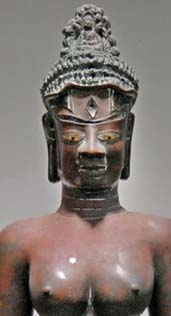
phatmau_tara

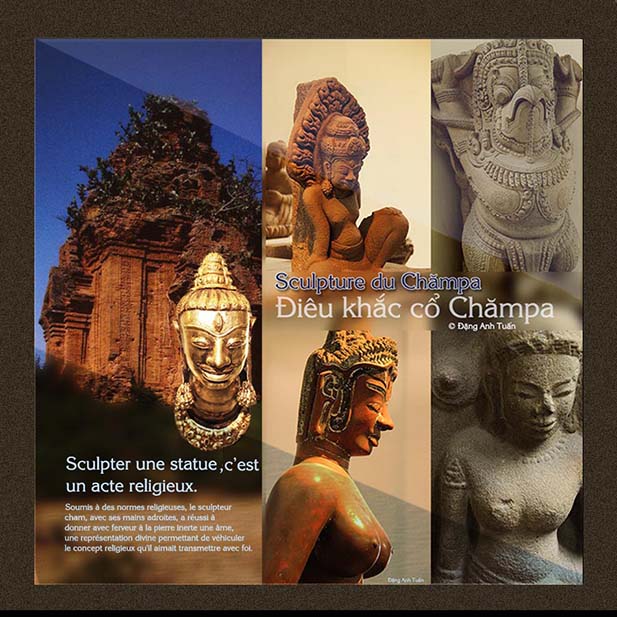
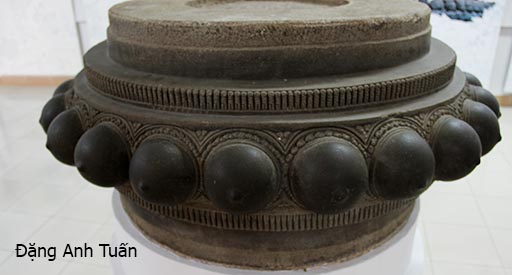
Before it became the Champa Sculpture Museum today, it was known as the Sculpture Garden in the distant past. It was here that they began to collect and preserve for the most part, under the aegis of archaeologist-architect Henri Parmentier and members of the French School of the Far East (EFEO) in the late 19th century all the artifacts found  during archaeological excavations in the central regions (from the Hoành Sơn Anamitic Range, Quảng Bình in the north to Bình Thuận (Phan Thiết) in the south) where an ancient Indochinese kingdom existed known in the early 2nd century as Linyi and then Huanwang and finally Champa until its annexation by Vietnam in 1471. Opened to the public in 1919, this museum initially took the name of its founder « Henri Parmentier Museum » and housed 190 artifacts among which was the famous pedestal of the Buddhist site Đồng Dương.

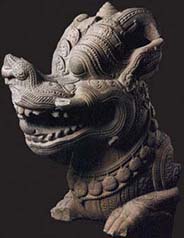
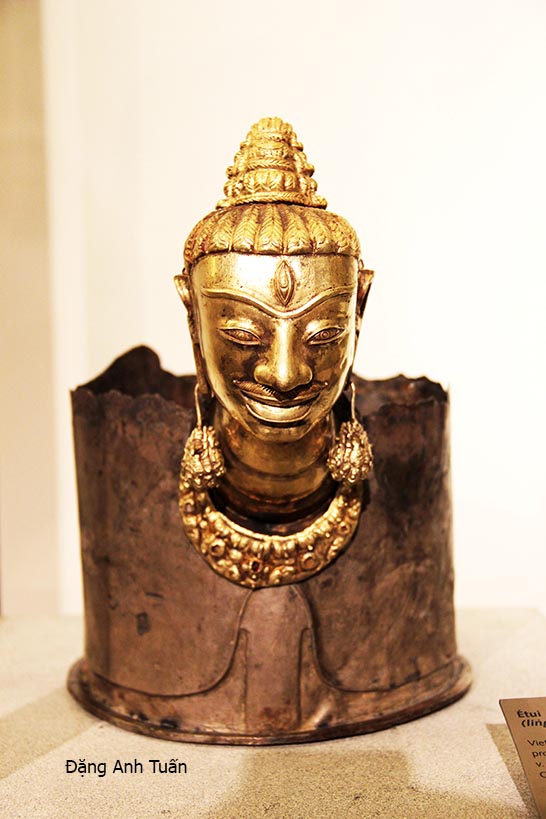
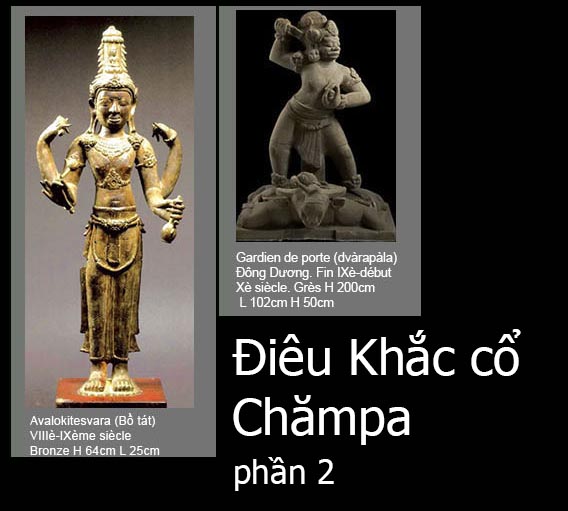
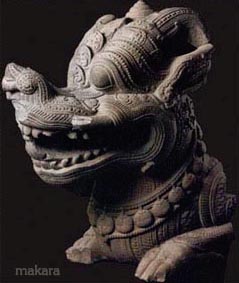
Then the museum did not cease to expand since 1975 to reach today an area of 2,000 m² out of a total of more than 6,600 m² and to acquire in the year 1978 the great masterpiece of bronze art, the statue of Laksmindra-Lokesvara (Quan Âm chuẩn đề) often known as Tara. It becomes over the decades the unique museum in the world in the field of Champa art. It allows the tourist to also know the chronology of Champa history as all styles are present through artifacts from the famous sites Mỹ Sơn, Đồng Dương, Trà Kiệu and Pô Nagar (Nha Trang). For French researcher Jean Boisselier, Chame sculpture is always closely linked to history. Despite the evolution of styles throughout its history, chame sculpture continues to keep the same divine and animal creatures in a constant theme. This is a museum not to be missed if one has the opportunity to visit Đà Nẵng

  • Mỹ Sơn E1 style (Phong cách E1)
  • Chính Lộ style (Phong cách Chính Lộ )
  • Đồng Dương style (Phong cách Đồng Dương)
  • Tháp Mắm style … (Phong cách Tháp Mắm)

Picture gallery

[ngg_images source= »galleries » container_ids= »126″ display_type= »photocrati-nextgen_basic_thumbnails » override_thumbnail_settings= »1″ thumbnail_width= »180″ thumbnail_height= »180″ thumbnail_crop= »1″ images_per_page= »30″ number_of_columns= »4″ ajax_pagination= »0″ show_all_in_lightbox= »0″ use_imagebrowser_effect= »0″ show_slideshow_link= »0″ slideshow_link_text= »[Montrer sous forme de diaporama] » template= »/homepages/5/d276592279/htdocs/clickandbuilds/vietnamquehuongtoi/wp-content/plugins/nextgen-gallery/products/photocrati_nextgen/modules/ngglegacy/view/gallery-caption.php » order_by= »pid » order_direction= »ASC » returns= »included » maximum_entity_count= »500″] Tháp Mắm style

style_thapmam


  • Mỹ Sơn E1 style : vivacity in ornamentation, dedicacy in the details..style_dongduong
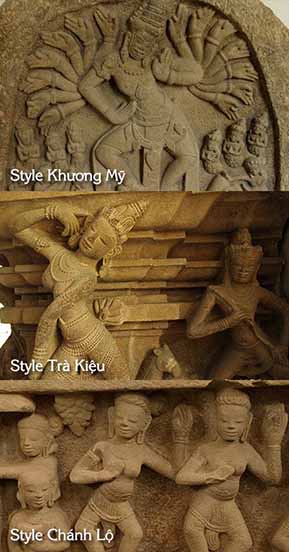
  • Khương Mỹ style : gentleness in the faces, harmony and symmetry…
  • Trà kiệu style : beauty in the adornments, the half-smile, the development of feminine beauty ( fully developed breasts, new freedom in the hips etc ..)
  • Đồng Dương style :typical facial appearance (protruding eyebrowns, thick lips with the corners…
  • Tháp Mắm style : art reached in its limits with a lack of realism and extravagance….

[Return to CHAMPA]

Politique de rapprochement avec le Vietnam (Thaïlande)

Version vietnamienne

L’hospitalité que Rama 1er a réservée à Nguyễn Ánh servira de base plus tard au développement de la future relation entre les deux pays. Elle n’est pas étrangère à la conduite attentionnée de Nguyễn Ánh dans la recherche d’une solution adéquate pour gérer la double suzeraineté sur le Laos et sur le Cambodge avec les Thaïs. Selon le checheur vietnamien Nguyển Thế Anh, ces pays furent considérés à cette époque comme des enfants élevés ensemble par le Siam et le Vietnam, le premier s’arrogeant le titre du père et le second le titre de mère. Cette double dépendance est connue en langue thaïe sous le nom « song faifa ». Selon les sources siamoises, Nguyễn Ánh envoya 6 fois de Gia Định à Bangkok des arbres d’argent et d’or, signe d’allégeance entre 1788 et 1801. (2). Dans une lettre adressée à Rama 1er avant son retour à Gia Đinh, Nguyễn Ánh accepta d’être placé sous le protectorat du Siam au cas où il réussirait à rétablir son pouvoir. Le Đại Nam (ancien nom du Vietnam) accepta-t-il d’être un état de mandala? Il y a plusieurs raisons de réfuter cette hypothèse. D’abord le Đại Nam n’était pas sous l’influence du bouddhisme théravadà et n’avait pas non plus la culture indianisée comme cela a été avec le Cambodge et le Laos car le rôle religieux joue un rôle important dans le mandala défini par le chercheur O. Wolter. Le Siam tenta d’étendre jusqu’alors son influence et son emprise dans les régions où les Thaïs étaient plus ou moins implantés et où la culture indianisée était visible.

Ce n’est pas le cas du Vietnam. Chakri et son prédécesseur Taksin ont déjà échoué dans cette démarche en Cochinchine qui était pourtant une terre neuve car il y avait une colonie vietnamienne importante de culture différente. La vassalité paraît improbable. On ne connait jamais la vérité mais on peut s’appuyer sur le fait que pour reconnaître les bienfaits du Ralma 1er, Nguyễn Ánh pourrait adopter ce comportement compréhensible qui n’était jamais incompatible à son tempérament et surtout à son esprit confucianiste dont l’ingratitude ne faisait pas partie. On trouve toujours en lui la reconnaissance et la gentillesse qu’on ne pourra pas réfuter plus tard avec Pigneau de Béhaine ayant consacré beaucoup d’effort pour le convaincre de se convertir au catholicisme. Sous son règne, il n’y avait pas la persécution des catholiques qu’on peut interpréter comme une reconnaissance envers Pigneau de Béhaine. De ce point de vue, on peut voir en lui le principe d’humanité (đạo làm người) en honorant à la fois la gratitude envers ceux qui l’avaient protégé durant les 25 années de vicissitudes et la vengeance envers ceux qui avaient tué tous ses proches et sa famille. (thù phải trả, nợ phải đền)

Au moment de son intronisation en 1803 à Huế, Nguyễn Ánh reçut une couronne offerte par le roi Rama 1er mais il la lui retourna tout de suite car il n’accepta pas d’être traité comme un roi vassal et de recevoir le titre que le roi siamois Rama 1er était habitué à accorder à ses vassaux. Ce comportement déjuge l’accusation qu’on a toujours sur Nguyễn Ánh.

Pour certains historiens vietnamiens, Nguyễn Ánh est un traître car il fait venir les étrangers et leur donne l’occasion d’occuper le Vietnam. On aime à coller l’expression vietnamienne « Đem rắn cắn gà nhà » (Introduire le serpent pour mordre le poulet de la maison) à Nguyễn Ánh. Il est injuste de le taxer de trahison car dans le contexte difficile où il était, il n’y a aucune raison de ne pas agir comme lui en tant que humain lorsqu’il était au gouffre du désespoir. Probablement l’expression suivante « Tương kế tựu kế ( Combiner un stratagème de circonstance) lui convient mieux bien qu’il y ait un risque de faire le jeu des étrangers. Il faut rappeler aussi que les Tây Sơn eurent l’occasion d’envoyer un émissaire auprès de Rama 1er en 1789 dans le but de neutraliser Nguyễn Ánh avec le stratagème ( Điệu hổ ly sơn ( Éloigner le tigre loin de la montagne) mais cette tentative fut vaine à cause du refus de Rama 1er. (3)

Etant intelligent, courageux et résigné à l’image du roi des Yue Gou Jian (Cẫu Tiển) de la période des Printemps et des Automnes (Xuân Thu), il devrait connaître les conséquences de son acte. Il y a non seulement Gia Long mais aussi des milliers de gens ayant accepté de le suivre et d’assumer cette lourde responsabilité de faire venir les étrangers dans le pays pour contrer les Tây Sơn. Sont-ils tous des traîtres? C’est une question épineuse à laquelle il est difficile de donner une réponse affirmative et une condamnation hâtive sans avoir au préalable le sens de l’équité et sans se laisser convaincre par des opinions partisanes lorsqu’on sait que Nguyễn Huệ reste toujours le héros le plus adulé par les Vietnamiens pour son génie militaire.

Déçu par le refus de Gia Long, Rama 1er, ne montra aucun signe de rancune mais il trouva la justification dans la différence culturelle. On trouve en Rama 1er non seulement la sagesse mais aussi la compréhension. Il voudrait traiter désormais d’égal à égal avec lui. Ce traitement égalitaire peut être interprété comme une relation bilatérale « privilégiée » entre l’aîné et le jeune dans le respect mutuel. Chacun d’eux devrait savoir qu’il avait besoin de l’autre même il s’agit d’une alliance de circonstance. Leurs pays étaient guettés respectivement par des ennemis redoutables qu’étaient la Birmanie et la Chine.

Leur relation privilégiée ne s’estompa pas au fil du temps du fait que Rama 1er tomba amoureux entre-temps de la soeur de Nguyễn Ánh. On ne sait pas ce qu’elle deviendrait (sa femme ou sa concubine). Par contre il y avait un poème d’amour que Rama 1er lui a dédié et qui continuait à se chanter encore dans les années 1970 durant la procession annuelle des barques royales.

Quant à Nguyễn Ánh ( ou Gia Long ), durant son règne, il évita d’affronter militairement la Thaïlande sur les problèmes épineux cambodgien et laotien. Avant sa mort, Gia Long ne cessa pas de rappeler à son successeur Minh Mạng de perpétuer cette relation d’amitié qu’il avait réussi à établir avec Rama 1er et de considérer le Siam comme un allié respectable dans la péninsule indochinoise (4). Cela se justifiera plus tard par le refus de Minh Mạng d’attaquer le Siam à la demande des Birmans.

Selon le chercheur Nguyễn Thế Anh, dans l’Asie du Sud Est continentale, sur une vingtaine de principautés importantes vers 1400, il ne restait que trois royaumes qui réussirent à s’imposer au début du XIXème siècle en tant que puissances régionales parmi lesquelles figuraient le Siam et le Đại Việt, l’un entamant la marche vers l’Est et l’autre vers le Sud au détriment des états hindouisés (Laos, Cambodge, Champa). Ce conflit d’intérêts s’intensifia de plus en plus à la disparition de Rama 1er et de Nguyễn Ánh.

Leurs successeurs ( Minh Mạng, Thiệu Trị du côté vietnamien et Rama III du côté siamois) furent empêtrés par le problème de succession des rois cambodgiens qui ne cessaient pas de se battre entre eux et de solliciter leur aide et leur protection. Ils furent guidés dès lors par la politique de colonialisme et d’annexion qui les amena à se confronter militairement 2 fois en 1833 et en 1841 sur les territoires cambodgien et vietnamien et à trouver à la fin de chaque confrontation un compromis d’entente en leur faveur et au détriment de leurs protégés respectifs. L’alliance de circonstance n’est plus prise en compte. La rivalité qui devenait de plus en plus visible entre les deux pays concurrents Đại Nam et Siam, éloigne désormais tout rapprochement et toute alliance possible. Même leur politique est tout à fait différente, l’un s’alignant sur le modèle chinois pour éviter tout contact avec les colonialistes occidentaux et l’autre sur le modèle japonais pour prôner l’ouverture des frontières.

La capitale khmère Phnom Penh fut occupée à une certaine époque par l’armée vietnamienne du général Trương Minh Giảng tandis que les régions de l’Ouest cambogien ( Siem Reap, Battambang, Sisophon) étaient aux mains des Thaïs. Selon l’historien français Philippe Conrad, le roi du Cambodge était considéré comme un simple gouverneur du roi de Siam. Les insignes royaux ( épée d’or, sceau de la couronne) étaient confisqués et détenus à Bangkok. L’arrivée des Français en Indochine mit fin à leur double suzeraineté sur le Cambodge et le Laos. Elle permit aux protégés cambodgien et laotien de récupérer une partie de leur territoire aux mains des Vietnamiens et des Thaïs. Le Đại Nam de l’empereur Tự Đức dut faire face aux autorités coloniales françaises qui avaient annexé les six provinces de Nam Bộ (Cochinchine). Grâce à la clairvoyance de leurs rois (en particulier celle de Chulalongkorn ou Rama V) , les Thaïs s’appuyant sur la politique de rivalité entre les Anglais et les Français, réussirent à garder leur indépendance au prix de leurs concessions territoriales (les territoires birmans et malais occupés rendus aux Anglais et les territoires laotien et khmer aux Français). Ils optèrent une politique étrangère flexible (chính sách cây sậy) comme le roseau qui s’adapte au gré du vent. Ce n’est pas un hasard de voir l’union sacrée des trois princes thaïs aux prémices de la nation thaïe en 1287 et la soumission face aux troupes sino-mongoles de Kubilai Khan.

C’est cette politique synthétique d’adaptation qui leur permet d’être à l’écart des guerres coloniales, de se ranger toujours du côté des vainqueurs et d’exister jusqu’à aujourd’hui en tant que nation florissante malgré leur émergence tardive ( datant du début du 14ème siècle ) dans l’Asie du Sud Est continentale

Photos de Venise de l’Orient (Vọng Các)

[Retour à la page Thaïlande]


(1) Bùi Quang Tùng: Professeur, membre scientifique de EFEO. Auteur de plusieurs ouvrages sur le Vietnam.

(2) P.R.R.I, p. 113.

(3) Pool, Peter A.: The Vietnamese in Thailand, p 32, note 3.

Conflits larvés avec le Việtnam (Thaïlande)

Version vietnamienne


Il y a des victoires et des défaites de chaque côté. En conduisant une armée de 20.000 hommes et une flotte, Taksin réussit à chasser après un siège de dix jours, Mo Shi-Lin (Mạc Tiên Tứ en vietnamien) le fils de Mạc Cửu) de Hà Tiên. C’est un allié chinois de poids des seigneurs Nguyễn et le protecteur du fils du dernier roi de la dynastie d’Ayutthaya, Chao Chuy (Chiêu Thúy). Celui-ci continue à être l’un des compétiteurs éventuels à la couronne et un sujet d’inquiétude journalière pour Taksin. À cause de ses revers militaires à Châu Đốc et dans la région de Sadec, Taksin fut obligé d’accepter le traité de paix offert par Mạc Thiên Tứ et d’abandonner Hà Tiên en ruines en échange du retour du prince Chiêu Thúy, de la remise en liberté de la fille de Mạc Thiên Tứ capturée au moment de la chute de Hà Tiên et du maintien sur le trône cambodgien un roi pro-Thaï de nom Ang Non. Dès son retour, Chiêu Thúy fut exécuté ainsi que son frère capturé au Cambodge. Quant au seigneur Nguyễn Phúc Thuần (connu plus tard sous le nom Duệ Tông ), mis en difficulté par la révolte des frères « Tây Sơn (Paysans de l’Ouest) », il fut obligé de cautionner cet accord et de laisser temporairement aux Thaïs le champ libre dans leur politique d’expansion territoriale sur le Laos et le Cambodge. Mais le trêve fut de courte durée pour Mạc Thiên Tứ car entre-temps, il fut poursuivi par les Tây Sơn ayant réussi à prendre Gia Định (ou Saïgon) en 1776 et à capturer le seigneur Nguyễn Phúc Thuần à Cà Mau. Il dut trouver refuge avec sa famille et ses subordonnés auprès de Taksin à Thonburi (Thailande). Mais ce dernier, obsédé et habité par tant de soupçons et de méfiance, finit d’exécuter sa famille et ses subordonnés parmi lesquels figurait le prince Tôn Thất Xuân. Pour préserver sa dignité et son honneur, Mạc Thiên Tứ se suicida en septembre 1780 en avalant une rondelle d’or. La méfiance de Taksin est de plus en plus envahissante jusqu’au point où elle devient une maladie mentale accompagnée par un comportement paranoïaque et tyrannique.

Rạch Gầm- Xoài Mút

Tableau du Musée national de Saïgon

C’est l’un des traits communs des grands hommes politiques (Ts’ao Ts’ao ( Tào Tháo) des Trois Royaumes, Qin Shi Huang Di (Tần Thủy Hoàng) par exemple). C’est cette méfiance qui le pousse à emprisonner plus tard ses proches en particulier la famille de son gendre Chakri qui était en train de s’engager dans une campagne militaire au Cambodge contre les Vietnamiens du jeune prince Nguyễn Ánh. Chakri ( futur roi Rama 1er) fut obligé de pactiser avec les lieutenants de Nguyễn Ánh, Nguyễn Hữu Thùy et Hồ văn Lân. Ceux-ci lui envoyèrent un couteau, une épée et un drapeau en signe de leur soutien contre Taksin. Ayant réussi de rentrer à temps au moment où éclata un coup d’état renversant ce dernier, le général siamois Chaophraya Mahakasatsuk (ou Chakri) devint ainsi le roi Rama I et le fondateur de la dynastie Chakri. Son avènement permet de clore la dynastie de Thonburi et de la remplacer par la nouvelle dynastie avec le transfert de la capitale à Bangkok. C’est ici que le roi Rama 1er tenta de restaurer le style Ayutthaya à travers son palais royal (Bangkok). L’installation de la nouvelle capitale ne correspond pas à un renouvellement de l’art siamois. Rama 1er s’intéressa à poursuivre l’oeuvre inachevée de Taksin le Grand dans la marche vers l’Est. Il n’hésita pas à monter une expédition militaire pour aider le prince héritier Nguyễn Ánh dans sa lutte contre les Tây Sơn. Malheureusement, cette expédition vietnamo-siamoise fut écrasée en 1783 dans les arroyos Rạch Gầm- Xoài Mút de la province Tiền Giang d’aujourd’hui par le roi stratège Nguyễn Huệ. De l’armée siamoise constituée d’au moins de 50.000 hommes et de 300 jonques au départ, il ne restait que 2000 hommes ayant réussi de passer par le Cambodge pour rentrer en Thailande.

Profitant de la méconnaissance géographique du terrain (đia lợi) et de la sous-évaluation militaire des ennemis, Nguyễn Huệ évita l’engagement frontal à Sadec et réussit à faire échouer très vite l’invasion siamoise dans les arroyos proches de Mỹ Tho. Nguyễn Huệ avait besoin d’une victoire éclair car il savait que les Trịnh au Nord Vietnam pouvaient profiter de cette occasion pour envahir Qui Nhơn dans le centre du Vietnam.

Traqué comme une bête fauve et plongé dans l’abîme de tristesse, Nguyễn Ánh fut obligé de s’exiler à Bangkok, accompagné d’une trentaine de mandarins et d’environ 200 soldats pour une courte durée (de 1785 à 1787). Puis il fut rejoint plus tard par les 5000 soldats du général Nguyễn Huỳnh Đức. Selon le professeur vietnamien Bùi Quang Tùng (1), beaucoup de réfugiés préférèrent de rester en Thaïlande et de se marier avec les Siamoises. Politique de rapprochement avec le Việtnam

[Retour à la page Thailande]

(1) Bùi Quang Tùng: Professeur, membre scientifique de EFEO. Auteur de plusieurs ouvrages sur le Vietnam.


Bibliographie

Pool, Peter A.: The Vietnamese in Thailand, Cornell University Press. 1970. 180pp

The diplomatic worldviews of Siam and Vietnam in the pre-colonial period (1780s – 1850s). Morragotwong Phumplab, National university of Singapore, 2011.

Đại Nam Thực Lục (7 fascicules).


Royaume d’Ayutthaya (Vương quốc Ayutthaya)

Version vietnamienne

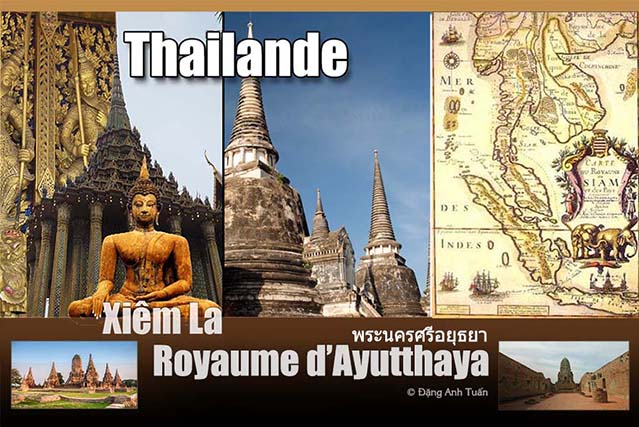
Le royaume de Sukhothai ne survécut pas après la disparition du grand roi Rama Khamheng car ses successeurs Lo Tai (1318-1347) et Lu Tai (1347-1368), accaparés par la foi religieuse négligeaient de veiller sur leurs vassaux parmi lesquels il y avait un prince brave et énergique d’U Thong (*) connu pour ses ambitions territoriales. Celui-ci n’hésita pas à soumettre Lu Tai de Sukhothai. Il devint ainsi le fondateur de la nouvelle dynastie en prenant Ayutthaya située dans la basse vallée du Ménam Chao Praya pour capitale. Il prit le titre de Ramathibodi 1er (ou Rama le Grand) (ou Ramadhipati). Son royaume n’était pas unifié au sens strict du terme mais il était en quelque sorte un mandala(**). Le roi était au centre de plusieurs cercles concentriques du système mandala. Le cercle le plus lointain était constitué de principautés autonomes (ou muäng ) gouvernées chacune par un membre de la famille royale tandis que le cercle le plus proche était aux mains des gouverneurs nommés par le roi. Un édit datant de 1468 ou 1469 rapporta qu’il y avait 20 rois vassaux rendant hommage au roi d’Ayutthaya.

พระนครศรีอยุธยา


©Đặng Anh Tuấn

(*) U Thong: district situé dans la province de Suphanburi. C’est le royaume de Dvaravati que les Chinois ont désigné souvent sous le nom de T’o Lo po ti. C’est ici que le moine chinois célèbre Huan Tsang (Huyền Trang) était de passage lors de son voyage en Inde pour ramener des textes originaux bouddhiques.

(**) Terme mandala employé par WOLTERS,O.W.1999. History, Culture and Religion in Southeast Asian Perspectives. Revised Edition, Ithaca, Cornell university and the Institute of Southeast Asian Studies. pp 16-28.


Malgré cela, son emprise et son autorité étaient relatives sur des principautés éloignées pouvant afficher à tout moment leur indépendance et leur prétention avec leurs chefs charismatiques. Son rôle religieux (dharmarâja) servit de contrepoids à la rivalité potentielle de ces rois vassaux. C’est pourquoi le royaume d’Ayutthaya connut souvent des guerres de succession et des luttes internes durant son existence.

A son apogée, le royaume d’Ayutthaya occupa à peu près le territoire de la Thailande d’aujourd’hui amputé du royaume tampon de Lanna (dont la capitale était Chiangmai ) et d’une partie de l’Est en Birmanie. Selon le chercheur Nguyễn Thế Anh, ce type de configuration politique se retrouva aussi pour un certain temps au début du XIème siècle au Vietnam mais il disparut au profit de la la centralisation du pouvoir dans la capitale au moment du transfert de cette dernière à Thăng Long (Hànội) sous le règne de Lý Thái Tổ (Lý Công Uẩn).

Selon l’historien thaïlandais Charnvit Kasetsiri, ce prince d’U Thong était issu d’une famille chinoise. Grâce à l’alliance matrimoniale avec le roi de Lopburi, il réussît à s’imposer pour succéder à ce dernier. Dès lors, Ayutthaya devint le centre du pouvoir politique siamois jusqu’à sa destruction par les Birmans du roi Hsinbyushin en 1767. Expansionniste, Ramathibodi ne tarda pas à prendre Angkor en 1353. Cela se renouvela encore deux fois avec Ramesuen (le fils du roi Ramathibodi) en 1393 et avec Borommaracha II en 1431. Les Khmers furent obligés de transférer leur capitale à Phnom Penh avec le roi khmer Ponheat Yat. Malgré leur mise à sac d’Angkor, les rois d’Ayathuya continuèrent à se poser volontiers en héritiers des rois de l’empire angkorien. Ils reprirent à leur compte non seulement l’organisation de la cour et la titulature des vaincus mais aussi leurs danseuses et leurs parures. Le retour à la tradition de la monarchie angkorienne était manifeste. Le roi devint en quelque sorte un dieu vivant dont l’apparition publique était rare. Ses sujets ne pouvaient plus le regarder en face sauf ses proches familiaux. Ils devaient lui adresser la parole dans un langage spécifique employé pour la royauté. Doté d’un pouvoir divin, le roi pouvait décider du sort de ses sujets. C’est sous le règne de Ramathibodi qu’une série de réformes fut entamée. Il fit venir les membres de la communauté monastique cinghalaise dans le but d’établir un nouvel ordre religieux. En 1360, le bouddhisme theravadà devint la religion officielle du royaume. Un code juridique incorporant la coutume thaïe et basé sur le Dharmashāstra hindou fut adopté. Quant à l’art d’Ayutthaya, il évolua au début sous l’influence de l’art de Sukhothai. Puis il continua à trouver son inspiration dans le domaine de la sculpture avant de retourner aux modèles khmers au moment où le roi Trailokanatha succéda à son père sur le trône en 1448. Bref, on trouve dans le style d’Ayutthaya un mélange du style de Sukhothai et du style khmer.

Etant décrite par l’abbé de Choisy, membre d’une délégation française envoyée en 1685 par le roi Louis XIV auprès du roi siamois Narai comme une ville cosmopolite et merveilleuse, Ayutthaya devint très vite la proie des convoitises birmanes à cause de sa richesse et de sa grandeur. Malgré la signification du nom porté en sanskrit ( « forteresse imprenable »), elle fut pillée et dévastée par les Birmans du roi de Toungoo Bayinnaung en 1569. Puis elle fut mise à sac de nouveau par les Birmans du roi Hsinbyushin en 1767. Les Birmans profitèrent de cette occasion pour faire fondre l’or qui recouvrait les statues de bouddha mais ils délaissèrent un autre bouddha en stuc dans l’un des temples de la capitale. Pourtant se trouve sous le stuc, la statue en or massif. Il s’agit bien d’un stratagème employé par les moines siamois pour dissimuler le trésor au moment où les Birmans assiégeaient la capitale. Ce bouddha doré est actuellement dans le Wat Traimit situé au coeur du quartier chinois à Bangkok.

Après la destruction de la capitale Ayutthaya, les Birmans se retirèrent en emmenant non seulement les butins et les prisionniers (60.000 siamois au moins ) mais aussi le roi d’Ayutthaya et sa famille. Dès lors, le royaume d’Ayutthaya fut démembré complètement avec l’apparition de plusieurs seigneurs locaux. Sa capitale n’était plus le centre de pouvoir politique. Selon l’anthropologue américain Charles Keyes, Ayutthaya ne recevait plus les influences cosmiques nécessaires à sa pérennité. Sa raison d’être n’est plus justifiée. Elle sera bientôt remplacée par la nouvelle capitale Thonburi, tout proche de Bangkok, accessible par la mer (en cas de l’invasion birmane ) et fondée par le gouverneur de la province Tak de nom Sin. C’est pourquoi on est habitué à l’appeler Taksin (ou Trịnh Quốc Anh en vietnamien) ou Taksin le Grand dans l’histoire de la Thaïlande.

Etant d’origine chinoise Teo chiu (Tiều Châu), celui-ci réussît à s’imposer comme l’unificateur et le libérateur de la Thaïlande après avoir éliminé tous les prétendants et vaincu les Birmans à Ayutthaya après deux jours de combats acharnés. Son règne ne dura que 15 ans (1767-1782) . Pourtant c’est sous son règne que la Thaïlande retrouva non seulement l’indépendance mais aussi la prospérité. Elle devint aussi l’un des états puissants de l’Asie du Sud Est en réussissant à libérer définitivement le royaume concurrent de Lanna (Chiang Mai) du joug birman en 1774 et en étendant son influence et sa vassalité sur le Laos et sur le Cambodge par des expéditions militaires. Elle commença à s’intéresser à la position stratégique que joua au début du 18ème siècle la principauté de Hà Tiên gouvernée par un Chinois cantonais Mac King Kiou (ou Mạc Cửu en vietnamien), hostile à la nouvelle dynastie des Qing (Mandchous) dans le golfe de Siam. Elle caressa toujours l’idée de monopoliser et de contrôler le commerce dans le golfe de Siam.

C’est au Laos que les Thaïs dirigés par le général Chakri ( futur roi Rama 1er) ont pris le Bouddha d’émeraude aux Laotiens et l’ont ramené à Thonburi en 1779 avant de l’installer définitivement au palais royal de Bangkok. Ce Bouddha devient ainsi le protecteur de la dynastie Chakri et le garant de la prospérité de la Thaïlande.

Etant morcelé en trois entités: le royaume de Vientiane, le royaume de Luang Prabang et le royaume de Champassak après la mort d’un grand roi du Laos, Surinyavongsa, le Laos tomba provisoirement sous le joug thaïlandais. Par contre, au Cambodge, profitant des dissensions internes liées à la succession du trône et ayant toujours la politique expansionniste vers l’est dans le but de contrôler complètement le golfe de Siam, les Thaïs n’hésitèrent pas à entrer en conflit armé avec les Vietnamiens des seigneurs Nguyễn ayant jusqu’alors un droit de regard sur le Cambodge qui avait accordé aux Vietnamiens des facilités d’installation dans son territoire (Cochinchine) avec le roi Prea Chey Chetta II en 1618.

Conflits larvés avec le Vietnam

[Retour à la page Thaïlande]

Bibliographie:

Cổ sử cá quốc gia Ấn Độ hóa ở Viễn Đông. G. E. Coedès. Nhà xuất bản Thế Giới 2011.

La féodalité en Asie du Sud Est, Nguyễn Thế Anh. Paris, PUF,1998, pp. 683-714

La conquête de la Cochinchine par les Nguyễn et le rôle des émigrés chinois. Paul Boudet. BEFEO, Tome 42, 1942, pp 115-132

Contribution à l’étude des colonies vietnamiennes en Thailande. Bùi Quang Tung

Guerres et paix en Asie du Sud Est. Nguyễn Thế Anh- Alain Forest. Collection Recherches asiatiques dirigées par A. Forest. Editeur L’Harmattan.

Thailand and the Southeast Asian networks of the Vietnamese Revolution,1885-1954. Christpher E. Goscha

Birth of the thaï nation (Thaïland)

French version

According to Thai historical inscriptions found in Vietnam, there are three important waves of migration initiated by the Thai of Yunnan in northwest of Vietnam during the 9th and 11th centuries. This corresponds exactly to the period where Nanzhao was annexed by Dali destroyed, in turn, three centuries later by Kubilai Khan Mongols in China. During this penetration, the Proto-Thaïs were separated into groups: the Thaï of Vietnam, the Thaï in Burma (or Shans), the Thaï in Laos (or Ai Lao in Vietnamese) and the Thaï in Northern Thailand. Each of these groups began to adopt the religion of these host countries. The Thaï of Vietnam do not have the same religion as those of other territories. They continue to keep animism (vạn vật hữu linh) or totemism.

This is not the case of the Thaï living in Northern Thailand, Upper Burma, Laos which were occupied at this time by Indianized and Buddhist theravàda Môn-Khmer kingdoms (Angkorian empire, Môn Dvaravati, Haripunchai, Lavo kingdoms etc …) after the dislocation of Indianized Funan kingdom. The Môn had a key rôle in the transmission of Theravadà Buddhism from Sinhalese tradition for Thai newcomers.